
The rim joist, a critical structural element in residential and commercial buildings, often goes overlooked when considering energy efficiency upgrades. Yet, this narrow perimeter bordering the floor joists and foundation wall is a notorious source of heat loss and unwanted air infiltration. As heating and cooling costs continue to rise, understanding the benefits of rim joist insulation has become essential for homeowners and contractors eager to enhance comfort and reduce utility bills. This article delves deep into the science behind rim joist energy loss, explores effective insulation materials and methods, and highlights how this relatively small investment can lead to substantial energy savings.
Key Points in Brief:
- The rim joist represents a major vulnerability in the building envelope due to air leaks and thermal bridging.
- Proper rim joist insulation acts as a thermal barrier, preventing heat loss and improving overall home insulation.
- Closed-cell spray foam and rigid foam boards are top-rated materials for effective rim joist insulation.
- Air sealing the rim joist cavity is as critical as adding insulation for preventing drafts and moisture issues.
- Investing in rim joist insulation offers quick returns via energy savings and enhanced home comfort.
- Ignoring rim joist insulation increases the risk of mold growth and structural damage due to moisture infiltration.
- Comprehensive guides and professional insights help homeowners make cost-effective insulation decisions.
The Critical Role of Rim Joist Insulation in Enhancing Energy Efficiency
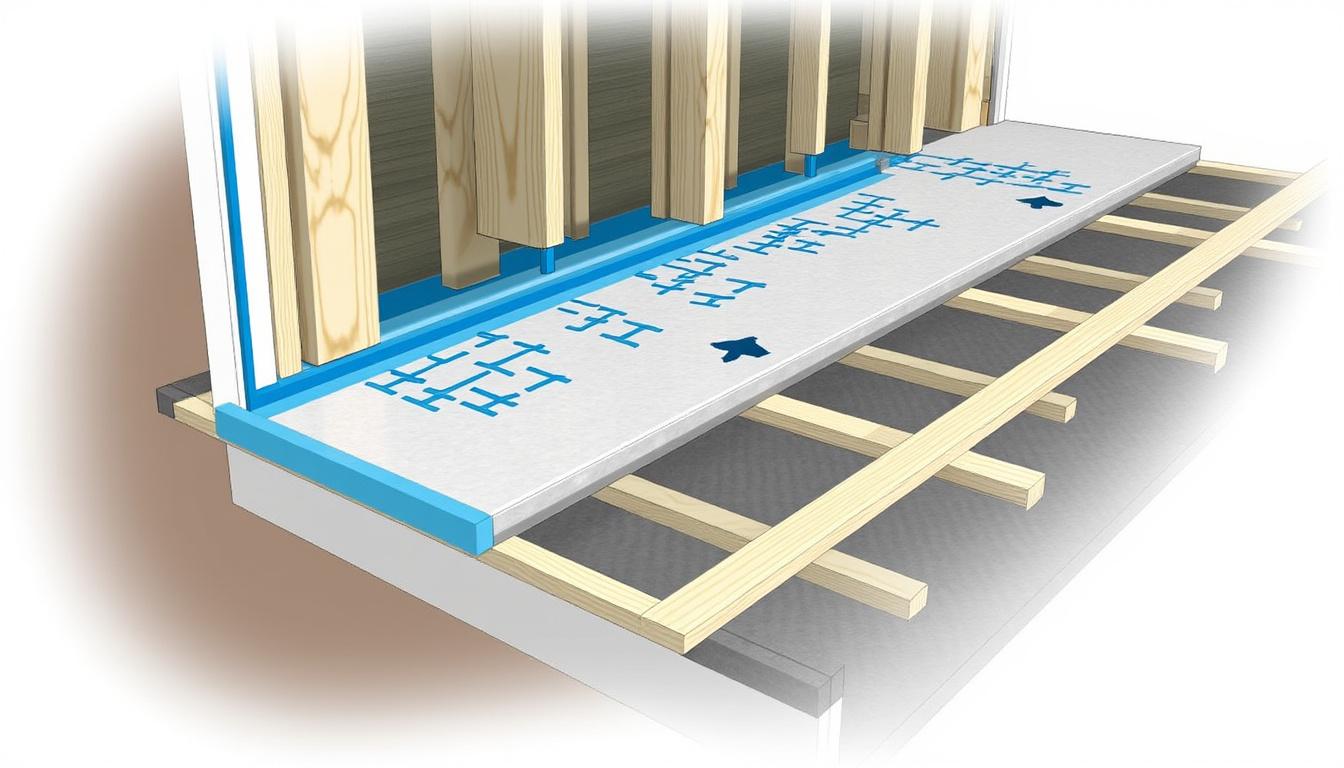
The rim joist is the wooden perimeter where the floor joists terminate, typically resting atop the foundation wall. Its location, bridging the conditioned interior space and unconditioned exterior foundation, uniquely exposes it to energy loss mechanisms such as air infiltration and thermal bridging. This area is often a significant source of wasted energy, resulting in higher heating and cooling costs, cold floors, and uncomfortable drafts.
Air infiltration occurs when outside air leaks through unsealed gaps, joints, or fastener holes in the rim joist cavity. This phenomenon is intensified by the “stack effect,” where warm air rises inside the home and escapes at the top, pulling cold outside air in from lower levels, especially through weak points like the rim joist. The result is an ongoing cycle that dramatically increases the energy the HVAC system must expend to maintain desired temperatures.
Thermal bridging further complicates energy loss. This occurs when heat moves through the wood framing itself, bypassing the insulation attempts inside the cavity. Because wood is a solid conductor, it essentially acts as a heat “highway” allowing heat to escape even if the cavity appears insulated. Without addressing this, the rim joist remains a thermal weak spot, undermining efforts to create a continuous thermal envelope.
To combat these problems, rim joist insulation must combine thermal resistance with a robust air barrier to prevent both conduction and convection heat loss. Homeowners can realize noticeable improvements in energy efficiency and indoor comfort by focusing on this integral yet frequently neglected component of the building envelope. The impact is especially significant in cold climates, where heating demand is high, but remains valuable in temperate regions struggling with cooling loads.
Advanced Materials and Techniques for Effective Rim Joist Insulation
Selecting the right insulation material and installing it properly are paramount in achieving optimal rim joist energy efficiency. One of the most popular materials, especially among contractors and building professionals, is closed-cell spray polyurethane foam (SPF). This material’s expansion capabilities allow it to fill every nook, cranny, and gap, providing a dense and continuous thermal barrier that also acts as an air sealant and vapor retarder. With an R-value around R-6.5 per inch, it outranks many alternatives in both insulation and moisture control performance.
However, the higher cost and the necessity for professional installation might deter some homeowners from choosing closed-cell spray foam. In these cases, rigid foam boards present a compelling middle ground. Types such as extruded polystyrene (XPS) and polyisocyanurate (Polyiso) offer R-values near R-5 per inch and can be custom-cut to fit the cavity snugly. Success with rigid boards depends significantly on meticulous air sealing of all edges and seams using caulk or expanding foam, ensuring no unwanted air bypasses the insulation.
Although fiberglass batts have been used in many parts of residential insulation, they are generally not recommended for rim joist cavities. Their air-permeable nature allows warm, moist indoor air to penetrate and condense on cooler surfaces behind the insulation. This dampness can degrade fiberglass effectiveness, foster mold development, and accelerate wood decay.
Before applying any insulation, large gaps and penetrations in the rim joist must be sealed with spray foam or caulking to prevent air leaks. Combining meticulous air sealing with the right insulation material forms a high-performance thermal barrier that fortifies the building envelope against heat loss and moisture intrusion.
For a detailed expert overview, resources such as the comprehensive rim joist insulation guide offer practical insights on materials and installation methods that suit various building types and budgets.
Quantifying Energy Savings and Return on Investment in Rim Joist Insulation
Money spent on rim joist insulation pays off more rapidly than many other home energy efficiency improvements. Because rim joists represent a concentrated zone of air leakage, sealing and insulating this area results in immediate reductions in energy consumption. Studies indicate that homeowners in colder U.S. climates can see overall savings in heating and cooling costs reach up to 15%, making this upgrade an economical priority.
Besides direct energy savings, mitigating drafts and heat loss stabilizes indoor temperatures on the house’s first floor, often increasing floor surface temperatures by five to seven degrees Fahrenheit during winter. This not only improves comfort but can reduce reliance on supplemental heating appliances, further lowering energy bills.
Investment returns also extend to preserving the home’s structural health. Rim joist insulation combined with proper air and moisture sealing protects wooden framing from condensation damage, preventing mold growth and structural rot. This is particularly important in humid regions or homes with crawlspaces where moisture intrusion is common. The relatively small surface area of the rim joist means labor and material costs remain manageable, facilitating quick payback within a few years.
For homeowners curious about economic feasibility, this engineering-focused evaluation breaks down typical costs and expected savings, making it easier to decide when and how to act on rim joist insulation.
| Insulation Material | R-Value per Inch | Air Sealing Capability | Moisture Control | Installation Complexity | Approximate Cost |
|---|---|---|---|---|---|
| Closed-cell Spray Foam | ~6.5 | Excellent (Forms Air & Vapor Barrier) | Superior (Vapor Retarder) | Professional Installation Required | High |
| Rigid Foam Board (XPS / Polyiso) | ~5 | Good (Requires Sealing Edges) | Good (Depends on Sealing Quality) | Moderate (DIY Possible) | Moderate |
| Fiberglass Batts | ~3.2 | Poor (Air Permeable) | Poor (Moisture Retains Condensation) | Easy | Low |
Moisture Control and Air Sealing: Essential Factors in Rim Joist Performance
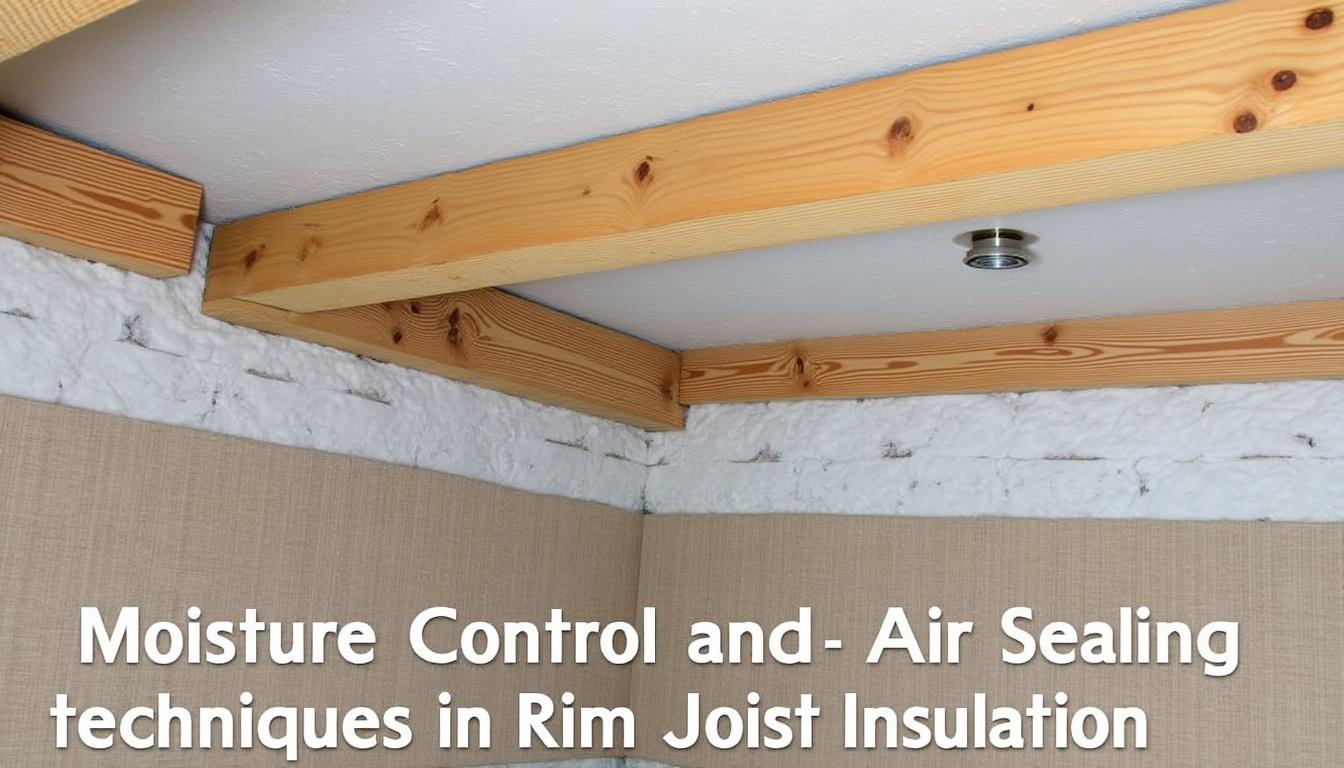
Successful rim joist insulation is not just about trapping heat but about controlling moisture and creating an effective air barrier. Moisture accumulation in rim joist cavities arises when warm indoor air passes through insulation materials that cannot resist vapor diffusion, then meets cold surfaces such as exterior sheathing or foundation. This condensation can lead to mold, mildew, and wood deterioration, compromising home durability and indoor air quality.
Sealing the rim joist with materials acting as a vapor retarder, such as closed-cell spray foam, minimizes moisture problems by reducing air movement and vapor penetration. When using foam boards or similar rigid insulation, it’s imperative to supplement with air sealing products like caulk or expanding foam to ensure a continuous barrier.
Contractors recommend a systematic approach beginning with sealing visible leaks and holes, followed by insulating the cavity and then applying a sealant over seams and edges for airtightness. This strategy fortifies the building envelope and prevents infiltration-related damages.
Beyond protecting the home, maintaining a dry and airtight rim joist cavity improves indoor comfort by reducing unpredictable drafts and cold spots. Homeowners can experience warmer floors in winter and a more consistent interior climate year-round.
Practical Tips and Best Practices for Homeowners and Contractors Insulating Rim Joists
Insulating rim joists efficiently requires careful planning and adherence to building standards to ensure lasting performance and cost-effectiveness. For homeowners considering a DIY approach, preparation is vital: all debris, dust, and existing damaged insulation must be removed to enable proper adhesion of seals and insulating materials.
When installing rigid foam boards, cutting the material to tight fits and sealing every edge with caulk or expanding foam will reduce air leakage. Patience during this stage pays off in the form of enhanced energy savings and moisture control. Professionals, meanwhile, often opt for spray foam insulation to combine air sealing and insulation in one step, though this method demands appropriate safety and ventilation measures.
Also, reviewing local building codes is recommended to comply with requirements for insulation R-values, fire safety, and moisture management. Many regions now recognize rim joist insulation as a crucial component of the thermal envelope under the International Energy Conservation Code (IECC), incentivizing or mandating its inclusion in new construction and major renovations.
For detailed step-by-step guidance and insights on avoiding common pitfalls, trusted sources like the expert blog on rim joist benefits provide valuable perspectives tailored to North American building conditions.
Understanding these nuances helps contractors and homeowners alike maximize the performance of rim joist insulation projects, improving energy efficiency, comfort, and durability effectively and sustainably.