
When it comes to maintaining an energy-efficient home, insulation plays a vital role. However, over time, insulation materials can deteriorate, become contaminated, or simply lose their effectiveness. In such cases, the need for insulation removal arises. Finding the best insulation removal services in your area ensures the job is done properly, safely, and with minimal disruption to your household. Homeowners across the U.S. are increasingly conscientious about choosing professionals who bring expertise, compliance with building codes, and environmentally responsible disposal methods to the table.
Locating reliable insulation removal near me handily involves understanding the types of insulation involved, the scope of removal work required, and the credentials of local contractors. Whether you are upgrading to spray foam insulation or addressing issues like mold, rodent damage, or asbestos contamination, professional insulation removal is essential to safeguarding your living environment.
In this article, we explore practical guidance on seeking expert home insulation removal services, evaluating the cost implications, safety standards, and how to distinguish trustworthy insulation removal companies that will deliver optimal results. We cover examples from residential and commercial contexts, shedding light on effective strategies for insulation extraction to enhance energy efficiency and indoor air quality.
Understanding how insulation removal integrates with remodeling or HVAC upgrades is crucial. For instance, removing old attic insulation before adding high-performance blow-in insulation can significantly boost HVAC efficiency, reducing energy bills substantially as seen in the Houston market. Similarly, removing compromised batt or cellulose insulation paves the way for advanced materials that perform better in temperature regulation and moisture control.
The following sections will equip you with valuable insights into finding professional insulation removal contractors, overview of insulation removal methods, safety practices, cost factors, and how to evaluate service quality—all crucial for making informed decisions and preserving your investment in home energy performance.
Key points to keep in mind when looking for insulation removal near you:
- Confirm contractor certification and experience with specific insulation types.
- Ensure safe insulation removal practices to avoid exposure to hazardous materials.
- Analyze cost estimates with attention to labor, disposal fees, and potential hidden charges.
- Look for comprehensive insulation removal services that also offer installation.
- Check references and customer reviews for service reliability and satisfaction.
- Verify compliance with local and national building codes and environmental regulations.
What Makes the Best Insulation Removal Services Near Me Stand Out?
Selecting the right insulation removal contractor can be the difference between a hassle-free, efficient process and a costly, unsafe experience. The best insulation removal providers distinguish themselves through specialized expertise, transparent pricing, and customer-oriented service.
Firstly, an experienced insulation removal company will have a proven track record handling various insulation types, from fiberglass and cellulose to rigid foam boards and problematic materials such as asbestos-containing insulation. Because some old insulation may harbor hazardous substances, proper identification and removal techniques are critical. Homeowners should seek contractors who follow guidelines outlined in industry standards and government regulations, ensuring the safe insulation removal process protects both workers and residents.
Secondly, premium service providers often combine removal and installation offerings, simplifying the process for the customer and guaranteeing compatibility between the extracted insulation and the new materials being applied. This « one-stop-shop » approach can save money and reduce project timelines. For example, integrating a blow-in insulation machine after removal aligns with expert recommendations found in analyses such as how a blow-in insulation machine improves home energy efficiency.
Another hallmark of top-tier contractors is the transparent communication on the cost of insulation removal. Costs vary widely based on insulation type, home size, contamination levels, and labor complexity. Insulation removal contractors who provide detailed, itemized quotes help homeowners avoid surprise expenses linked to disposal fees or remediation of underlying problems like mold or structural damage.
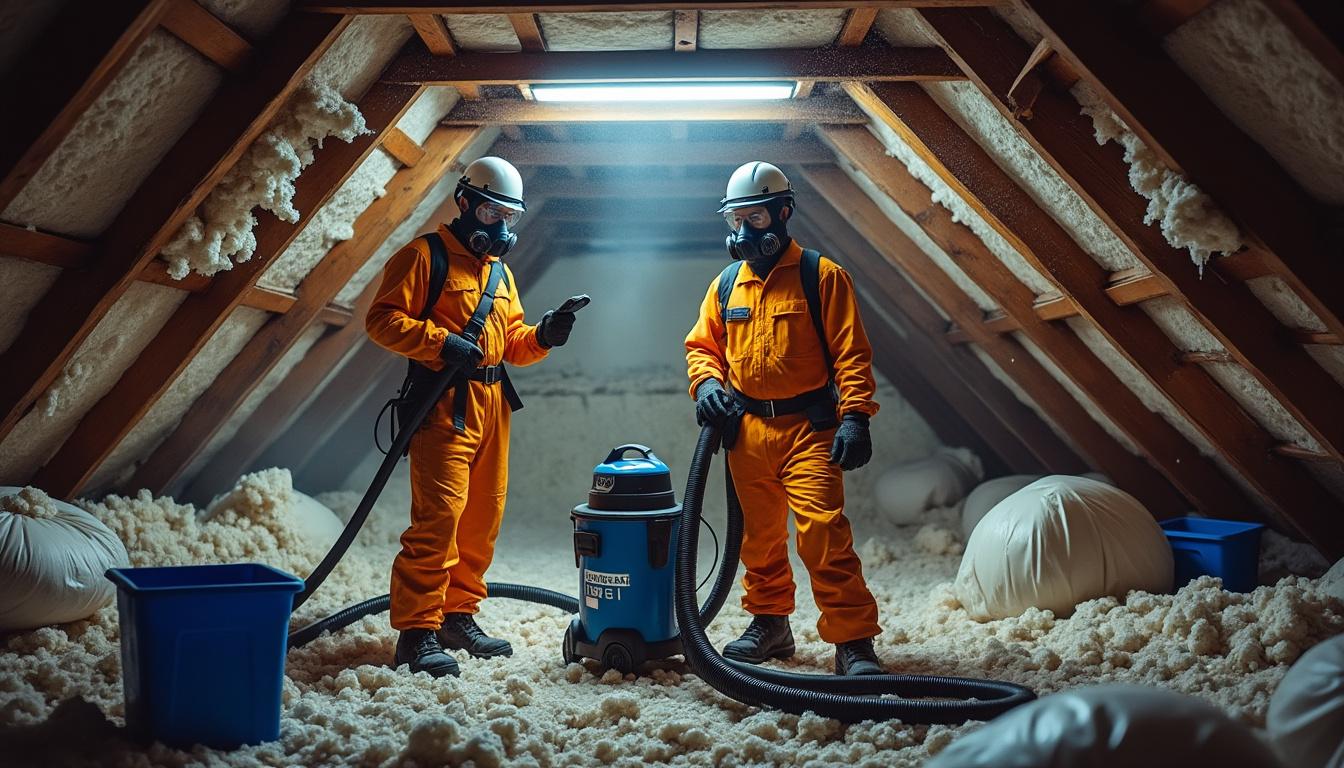
Furthermore, modern companies often use advanced equipment like insulation vacuums and HEPA-filtered containment to maintain indoor air quality during the removal process, a feature especially important when handling dusty fiberglass or deteriorated cellulose. Such equipment minimizes airborne particles, ensuring both efficiency and health safety.
Lastly, the best insulation removal professionals prioritize excellent customer experience, including responsiveness to inquiries, punctuality, and clear cleanup protocols after completion. Homeowners should ask for references and read reviews, like those found at reputable sites that focus on insulation contractors’ trustworthiness, to gain assurance of quality and reliability.
Understanding Different Insulation Removal Methods and Their Applications
Insulation removal is far from a one-size-fits-all process. The approach depends on the insulation material, condition, and location in the home. Common insulation types in U.S. homes include fiberglass batts, blown-in cellulose, rigid foam, and spray foam. Each demands specific removal techniques to preserve building integrity and ensure thorough extraction.
Fiberglass insulation removal often involves vacuum systems with HEPA filters or manual removal of batts in manageable sections. Fiberglass fibers can irritate skin, eyes, and lungs, so professionals wear insulated bib overalls and respiratory protection during removal. Such protective measures are critical and highlighted in guidance for essential protection when working in challenging environments.
Cellulose insulation, made from recycled paper products, tends to settle and compact over time. It’s often blown into walls or attics, requiring commercial-grade insulation vacuums that can handle its density and dust creation. The process must carefully remove cellulose to avoid leaving residues that could cause insulation inefficiencies. Efficient cellulose removal is key before installing new insulation layers for optimal home energy performance.
Spray foam insulation removal is by far the most challenging; it adheres firmly to surfaces and doesn’t come off in large sections. Specialized cutting and scraping tools are used, often necessitating contractors trained for this method. Because spray foam can seal gaps that prevent air leaks, removal needs to be done consciously to maintain the building’s air barrier and prevent structural damage. Knowing the cost implications of spray foam insulation removal can help homeowners budget realistically for this labor-intensive task.
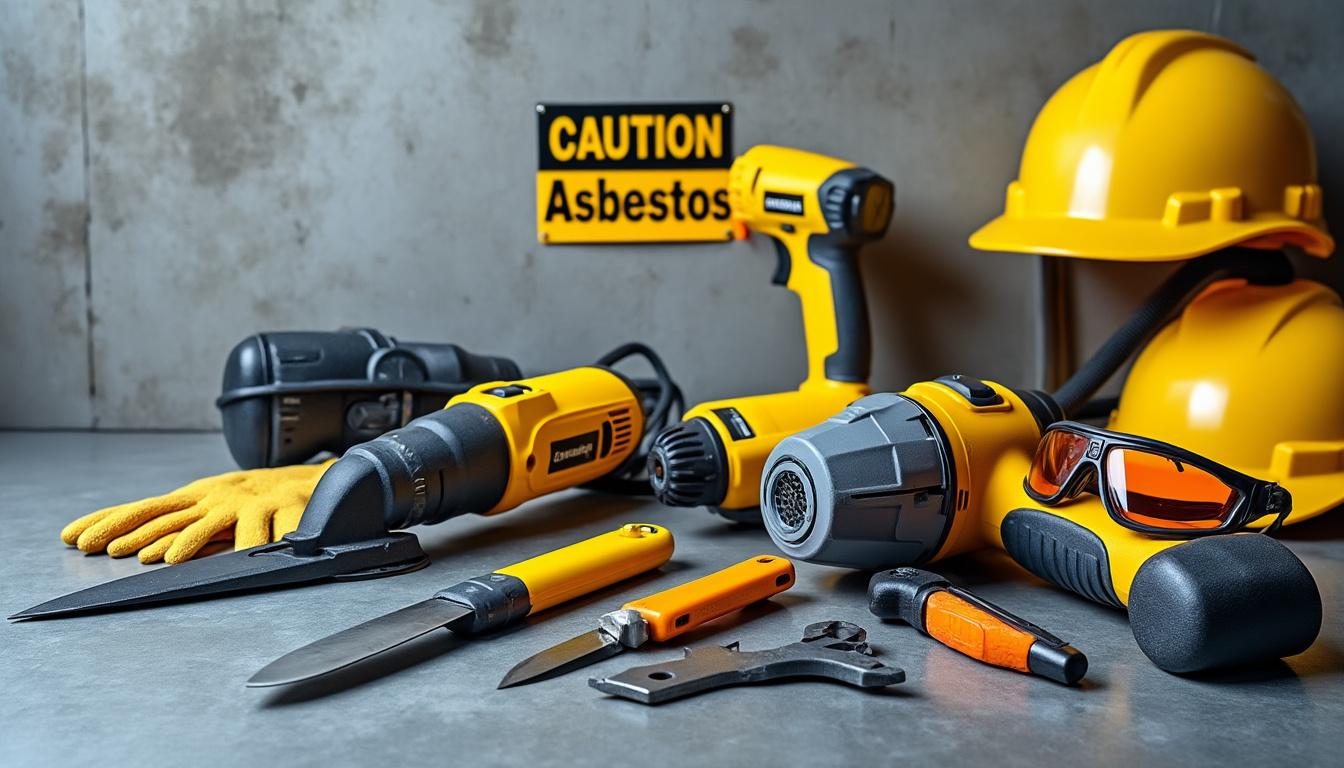
In cases where asbestos insulation is suspected, such as in certain older homes, professional insulation removal companies must follow strict abatement procedures. Identifying asbestos correctly and handling its removal safely preserves health and ensures regulatory compliance. Resources discussing how to identify asbestos insulation safely are vital for homeowners and contractors alike.
Below is a summary table illustrating common insulation types and typical removal techniques:
| Insulation Type | Removal Method | Safety Considerations | Typical Tools Used |
|---|---|---|---|
| Fiberglass Batt | Manual removal + vacuum cleanup | Wear protective gear (bib overalls, masks) | Gloves, insulation vacuums, HEPA filters |
| Blown-In Cellulose | Commercial vacuum extraction | Dust control, respiratory protection | Specialized insulation vacuums, containment sheets |
| Spray Foam | Cutting, scraping, chemical agents (in some cases) | Trained professionals recommended | Scrapers, saws, protective respirators |
| Asbestos Insulation | Licensed abatement following EPA guidelines | Strict containment, disposal regulations | HEPA respirators, containment barriers, certified tools |
The Importance of Safe Insulation Removal and Professional Standards
Safety is paramount when removing insulation—especially when the materials are older or damaged. Several hazards are associated with insulation removal: fiber irritation, exposure to airborne particles, mold spores, and harmful chemicals such as asbestos. Therefore, hiring a professional insulation removal company that abides by industry safety standards is crucial.
Professional insulation removal services deploy comprehensive risk assessments prior to work. This includes inspecting the material type, condition, and presence of contaminants. Proper containment setups—using plastic sheeting and negative air pressure machines—limit dust and debris from spreading throughout the home or workplace.
Additionally, workers wear personal protective equipment (PPE) like insulated bib overalls, gloves, respirators, and eye protection to minimize exposure. These garments also protect against thermal or chemical risks during removal. The use of insulated screwdrivers and other insulated tools may be necessary when removing insulation near electrical wiring to ensure workplace electrical safety.
Disposal of old insulation must adhere to local environmental regulations. Materials such as asbestos insulating board require disposal at licensed hazardous waste facilities, while clean fiberglass or cellulose may be recycled or taken to approved landfills. Authorized insulation removal contractors arrange all transport and disposal logistics, ensuring homeowners face minimal liability or contamination risk.
To illustrate the safety requirements and standards, here is a checklist that reliable insulation removal contractors follow:
- Conduct thorough site inspection and material sampling when needed.
- Use Containment barriers and negative air machines to prevent dust spread.
- Employ PPE such as respirators, gloves, bib overalls, and goggles.
- Follow proper disposal procedures based on insulation type.
- Comply with OSHA, EPA, and local building codes.
- Offer clear communication of risks and protocol to homeowners.
Choosing a contractor committed to these professional standards ensures safe and effective insulation removal while protecting your family and home environment.
Estimating the Cost of Insulation Removal and Maximizing Value
The cost of insulation removal can vary significantly depending on several factors. These include the type of insulation, the amount to be removed, the contamination or damage extent, accessibility of the insulation space, and regional labor rates.
On average, homeowners may expect to pay from $1,000 to $3,000 for insulation removal services in typical attics, with higher costs for large commercial projects or complicated situations involving asbestos or spray foam. For example, removing fiberglass batt insulation in an attic usually costs less than the labor-intensive removal of aged spray foam on irregular surfaces.
Homeowners looking for fairness and transparency should request multiple quotes from local insulation removal contractors, ensuring all charges like disposal and cleanup are included. Some companies provide bundled pricing for removal and new insulation installation, which can offer better value and reduce overall downtime.
Here’s a common breakdown of cost components:
- Labor: Time spent by professionals for removing insulation safely and effectively.
- Disposal: Fees for transporting and disposing of insulation waste, particularly hazardous materials.
- Preparation: Setting up containment and protective barriers prior to removal.
- Post-removal cleanup: Dust and debris cleanup plus air quality checks.
- Additional services: Remediation for mold, pest damage, or repairs needed behind insulation.
Understanding these elements helps homeowners budget wisely and negotiate effectively. Investing in professional removal may seem costly upfront but safeguards long-term energy efficiency and indoor air quality. Moreover, proper removal enables installation of advanced insulation like spray foam or dense-pack cellulose, drastically improving insulation performance.
Tips for Finding a Trustworthy Insulation Removal Company in Your Area
Discovering the best insulation removal and installation services nearby can be streamlined with a few strategic steps. Start by searching for “insulation removal near me” combined with your city or ZIP code. Prioritize companies licensed and insured to protect yourself from liability.
Check if potential contractors offer comprehensive services that cover inspection, removal, disposal, and new insulation installation. Integrated services reduce logistical complexity and help guarantee mutual compatibility between new and old insulation systems.
Review customer testimonials and ratings on trusted contractor review platforms. Reading unbiased feedback helps identify any red flags concerning punctuality, hidden charges, or quality of workmanship. It’s equally beneficial to ask for references, providing opportunities to hear firsthand about others’ experiences.
Ask detailed questions during consultations:
- What specific types of insulation have you removed recently?
- Can you provide proof of certifications or industry memberships?
- How do you manage dust control and safety protocols?
- What is your disposal method for old insulation?
- Do you provide a written estimate with all costs itemized?
- Are there warranties or guarantees on your removal and installation work?
Finally, look for contractors aligned with current industry best practices and energy-efficient building codes. Quality professionals are often aware of emerging trends like thermal imaging diagnostics and new insulation technologies, offering added value to your project.
For additional home efficiency tips related to insulation, consider exploring how upgrading your attic insulation can boost HVAC performance in your regional climate through resources like this informative guide on attic insulation advice from Houston experts: attic insulation advice to boost HVAC efficiency.