
An insulation piercing connector (IPC) has rapidly become a cornerstone in modern electrical connection practices, especially in the realm of low-voltage power distribution. Its distinctive ability to establish a secure cable connection without stripping wire insulation offers profound advantages in terms of installation benefits, electrical efficiency, and maintenance reliability. The clever engineering behind IPCs allows their sharp metallic piercing teeth to penetrate insulation layers seamlessly, forming highly stable connections while preserving the wire’s protective covering. This approach not only mitigates risks such as conductor damage or corrosion but also expedites installation processes in complex electrical networks. Whether employed in urban street lighting, overhead line branching, or telecommunications, IPCs optimize both performance and safety, becoming indispensable for contractors and utilities navigating increasingly demanding infrastructure requirements.
Key points at a glance:
- Wire piercing technology: Enables connection without insulation stripping, reducing labor and risk.
- Enhanced electrical efficiency: Low contact resistance ensures minimal power loss and stable connectivity.
- Time-saving installation: Simple tightening mechanisms allow quick and reliable connections.
- Durability and maintenance: Sealed designs improve longevity and reduce upkeep needs.
- Versatile applications: Suitable for various conductor types and complex wiring environments.
What Is an Insulation Piercing Connector and How Does It Revolutionize Electrical Connections?
At its core, an insulation piercing connector is an innovative electrical device engineered to create a secure junction between insulated cables without the prerequisite of stripping the wire’s protective layer. Unlike traditional terminal connections that demand meticulous insulation removal to expose copper or aluminum conductors, IPCs use meticulously crafted piercing blades to penetrate the insulation and electrically engage the conductor beneath. This technique offers a tremendous leap forward, reducing installation complexity and the potential for wiring errors.
The working principle of IPCs hinges on the precise design of their piercing teeth, often crafted from durable metals like tinned copper or aluminum alloys. These blades are sharp enough to cut through the cable’s insulation yet shaped to avoid damaging the metallic strands inside, ensuring a pure, low-resistance contact essential for electrical efficiency. When the connector’s torque-controlled nut is tightened, these blades puncture the insulation and embed securely into the conductor core, establishing a mechanical and electrical bond that remains intact even under environmental stress.
This method significantly lowers potential hazards. Typical wire-stripping processes can inadvertently nick conductors, leading to hotspots or premature corrosion. By avoiding direct conductor exposure, IPCs maintain insulation integrity, improving safety for installation professionals working on live circuits. Furthermore, the sealed design of the connector, incorporating waterproof gels or rubber gaskets, prevents moisture ingress, which is critical for sustaining long-term reliability in outdoor and industrial environments.
In real-world terms, contractors appreciate that using IPCs can drastically reduce installation time. The absence of wire-stripping means fewer steps and tools, lowering labor costs, while the shear-off feature in the torque nut guarantees consistent connection pressure, reducing risks of under or over-tightening. This precision is particularly beneficial in large-scale electrical infrastructure projects, where ensuring uniform quality among thousands of connections can be challenging.
For an in-depth overview of this technology’s mechanics and advantages, the detailed analyses by industry leaders such as those found on Jera Energy’s platform offer valuable insights.
Installation Benefits and Practical Application of Insulation Piercing Connectors in the U.S. Market
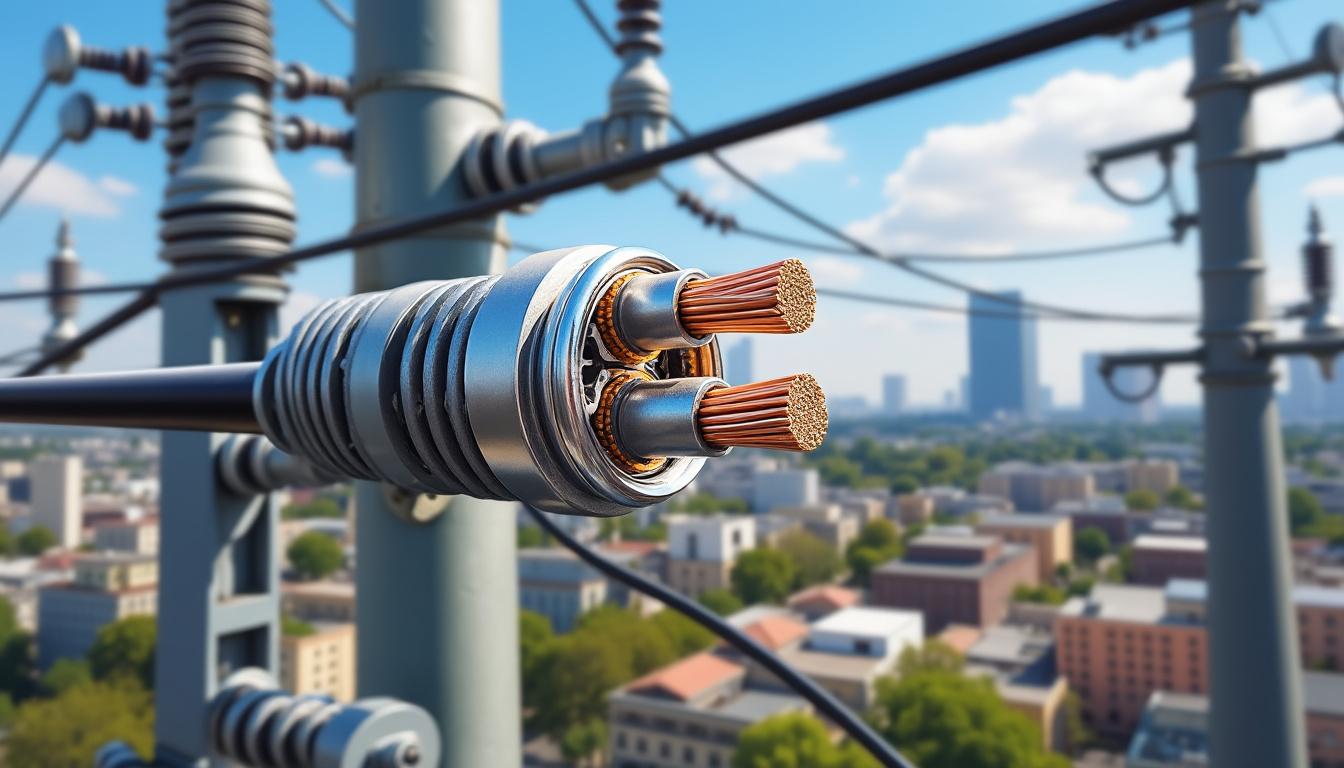
In 2026, U.S. electrical contractors and utilities increasingly rely on IPCs for their proven installation benefits. One of the standout advantages is the time-saving aspect. Installation workflows no longer require stripping, crimping, or soldering wires, which not only reduces the workforce’s skill demands but also accelerates project timelines considerably. This efficiency translates into reduced disruptions for homeowners and businesses during upgrades or repairs.
The installation steps for an IPC are straightforward yet engineered for reliability. After verifying conductor sizes and inserting both main and branch cables into their designated slots, the installer hand-tightens the nut, then uses a torque wrench to finish. Once the preset torque threshold is reached, the shear-off nut head detaches, signaling a secure connection with optimal contact pressure. This design prevents human error related to inconsistent torque, assuring uniform electrical efficiency across all installed connectors.
Less obvious but equally important is the improved safety standard enabled by IPCs. Since the connection does not expose the metallic conductor during installation, electricians face a diminished risk of electric shock. This feature is especially relevant for live-line work on overhead power systems or street lighting installations, reducing downtime and enhancing operational safety.
From a maintenance perspective, IPCs require minimal intervention. Their sealed housing and internal silicone grease or elastic gaskets provide lasting protection from moisture, salt spray, and corrosive industrial pollutants. This ensures that urban installations, coastal power lines, and renewable integration systems maintain consistent performance over years without costly repairs or replacements.
Across various applications, the adaptability of IPCs to different cable dimensions and types—copper, aluminum, or layered ribbon cables—means contractors can standardize their inventory, enabling faster project mobilization. For detailed case studies and a comprehensive look at IPC applications, resources like Epcomsol’s ultimate guide provide excellent material relevant to the U.S. market context.
Electrical Efficiency and Reliability: Why IPCs Yield Superior Performance
Ensuring high electrical efficiency in building and distribution systems is a primary concern for electricians and facility managers. IPCs contribute significantly by providing a connection characterized by exceptionally low contact resistance. This is due to the piercing teeth creating a direct, uninterrupted conductive path between wires, minimizing voltage drops and excessive heat generation, common issues in poorly made or aged connections.
The torque-controlled shear nut design guarantees consistent mechanical pressure, avoiding connection loosening due to vibrations or thermal expansion and contraction. This feature is particularly indispensable in environments subject to temperature fluctuations or mechanical stress, such as streetlight networks or overhead cable systems.
Moreover, the IPC design incorporates moisture barriers that prevent electrochemical corrosion, a common failure mode in electrical connections exposed to outdoor elements. By maintaining the integrity of the conductor at the piercing site and surrounding it with waterproof silicone greases or elastic sealing components, IPCs effectively inhibit oxidation, thus extending service life remarkably.
In urban power grids or industrial electrical installations, this translates into reduced downtime and maintenance costs, as connections remain stable and safe over long operational periods. A practical example can be seen in municipal street lighting programs where IPCs have substantially lowered failure rates compared to conventional connectors, corroborated by field performance data from top U.S. utilities.
Below is a summary comparison between traditional wire stripping connections and insulation piercing connectors regarding electrical efficiency and reliability:
| Feature | Traditional Wire-Stripping Connector | Insulation Piercing Connector (IPC) |
|---|---|---|
| Installation Time | Lengthy, requires stripping and crimping/soldering | Quick, no stripping required |
| Contact Resistance | Higher, risk of poor contact | Low, consistent pressure from shear nut |
| Electrical Efficiency | Susceptible to voltage drop and heating | Stable, minimal power loss |
| Maintenance Needs | Periodic checks and retightening | Minimal due to sealed connection |
| Durability under Environmental Stress | Moderate, risk of corrosion | High, waterproof and corrosion-resistant |
Such benefits explain why IPCs have become the preferred choice for many sectors requiring dependable power delivery and minimal operational interruptions.
Common Installation Mistakes and How to Avoid Them for Optimal IPC Performance
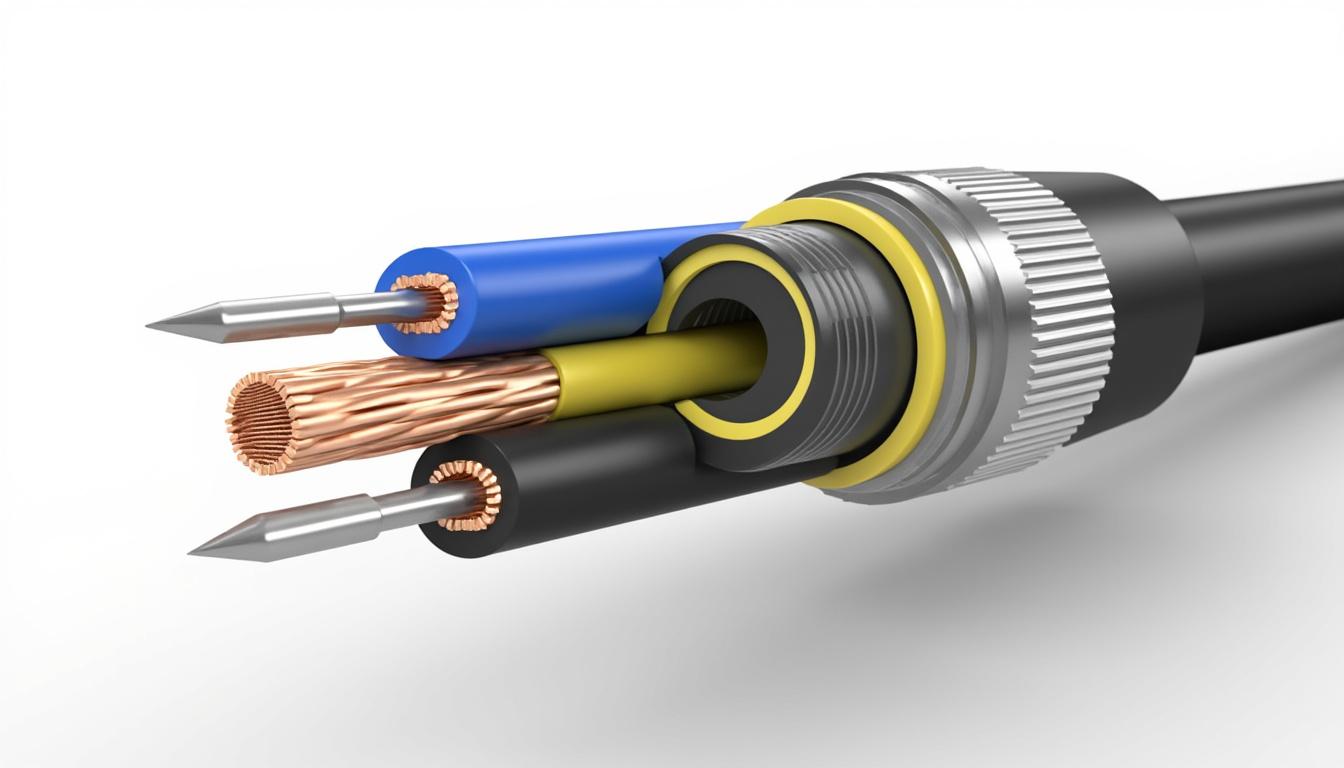
Despite their user-friendly design, incorrect installation of insulation piercing connectors can compromise performance. Awareness of common errors ensures that installers reap the maximum advantages of IPCs. The most frequent mistakes include:
- Improper conductor sizing: Using IPCs beyond their rated conductor size range can cause incomplete piercing or insufficient contact pressure, reducing reliability.
- Incomplete nut tightening: Failure to fully tighten the shear-off nut prevents proper blade penetration, resulting in a weak electrical connection prone to overheating.
- Reusing connectors: Most IPCs are single-use devices; attempting to loosen and reuse them can damage the blades and insulation, leading to failure.
- Neglecting inspection: Skipping post-installation visual and torque inspections may allow faulty connections to go unnoticed.
Mitigating these issues involves strict adherence to manufacturer installation protocols and using proper torque tools calibrated for the IPC model. Training technicians in these procedures has proven effective in field applications.
Another practical tip is to keep IPCs for specific wire gauges and conductor materials, as mixing these can affect the piercing mechanism’s effectiveness. For example, the tin-plated copper blades are designed to prevent electrolytic corrosion specifically with both copper and aluminum wires; using components out of specification compromises this protective feature.
Operators aiming to minimize faults can also benefit from post-installation testing, such as contact resistance checks and insulation resistance measurements, which validate the quality and reliability of the connection. These practices align with standards outlined in leading guides like those on Ridaelec’s essential guide, aiding compliance and quality assurance.
IPC Applications and Future Trends in Electrical Connectivity
From residential power distribution panels to large-scale commercial installations, insulation piercing connectors are integral to many facets of the electrical infrastructure. Their widespread adoption stems from their adaptability across various wire geometries, environments, and voltage levels. In 2026, IPCs are a standard fixture in:
- Overhead low-voltage distribution networks: For branching and tapping in aerial bundled cable (ABC) systems, enabling rapid deployment and repair work.
- Street lighting and urban infrastructure: Their sealed, weatherproof design ensures long-term reliability in outdoor conditions exposed to moisture and pollution.
- Communication networks: Facilitating stable wire-to-wire connections in fiber optics and telecommunication cable terminations.
- Automotive and industrial applications: IPC technology aids in electronics wiring where space constraints and safety are paramount.
- Renewable energy systems: Increasingly used in solar and wind installations for secure branch connections.
Looking forward, the evolution of IPC technology will likely focus on optimizing materials to enhance environmental resistance, further reducing installation time by integrating smart torque indicators, and expanding capability for higher voltage applications. Innovations in sealing compounds and corrosion-resistant metals promise to address challenges posed by increasingly harsh environments associated with industrial and coastal applications.
These advancements underscore the importance of insulation piercing connectors in modern and future electrical network reliability and efficiency. Their role in streamlining installation while safeguarding electrical performance positions IPCs as essential components in the sustainable infrastructure landscape.