
Achieving optimal home energy efficiency remains a top priority for homeowners and builders in the United States, especially as energy costs and sustainability concerns escalate in 2026. Among various insulation options, R30 insulation stands out as a significant contributor to improving a home’s thermal resistance, reducing energy consumption, and enhancing overall comfort. In the quest for effective energy conservation, understanding the distinct advantages of R30 insulation can empower property owners to make informed decisions that blend cost-effectiveness with eco-friendly benefits. This insulation has become a cornerstone in sustainable building practices, tailored to meet the demands of both new constructions and retrofit projects.
In today’s climate-conscious market, investing in R30 insulation means more than just adding bulk to a home’s construction. It translates into smarter thermal management that directly impacts heating and cooling costs, which often represent the largest portion of residential energy use. By slowing conductive and convective heat flows, R30 insulation plays a crucial role in stabilizing indoor temperatures throughout the year. This leads not only to substantial energy savings but also to improved indoor air quality and enhanced home comfort. Understanding how R30 insulation interfaces with home architecture and local climate zones is essential for maximizing its benefits.
How R30 Insulation Enhances Thermal Resistance for Energy Savings
Thermal resistance, commonly referred to as R-value, measures an insulation material’s ability to resist heat flow. The higher the R-value, the greater the material’s effectiveness in blocking heat transfer. R30 denotes an insulation rating where the material offers resistance equivalent to 30 units, providing a robust thermal barrier suitable for various parts of a home, especially attics and walls in moderate to colder climates.
By increasing thermal resistance, R30 insulation reduces the demand on heating and cooling systems. Heat tends to move from warmer to cooler spaces until equilibrium is reached, meaning in winter, warmth escapes from heated interiors to the colder outdoors, and in summer, hot air infiltrates cooled indoor spaces. A properly installed R30 insulation layer significantly minimizes this heat exchange, resulting in energy conservation and cost-effective operation of HVAC systems. For instance, installing R30 insulation in an attic can yield measurable reductions in yearly energy bills, often offsetting the initial installation expense within a few years.
The effectiveness of insulation depends not only on its R-value but also on how and where it is installed. Compressing insulation or leaving gaps can create thermal bridges, where heat bypasses the insulating layer via framing structures like studs and joists. Ensuring continuous and correctly installed R30 insulation prevents these leaks and helps achieve its maximum rated performance. Homeowners may also consider combining R30 insulation with air sealing and moisture control measures, further enhancing home comfort and reducing energy waste.
To understand more about the practical applications and advantages of R30 insulation, the website explores various uses of R30 insulation, outlining scenarios where this rating maximizes efficiency results. Likewise, resources such as WeatherFoam provide detailed insights into the thickness and installation methods suitable for R30 insulation, helping homeowners and contractors make choices tailored to local environmental conditions.
The Role of R30 Insulation in Different Home Areas for Optimized Energy Efficiency
R30 insulation is not limited to a single area of residential construction. It can be employed in multiple zones within a home to maximize heat retention and energy savings:
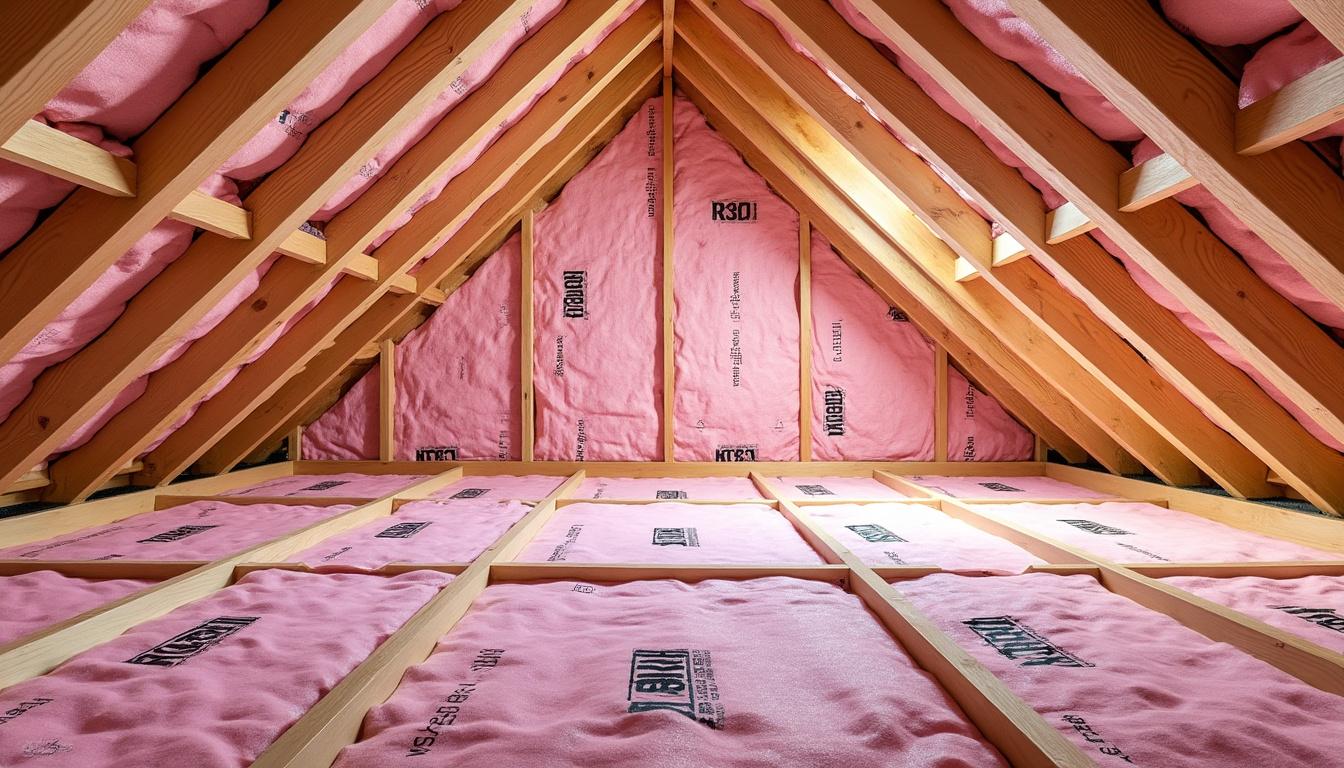
- Attics: One of the most common places for R30 insulation is the attic. Since heat rises, inadequately insulated attics can lead to significant energy losses. Applying R30 in the attic floor or ceiling area reduces unwanted heat transfer and improves overall thermal regulation.
- Walls: For exterior walls, especially in colder climate zones, R30 insulation or its equivalent combination significantly enhances thermal resistance. Techniques such as blown-in insulation behind siding or adding continuous insulation siding help improve energy conservation.
- Crawl Spaces and Basements: Adding insulation rated around R30 in these areas, especially on walls and rim joists, can prevent cold drafts and heat loss from lower levels, contributing to a more balanced indoor temperature throughout the house.
Each area requires specific installation methods to harness the full potential of R30 insulation. For instance, a study of attic insulation choices between R30 and R60 points out that while R60 offers higher resistance, R30 often provides a balanced return on investment in many U.S. climate zones, striking an optimal compromise between cost and energy benefits. This is thoroughly discussed at Engineer Fix’s attic insulation comparison guide.
Applying the right thickness corresponding to an R30 rating is crucial. For fiberglass insulation, this typically means about 9 to 11 inches of material, while spray foam or cellulose might vary slightly in thickness but still aim for the equivalent R-value. Understanding these nuances allows for better planning and implementation, especially when upgrading existing homes or constructing new ones.
Installation Practices and Their Impact on Insulation Performance
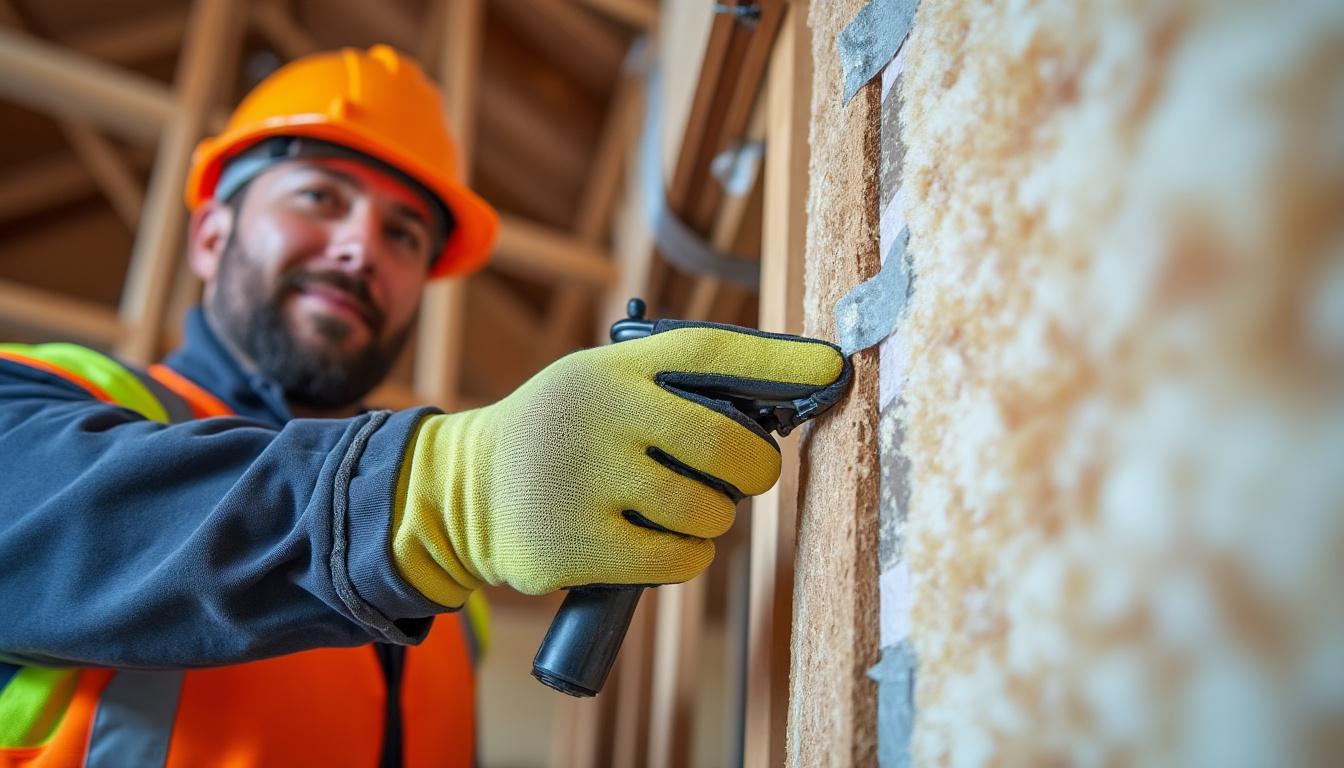
Ensuring that R30 insulation performs as expected requires attention to detail in installation. Compressing batt insulation, for example, reduces its effective R-value, undermining energy savings. Likewise, leaving voids or gaps between insulation layers or framing elements promotes convective heat flows, which insulation aims to limit.
A professional approach often integrates multiple layers and types of insulation material to enhance thermal resistance and air sealing. For example, placing R30 insulation in cavities combined with continuous foam insulation on exterior walls creates a multi-barrier system reducing thermal bridging. This plays directly into enhancing home comfort and lowering heating and cooling costs effectively.
Continuous learning about insulation innovations and methods is essential. The increasing popularity of eco-friendly materials and new building codes reinforce the importance of precise installation for maximizing returns on home energy efficiency investments.
Financial and Environmental Benefits of R30 Insulation for Modern Homes
From a homeowner’s perspective, the upfront cost of R30 insulation installation can prompt questions about return on investment. However, when looking at long-term benefits, the case for R30 insulation becomes compelling. Efficient insulation minimizes the need for constant HVAC operation, translating into significant energy savings over the insulation’s lifetime.
Moreover, better thermal resistance reduces wear and tear on HVAC equipment, leading to fewer repairs and replacements. These savings are compounded by incentives available in many U.S. states for improving home energy efficiency, including tax credits and utility rebates, making R30 insulation more attainable and appealing.
Beyond cost savings, there are substantial environmental advantages. By conserving energy, homes equipped with R30 insulation help reduce greenhouse gas emissions linked to fossil fuel consumption. This aligns with growing government policies and consumer expectations promoting sustainability and eco-friendly construction.
Comparing insulation options, R30 stands out as a balance between performance and cost-effectiveness, especially in areas with pronounced seasonal temperature swings. Homeowners interested in exploring the full range of financial and ecological impacts can refer to resources like the Department of Energy’s energy-saving insulation guide, which collates cost, savings, and environmental data comprehensively.
Tailoring R30 Insulation for Regional Climate Zones and Building Codes
Across the United States, climate zones dictate the appropriate levels of insulation needed to achieve optimal energy savings and comfort. For example, colder regions like Northern states or mountainous areas often require R30 insulation or higher in wall assemblies and attics, while warmer southern zones may rely more on radiant barriers combined with moderate R-values.
The International Energy Conservation Code (IECC) of 2021 provides detailed tables and guidance on insulation R-values by climate zone, accounting for factors such as home design, HVAC system type, and energy conservation goals. In many zones, adding R30 insulation as part of a multi-layer system meets or exceeds code requirements, providing added peace of mind to homeowners and builders.
| Climate Zone | Recommended Attic Insulation R-Value | Wall Insulation R-Value | Basement/Crawlspace Wall R-Value |
|---|---|---|---|
| Zone 1 (Warm, Humid) | R30 – R49 | R13 | R5 – R10 |
| Zone 4 (Mixed) | R49 – R60 | R20 + Continuous Insulation | R10 – R15 |
| Zone 6 (Cold) | R60 | R30 | R15 – R19 |
| Zone 8 (Very Cold) | R60 | R20 + Continuous Insulation | R15 – R19 |
Homeowners upgrading existing walls, especially uninsulated wood-frame walls, should consider blowing insulation into cavities and adding continuous insulation sheathing to meet these recommended values. This process is not just a matter of thermal resistance but also addresses air infiltration and moisture issues, which are critical to maintaining home comfort and preventing future damage.
Local insulation contractors play a vital role in assessing insulation needs based on climate zone and home layout. Consulting with professionals ensures that R30 insulation installations comply with code, optimize energy savings, and promote healthy indoor environments. For additional guidance, Engineer Fix’s detailed explanation of R30 insulation applications provides practical advice for homeowners and renovators.
Selecting the Right Materials and Combining Strategies for Effective R30 Insulation
A variety of insulation materials are compatible with the R30 standard, each bringing unique advantages. Common types include fiberglass batts, spray foam, cellulose blow-in, and rigid foam boards. The choice depends on installation location, budget, preferred eco-friendliness, and desired lifespan.
Fiberglass remains a popular choice due to its balance of cost-effectiveness and reliable R-value. Spray foam insulation offers superior air sealing and higher R-value per inch, making it ideal for tight spaces and complex wall constructions. Cellulose, often sourced from recycled paper, provides a more eco-friendly alternative while still achieving R30 performance when densely packed.
To maximize the benefits of R30 insulation, homeowners can combine traditional insulation with radiant barriers in warmer climates, reflecting heat away to reduce cooling loads. While radiant barriers don’t contribute an R-value, they complement thermal insulation by mitigating radiant heat transfer effectively.
Combining materials also allows tuning an insulation system for better durability and moisture resistance, critical for maintaining performance over time. The complexity of installation, however, may require professional contractors to deliver precise layering, air sealing, and vapor barriers.
- Evaluate climate and area of installation.
- Choose the insulation type matching your budget and eco-friendly goals.
- Consider combining insulation types for enhanced performance.
- Pay attention to air sealing and moisture control for long-lasting energy savings.
- Consult professionals for complex installations to ensure compliance and efficiency.