
When tackling insulation projects, the choice of tape can make a significant difference in the overall success and longevity of your work. Insulation tapes are not just sticky strips—they are critical components that enhance energy efficiency, safeguard moisture barriers, and prolong the lifespan of HVAC systems, pipes, and crawlspaces. Selecting the right tape means balancing factors like adhesive strength, temperature resistance, and compatibility with various building materials. Whether you’re sealing HVAC ducts, applying vapor barriers in a crawlspace, or wrapping pipes for thermal protection, understanding the distinct features and applications of insulation tapes helps ensure your project’s reliability and effectiveness.
In the evolving construction and renovation landscape of 2026, insulation tapes have become more sophisticated. Manufacturers now offer products engineered for specific tasks, such as high-temperature tolerance or UV resistance, addressing the diverse needs in residential and commercial projects. Options vary from aluminum foil tapes designed for HVAC systems to high-adhesion foam tapes ideal for insulating exposed piping. This diversity means the wrong tape choice could compromise your insulation system, leading to air leaks, moisture damage, or increased energy bills. With expert guidance and a clear understanding of the tape types and their properties, homeowners and contractors alike can make informed decisions that align with building codes and project goals.
For practical insights and detailed technical advice on selecting premium insulation tapes, resources such as experts in insulation tape recommendations provide valuable industry perspectives. Embracing the right tape not only optimizes thermal performance but also contributes to sustainable building practices by minimizing waste and rework.
- Insulation tapes improve energy efficiency and moisture control across HVAC systems, vapor barriers, and pipe wraps.
- Different tapes are engineered for diverse applications, requiring attention to factors like temperature range and material adhesion.
- Choosing tapes with proper UV resistance and durability ensures long-term sealing, especially in outdoor or moisture-prone environments.
- Ease of application, including tearability and flexibility, helps reduce labor time and installation errors.
- Matching tape types to your project’s specific needs ensures compliance with U.S. insulation codes and optimal system performance.
Understanding Different Types of Insulation Tapes and Their Applications
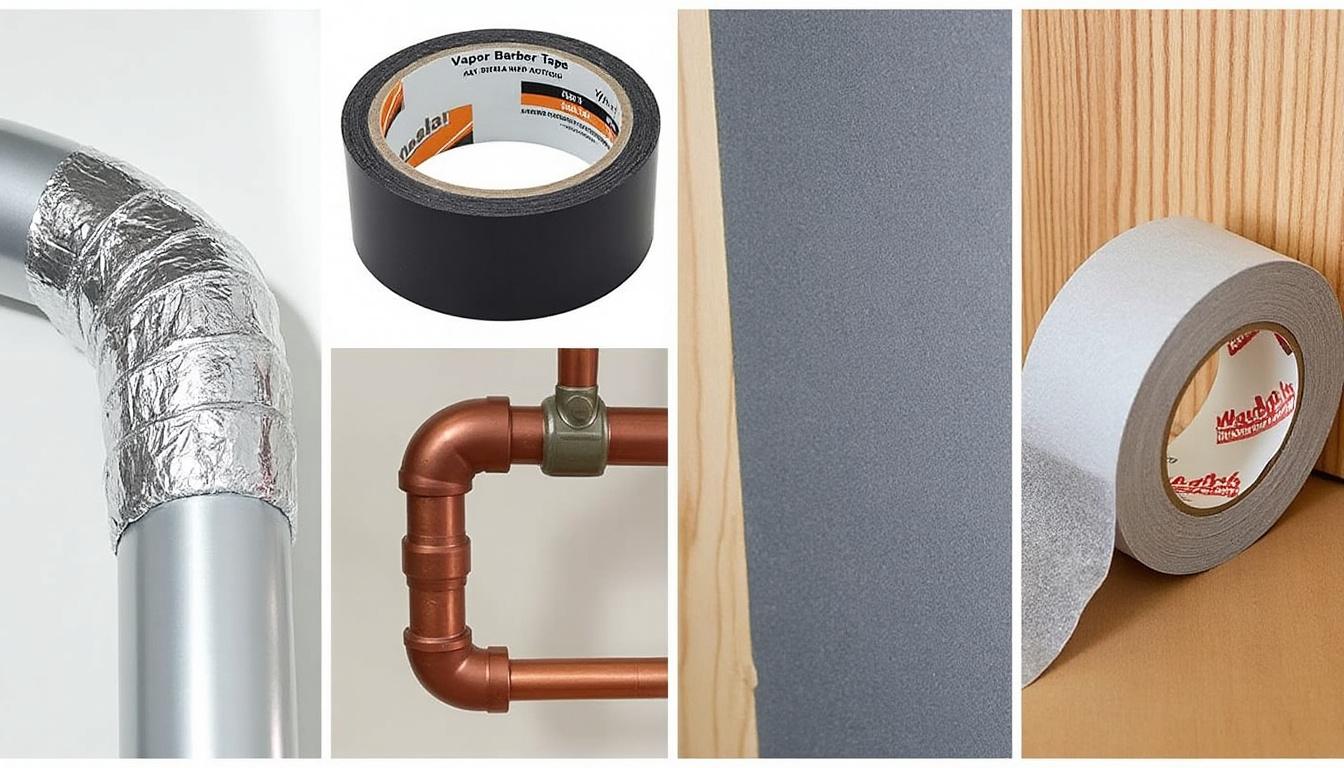
Insulation tapes come in a variety of materials and formulations, each tailored to distinct applications in the building industry. A foundational step in any insulation project is identifying the correct type of tape, as this affects not only adhesion and durability but also the overall thermal and moisture barrier integrity.
Aluminum Foil Tapes: The Staple for HVAC and Ductwork
Aluminum foil tape, such as the Romeda Aluminum Foil Tape, is a popular choice for sealing HVAC ducts and dryer vents due to its reflective surface and heat resistance. With a thickness around 3.9 mil and an adhesive designed to endure temperatures up to 120°C long-term, it provides a robust seal that withstands temperature fluctuations and exposure to moisture.
Its foil base serves as an excellent radiant heat reflector, reducing energy loss in duct systems. The moderate thickness ensures the tape can conform to curved and irregular ductwork without wrinkling excessively. As an example, a contractor working on a commercial retrofit found this tape invaluable for sealing newly insulated ventilation ducts, significantly improving airflow control and reducing energy waste during peak summer loads.
Vapor Barrier Tapes: Essential for Moisture Control in Crawlspaces and Foundations
Vapor barrier tapes are thicker and often coated for UV resistance, designed specifically to seal plastic vapor barriers and crawlspace encapsulations. Products like TapeManBlue’s Vapor Barrier Tape and BlueTex Insulation’s 3-Inch Vapor Barrier Tape excel in maintaining strong seals against moisture intrusion in challenging environments.
Their ability to resist degradation under sunlight and damp conditions means they maintain essential vapor barrier continuity, preventing mold growth and structural damage. For instance, a property investor in the Northeast utilized these tapes to seal the seams of a crawlspace moisture barrier, resulting in noticeably drier indoor air and lower heating costs during cold months.
Foam Pipe Insulation Tape: Flexible Protection for Pipes and Outdoor Lines
Insulating pipes, especially those exposed to temperature swings, benefits from tapes like the XFasten Foam Pipe Insulation Tape. This tape combines exceptional adhesive strength capable of withstanding tensile stresses of up to 100 lbs/in, low thermal conductivity to reduce heat loss, and flexibility that allows it to stretch over bends and irregular pipe shapes.
Its durability in outdoor conditions makes it a favored choice for plumbing professionals insulating exposed lines in unheated garages or outdoor HVAC components. For homeowners, applying such tape can prevent costly pipe freeze incidents in northern climates, enhancing energy savings and equipment longevity.
Seam Tapes for Insulation Joints: Ensuring a Tight, Invisible Seal
In projects requiring well-sealed seams, such as insulation wall assemblies or vapor barriers, clear acrylic adhesive tapes like SIKA SikaSeal-148 play a vital role. Their transparency enables installers to align seams precisely while providing a high tensile strength seal that resists mold and moisture for extended periods, including outdoor exposure up to six months.
Builders retrofit exterior sheathing with this tape to maintain airtightness without leaving visible marks, pleasing clients who desire clean aesthetics alongside performance. Additionally, professional contractors rely on such tape to meet tight building envelope requirements under modern U.S. energy codes.
Key Factors to Consider When Choosing Insulation Tapes for Your Project
Choosing the best insulation tape revolves around assessing numerous criteria to match your project’s unique demands. From tensile strength to environmental exposure, these factors govern the tape’s effectiveness in sealing and protecting insulation systems.
Adhesive Strength and Surface Compatibility
Strong adhesive strength ensures tapes maintain their seal in varied conditions, including dusty, damp, or textured surfaces common on ducts, walls, and crawlspaces. Pressure-sensitive adhesives with rubber or acrylic bases offer robust bonds. Rubber adhesives tend to provide superior initial tack, while acrylic adhesives excel in UV and moisture resistance, critical for outdoor applications.
For example, a HVAC contractor highlighted the difference in job quality when upgrading from generic tape to one with premium adhesive. The improved adhesion minimized edge lifting on metal ducts, eliminating energy losses and return visit costs. Knowing your surface type—whether metallic, plastic, or fibrous insulation—is essential for tape selection.
Temperature Resistance and Thermal Performance
Temperature tolerance is crucial not only for durability but also for safety and compliance. Tapes used in HVAC or piping often face temperature variations from freezing winter conditions to hot summer peaks. Aluminum foil tapes handle up to 120°C long-term, while silicone rubber-based tapes and fiberglass-based options can endure temperatures exceeding 260°C or more.
Consider industrial or automotive applications where heat-resistant silicone tapes are preferred for wrapping exhausts or heater lines. Selecting tapes with an appropriate temperature rating prevents adhesive failure and maintains the integrity of electrical insulation and thermal sealing.
Material Thickness, Flexibility, and Ease of Installation
Tape thickness impacts durability and flexibility. Thicker tapes (around 9 mil) excel in moisture-barrier roles but may lack ease when conforming to intricate shapes. Moderate thickness (such as 3.9 mil aluminum foil tapes) balances the strength-flexibility equation, suitable for curved HVAC ducts.
Ease of installation also matters for labor efficiency. Tapes that tear cleanly by hand without wrinkles save time and reduce waste. Applicators dealing with crawlspaces or overhead duct runs benefit from tapes engineered for fast, one-person installation.
UV and Weather Resistance
Exposure to sunlight and moisture in outdoor or semi-exposed environments demands tapes that resist UV degradation and maintain adhesion over time. Vapor barrier tapes and pipe insulation tapes are often coated or formulated to endure these elements.
For instance, sealing crawlspace vapor barriers in humid or sunlit locations without UV-resistant tape might result in early tape failure and moisture infiltration. Always verify the tape’s stated UV resistance if your application includes exterior-facing surfaces.
| Factor | Key Considerations | Impact on Project |
|---|---|---|
| Adhesive Strength | Type of adhesive (rubber, acrylic), surface compatibility | Longevity of seal, resistance to peeling and moisture |
| Temperature Resistance | Operating range, max heat tolerance | Safety, performance in HVAC and thermal wrap applications |
| Material Thickness | Tear resistance, flexibility | Ease of application, durability in moisture-prone areas |
| UV and Moisture Resistance | Coatings, formulation | Prevents adhesive degradation and maintains vapor barrier |
| Ease of Installation | Tearability, conformability, hand-tear design | Reduces labor time and installation errors |
For a comprehensive overview of various tapes and their performance attributes, consult this detailed guide on best insulation tape to match your project’s unique demands.
The Role of Insulation Tape in Electrical Insulation and Safety Compliance
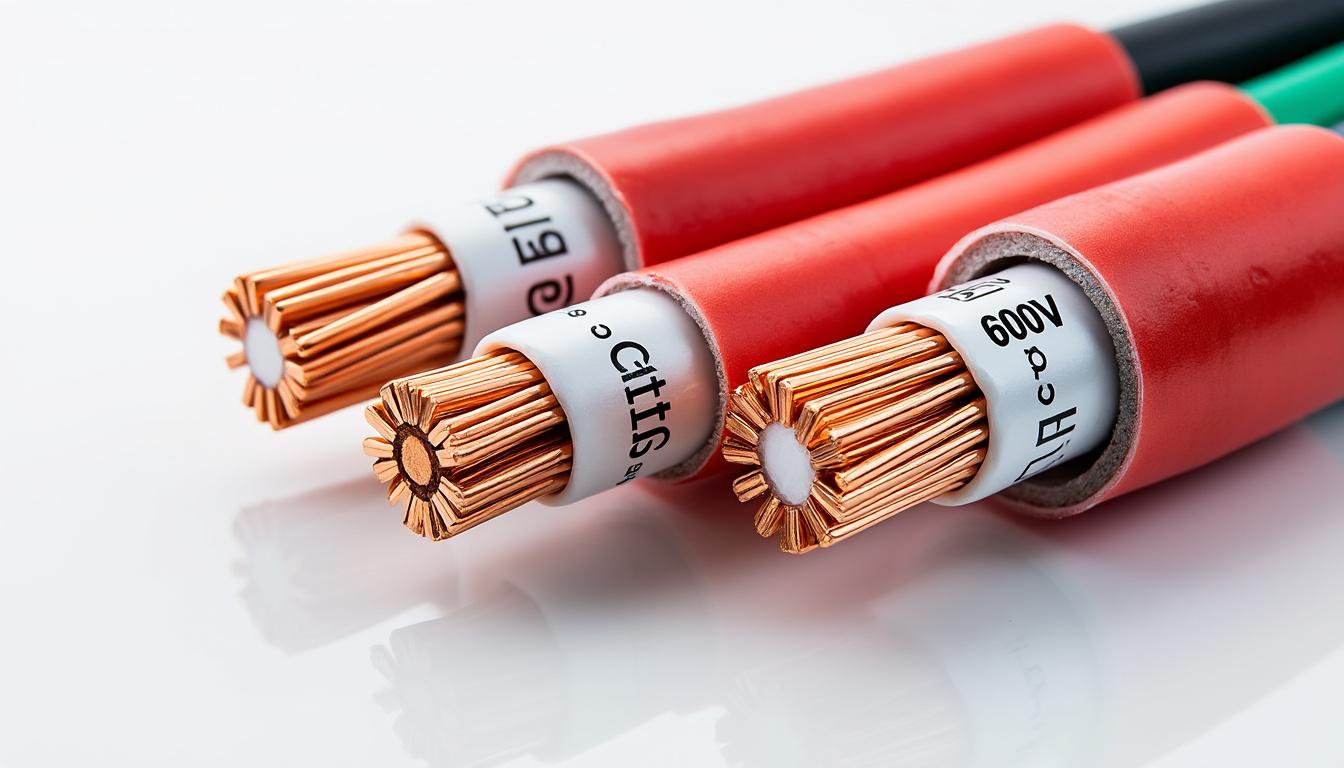
Besides thermal applications, insulation tapes are vital for electrical wiring and high-voltage systems. Electrical insulation tape, typically made from vinyl, acts as a protective layer around wires and connectors, preventing short circuits and electrical shocks.
Properties of Electrical Insulation Tapes
These tapes boast features like high dielectric strength (often rated up to 600 volts or more), flame retardancy, and flexibility for conforming to wire bundles. Their adhesive must resist cracking and drying, especially in varied climates. The tape’s material type directly affects performance; PVC vinyl tapes dominate indoor wiring projects due to cost-effectiveness and ease of use, while silicone and fiberglass variants serve high-temperature industrial needs.
Ensuring Compliance with Codes and Standards
Proper use of insulation tape in electrical projects is governed by standards such as the National Electrical Code (NEC) in the U.S., which requires tapes to be UL-listed and suitable for the system voltage. For instance, when a builder wraps newly installed circuits, using a tape without certification may void inspections or create safety hazards.
Electrical insulation also plays a critical role in renewable energy installations like solar panel arrays and EV charging stations, where specialized tapes accommodate environmental stressors. To learn more about how insulation tape functions in protecting electrical systems, see this authoritative explanation of insulation tape’s mechanisms.
Practical Tips for Purchasing and Applying Insulation Tape in Your Construction Projects
Purchasing the right insulation tape is more than picking the cheapest option; it involves evaluating the product quality, certifications, and supplier reliability. Trusted brands like 3M, SIKA, and Romeda offer consistent quality that reduces project risks and rework.
Where to Source Quality Insulation Tapes
Authorized distributors and reputable retailers such as Home Depot, Grainger, or direct manufacturer channels provide verified products ensuring compliance with performance specifications. Contractors handling bulk purchases may negotiate discounts but should always test sample reels before final acquisition to confirm quality.
Installation Best Practices
Proper installation enhances the tape’s lifespan and effectiveness. Wrap tape under slight tension with a 50% overlap to maintain a continuous seal. Clean and dry surfaces improve adhesion dramatically. Avoid air bubbles or wrinkles, as they can compromise the seal’s integrity over time.
In electrical applications, always de-energize circuits before applying tape and never use conductive tapes like aluminum foil near live wires. For moisture barriers, double layering may be necessary in high-humidity conditions to ensure a watertight seal.
Maintenance and Replacement Considerations
Inspect taped areas periodically, especially in demanding environments like outdoor ductwork or crawlspaces. Replace tapes showing signs of brittleness, peeling, or discoloration to avoid failure. Proper storage of unused tape in a cool, dry area extends its shelf life.
- Select tapes with relevant certifications to meet local codes and project requirements.
- Use tapes designed for your specific substrate and environmental conditions.
- Invest in thicker, UV-resistant tapes for outdoor and moisture-prone applications.
- Practice careful surface preparation before taping to maximize adhesion.
- Keep spare rolls on site to address unforeseen damages or rework promptly.
For professional advice on effective sealing of insulation seams, consider the insights offered by specialized insulation seam tape resources tailored to U.S. construction conditions.