
Choosing the right spray foam insulation kit for a 1000 sq ft area can be a game-changer for improving energy efficiency and comfort in your home or commercial space. Insulation plays a crucial role in regulating indoor temperatures, reducing energy bills, and enhancing soundproofing. However, with a wide range of spray foam types, sizes, and formulations available in 2026, finding the best spray foam kit tailored to your needs requires thoughtful consideration. Beyond just coverage area, factors like the kit’s R-value, application methods, included accessories, and safety equipment also play key roles in determining the effectiveness and ease of your DIY insulation project. Whether you’re sealing attic gaps, insulating basement walls, or tackling a crawl space, a carefully chosen spray foam kit ensures long-lasting performance and a cost-effective insulation upgrade.
For contractors and homeowners alike, spray foam insulation kits offer versatility unmatched by traditional batt or blown-in insulation. With options ranging from quick expanding foams for small cracks to high-density closed-cell systems suitable for larger surfaces, the market presents distinct advantages for different project scopes. Additionally, applying insulation yourself can greatly reduce the labor cost, but it requires understanding the nuances of each kit, from the chemical properties to the temperature application range. This article dives into the top considerations and highlights some of the best options available today to empower you to make an informed choice that meets both your project size and insulation goals.
In brief:
- Selecting the optimal spray foam insulation kit for 1000 sq ft depends on coverage, R-value, and application ease.
- Closed-cell foams offer superior air sealing and moisture resistance, ideal for damp or structural insulation needs.
- Temperature range and safety gear included in the kit significantly impact installation success and user protection.
- Cost-effectiveness should be evaluated per sq ft coverage, including additional expenses like PPE and cleaning.
- Proper application techniques and tool quality are essential to maximize foam expansion and adhesion.
Understanding Spray Foam Types and Their Suitability for 1000 Sq Ft Insulation Projects
When considering insulation kits for a 1000 sq ft project, it’s essential to understand the types of spray foam insulation available and their distinct characteristics. Spray foam insulation broadly falls into two categories: open-cell and closed-cell foams. Open-cell foam is lighter and more flexible, typically having an R-value around 3.5 to 4 per inch. It expands significantly, filling gaps and cracks, but it lacks strong moisture resistance and is less dense compared to closed-cell variants. This makes open-cell foam a good choice for interior soundproofing or areas not prone to moisture intrusion.
Conversely, closed-cell spray foam is dense and rigid, boasting an R-value between 6 and 7 per inch, which translates to better overall thermal insulation within a thinner layer. Its closed structure also acts as a vapor barrier, making it ideal for places vulnerable to moisture, such as basements, crawl spaces, and exterior walls. Its structural integrity increases wall strength and durability, which is why many contractors prefer closed-cell foam for energy-efficient and long-lasting insulation.
Kits specifically designed for 1000 sq ft often come with enough foam to cover the area at a recommended 1-inch thickness. However, installation may vary based on the application method, which includes spray guns or aerosol cans, and whether the foam is designed for quick expansion or slow rise to ensure better surface adherence. For example, VersiFoam’s range of closed-cell kits offers varying coverage sizes and flame retardant formulas to meet commercial codes while ensuring proper vapor control.
It’s crucial for homeowners and DIY contractors to align the spray foam type with their specific insulation goals and building code requirements. A 1000 sq ft attic insulation project benefits most from closed-cell foam to prevent air leaks and moisture build-up, while interior wall insulation that prioritizes soundproofing might lean toward open-cell options. Considering environmental aspects, closed-cell foams with low Global Warming Potential (GWP) are increasingly preferred for their green certifications and compliance with evolving U.S. energy standards.
Across the U.S. market in 2026, spray foam types also vary in their flame retardant capabilities, ease of application, and curing times. Products like the GREAT STUFF PRO Fireblock Foam provide contractors the dual benefit of sealing large gaps and meeting fire safety codes, essential for many residential projects. Meanwhile, some kits offer slow rise foams that expand gradually to fill hard-to-reach areas, accommodating varied project complexities within the 1000 sq ft scope.
Understanding these key properties helps you select not only the best spray foam but also the right kit that accomplishes your specific insulation task economically and effectively. For detailed comparisons of spray foam insulation kits suitable for medium-sized projects, check resources like foamfanatic.com and bestreviews.guide.
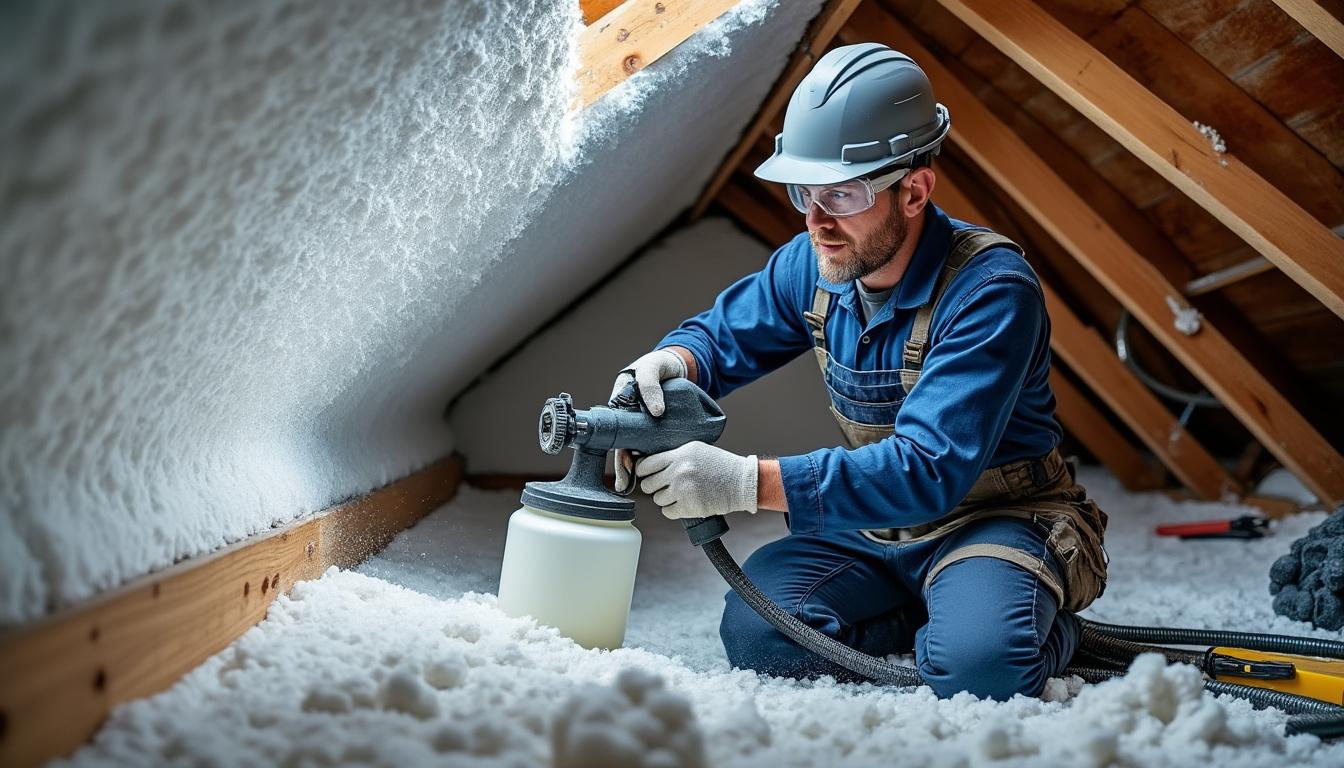
Essential Factors to Consider When Selecting Spray Foam Insulation Kits for DIY Applications
Taking on a DIY insulation project with spray foam kits demands more than just buying a product with high coverage. Several crucial factors can impact both the outcome and safety of your project, most notably safety equipment, temperature application range, and tool quality. Understanding these ensures a smooth application process and long-term satisfaction with your insulation investment.
Coverage Area and Foam Expansion Rates
Kits are rated based on the total square footage they can effectively insulate at 1-inch thickness. For a 1000 sq ft project, a kit offering around 600 to 1200 board feet coverage is often recommended due to foam expansion rates. Foam typically expands anywhere from 20 to 30 times its original liquid volume upon spraying. Calculating a buffer over your actual project size is vital because overspray, uneven surfaces, or complex corners may require additional foam to ensure full coverage. For example, the Froth-Pak 650 kit provides up to 650 board feet and includes extras like a 15-foot hose and multiple nozzles to reach tricky spots, making it a popular choice for medium-sized projects.
However, improper spraying distance or temperature variations can reduce foam expansion, leading to inadequate coverage. Kits like Kraken Bond Fastcoat recommend spraying within a specific range of 8-16 inches and working within ideal ambient temperatures between 41°F to 86°F. Paying attention to these details helps maximize coverage and minimizes the need for reapplication.
Temperature Range and Environmental Considerations
Most spray foam kits specify an optimal temperature range for their chemicals to react and cure properly, typically from 68°F to 86°F. Using foam outside these parameters can cause poor adhesion, increased shrinkage, or uneven curing which compromises performance. Some advanced formulas can tolerate extreme temperature ranges, like -103°F to 239°F, but these are usually reserved for specialized industrial or commercial applications.
For homeowners insulating their homes in temperate climates, monitoring weather conditions before installation and pre-warming cans can greatly improve results. Higher humidity levels also affect foam curing and expansion, so it is recommended to choose low-humidity days for your project when possible. VersiFoam’s closed-cell kits, for instance, advise keeping applicator canisters at a minimum of 75°F for best yield and adhesive quality.
Safety Gear and Protective Equipment Included
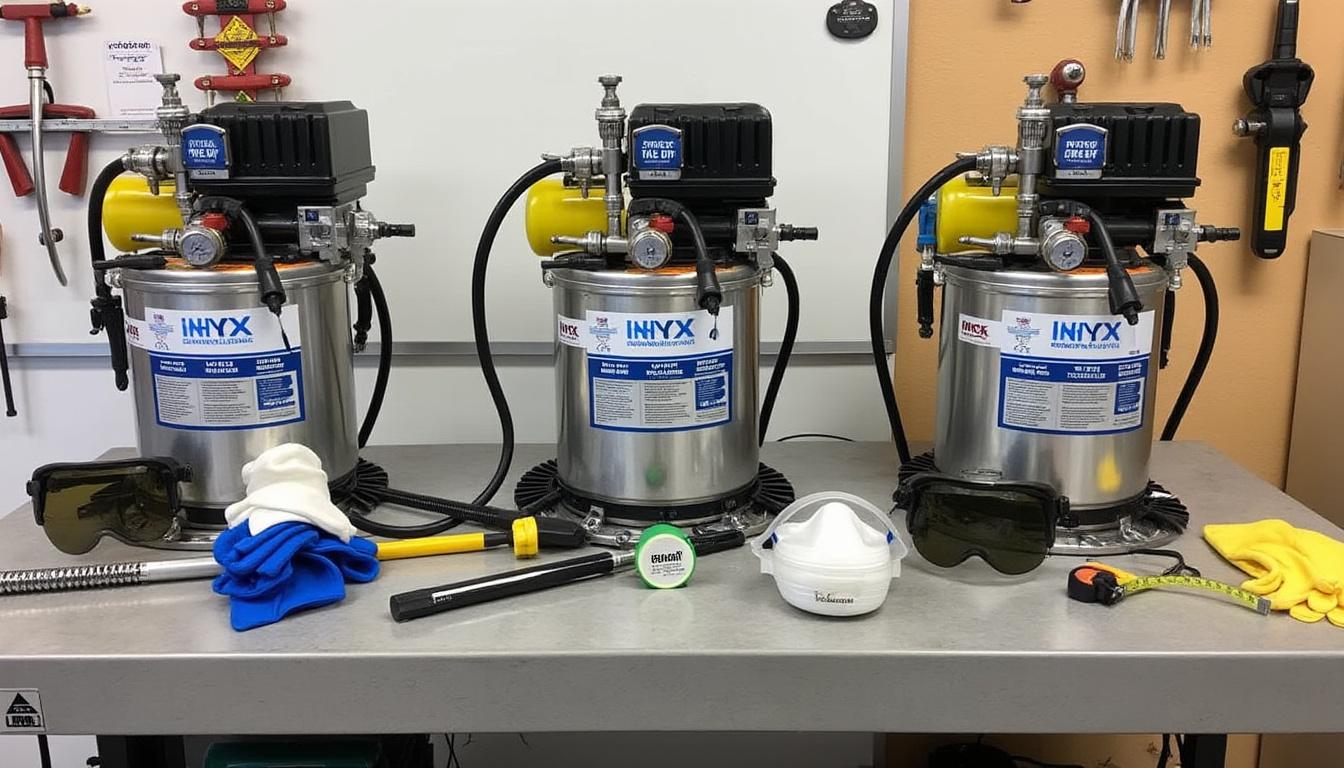
Spray foam insulation involves chemicals that can irritate skin, eyes, and respiratory systems. Therefore, kits that include comprehensive safety gear like gloves, goggles, respirators, and full-body protective suits reduce user risk significantly. Many premium kits also provide foam gun cleaners and accessories to maintain tool longevity and ease of clean-up after application. Even if your kit does not include these items, budgeting for them separately is essential to ensure proper protection and compliance with OSHA guidelines.
Application Method and Quality of Tools
Beyond chemistry, the right application equipment determines your project’s ease and precision. Non-stick coated spray guns with adjustable nozzles facilitate smooth foam discharge and reduce waste. Some kits come with different spray tips tailored for wall cavities, ceilings, or intricate spaces. For instance, the GrizzlyGuard Closed Cell Kit offers two specialized nozzles designed for vertical and overhead spraying, enhancing control during challenging applications.
Price Considerations and Value for Money
Though price per square foot varies widely, investing in a quality spray foam kit with proven performance and safety features pays off in energy savings and durability. High-density closed-cell foams typically cost more upfront but yield greater R-values and longevity. Bulk kits, while more costly initially, often provide better coverage and accessories, reducing overall project cost. For example, Y’allCanDiy’s 18-pack kit offers substantial coverage along with essential safety gear, making it cost-effective for large-scale undertakings.
To learn more about balancing these factors for your insulation needs, explore expert guides such as how to pick the right spray foam insulation kit that discuss both technical specifications and practical tips.
Comparing Top Spray Foam Insulation Kits for 1000 Sq Ft Coverage in 2026
The modern market offers a spectrum of spray foam insulation kits suited for approximately 1000 sq ft projects, designed for professional contractors and ambitious DIYers alike. Here’s an overview of several noteworthy options, illustrating their strengths and limitations to help you select the best spray foam kit for your needs.
| Kit Name | Coverage Area (sq ft) | R-value per Inch | Contents | Pros | Cons |
|---|---|---|---|---|---|
| Y’allCanDiy Spray Foam Kit (18 Pack) | ~360 | ~5.6 | 18 cans, PU foam gun, gloves, goggles | Professional-grade, versatile, complete safety gear | Higher price per can, large quantities may overwhelm small projects |
| GREAT STUFF PRO Fireblock Foam (12 cans) | ~400 (3 cans per garage size) | ~5.6 | 12 cans, foam gun, cleaner | Fast drying, fireblock rated, strong adhesion to multiple surfaces | Applicator gun quality issues, bulk size not ideal for small projects |
| STANLEY Supercoat Spray Foam Kit (12 Pack) | 240 | 5.66 | 12 cans, gun, cleaner, safety gear | High R-value, versatile on surfaces, good for small-medium projects | Limited coverage, price premium over batt insulation |
| Kraken Bond Fastcoat Spray Foam Kit (2 Pack) | 40 board feet | 5.66 | 2 cans, gun, cleaner, safety suit | Wide temperature range, airtight/watertight seal | Coverage less than advertised, higher cost |
| Vega Bond V600 Closed Cell Kit | 600 board feet | 7 | Complete PPE, application tools | High R-value, excellent vapor barrier | Temperature sensitive, some gun design issues |
These kits reflect a diversity of options, from extensive coverage to specialized features like fireblocking or high-density foam. Your project size, local climate, and intended use will drive the best choice. For more detailed reviews and pricing, visit expert home improvement sources such as ecohomegenius.com or Sebring Design Build’s guide.
Cost Considerations and Energy Efficiency Benefits of Spray Foam Kits for 1000 sq ft Insulation
Investing in spray foam insulation for a 1000 sq ft area yields strong long-term financial and environmental benefits, but understanding cost breakdowns and expected returns is essential for budgeting and planning.
The cost of spray foam insulation kits varies widely, typically ranging from $0.50 to $2.50 per square foot in 2026. Factors influencing price include foam density, expansion rate, included applicators, and safety equipment. For instance, the Froth-Pak 650 kit represents a higher upfront investment but delivers 650 board feet of closed-cell foam insulated at an R-6 value per inch with green certifications that appeal to eco-conscious homeowners.
When calculating total installation costs, consider the following components:
- Material costs: The amount of foam required to cover 1000 sq ft plus 50% extra for waste and difficult areas.
- Safety gear: If not included, purchase gloves, respirators, goggles, and protective clothing separately.
- Tool maintenance: Foam gun cleaners and replacement nozzles for precise application.
- Labor Savings: DIY application avoids contractor fees but demands time and skill investment.
Energy efficiency gains from well-applied spray foam insulation can reduce heating and cooling costs between 15% to 40%, depending on your building’s previous insulation status and climate zone. Such savings help offset initial expenses over a few years, increasingly important as U.S. energy codes push for tighter building envelopes.
For a comprehensive breakdown on costs and benefits, the article how much does it cost to spray foam for 1000 sq ft offers practical data and budgeting advice relevant to homeowners planning their insulation upgrades.
Professional Application Methods and Foam Insulation Tips for Optimal DIY Results
Successfully insulating 1000 sq ft with spray foam requires mastering application techniques and adopting critical foam insulation tips that prevent common pitfalls. Misapplication can lead to uneven surfaces, excessive foam use, or insufficient sealing, so preparation and methodical execution are vital.
- Surface Preparation: Clean dust, dirt, and moisture from the surfaces before spraying to ensure maximum foam adhesion.
- Temperature Control: Keep the workspace and foam canisters within recommended temperature ranges, typically 68° to 86°F.
- Consistent Spraying Distance: Maintain the ideal distance (8-16 inches) between the spray gun and target surface for even foam expansion.
- Multiple Thin Layers: Apply spray foam in thin layers rather than a thick mass to prevent heat buildup and ensure thorough cure.
- Wait Time Between Applications: Allow foam to partially cure before applying subsequent layers to avoid improper bonding.
- Tool Maintenance: Clean spray guns promptly after use with recommended solvent to avoid clogs and equipment damage.
- Safety Compliance: Always wear complete protective gear to minimize exposure to hazardous chemicals.
Remember that technique varies slightly depending on spray foam types—slow-rise foams require longer application times and curing, while quick-rise foams harden rapidly and may need accelerated work pace. Investing time in pre-application trial sprays can help you master the kit’s performance characteristics.
Applying these foam insulation tips ensures better insulation efficiency, reduces costs by minimizing waste, and maintains the integrity of your home’s structure. For additional practical advice, visit Allyear Insulation’s guide to DIY foam insulation that covers step-by-step instructions and safety precautions.