
Working in cold environments poses unique challenges, particularly for women who must balance safety, comfort, and functionality in their workwear. Women’s insulated coveralls have emerged as a crucial asset in addressing these needs, providing tailored protection against harsh weather while accommodating the specific ergonomic requirements of female workers. These specialized garments offer robust thermal protection that maintains core body heat, preventing cold stress that can lead to serious health complications on job sites ranging from construction to outdoor maintenance.
The evolution of weather-resistant apparel designed specifically for women reflects a broader industry shift towards inclusivity and performance optimization. Unlike generic unisex options, women’s insulated coveralls incorporate advanced insulation technology that maximizes warmth without sacrificing mobility or adding unnecessary bulk. This innovation is critical for ensuring workers stay productive during extended exposure to cold climates, which are common in Northern states and mountainous regions.
Additionally, these garments contribute significantly to overall cold climate safety by combining insulation with materials engineered for durability and resistance to environmental wear and tear. The durability of these coveralls caters to the demands of rugged work conditions, ensuring longevity and value for both independent contractors and large construction firms. The emphasis on workwear durability means that even in the most extreme weather, female workers can rely on their coveralls to provide consistent protection and comfort.
The tailored fit and ergonomic design of women’s insulated coveralls also enhance temperature regulation and comfort levels, reducing the risk of overheating during physical exertion while maintaining warmth during rest periods. This balance is essential in climates where temperatures can fluctuate unpredictably, impacting worker efficiency and safety. In this article, we explore the critical components, benefits, and practical considerations that make women’s insulated coveralls an indispensable part of outdoor work clothing for cold weather professions.
Advanced Insulation Technology in Women’s Insulated Coveralls Enhancing Thermal Protection
The cornerstone of effective cold weather workwear is its insulation system, and for women’s insulated coveralls, advancements in insulation technology have transformed the garment’s ability to offer reliable thermal protection. Traditional insulation materials such as fiberglass and wool often fail to provide the optimal combination of warmth and flexibility required for active, prolonged outdoor tasks. Modern women’s coveralls utilize innovative synthetic insulations like Thinsulate, PrimaLoft, or advanced polyester blends that trap heat effectively while remaining lightweight.
These materials function by creating millions of tiny air pockets to retain warmth while allowing moisture vapor to escape, maintaining a dry and comfortable interior environment. Staying dry is crucial because perspiration trapped inside clothing can drastically diminish insulation properties, increasing the risk of hypothermia. For example, a female construction worker entering a chilly job site with a coverall insulated by PrimaLoft will experience superior warmth retention and breathable comfort, a marked improvement over non-insulated or poorly insulated options.
Moreover, many manufacturers incorporate dual insulation layers in strategic zones, such as the torso and lower back, where heat loss is more significant. By contrast, they may design sleeves and joints with thinner insulation to preserve flexibility. This zoning approach harmonizes mobility with protection, accommodating the dynamic movements often required in cold weather labor without compromising on thermal safety or adding bulk.
Integration of reflective or windproof membranes further enhances the performance of these coveralls. These layers act as barriers against cold wind and precipitation, common deterrents of warmth on exposed outdoor worksites. Additionally, some designs include adjustable thermal linings or removable insulation layers, allowing women to adapt their gear to fluctuating temperatures and varied physical exertion levels. This adaptability reduces the need for multiple garments, streamlining workwear and boosting practicality.
To summarize, the current generation of women’s insulated coveralls leverages advances in fiber and fabric technology combined with smart design to create highly efficient thermal protection systems. This progression toward sophisticated insulation systems ensures that women who brave cold environments remain safe, comfortable, and agile throughout their workday.
Importance of Workwear Durability and Weather-Resistance in Cold Weather Women’s Coveralls
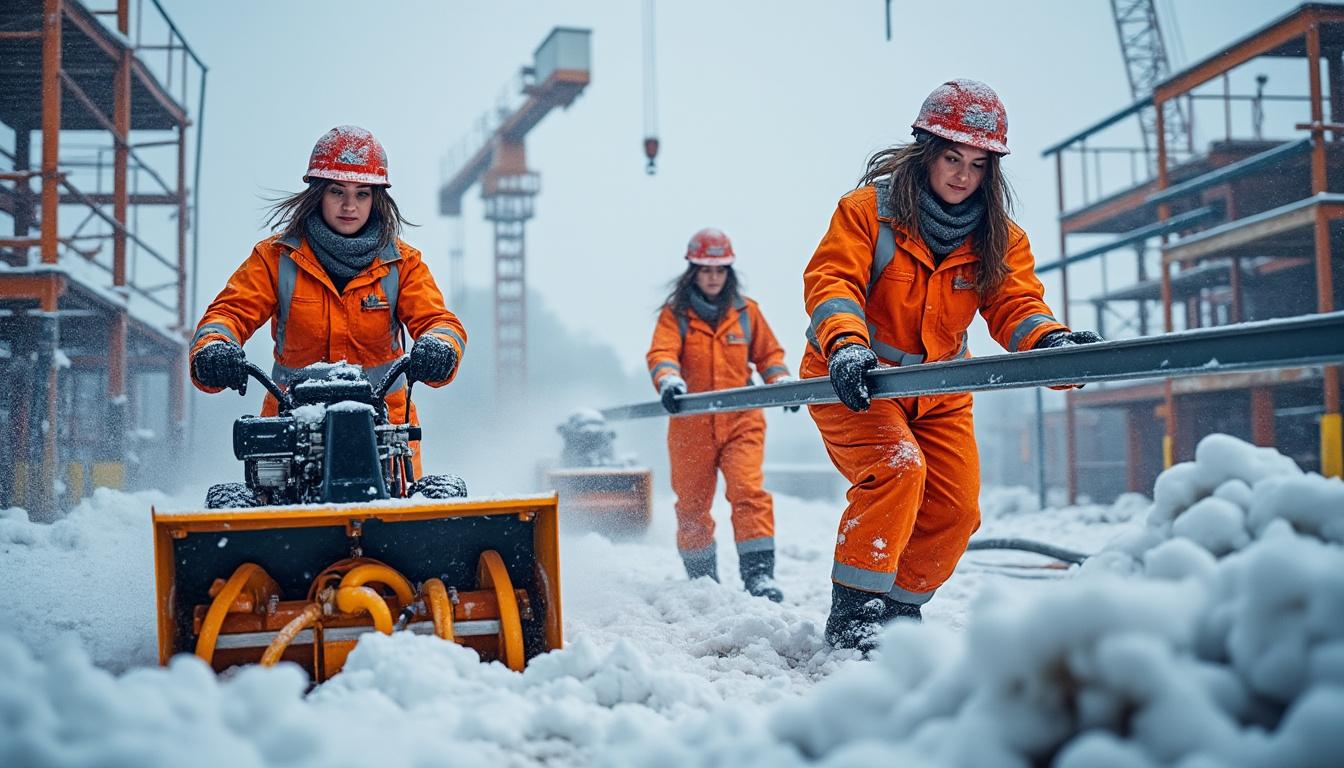
Durability is paramount when selecting women’s insulated coveralls for cold weather work because harsh conditions can quickly degrade inferior materials, resulting in costs from frequent replacements and, more importantly, diminished worker safety. Cold climates expose workwear to abrasive ice, moisture, and rough surfaces such as metal scaffolding or concrete, which can damage garments built from substandard fabrics.
To combat these challenges, manufacturers commonly use high-denier polyester or nylon outer shells with coatings that resist water, oil, and stains. These materials contribute to weather-resistant apparel that functions effectively as a barrier against snow, wind, and rain, protecting the insulation inside and the worker wearing it. For instance, women employed in utility maintenance often face wet conditions combined with freezing temperatures; without weather-proof coveralls, their insulation’s effectiveness rapidly diminishes, leading to cold-related injuries.
Furthermore, reinforced stitching and stress-point reinforcements enhance the garment’s lifespan by preventing tearing in high-movement areas such as knees, elbows, and inner thighs. Many coveralls include articulated knees and stretch panels to improve mobility without compromising on structural integrity. These features illustrate why workwear durability is as much about construction quality as it is about material choice.
Another critical factor lies in the incorporation of legitimate safety features standard to professional workwear. High-visibility trim and reflective strips ensure greater visibility during short winter days and poor weather conditions. Insulated hoods with adjustable drawcords, neoprene cuffs, and secure closures prevent drafts and snow ingress, maintaining warmth and dry conditions inside the suit. These functional aspects extend the garment’s utility, enabling female workers to maintain focus on tasks rather than battling cold-induced discomfort.
An example from the field involves a female pipeline technician working in Alaska, who emphasizes that her durable, weatherproof insulated coveralls were lifesavers during prolonged shifts under freezing winds. Such testimonials underscore the non-negotiable relationship between material robustness, weather protection, and sustained occupational performance in cold weather work environments.
Tailored Fit and Temperature Regulation: Why Women’s Work Gear Matters in Outdoor Cold Weather
The design of women’s insulated coveralls extends beyond technical fabric properties to include an anatomical fit that aligns with female body contours for enhanced comfort and function. Traditional unisex workwear often fails here, as excessive looseness can trap cold air or impede motion, while ill-fitting tightness can restrict circulation and physical activity. Proper fitting coveralls improve both insulation efficacy and safety, critical for long hours spent in subzero conditions.
To ensure appropriate temperature regulation, the fit must allow layering underneath without bulkiness. Women’s coveralls often feature ergonomically placed stretch inserts and adjustable cuffs to fine-tune tightness and airflow. This precision enables wearers to balance heat retention with breathability, preventing the typical trade-offs between warmth and sweat buildup.
Another benefit of tailored fit is reducing fatigue and improving task efficiency. For example, a female electrician repairing frozen electrical lines benefits from unrestricted arm movement and streamlined leg design that prevents snagging on obstacles. Better mobility reduces injury risks and contributes to faster job completion, showing how women’s specific outdoor work clothing drives productivity as much as comfort.
This focus on anatomical design also reflects growing industry recognition of female workers’ contribution across various cold weather job sectors, from construction to agriculture. Brands increasingly conduct biomechanical analyses and field testing to perfect cuts that address postural and muscular differences, supporting muscle warmth retention and joint flexibility. These improvements foster a safer and more inclusive workspace.
Several companies now offer multiple sizing options and modular features like detachable liners and ventilation zippers. These innovations further enable women to adapt their work gear to seasonal variations or particular workplace safety requirements without compromising on thermal protection or durability.
Cost-Benefit Analysis and Practical Considerations for Investing in Women’s Insulated Coveralls
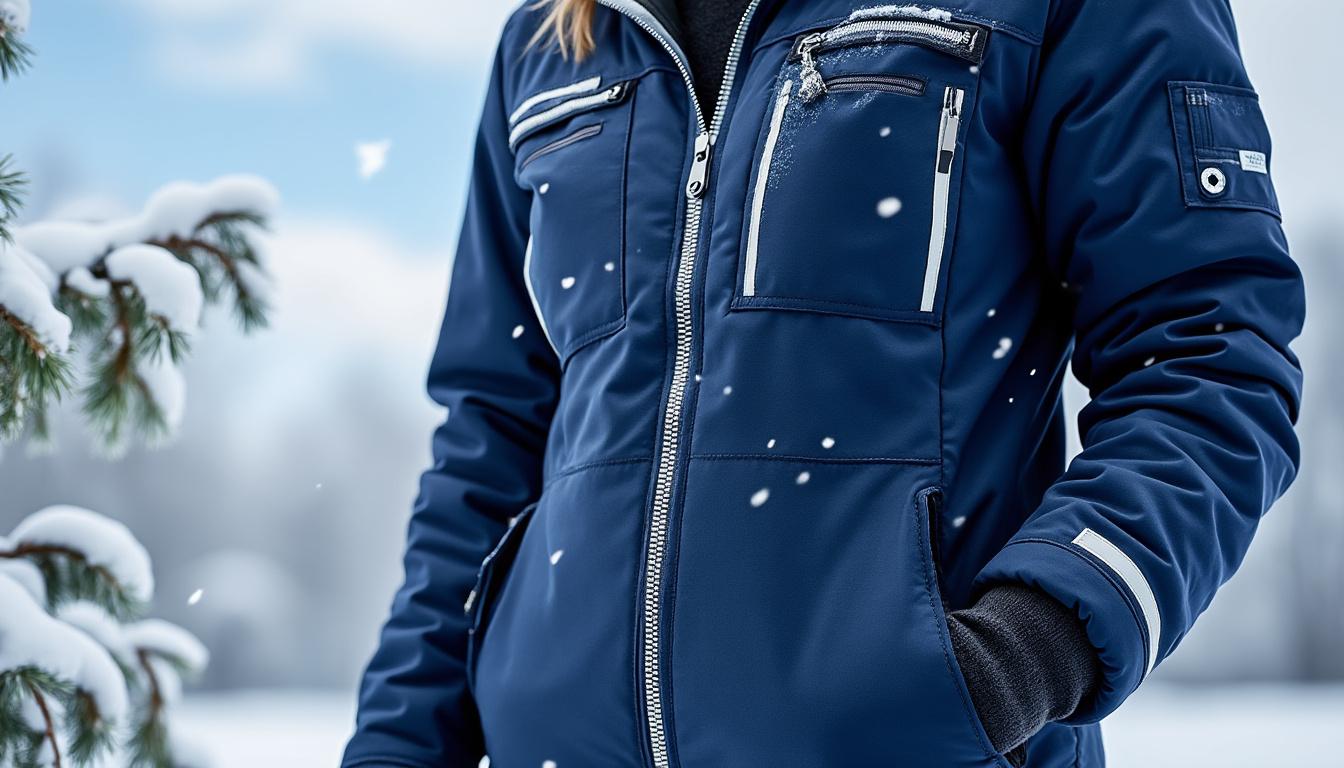
Purchasing high-quality women’s insulated coveralls often represents a significant upfront investment, but this cost must be weighed against potential savings and safety gains for employers and workers alike. Economically, durable, well-designed coveralls reduce replacement frequency, enhance work efficiency, and minimize cold-related work absences. In cold climates across the U.S., such as Minnesota or Montana, these advantages quickly translate into tangible financial benefits.
When analyzing costs, it’s essential to consider factors such as insulation material, fabric technology, and additional features like waterproofing or reflective accents. Premium brands typically charge more due to superior warranties, extensive testing, and compliance with safety standards. However, lower-priced alternatives often fall short in durability and thermal performance, which can compromise worker health and lead to increased compensation claims.
Employers should also factor in the ease of maintenance. Coveralls compatible with machine washing and quick drying reduce downtime and sanitation costs. Furthermore, companies that provide personalized gear tailored to individual workers, rather than generic bulk items, frequently observe enhanced worker satisfaction and retention. This observation underscores the long-term value of investing in gender-specific workwear solutions.
Listed below are some decision-making criteria for selecting women’s insulated coveralls:
- Type of insulation and its R-value rating for thermal resistance
- Waterproof and windproof capabilities
- Durability of outer shell fabrics and seam construction
- Fit and ergonomic design specific to female body shapes
- Additional safety features such as reflective striping
- Ease of cleaning and garment care
For more in-depth information on why insulated coveralls are essential for cold weather safety, one might consult trusted industry resources. Such guides help stakeholders make well-informed choices tailored to their unique worksite demands.
Impact of Women’s Insulated Coveralls on Cold Climate Safety and Workforce Inclusion
The availability of women’s insulated coveralls directly impacts workplace safety and inclusivity in cold climate occupations. Cold stress is a significant occupational hazard that can cause frostbite, hypothermia, and decreased motor function, leading to accidents and long-term health issues. Female workers historically faced challenges with ill-fitting gear, which increased their exposure to these risks. The advent of properly fitted insulated coveralls alleviates many of these concerns.
From an occupational health standpoint, these coveralls improve compliance with U.S. cold weather safety codes, which mandate adequate thermal protection for outdoor workers. They also enhance worker morale by demonstrating respect and recognition for the diverse workforce filling roles traditionally dominated by men. For instance, female employees of a wind farm maintenance company reported increased comfort and confidence after receiving insulated coveralls designed specifically for women, which improved their overall job performance.
Moreover, these garments support broader corporate diversity and inclusion initiatives by facilitating gender equality in physically demanding outdoor professions. Employers who provide specialized work gear underscore a commitment to safe and equitable workplaces, attracting and retaining top talent. The enhanced functionality and protective features ingrained in women’s insulated coveralls contribute not only to safety but also to productivity and worker satisfaction.
| Aspect | Benefit | Example in Cold Weather Work |
|---|---|---|
| Thermal Protection | Maintains body warmth to reduce cold stress | Women working on winter construction sites |
| Fit and Comfort | Ergonomic design reduces fatigue and increases mobility | Electricians repairing frozen power lines |
| Durability | Lasts through tough wear and tear | Pipeline technicians in icy environments |
| Weather Resistance | Keeps workers dry and protected from wind | Utility workers outdoors during snow |
| Safety Features | Improves visibility and protection | Road crews working in low light and storms |
In summary, the emergence of specialized women’s work gear such as insulated coveralls plays a foundational role in enhancing safety, workforce inclusivity, and operational efficiency in cold weather sectors. Continued innovation in this field promises to further align apparel technology with the practical demands and well-being of female workers across the United States.