
The quest for enhanced energy efficiency in residential and commercial buildings continues to intensify as energy costs rise and environmental concerns deepen. Among the many strategies to improve HVAC system performance and reduce wasted energy, insulated ductwork stands as a vital yet often underestimated component. Many homeowners and builders focus heavily on the equipment itself—the furnace, air conditioner, or heat pump—without recognizing the transformative impact that well-insulated ducts can have on overall system efficiency and indoor comfort.
In scenarios where ductwork runs through unconditioned spaces such as attics, basements, or crawl spaces, heat transfer between the air inside the ducts and the surrounding environment can result in substantial energy loss. This inefficiency forces HVAC systems to work harder, driving up utility bills and increasing wear and tear on equipment. Improving insulated ductwork not only curtails heat transfer but also enhances energy conservation, delivers consistent indoor air quality, and contributes significantly to cost reduction over time.
In brief:
- Properly insulated ductwork minimizes heat loss and gain, raising the overall energy efficiency of HVAC systems.
- Insulated ducts maintain more consistent temperatures throughout living spaces, improving indoor comfort and reducing temperature fluctuations.
- Duct sealing coupled with insulation prevents air leaks, ensuring conditioned air reaches intended areas efficiently.
- Choosing the right insulation material—such as fiberglass, foam board, or pre-insulated ducts—can address specific environmental challenges and optimize thermal insulation.
- Regular maintenance and professional inspection of duct insulation sustain long-term energy savings and indoor air quality.
The Role of Insulated Ductwork in Enhancing HVAC Energy Efficiency
Energy conservation efforts often overlook one of the HVAC system’s critical components: the ductwork. This network of channels is responsible for transporting heated or cooled air from equipment to living and working spaces. Without sufficient insulation, ducts can inadvertently become conduits for energy loss. In 2026, with energy costs at historically high levels, optimizing insulated ductwork is increasingly relevant for homeowners and commercial property managers looking to lower operational expenses.
Thermal insulation in ducts acts as a protective barrier that restricts heat transfer—preventing warm air from losing heat during the winter or cool air from gaining heat in the summer. When ducts are poorly insulated or left uninsulated, the HVAC system expends more energy to compensate for these temperature changes, which not only inflates energy bills but also shortens the system’s lifespan due to increased workload.
A study of typical residential HVAC systems showed that improperly insulated ducts can lose between 20% to 30% of conditioned air before it reaches living areas. This inefficiency translates to wasted energy and discomfort due to uneven heating or cooling zones. Such findings emphasize why an investment in duct insulation delivers a measurable return. The use of high-quality insulated ductwork can reduce this loss by preventing unwanted heat transfer, thereby supporting better energy efficiency.
More details about the importance of energy-efficient duct solutions can be found through specialized research on the role of ductwork in energy efficiency.
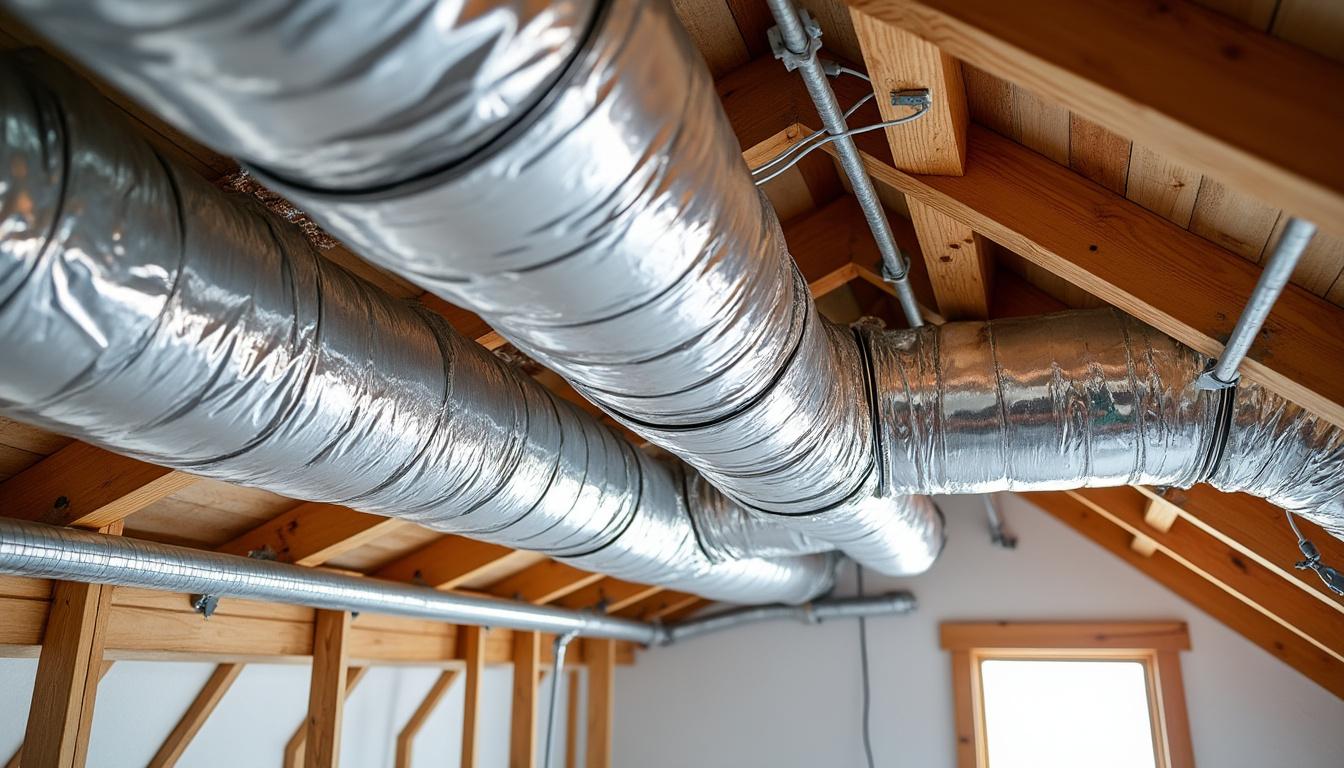
Choosing the Best Materials for Ductwork Insulation
Selecting the appropriate insulation material is crucial to maximize energy savings and maintain indoor air quality. Several popular options are utilized in the United States, each offering distinct benefits tailored to different environmental conditions and budget considerations.
Fiberglass Insulation
Fiberglass remains one of the most common materials for insulating ductwork, largely due to its affordability and ease of installation. Composed of fine glass fibers, it traps air within its structure which slows down heat transfer. It’s particularly suitable for duct runs in moderate climates or conditioned spaces. However, fiberglass tends to absorb moisture when exposed to high humidity, potentially leading to mold growth that can degrade indoor air quality.
Pre-Insulated Ducts
A modern solution gaining traction is the use of pre-insulated ducts. These ducts come with insulation incorporated directly into the duct’s construction, which offers uniform coverage and guarantees thermal performance from the get-go. Pre-insulated ductwork drastically reduces installation time and mitigates the risk of poorly applied insulation, leading to greater energy conservation. This approach is highly recommended for new construction projects or full HVAC system upgrades.
Foam Board and Rigid Insulation
For areas with high humidity or extreme temperature swings, foam board insulation is favored. It provides excellent moisture resistance and durability while maintaining a strong R-value per inch, which measures thermal resistance. Rigid insulating boards are also used in some commercial settings to provide robust protection against heat transfer and help maintain constant air temperature throughout the duct system.
| Insulation Material | Thermal Performance (R-value) | Best Use Case | Considerations |
|---|---|---|---|
| Fiberglass | Approximately R-4 per inch | Moderate climates, budget-friendly | Prone to moisture, requires vapor barrier |
| Pre-Insulated Ducts | Varies; high uniform coverage | New installations, guaranteed insulation quality | Higher upfront cost but saves on installation |
| Foam Board | Higher R-value, around R-6 to R-8 per inch | Humidity-prone areas, commercial HVAC | Requires professional installation |
An excellent resource for understanding specific insulation benefits and selecting the right product is available through duct insulation benefits analysis, which highlights the importance of matching material properties to environmental demands.
How Proper Duct Sealing Enhances Insulation Performance and Indoor Comfort
Duct sealing is an essential complement to insulation that ensures minimal air leakage through duct joints and connections. Even the best thermal insulation efforts can be undermined if air escapes before reaching living spaces, wasting energy and undermining indoor temperature control.
Common leakage points include seams, crimped joints, and connections where ducts join registers or vents. These leaks not only reduce the effectiveness of thermal insulation but also allow dust, allergens, and pollutants to enter the duct system, degrading indoor air quality. In fact, improperly sealed ducts can reduce HVAC efficiency by up to 20%, directly impacting operating costs.
Applying specialized duct sealing tapes, mastic, or spray foam around vulnerable areas will improve airtightness significantly. It is important to select sealing products designed to maintain adhesion over the long term and withstand expected temperature fluctuations. This approach ensures that the insulated ductwork delivers maximum energy savings and steady airflow throughout the system.
Those interested in detailed maintenance practices to improve HVAC ductwork can learn more from expert insights on the benefits of ductwork sealing and insulation.
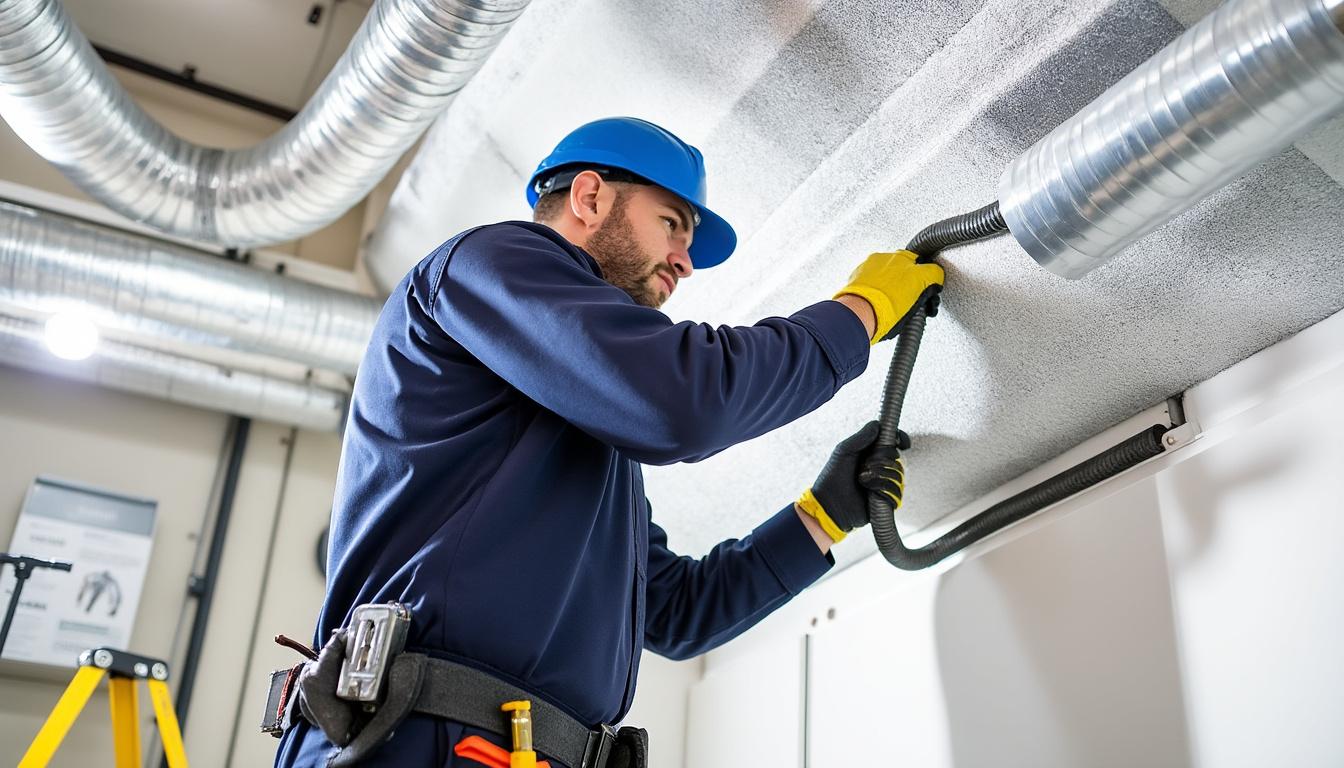
Long-Term Savings and Environmental Impact of Insulated Ducts
Implementing insulated ductwork is not only a tactical upgrade for immediate comfort and efficiency, but also an investment with far-reaching financial and environmental benefits. The U.S. Department of Energy estimates that proper insulation and sealing of ducts can reduce energy consumption by 20% or more in typical homes, a considerable impact on both electricity and natural gas bills.
Reduced energy consumption directly translates to cost reduction, making duct insulation a smart financial choice across building types. For business owners managing commercial spaces, these savings accumulate substantially over time, often justifying the initial expense within a few years through lower operational expenditures.
Environmentally, using insulated ductwork helps decrease carbon footprints by reducing the amount of energy needed to maintain comfortable indoor environments. The resulting lower greenhouse gas emissions support broader sustainability goals, crucial as more states and municipalities adopt stricter energy codes and conservation mandates in 2026 and beyond.
In addition, well-insulated ducts decrease the frequency of HVAC system operation, curbing mechanical wear and prolonging equipment life. This decreases the demand for premature replacements and reduces waste generated by discarded HVAC components.
Individuals seeking practical advice on sustaining energy-efficient HVAC systems will find comprehensive guides on increasing HVAC efficiency through duct insulation invaluable.