
Mobile home skirting plays a pivotal role in safeguarding the area beneath your manufactured home, providing an essential barrier against weather exposure, pests, and energy loss. However, deciding whether to install insulated skirting has been a topic of debate among homeowners and contractors alike. As manufactured homes today come with significantly improved insulation, the skirting primarily serves as a protective thermal shield rather than a supplementary insulator. Nonetheless, the benefits of integrating insulated skirting extend beyond mere temperature control, influencing energy efficiency, structural durability, and long-term cost savings. Understanding these factors and following precise installation tips can transform your mobile home into a more comfortable and efficient living space while enhancing its lifespan.
Briefly outlining the core takeaways, insulated skirting offers substantial weather protection, effective temperature control that mitigates underfloor drafts, and contributes meaningfully to overall energy efficiency. Choosing the right materials—such as concrete panels or foam insulated products—optimizes durability and easier installation, while strategic ventilation ensures indoor air quality remains uncompromised. Plus, using insulated skirting can lead to notable cost savings in heating and cooling over the years. For those seeking detailed guidelines and technical insights, resources like expert discussions on insulating mobile home skirting and winter protection insulation guides provide invaluable information for both DIY enthusiasts and professionals.
Understanding the Energy Efficiency Impact of Insulated Skirting on Mobile Homes
Energy efficiency remains a primary consideration when it comes to enhancing mobile homes, which historically have struggled with heat retention and insulation quality. The area below a mobile home, often exposed and poorly insulated, serves as a major source of drafty floors and energy loss during both winter and summer months. The introduction of insulated skirting offers a practical solution to this problem by sealing off the crawl space from environmental extremes.
The significance of energy efficiency gains from insulated skirting lies in its ability to reduce the transfer of heat and cold from the ground and outside air, directly influencing indoor temperature stability. When the underside of the home is vulnerable to cold air infiltration, heat escaping from the heated floors results in elevated energy consumption and uncomfortable living conditions. Insulated skirting addresses this by creating a thermal barrier, trapping warmth in winter and blocking excess heat during summer, which in turn lowers HVAC system loads and results in tangible cost savings.
Research and field applications demonstrate that concrete-based skirting products excel in thermal resistance. Their dense structure reduces conduction effectively, making concrete skirting favored by lenders and contractors for its long-term value. Meanwhile, insulated foam panels offer lightweight alternatives that combine easy installation with impactful weather protection. Both options contribute to enhancing the home’s energy efficiency while maintaining durability and aesthetic appeal.
It’s essential to consider the crawl space’s ventilation needs when opting for insulation. While insulating skirting seals the area, proper airflow must be maintained to prevent moisture buildup, which could lead to mold growth or structural issues. Strategies like the « hidden vent system » facilitate controlled ventilation while preserving the insulative benefits, ensuring a dry and healthy subfloor environment. This holistic approach balances temperature control with environmental health, upholding safety and comfort for residents throughout all seasons.
Homeowners aiming to maximize energy efficiency can benefit from understanding these dynamics and leveraging insulated skirting in conjunction with other insulation measures within their homes. Ultimately, a well-designed skirting system contributes to a sustainable mobile home setup optimized for 2026 energy standards and rising utility costs.
Key Weather Protection Advantages Provided by Insulated Mobile Home Skirting
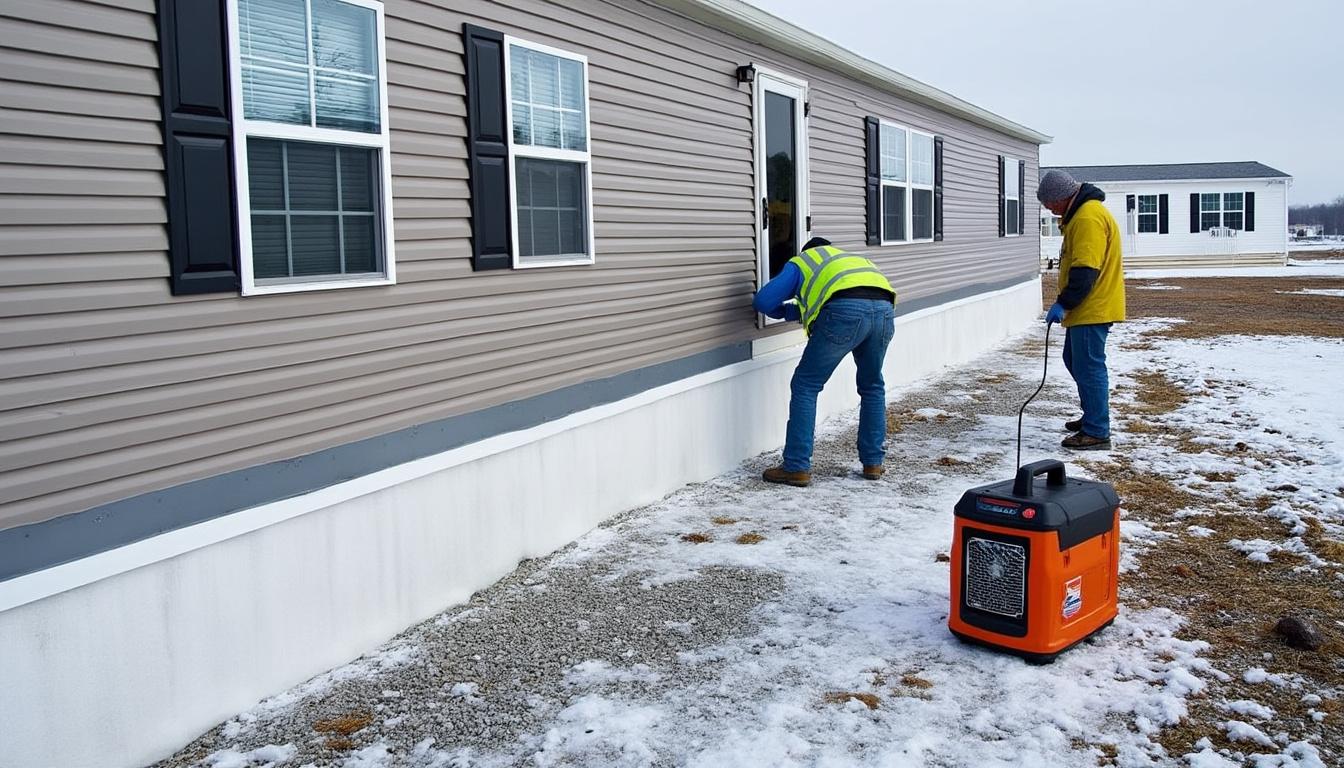
Mobile homes face constant exposure to fluctuating weather conditions, including harsh winter cold, summer heat, heavy rain, and strong winds. Skirting acts as the first defense line against these elements by enclosing the space beneath the home and minimizing direct impact on the structural components. Adding insulation to this layer significantly enhances weather protection and transforms the underfloor area into a more controlled environment.
Insulated skirting creates a robust thermal shield that prevents cold drafts, water intrusion, and wind pressure from compromising the home’s integrity. Particularly in colder regions, frozen pipes, and moisture accumulation become pressing concerns if underfloor air is left unregulated. Proper skirting installation with insulation helps maintain consistent temperature levels underneath the home, reducing the risk of freezing and moisture damage that could compromise plumbing and flooring systems.
In areas prone to high winds and storms, insulated panels contribute rigidity and resistance to impact, shielding the home’s underbelly from debris and animal intrusion. This protection not only safeguards the structural components but also helps maintain a cleaner and pest-free environment below the home, which is essential for longevity and indoor air quality.
For example, concrete skirting options offer superior resilience due to their solid construction and moisture resistance, often lasting decades with minimal maintenance. In contrast, vinyl or metal skirting, while easier to handle, may require additional reinforcement or combined insulating linings to match the level of weather protection conveyed by concrete or foam-based alternatives.
To summarize, insulated skirting does more than just improve comfort; it directly enhances the mobile home’s ability to withstand and adapt to local weather challenges efficiently. Homeowners can appreciate fewer maintenance issues, better protection of components susceptible to weather damage, and improved overall property value through this upgrade.
Durability and Cost Savings: Selecting the Right Insulated Skirting Material
Choosing the ideal material for insulated mobile home skirting boils down to balancing durability, cost effectiveness, and installation ease—a decision that profoundly impacts both upfront investment and long-term savings. The variety of skirting materials available today—ranging from concrete board panels to foam-insulated vinyl and metal—each bring unique characteristics worth weighing carefully.
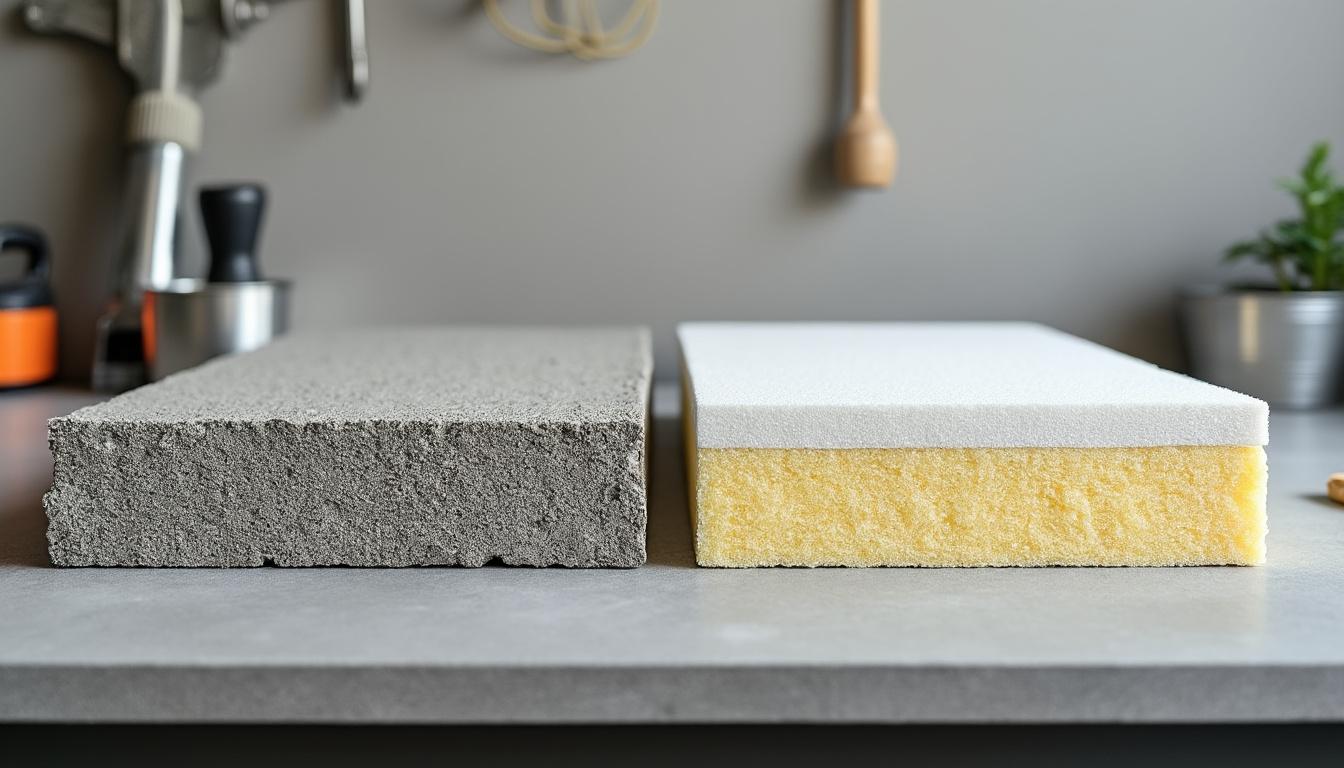
Concrete skirting stands out for durability, offering superior resistance to environmental stresses like moisture, wind, and pests. Its thermal mass naturally buffers temperature swings, serving as a consistent insulative layer that reduces energy bills and fortifies the structure beneath the home. Though its initial installation cost is higher and may require professional expertise, the longevity and minimal upkeep afford significant value over time.
Foam insulated panels are increasingly popular due to their lightweight nature and relative affordability. Easy to cut and install, they provide effective temperature control and moisture resistance when paired correctly with ventilation systems. Their compatibility with DIY projects can also reduce labor costs and turnaround time for homeowners wanting quick improvements.
Vinyl and metal skirting typically focus more on aesthetic appeal and structural enclosure but lack intrinsic insulative properties. This shortcoming means they are ideal when combined with separate insulating layers or used in milder climates where temperature extremes are less severe.
Below is a comparative table highlighting key factors to consider when selecting insulated skirting material:
| Material | Durability | Cost | Insulation Quality | Installation Complexity |
|---|---|---|---|---|
| Concrete Panels | High | High Initial Cost | Excellent | Professional Recommended |
| Foam Insulated Panels | Moderate | Moderate | Good | DIY-Friendly |
| Vinyl Skirting | Moderate | Low to Moderate | Low (Needs Additional Insulation) | Easy |
| Metal Skirting | High | Moderate | Low (Needs Additional Insulation) | Moderate |
Ultimately, selecting insulated skirting should align with your climate needs, budget, and maintenance preferences. The right choice supports your home’s energy efficiency goals while ensuring protection for years to come.
Essential Installation Tips to Ensure Effective Insulated Skirting
Installation quality is paramount to realizing the full benefits of insulated mobile home skirting. Improper installation can result in poor ventilation, trapped moisture, and compromised temperature control, negating the advantages of quality materials. Here are key practices and tips to ensure successful installation:
- Maintain Proper Ventilation: Ensure the crawlspace beneath the home breathes efficiently to avoid moisture buildup and harmful gas accumulation, such as radon. Incorporate vent openings or a “hidden vent system” to facilitate this balance.
- Level and Secure Ground: Prepare the foundation area by leveling and securing the ground to prevent shifting or warping of skirting panels over time, which could create gaps inviting drafts and pests.
- Seal Gaps Effectively: Use weatherproof caulking or foam sealants around panel edges and joints to maximize airtightness and reduce energy leaks.
- Integrate Durable Fasteners: Use corrosion-resistant screws or anchors rated for outdoor use to affix skirting firmly, accommodating natural expansion or contraction caused by temperature changes.
- Incorporate Insulation Underbelly: Combine insulated skirting with a fully sealed, insulated underbelly to amplify the thermal envelope and reduce energy bills further.
- Regular Maintenance: Schedule periodic inspections for damage or moisture intrusion, promptly repairing any cracked panels or compromised seals.
By following these steps closely, homeowners can maximize weather protection, energy savings, and overall comfort. These tips also reduce the chances of costly repairs and extend the lifespan of skirting materials.
Balancing Ventilation and Temperature Control: What to Know About Crawl Space Concerns
One of the most misunderstood aspects of insulating mobile home skirting involves the need for ventilation in the crawlspace. While insulating the skirting is ideal for blocking thermal loss, the underfloor space must remain sufficiently ventilated to prevent detrimental moisture build-up, mold growth, and the accumulation of hazardous gases like radon.
Radon, a naturally occurring radioactive gas found in many U.S. regions, can seep into homes through soil gas migration, accumulating in enclosed spaces such as crawlspaces. Proper skirting installation must include openings or ventilation methods allowing airflow without compromising the home’s thermal performance.
Builders and experts advocate for skirting systems that marry insulation with strategic venting solutions, such as the “hidden vent system” incorporated in advanced concrete or foam panels. This ensures the crawlspace stays dry and air circulation is maintained, mitigating risks while preserving energy efficiency.
Developing a dry, controlled crawlspace environment also helps prevent pest infestation and rot, which can severely undermine structural components over time. An insulated and ventilated crawlspace significantly improves indoor air quality, homeowner comfort, and overall home durability.
Before installing insulated skirting, it’s advisable to assess local climate conditions, soil types, and vapor barriers to tailor the installation approach accordingly. Consulting detailed guides like those available at comprehensive insulation resource hubs can provide essential insights.