
Insulated roll up doors represent a significant advancement in modern industrial and residential building design, blending enhanced security with superior energy efficiency. As energy costs continue to rise in 2026, the construction and facility management sectors are prioritizing solutions that reduce thermal loss while maintaining durability and operational ease. These doors, equipped with thermal insulation and roll up mechanisms, are increasingly favored for their ability to provide consistent indoor climate control, noise reduction, and protection against harsh weather conditions. Whether installed in a bustling warehouse, a commercial garage, or a storage facility, insulated roll up doors offer a combination of practicality and innovation that addresses both environmental and economic concerns.
Understanding the detailed advantages, material options, installation processes, and associated costs of insulated roll up doors is essential for property owners and contractors aiming to optimize building performance. This comprehensive guide delves into these aspects, providing clear insights tailored to the American market’s building practices and regulations. From the soundproofing benefits to the space-saving design characteristic of roll up doors, each feature of insulated doors will be explored to highlight how they stand apart from traditional garage doors and industrial doors.
In brief
- Insulated roll up doors improve energy efficiency by minimizing heat transfer, which reduces heating and cooling expenses.
- They offer enhanced security owing to thicker, reinforced slats compared to standard roll up doors.
- Thermal insulation and weather resistance contribute to maintaining a stable interior environment year-round.
- Soundproofing capabilities reduce noise pollution, beneficial for both residential and commercial properties.
- Durability and resistance to damage extend the lifespan of insulated doors, lowering long-term maintenance costs.
- The roll up mechanism enables space-saving installation, crucial for facilities with limited clearance.
- Initial investment is higher than conventional models, but lifecycle energy savings often offset costs.
How Insulated Roll Up Doors Enhance Energy Efficiency and Weather Resistance
Energy efficiency remains a top priority for facility managers and homeowners focused on reducing operational costs and environmental impact. Insulated roll up doors achieve this by incorporating dense, energy-saving materials like polystyrene or closed-cell polyurethane foam within the door slats. These materials provide significant thermal insulation that minimizes heat transfer, maintaining interior comfort during both winter and summer months.
For instance, an insulated door with a minimum of 7/8-inch thick polystyrene reduces the exchange of air and temperature between the building’s interior and exterior, thereby lowering demand on HVAC systems. By reducing heat loss or gain, monthly energy expenses can drop substantially, especially in commercial environments that operate large garage spaces or loading docks. According to industry experts, these insulated doors can reduce airflow infiltration by up to 94%, a critical factor when meeting strict energy codes and sustainability targets.
Weather resistance is another seminal advantage of insulated roll up doors. Beyond thermal properties, the tight sealing system around insulated doors protects against drafts, dust, pollen, and adverse weather effects such as rain or snow. This combination keeps sensitive goods at the correct temperature and prevents structural damage from moisture intrusion. Businesses in food storage or pharmaceuticals, for example, benefit immensely from such controlled environments.
The energy savings brought by insulated roll up garage doors reflect their growing adoption across North America, where compliance with local building codes increasingly demands improved thermal performance. In addition, the roll up mechanism is an effective design that complements these insulating properties by minimizing the door’s exposure when open, decreasing energy leakage compared to sectional or swing doors.
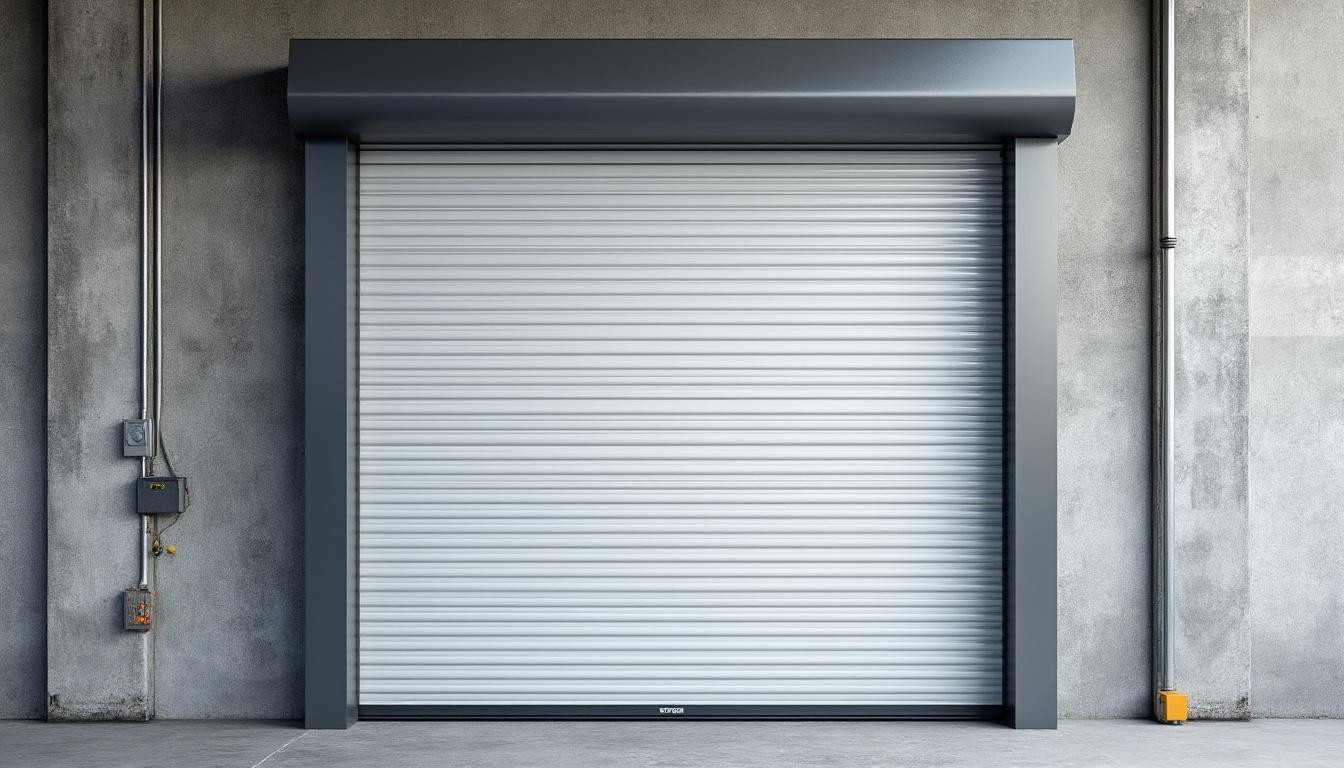
Material Choices and Construction Details of Insulated Roll-Up Doors
Selecting the right materials for an insulated roll up door directly affects its performance, longevity, and cost-effectiveness. Manufacturers typically offer options including galvanized steel, stainless steel, aluminum, and various insulation types. Each material combines with insulation differently to deliver tailored solutions for diverse settings.
Galvanized and stainless steel provide exceptional strength and durability, ideal for industrial doors that undergo frequent use and require robust security. Aluminum, on the other hand, offers lightweight alternatives with corrosion resistance, often preferred in coastal areas or for applications that balance strength with ease of operation. These doors also come finished with galvanization, powder coating, or customized vinyl graphics to boost aesthetics and enhance protection against corrosion and wear.
Insulation inside these roll up doors varies primarily between standard polystyrene and advanced options like foamed-in-place polyurethane, which is both CFC and HCFC free, reflecting increasing environmental awareness. The choice between these insulations usually depends on the thermal performance needed and budget constraints. Foamed polyurethane, while more expensive, delivers superior thermal resistance and a longer lifespan, thus lowering annual energy costs further.
Another factor influencing performance is the thickness of the door slats, which in insulated models can be twice as thick as non-insulated doors. For example, slats available in gauge sizes from 22 to 16 with backing steel up to 20 gauge ensure enhanced physical security and support for insulation materials. Such construction helps reduce external temperature intrusion and adds a noise dampening effect that benefits buildings near busy streets or industrial zones.
Installation configurations include operator selection such as manual push-up, hand-crank, or motorized operation with adaptations available for specific environmental conditions. Beyond this, insulating rolls often integrate with high-performance sealing systems to improve soundproofing and thermal control while ensuring smooth operation of the roll up mechanism.
| Material | Insulation Type | Typical Thickness | Key Feature | Ideal Use |
|---|---|---|---|---|
| Galvanized Steel | Polystyrene | 7/8 inch or more | High durability and corrosion resistance | Industrial and commercial garages |
| Stainless Steel | Foamed-in-place Polyurethane | Up to 1 inch | Superior thermal insulation and environmental-friendly | Pharmaceutical, food storage facilities |
| Aluminum | Polystyrene | 7/8 inch | Lightweight and corrosion resistant | Coastal and light industrial applications |
Understanding the Real Costs: Investment vs Long-Term Savings
One of the critical considerations in choosing an insulated roll up door relates to upfront expenditures compared to ongoing energy and maintenance savings. Despite their higher initial cost—on average 60-70% more than comparable non-insulated models—the energy efficiency and improved durability often justify the investment.
Factors driving costs include the material chosen, thickness and type of insulation, size of the door, and operator features like motorization and remote control capabilities. Additional finishing options and performance upgrades can further raise prices but often enhance the door’s value through certifications that meet IECC, ASHRAE, and LEED energy standards.
For example, the IMB-V7 insulated roll up door from Alpine Doors offers a fast-acting door with polystyrene insulation and metal-on-metal construction, specifically designed to optimize energy savings without compromising operation. Such doors can significantly reduce heating and cooling costs in large-scale facilities prone to frequent openings throughout the day.
Energy savings are influenced by multiple variables, including facility size, door usage frequency, and local climate conditions. For high-cycling industrial doors, rapid open and close times reduce programmed temperature exposure, amplifying cost reductions. High-performance doors with cycle lifespans of up to 1,000,000 cycles, such as the Extreme 1024 series, minimize maintenance and replacement expenses over time.
In essence, when evaluating total cost of ownership, prospective buyers should consider both initial capital outlay and the ongoing operational benefits. Studies and real-world applications confirm that facilities replacing standard roll-up doors with insulated variants experience monthly heating and cooling bill reductions, making insulated doors a strategic investment in sustainable building management.
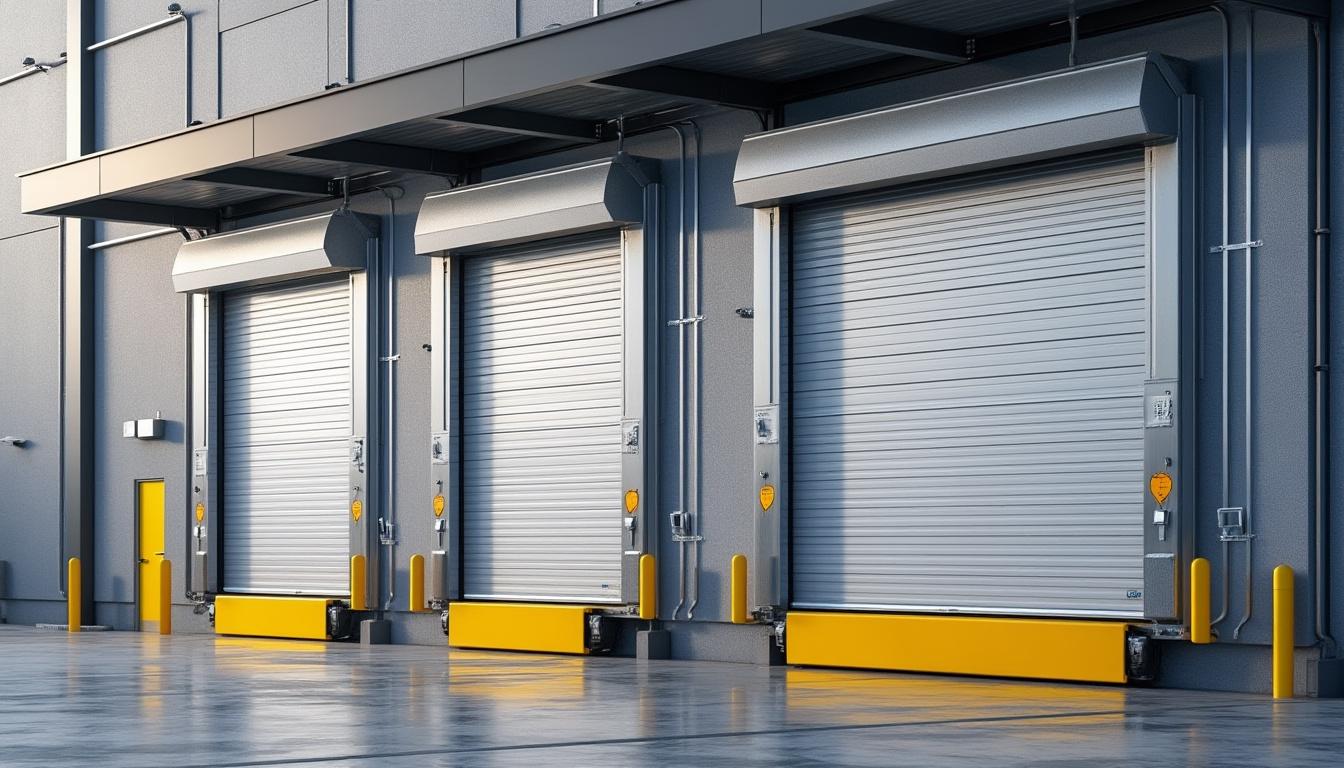
Security and Noise Control Advantages of Insulated Roll Up Doors
Beyond energy efficiency and thermal control, insulated roll up doors offer formidable security benefits essential for protecting commercial and industrial properties. The insulated slats are typically twice as thick as standard models, providing enhanced resistance to forced entry and physical damage. This increased protection safeguards valuable equipment, inventory, and personnel inside the building.
Moreover, the construction of these doors includes tight seals on all edges, which limit infiltration by dust, pests, and environmental pollutants, contributing to a cleaner and safer indoor environment. These properties make insulated roll up doors favored choices for warehouses and service areas where security and contamination control are critical.
Soundproofing is another key advantage. The insulating core substantially reduces sound transmission, creating quieter interiors. This is particularly beneficial for spaces located near busy roads or noisy industrial zones where noise pollution can affect worker productivity and comfort. The sound-dampening effect of polystyrene or polyurethane insulation muffles external noise substantially more than traditional steel doors.
In addition, insulated doors help extend the life expectancy of operating components such as motors and hardware by protecting them from temperature extremes and environmental wear. This durability translates to fewer repairs and lower maintenance costs over the door’s operational life.
Commercial operations can look towards trusted manufacturers such as Cookson Door’s insulated roll up garage doors which combine durability, energy efficiency, and noise control. Their doors come in several finishes and materials, tailored to meet specific security and operational requirements.
Space Saving and Practical Uses of Roll Up Mechanisms in Diverse Settings
One of the practical design advantages of insulated roll up doors is their compact roll up mechanism, which saves crucial floor and overhead space compared to traditional swing or sectional garage doors. This feature is especially valuable in settings where vehicular and pedestrian traffic must remain unobstructed or where ceiling clearance is limited.
In commercial garages, repair shops, cold storage facilities, and warehouses, the roll up doors quickly retract vertically, freeing space directly in front of the door. This optimizes workflow and safety when handling large equipment or multiple vehicles. Additionally, the rapid cycle times of high-performance insulated models reduce open-door exposure time, further contributing to maintaining stable interior temperatures.
For residential applications, insulated roll up garage doors provide a sleek, modern alternative that enhances curb appeal and bolsters home energy efficiency. Their space-saving properties allow for more flexible interior storage and workspaces without compromising on noise reduction or security.
In summary, the combination of thermal insulation, soundproofing, durability, and space efficiency positions insulated roll up doors as a highly versatile solution across industrial, commercial, and residential sectors. Their growing popularity reflects an informed response to evolving energy standards and functional demands in 2026’s construction market.
- Space-saving vertical roll mechanism suitable for limited clearance areas
- Effective temperature control reduces energy expenses across seasons
- Enhanced security through thicker slat construction
- Soundproofing ideal for noise-sensitive environments
- Durability ensures long-term dependable performance