
Insulated tarps have emerged as a game-changer for outdoor projects across the United States, especially as unpredictable weather patterns in 2026 continue to challenge construction schedules and project quality. These innovative covers do more than shield your work from rain or snow—they actively manage temperature control, protect sensitive materials, and boost energy efficiency on job sites, farms, and recreational areas alike. From curing concrete to safeguarding camping gear, insulated tarps deliver a versatile solution for professionals and homeowners looking for durable, weather-resistant protection. Their increasing popularity stems from their ability to reduce delays, keep projects on track, and minimize damage caused by environmental extremes.
While selecting the right insulation material has long been a priority in U.S. building codes for energy efficiency inside structures, the outdoor use of insulated tarps represents a practical extension of this trend. Their capacity to retain heat and resist UV exposure has proven essential not only for construction but also for agricultural setups and even emergency shelters. As industry experts continue exploring tarp layering techniques and innovative compositions of materials, the modern insulated tarp balances affordability with lasting performance, making it a staple in outdoor project management.
Key Points to Remember About Insulated Tarps for Outdoor Projects:
- Effective temperature regulation enhances project outcomes and material performance.
- They provide crucial weather protection, including water resistance and UV defense.
- Insulated tarps offer a durable, cost-effective solution adaptable to construction, agriculture, and recreation.
- Proper layering and material selection dramatically improve insulation efficiency.
- Alternatives like concrete curing blankets exist for applications requiring active heating capabilities.
How Insulated Tarps Function to Control Temperature and Protect Outdoor Projects
At the core of insulated tarps lies a simple yet powerful principle: trapping a layer of air between the tarp and the object underneath to minimize heat transfer. This trapped air acts as an insulator, slowing the exchange between internal and external temperatures, which can be critical in cold or hot weather conditions. For outdoor projects such as construction sites or agricultural setups, this means better preservation of material integrity and improved energy efficiency.
Take concrete curing as a prominent example in the American construction sector. In cold climates or during winter months, concrete poured outdoors can experience delayed curing times or inadequate strength due to rapid cooling and moisture loss. Insulated tarps create a controlled microenvironment over the curing concrete, maintaining steady temperatures and humidity levels essential for proper hydration of cement. This not only accelerates the curing process but also ensures the structure achieves the required durability and load-bearing capacity. In practice, construction crews have noted that insulated tarps can reduce cold weather delays and minimize the need for expensive artificial heating devices.
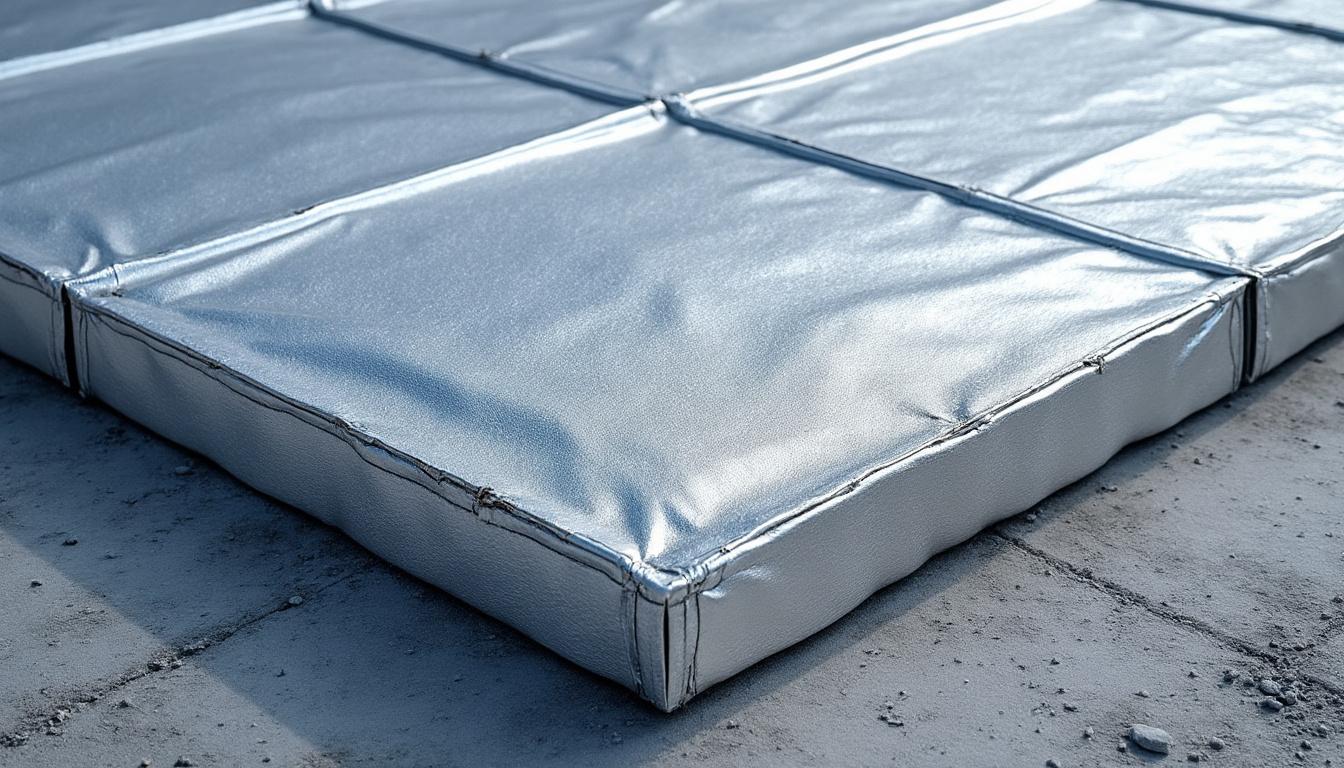
Beyond construction, insulated tarps find their place protecting outdoor storage containers, sensitive equipment, and even camping gear during chilly or wet conditions. Their insulation layers typically consist of either polyester film bonded to reflective foils or closed-cell foam core, each offering distinct advantages in managing heat retention and moisture resistance. The combination of lightweight materials and foldable designs permits easy transport and installation, an essential feature for field operations or remote job sites.
While insulated tarps primarily conserve heat, they also mitigate overheating risks during summer or intense sunlight exposure. The reflective components bounce back solar radiation, assisting in UV protection that extends tarp and material lifespan—a vital consideration in states with strong sun exposure. However, it’s important to remember that insulated tarps do not generate heat themselves; they serve as passive systems that prevent heat loss or reduce heat gain, depending on the environment.
For further insights on how tarps operate in outdoor contexts, readers can explore detailed resources about insulation technology at Powerblanket’s guide to insulated tarps.
Advantages and Considerations When Using Insulated Tarps for Construction and Outdoor Applications
Adopting insulated tarps in your outdoor project can confer a variety of benefits, particularly in terms of weather protection and temperature management. Users report significant improvement in energy efficiency by reducing reliance on supplemental heating or cooling systems, thus lowering overall project costs. The tarps’ water resistance shields materials from precipitation, reducing damage or degradation risks in critical building phases. Additionally, their UV protection properties are essential for prolonging tarp life and safeguarding contents from solar damage.
Durability is another key advantage. High-quality insulated tarps constructed from reinforced polyester or coated foams offer resistance against tearing, wear, and abrasion—necessities in rugged construction environments or during camping excursions. Nevertheless, all tarps face eventual wear due to exposure to ultraviolet light and harsh weather cycles, so periodic inspection and maintenance are recommended to maximize service life.
On the downside, traditional insulated tarps are limited in their warming capability since they do not supply heat actively. As a result, they work best as a supplementary layer in projects where temperature control can be assisted rather than fully achieved by passive means. Environmental factors such as strong winds or dust can also impact tarp condition and insulation performance over time, urging the need for secure fastening and proper handling.
Another consideration lies in material selection. Polyester tarps are widely available and affordable but may degrade faster under direct sun exposure. Conversely, tarps with a closed-cell foam core offer superior insulation and moisture barriers but come at a higher price point. The choice depends on project duration, budget, and specific environmental challenges.
Here is an overview of key pros and cons:
| Pros of Insulated Tarps | Cons of Insulated Tarps |
|---|---|
| Effectively reduce heat loss by trapping insulating air layers | Limited ability to provide active warming—cannot generate heat |
| Protect materials against rain, snow, and UV damage | Plastic-based tarps degrade in prolonged sunlight exposure |
| Lightweight, easy to install and remove | Susceptible to wind and dust damage causing tears |
| Cost-effective compared to permanent insulation solutions | Water-resistant but not fully waterproof—tears leak moisture |
For those involved in demanding outdoor projects, understanding these trade-offs aids in planning and choosing the most suitable insulation method. Further practical tips and innovative tarp uses can be found by consulting creative tarp hacks for outdoors.
Layering Insulated Tarps: Enhancing Energy Efficiency and Insulation for Outdoor Environments
Beyond selecting a quality insulated tarp, the layering technique offers a significant boost in thermal performance, especially vital for longer-term or industrial projects. When properly executed, multiple tarp layers trap successive air pockets that slow heat transfer more effectively than a single layer, promoting superior temperature control.
One practical approach involves using a waterproof polyester tarp as the base layer to block wind and moisture, topped by a breathable canvas tarp to trap warm air without condensing moisture. The two layers must be spaced slightly apart to allow air pockets rather than compressed tightly together. This setup reflects advanced insulation principles used widely in cold-weather construction across the northern United States.
Key benefits of layering tarps include:
- Increased insulation via trapped air pockets improving temperature retention.
- Improved durability by distributing wear across multiple surfaces.
- Enhanced moisture control, reducing mold and mildew risks through breathability.
- Flexible configuration adaptable to seasonal changes and project needs.
Preparation is essential before layering. Cleaning surfaces, removing sharp objects, and ensuring a firm structure prevents damage and maintains insulation effectiveness. Fastening techniques employing bungee cords, reinforced clips, and even sealing tape reduce heat loss around edges and prevent layers from shifting during wind exposure.
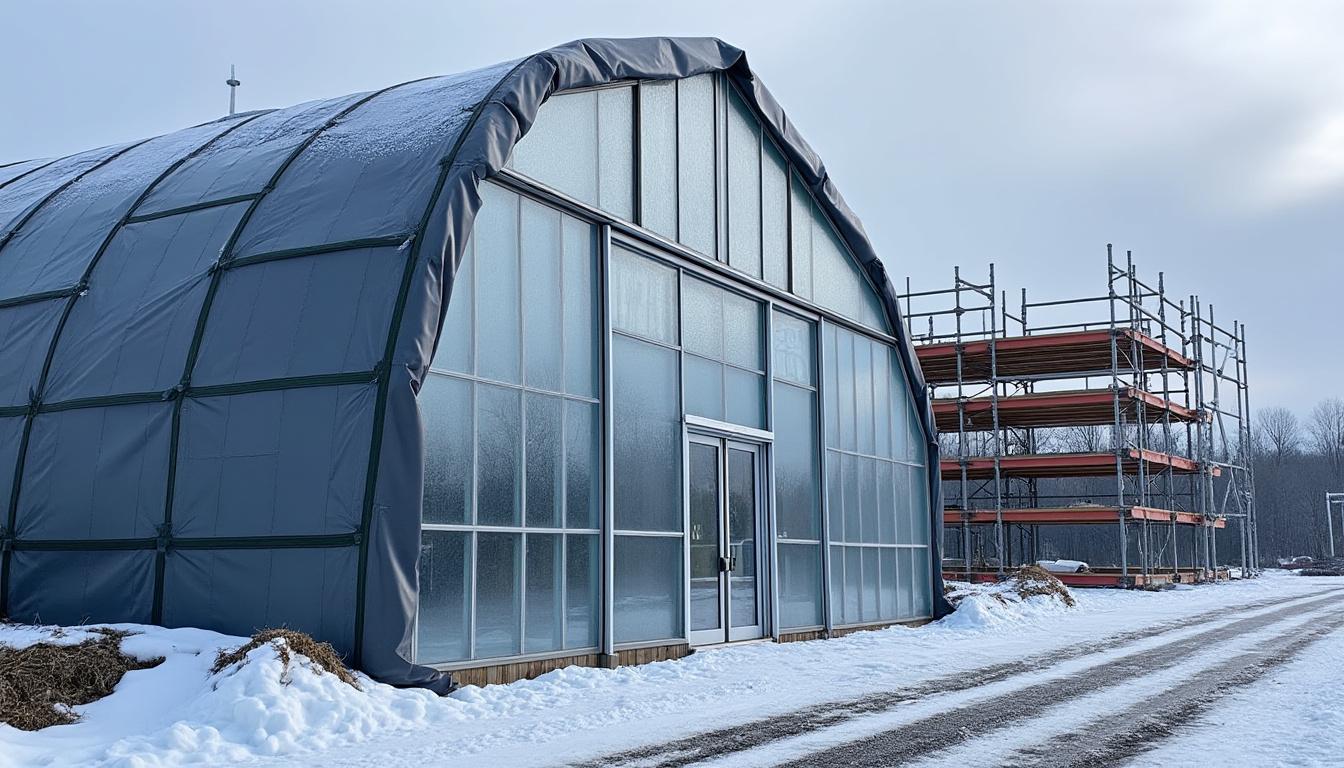
Farmers, shelter builders, and industrial managers increasingly apply these tactics for temporary shelters, greenhouses, and equipment covers, ensuring projects proceed with minimal heat loss and energy waste. Comprehensive guides on layered tarp insulation detail these strategies further, available at tarps and all’s layering resource.
Comparing Insulated Tarps to Other Thermal Solutions: Curing Blankets and Heating Alternatives
While insulated tarps are a reliable passive solution for many projects, situations requiring proactive temperature increases demand different technologies. Concrete curing blankets, for example, not only retain heat but actively produce it through integrated heating elements, dramatically accelerating curing times and ensuring moisture retention even in freezing conditions.
Construction managers aiming to maintain strict cold-weather compliance often choose certified curing blankets like those from Powerblanket. These blankets offer up to 2.8 times faster curing rates compared to insulated tarps alone by applying heat conduction directly to concrete surfaces. Their electrical certification and durable materials make them both a safe and long-lasting option.
Other heating methods include heat trace cables and space heaters, which supply localized warmth but lack the uniform coverage and energy efficiency of thermal blankets. For outdoor projects requiring temporary weather protection without active heating, insulated tarps remain an economical first line of defense, supplemented by these technologies when necessary.
The choice boils down to project demands, budget constraints, and environmental exposure, but professionals increasingly leverage combinations of insulation and heating to optimize results. More detailed comparisons and user guides highlight when to deploy each solution for maximum efficiency.
For a fresh perspective on how insulated tarps compare and integrate with such systems in outdoor settings, readers may consult the extensive information offered at WeatherGuard 360 on insulated tarps advantages.
Expanding Applications of Insulated Tarps: From Camping Gear to Agricultural and Residential Uses
While insulated tarps are predominantly recognized in professional construction and industrial contexts, their versatility has grown remarkably. Outdoor enthusiasts use them as thermal covers over camping gear to extend warmth during chilly nights, enhancing comfort without adding bulk to their packs. Their water resistance and durability make them excellent for protecting tents and equipment in diverse weather, extending the camping season for many adventurers.
In agriculture, insulated tarps help maintain temperature stability in greenhouses and over soil beds, promoting seed germination and protecting plants against frost damage. Their ability to balance sunlight penetration with heat retention assists growers in extending growing seasons and improving yield consistency. Additionally, insulated tarps are employed over animal shelters and even insulated chicken coops to support flock health and reduce energy expenses on farms.
Residential users also benefit by covering outdoor furniture, pools, and building materials during winter months, minimizing weather-related wear or freezing damage. This broad utility reinforces the importance of selecting quality tarps with appropriate UV protection and water resistance for long-term reliability.
Understanding the expanding role of insulated tarps encourages homeowners and professionals alike to explore creative, cost-effective ways to safeguard outdoor investments. Comprehensive advice and tips for insulated tents and similar applications are available at All Year Insulation’s guide on insulated tents and tarps, providing valuable insights into maximizing comfort and protection outdoors.