
When stepping into the world of winter camping or extreme weather outdoor adventures, insulated tents become fundamental assets in ensuring warmth, safety, and comfort. Unlike traditional single-layer tents that offer basic shelter, insulated tents are engineered to optimize thermal retention and cold protection, transforming a temporary shelter into a haven against the elements. Their design aligns with advances in insulation materials and targeted temperature regulation techniques, addressing the core challenges of heat preservation amid freezing temperatures and harsh winds. Whether you are a weekend camper facing a chilly fall evening or a seasoned explorer braving subzero conditions, understanding what makes insulated tents uniquely effective can decisively elevate your experience and well-being outdoors.
Innovations in 2026 have amplified the functional scope and material quality of insulated tents, marrying weatherproofing capabilities with practical requirements like lightweight packing and ease of setup. The marketplace now offers a broad spectrum of insulated tent models, each tailored to distinct environments and user needs. These shelters are more than mere pieces of camping gear; they embody an integrated system where fabric technology, tent architecture, and complementary insulating accessories work synergistically to reduce heat loss and stabilize internal climates. Accordingly, campers investing in insulated tents benefit not only from material warmth but from scientifically informed strategies that address moisture control, condensation management, and airflow regulation.
The following exploration dives deep into the mechanisms of insulated tents and how they harness thermal principles to maintain inviting climates under bitter conditions. We will examine essential factors influencing heat preservation, from the tent’s structural design to critical gear choices and campsite considerations, providing readers with actionable insights and knowledge to enhance their cold weather sheltering tactics. For those intrigued by the technical and practical facets of staying warm under canvas, this discourse also references expert guidelines and gear reviews, sourced from trusted voices in outdoor living and winter camping communities.
In brief:
- Insulated tents combine advanced textile technology and strategic design to maximize thermal retention and resist extreme weather conditions.
- Double-wall insulated tents with air gaps provide superior cold protection compared to single-wall models by minimizing heat loss and managing condensation effectively.
- Proper sleeping systems featuring high R-value pads and temperature-rated sleeping bags complement the tent’s insulation for full heat preservation.
- Choosing sheltered campsites with natural windbreaks and using ground insulation can greatly improve overall warmth inside insulated tents.
- Supplemental heat sources like tent stoves or hot water bottles enhance comfort but require cautious use respecting ventilation and safety guidelines.
Innovative Design Features of Insulated Tents for Superior Cold Protection
The foundation of effective cold weather camping lies in the design and material composition of your insulated tent. In 2026, insulated tents typically adopt double-wall construction, which consists of an inner breathable layer combined with an outer waterproof rainfly. This configuration derives its advantage from trapping a buffer layer of air between fabric walls, which acts as an insulator by significantly reducing heat exchange with the outside environment. This thermal retention function directly combats the chilly drafts and ambient cold that are prevalent in extreme weather, allowing warmth generated inside to remain contained much longer.
The outer shell uses advanced weatherproofing fabrics such as ripstop nylon coated with durable water repellent and polyurethane layers to shield against snow, rain, and wind. Meanwhile, the inner liner is engineered to allow moisture vapor to escape without letting cold air seep in, thus preventing condensation buildup which can otherwise dampen insulation effectiveness and occupant comfort. Some premium models incorporate additional thermal blankets or reflective insulation layers bonded to the inside walls to multiply heat preservation substantially. These materials often reflect body heat back inward, a critical innovation recognized by winter campers and detailed by resources like expert guides on insulated tents.
One popular example is the winter-rated dome tents optimized for snow load resistance and equipped with minimal mesh panels to limit cold air infiltration. Their architecture includes robust pole frameworks that sustain structural integrity during severe storms, and many versions feature stove jacks—specialized openings enabling safe funneling of heat from portable tent stoves. This combination of thermal and functional engineering substantially enhances cold protection, making these tents preferred choices among extreme weather enthusiasts.
Aside from the shell, careful attention to tent size and volume influences overall efficiency. Smaller tents concentrate the camper’s body heat, improving internal temperature regulation. However, a balance must be struck to avoid a cramped space that could inadvertently increase condensation as moisture lacks sufficient evaporation outlets. Taking these elements into consideration when selecting your insulated tent can be the key to maintaining a warm refuge in freezing conditions.
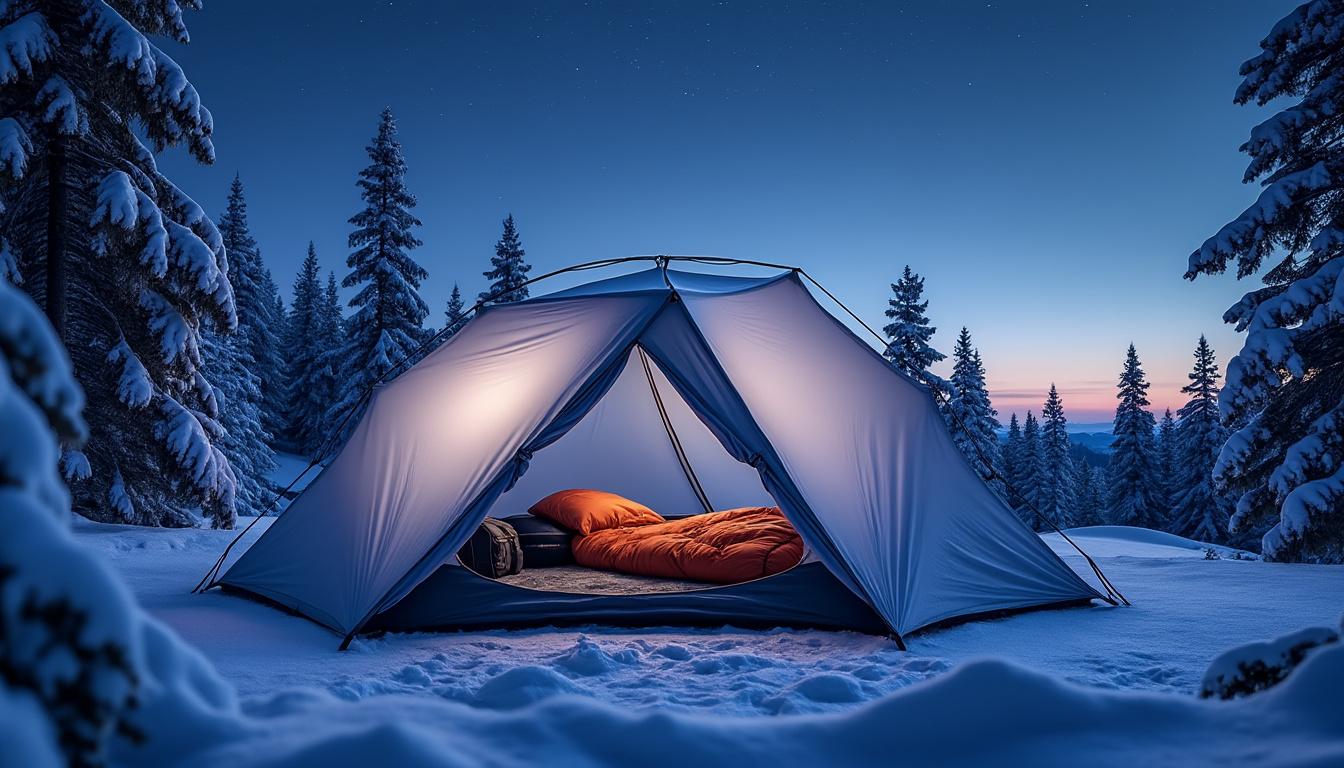
For an in-depth review of how tents manage warmth and insulation, readers can explore detailed analyses at Tentspaces’ guide on keeping tents warm.
Optimizing Thermal Retention With Specialized Camping Gear and Layering Inside the Tent
Even the most sophisticated insulated tent relies heavily on the correct arrangement of camping gear and strategic layering to maximize heat preservation. The combination of the tent’s thermal properties with appropriate sleep systems plays a pivotal role in cold protection. Insulated tents serve as protective envelopes, but it is the choice of sleeping pads, bags, and liners that completes the temperature regulation system.
High-R-value sleeping pads—specifically closed-cell foam or air pads rated above R-4—are essential for preventing conductive heat loss through the frozen ground. Also, sleeping bags designed for temperatures well below the forecasted minimum provide active heat retention and ensure comfort during cold nights. Many winter campers use thermal sleeping bag liners or fleece inserts, which can increase warmth by up to 25°F, without adding significant weight or bulk. Layering such items creates multiple barriers against the cold, mimicking practices shared by experienced outdoorsmen on trusted winter camping tips platforms.
Besides sleeping arrangements, wearing moisture-wicking base layers inside the tent is critical to managing sweat and reducing chill risks. Merino wool or synthetic fabrics excel due to their ability to keep skin dry, contrasting with cotton which loses insulating efficacy when damp. Campers also benefit from readying warm clothing or dry socks to slip into before bedtime, a simple habit proven to improve sleep quality in subzero temps.
Moreover, tents require balanced ventilation to manage condensation created by breath and body heat. Double-wall tents with adjustable vents successfully maintain circulation without sacrificing excessive warmth. This challenge of moisture control underscores a nuanced understanding of thermal retention, where airtightness must be judiciously balanced against the need for fresh air to protect insulation and maintain dry conditions.
Effective Campsite Selection and Setup Techniques to Boost Warmth in Insulated Tents
Beyond the tent’s technology and gear inside, the success of cold weather camping in insulated tents largely depends on campsite choice and how the shelter is erected. The terrain and microclimate around your setup directly affect thermal retention and protection from extreme weather.
Sites nestled behind natural windbreaks such as dense tree stands, rock formations, or hillsides dramatically improve shelter effectiveness. These features reduce exposure to biting winds and cold drafts, which otherwise can sap heat from the tent’s interior. It is crucial to avoid exposed ridgelines or valleys where cold air pools and accelerates heat loss.
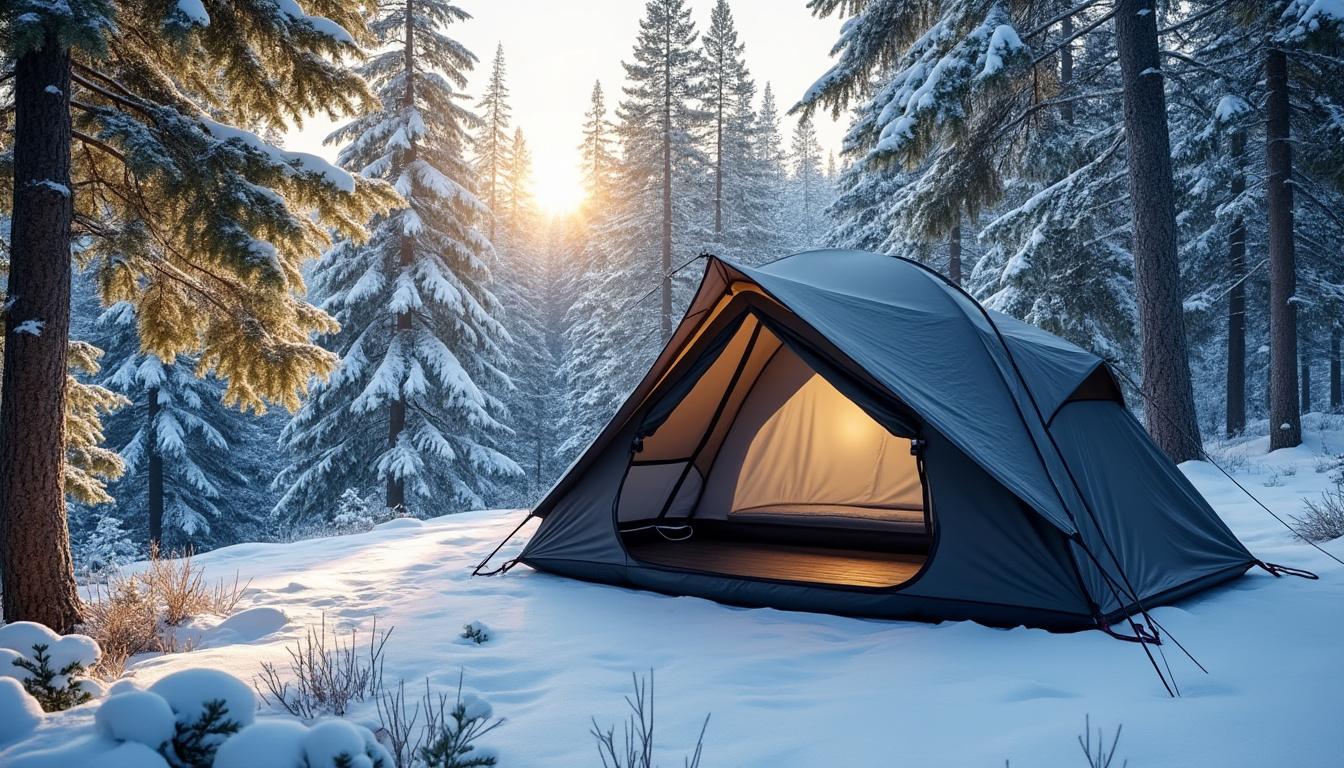
Sun exposure during daylight hours is another invaluable natural warming agent. Positioning the tent in places that receive morning sunlight helps prewarm the shelter and reduces the initial chill upon waking. On the ground level, using insulating footprints, tarps, or additional rug layers underneath the tent cuts down conduction heat loss from frozen earth, protecting campers from the often overlooked bottom-up chill.
| Insulation Aspect | Technique or Gear | Benefit |
|---|---|---|
| Tent Walls & Roof | Double-wall construction, thermal liners | Improves heat trapping and protects against moisture |
| Floor Insulation | Closed-cell foam pads, ground tarps, rug layers | Blocks conductive heat loss from the cold ground |
| Sleeping System | High R-value sleeping pads, thermal sleeping bags and liners | Optimizes body heat retention within the tent |
| Ventilation | Adjustable vents, moisture management tactics | Prevents moisture buildup and condensation damage |
| Supplemental Heat | Hot water bottles, hand warmers, tent stoves | Provides additional warmth for extreme cold conditions |
Experts repeatedly emphasize integrated strategies that combine site selection, tent setup, and thermal gear considerations. Visit detailed advice on insulating tents for winter camping to deepen your understanding of these interconnected factors.
Supplemental Heat Sources and Smart Tips to Enhance Warmth in Extreme Weather Conditions
The best insulated tents create baseline warmth, but when temperatures plunge dramatically, supplemental heat sources become vital. Traditional methods such as hot water bottles tucked inside sleeping bags offer safe, reliable radiant heat with no fire hazard. Similarly, disposable or rechargeable hand warmers are popular in cold-weather camping kits for providing targeted heat to prevent extremities from freezing.
On the more advanced end, tent stoves made for canvas tents allow substantial heat gain inside the shelter but demand careful ventilation management and the use of stove jacks. These stoves not only boost thermal retention but also enable cooking and drying clothes. The risk of carbon monoxide poisoning mandates strict adherence to ventilation protocols and the presence of CO detectors for safety. For nylon or polyester tents, which usually aren’t compatible with open flame heat sources, some campers rely on battery-operated electric heaters, albeit with close supervision.
Creative campers exploit reflective thermal blankets and Mylar sheets inside their tents, effectively redirecting body heat inward and expanding insulation efficiency. These makeshift innovations complement advanced tent designs and improve comfort remarkably during extended winter expeditions.
Maintaining Insulated Tent Gear and Camp Practices for Consistent Heat Preservation
Beyond selecting the right tent and gear, maintaining comfort in insulated tents over cold seasons involves disciplined habits and equipment upkeep. Layering clothing correctly to trap heat yet avoid sweat accumulation is foundational, alongside pre-bed warm meals and beverages that help sustain core body heat through the night.
Regular inspections of sleeping pads, liners, and tent fabric guard against unnoticed thermal breaches such as tears or compression damage. Prompt repairs preserve insulation functionality, while proper cleaning and storage maintain waterproof coatings critical for weatherproofing. Moreover, switching to dry, warm sleepwear and socks before sleeping prevents internal moisture buildup, a significant factor in thermal loss.
By combining these practical strategies with high-tech shelters, campers can experience enhanced warmth and safety, preparing them confidently for extreme weather challenges. Outdoor enthusiasts can find a wealth of knowledge and product recommendations tailored to cold weather expeditions through trusted platforms, ensuring their insulated tents perform at peak levels long term.