
Fishing and outdoor water activities become significantly more challenging when battling cold and wet conditions. Insulated waders stand as an indispensable piece of fishing gear designed to provide thermal protection, preserve dryness, and enhance overall comfort during these demanding conditions. They serve not just as waterproof clothing but as technical equipment engineered to shield anglers from the biting cold of early mornings or icy waters. In 2026, with continued advancements in materials and ergonomic design, these insulated solutions have evolved to maximize performance while targeting energy efficiency and durability. Anglers now rely on insulated waders not only for staying warm and dry but also to extend their time on the water, improve efficiency, and minimize environmental disturbance.
Key points about insulated waders:
- Provide crucial thermal protection and water resistance for cold weather conditions
- Maintain comfort and improve fishing efficiency by reducing distraction from cold exposure
- Durable construction ensures long-term use in harsh outdoor environments
- Encourage sustainable fishing through enhanced access and habitat respect
- Available in various types catering to different climate and fishing environments
How Insulated Waders Maintain Heat Retention and Waterproof Protection in Cold Weather
Insulated waders expertly combine various materials and layers to keep anglers warm and dry in frequently wet and frigid environments. Their layered construction includes a waterproof outer shell combined with an insulated liner that traps body heat, thereby enhancing heat retention. This design protects against water intrusion while preventing the loss of warmth through conduction and convection. Neoprene, a popular synthetic rubber used in many insulated waders, offers excellent insulation properties. It works not only as a water barrier but also as a layer trapping air pockets, which act as natural insulators.
The thermal protection in insulated waders goes beyond simple warmth. It allows fishermen to remain focused on tasks such as tying flies or handling delicate equipment without the distraction and danger of frostbite or hypothermia. For example, neoprene waders often range from 3mm to 5mm thickness to strike a balance between flexibility and insulation. Meanwhile, breathable waders with quilted or synthetic insulation can keep moisture from internal sweat away, enhancing comfort without overheating during more active use in less extreme cold.
Another critical feature of insulated waders is the waterproof sealing of seams and closures. High-quality waders employ triple or even quadruple seam sealing to ensure no water seeps through stitch holes. Sealed zippers and adjustable gasket-style closures further prevent leaks around the neck, wrists, or boots. These features combined guarantee persistent dryness which, when paired with insulation, delivers a dry, warm microclimate inside the waders.
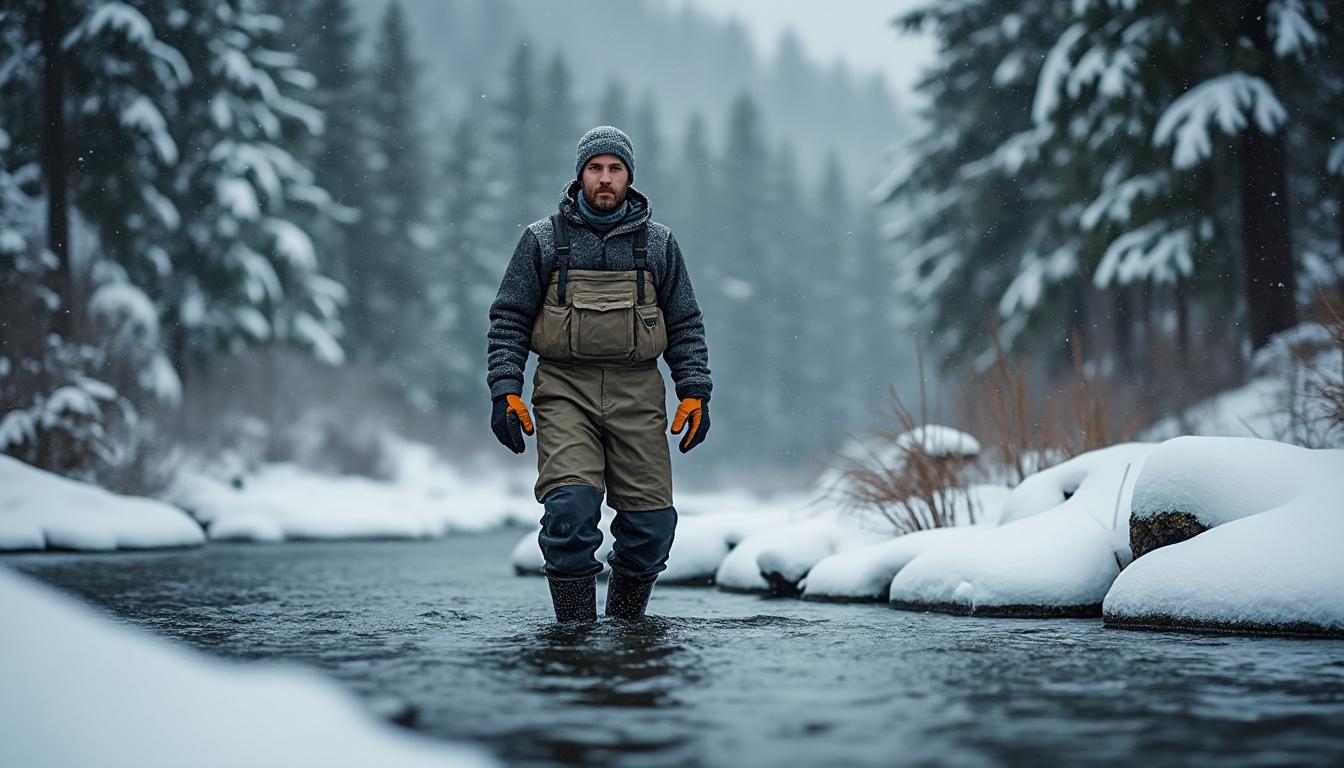
In practical terms, anglers wearing insulated waders can stand knee or chest-deep in icy water for extended periods without significant heat loss. This protection is crucial in winter trout fishing, duck hunting, or cold-weather fly fishing scenarios, where consistent exposure to wet and cold conditions is inevitable. Thus, the combination of waterproofing and thermal retention dramatically enhances both safety and enjoyment outdoors.
Choosing the Best Insulated Waders for Optimal Warmth, Comfort, and Durability
Selecting insulated waders involves balancing multiple factors such as the expected water temperature, fishing environment, duration of use, and personal comfort preferences. The variety in materials and construction quality means anglers must match their choice to the conditions they regularly face. For instance, neoprene waders excel in deep winter conditions because of their thick insulation, while breathable insulated waders suit milder, less wet seasons since they allow moisture to escape and reduce clamminess.
Material Type and Insulation Levels
Neoprene offers excellent thermal protection and durability, but it can become heavy and less breathable over time. On the other hand, breathable fabrics with synthetic insulation provide a lighter alternative and allow extended mobility without overheating, especially in fluctuating temperatures. Cellulose or fleece linings inside some models add extra warmth without bulk.
Durability Features and Protective Reinforcements
Today’s insulated waders often incorporate reinforced knees and seat areas to guard against abrasion. Double or triple-layer fabric in high-wear zones prevent early damage, making them a practical investment for regular use. Ensuring sealed seams and durable stocking or boot foot attachments are crucial to maintaining long-term water resistance and heat retention.
Fit and Functional Design
The correct size and fit are paramount. Insulated waders must allow freedom of movement, incorporating space for mid- to heavy-weight layering beneath without feeling restrictive. Adjustable suspenders, ergonomic boot designs, and built-in handwarmer pockets all contribute to an enhanced fishing experience. Optimal ventilation options or adjustable neck collars can help regulate temperature, avoiding overheating during warmer spells or active movement.
To explore more options crafted for cold water fishing, you can review the latest comprehensive guides such as those available on trusted winter fishing wader reviews. These resources consolidate consumer feedback and technical details to aid in informed decisions.
| Material | Insulation | Durability | Ideal Conditions |
|---|---|---|---|
| Neoprene | High | High | Cold water, prolonged exposure |
| Breathable synthetic | Moderate | Medium | Mild cold, longer walks |
| PVC | Low | Medium | Occasional, shallow water use |
Maintaining Your Insulated Waders for Longevity and Performance
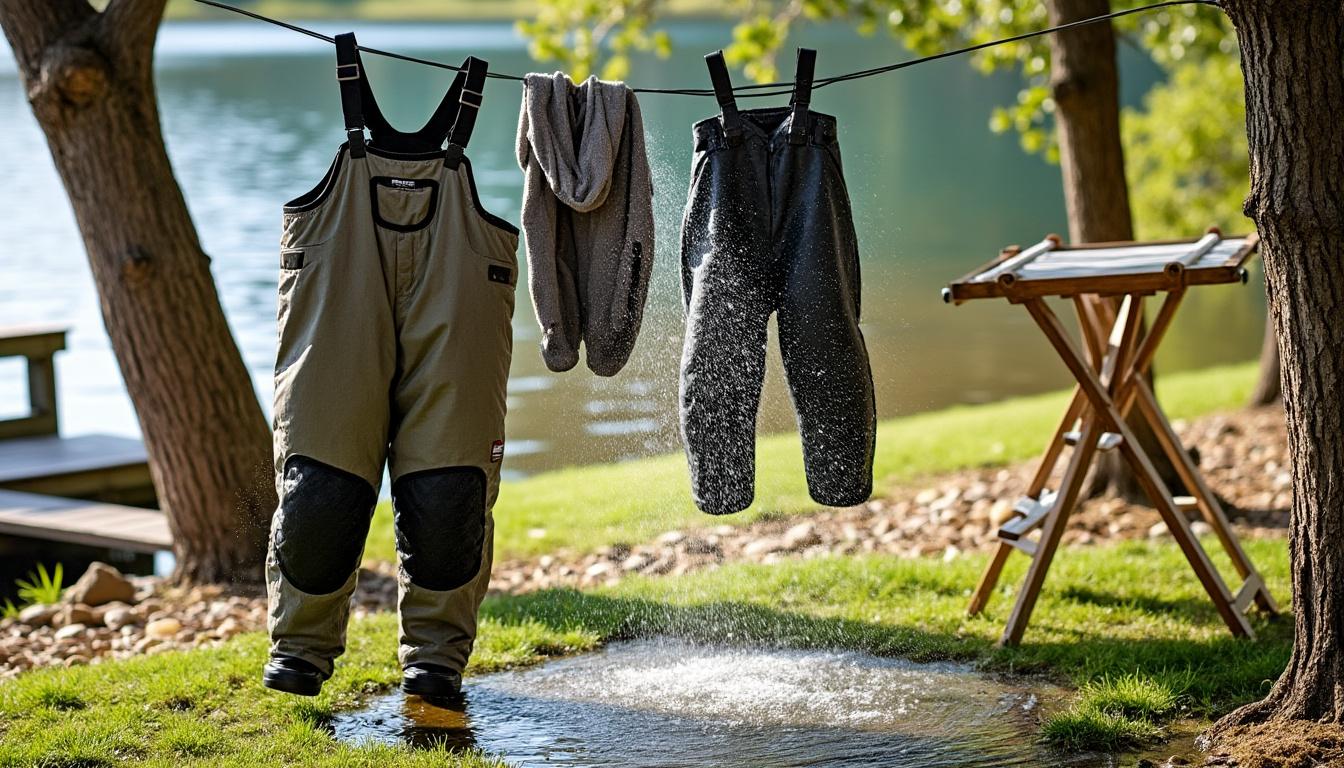
Proper maintenance is essential to preserve the functionality of insulated waders and extend their lifespan through multiple fishing seasons. After every use, rinsing waders with fresh water to remove mud, dirt, and salt prevents material degradation and staining. Drying them thoroughly is equally critical; however, avoid direct sunlight exposure which can weaken the outer shell and fade insulation effectiveness.
Storing insulated waders properly ensures they maintain shape and avoid cracks or splits. Hanging waders on broad, sturdy hangers keeps fabric taut and discourages creasing. When inspecting gear, look closely for small tears, seam failures, or punctures. Prompt repairs with designated patch kits are recommended to prevent leaks before they escalate to costly problems.
Additionally, taking care of the boots or stocking feet attached to your waders guarantees continued water resistance and comfort. Cleaning out debris from boot insides and checking outsole wear remain paramount for safety and warmth.
Many anglers have found that a little preventative care, combined with careful field usage, saves money and improves performance year after year. For detailed tips on maintenance, consider expert advice offered by outlets like insulated chest waders maintenance guides.
Sustainable and Ethical Aspects of Insulated Waders in Modern Fishing Practices
Fishing sustainably has become a key priority for many anglers in 2026, and insulated waders play an unassuming but critical role in this effort. By enabling fishermen to access sensitive habitats without disturbing sediment or aquatic life unnecessarily, waders reduce environmental impact. Their design allows for minimal interference with natural ecosystems while promoting catch-and-release techniques, which are vital for maintaining fish populations.
More manufacturers are now adopting eco-friendly materials in insulated waders production. Some incorporate recycled fabrics or biodegradable insulation materials, aiming to reduce carbon footprints and chemical emissions traditionally associated with neoprene and PVC manufacturing. Additionally, advances in non-toxic adhesives and low-emission dyes reflect a tidal shift toward greener production pipelines.
By choosing sustainably made insulated waders, anglers contribute to the demand that encourages environmentally responsible innovation. These products balance long-lasting durability with reduced environmental harm, marrying the needs of outdoor adventure with conservation ethics perfectly. Industry trends highlighted on platforms such as comprehensive wader guides reveal a positive direction toward greener fishing gear without sacrificing performance.
Common Challenges and Practical Tips for Using Insulated Waders Effectively
Despite their advantages, insulated waders can present challenges such as leaks, improper fit, or occasional discomfort. Many anglers experience leaks caused by worn seals or accidental punctures. Fortunately, minor leaks can be rectified quickly with patch kits specifically designed for wader materials.
Fit issues can be mitigated by trying waders on with appropriate layering to ensure mobility and warmth without restriction. Many find that investing in adjustable suspenders or belt systems dramatically increases comfort during long sessions. Choosing bootfoot versus stocking-foot models depends on personal preference and terrain.
To maximize effectiveness, consider the following practical tips:
- Customize layers underneath based on weather and water temperature for optimal heat retention
- Wear durable, high-traction boots compatible with wader integration to improve safety on slippery surfaces
- Practice slow, deliberate movements in water to minimize disturbance and maintain stability
- Use accessories like insulated handwarmer pockets and storage loops to keep essentials accessible
For further insights into overcoming frequent issues and maximizing the benefits of insulated waders, informative reviews such as those found on trusted fishing wader review portals deliver valuable real-world experiences and buyer advice.