
Efficient plumbing is a cornerstone of modern residential and commercial buildings, where maintaining optimal water temperature and preventing pipe damage are paramount. One critical element in this pursuit is the insulation of PEX pipes, a popular flexible piping material known for its durability and ease of installation. Properly insulating these pipes not only preserves water temperature but also boosts plumbing efficiency, reducing energy costs and protecting against the potentially costly consequences of pipe freezing or heat loss in colder climates or poorly insulated spaces.
In recent years, the growing emphasis on sustainable building practices has propelled interest in advanced PEX pipe insulation methods. Building owners and contractors alike seek solutions that combine material performance with ease of application, ensuring a thermal barrier that retains heat efficiently while resisting environmental wear. From foam pipe sleeves to reflective wraps and spray foam insulation, these materials provide varying degrees of pipe thermal protection tailored to specific installation contexts.
With the U.S. market evolving under stringent building codes and energy standards, comprehending the nuances of pipe heat retention strategies is essential. For instance, buildings in northern states face different challenges with freezing prevention compared to those in milder climates where heat retention is the main concern. This situational awareness guides material choice and installation techniques. Moreover, cost-effectiveness remains a decisive factor as homeowners and commercial property managers weigh upfront expenses against long-term energy saving plumbing benefits.
In brief:
- PEX pipe insulation is crucial for maintaining plumbing efficiency and preventing heat loss.
- Different insulating materials like foam sleeves and reflective wraps offer varying thermal barriers suitable for specific environments.
- Proper insulation prevents pipe freezing, a major threat in cold regions.
- Energy saving plumbing is increasingly supported by meeting U.S. codes and standards through quality thermal protection.
- Installing and choosing the right type of pipe insulation affects both immediate costs and long-term savings.
Understanding PEX Pipe Insulation: Materials and Their Efficiency in Plumbing
PEX pipes have revolutionized the plumbing world due to their flexibility, resistance to corrosion, and longevity. However, their benefits can be offset if they are not properly insulated, resulting in inefficient water temperature management and increased energy consumption. To address this, a variety of insulating materials have been developed that focus on maximizing pipe heat retention while creating a robust thermal barrier.
The most common insulating materials for PEX pipe insulation include foam pipe sleeves, fiberglass wraps, rubber insulation, and spray foam. Each offers distinct advantages depending on the installation site and the degree of insulation required.
Foam pipe sleeves are particularly popular because of their ease of installation, affordability, and effective insulation properties. Made from polyethylene or elastomeric foam, these sleeves fit snugly around pipes, creating a continuous insulation layer that minimizes heat transfer. Their closed-cell structure reduces water vapor permeability, which is essential for preventing condensation on cold water pipes.
Fiberglass insulation, though more common in HVAC ducts, is sometimes utilized around water pipes, especially when a thicker thermal barrier is necessary. It excels at preventing heat loss for hot water applications but requires a protective jacket to guard against moisture and damage.
Rubber insulation offers flexibility similar to foam but with enhanced resilience to extreme temperatures and UV exposure, making it suitable for outdoor or semi-exposed plumbing.
Spray foam insulation, often used in more advanced setups or retrofits, provides a seamless seal and superior thermal resistance. While it demands professional installation, spray foam can fill irregular spaces around pipes, serving as an excellent thermal barrier in crawl spaces or attic piping.
Choosing the right insulating material depends not only on its thermal performance but also on the environment where the pipe is located, ease of installation, fire resistance, and compliance with local building codes. Combining materials may sometimes yield the best results — for example, foam sleeves paired with a reflective vapor barrier can significantly enhance energy saving plumbing outcomes.
Installation Methods to Maximize Plumbing Efficiency with PEX Pipe Insulation
Efficient insulation installation is as vital as selecting the correct material. Improperly insulated pipes can lead to heat loss, condensation issues, and even freeze damage despite using high-quality insulating materials. Therefore, mastering installation techniques is key to achieving optimal pipe thermal protection.
First, it is critical to ensure that the pipe’s surface is clean and dry before applying any insulation products, as dirt or moisture can compromise adhesion and the insulation’s integrity. Measuring pipe length and diameter accurately enables the selection of appropriately sized sleeves or wraps, preventing gaps where heat loss can occur.
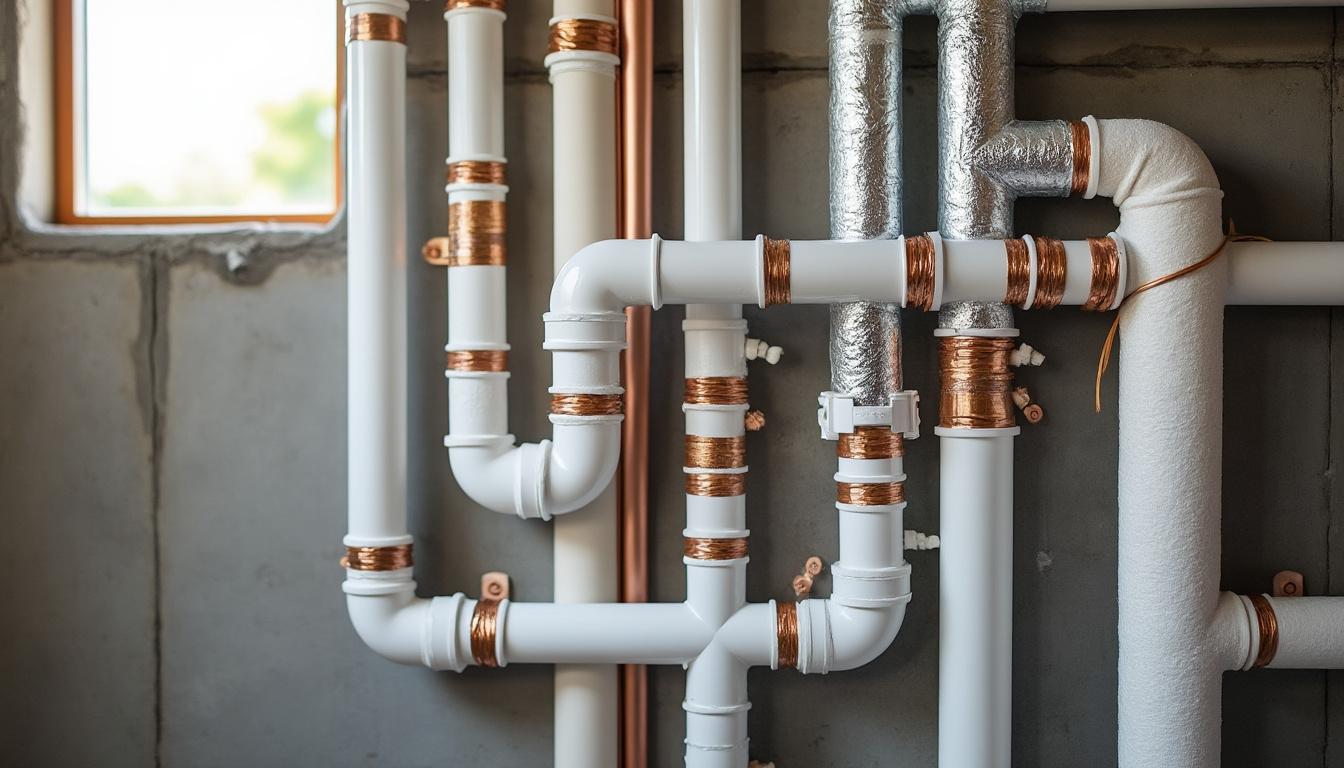
Foam pipe sleeves are typically split down their length for easy installation. They should be cut to length with a sharp blade and fit snugly around the PEX pipe. To ensure a seamless thermal barrier, the slit should be sealed with specialized tape or adhesive. When multiple sections are joined, overlapping or sealing the seams further prevents thermal leakage.
For fiberglass wraps, the installation includes wrapping the insulation material carefully around the pipe, followed by securing it with wire or insulation tape. Because fiberglass is prone to moisture absorption, a vapor barrier wrap is often applied externally.
Spray foam requires technicians to apply it in even, controlled layers around the pipe, fully encapsulating it and sealing gaps that conventional insulation might miss. This method is particularly effective in crawl spaces or areas where pipes pass through walls or floors, as it adds both insulation and airtightness.
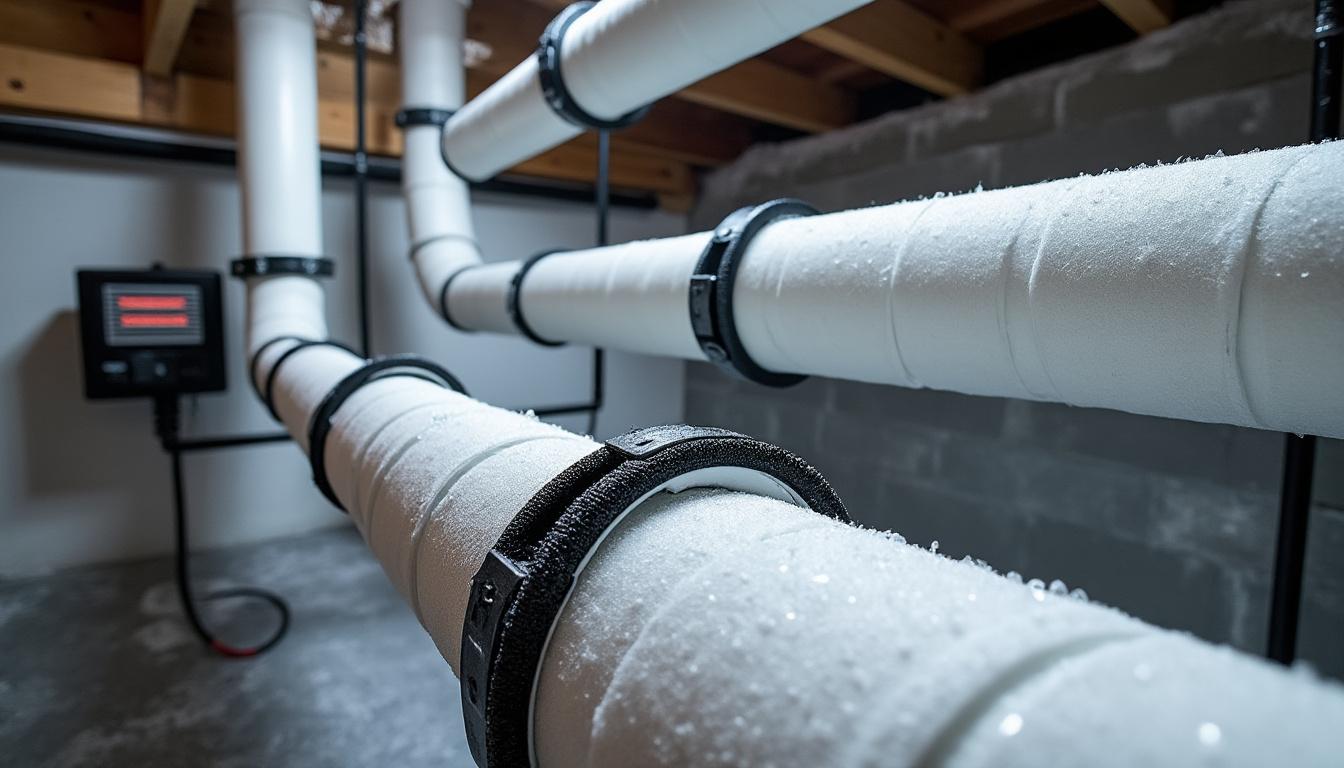
In colder climates, additional steps like adding electrical heating cables in conjunction with insulation can provide freeze protection. These cables gently warm the pipe while the insulation retains the heat, preventing costly pipe bursts during winter.
The importance of adhering to manufacturer guidelines and local plumbing codes during insulation installation cannot be overstated. For instance, building codes may require specific fire-resistant insulation types in commercial buildings or insulation to extend over a minimum pipe length for effective energy conservation.
Successful installation thus combines proper preparation, material choice, and meticulous workmanship to achieve a pipe thermal protection system that optimizes plumbing efficiency and lowers energy bills.
Preventing Pipe Freezing with Effective PEX Pipe Insulation Strategies
Pipe freezing remains a significant concern in many U.S. regions, posing risks of water damage, costly repairs, and inconvenient downtime. PEX pipes, while more resistant to bursting than rigid pipes, are not immune to freezing damage. Insulating these pipes effectively is crucial to prevent freeze-related plumbing failures.
Freeze prevention through insulation involves creating a thermal barrier that maintains pipe temperatures above freezing even in extreme cold. Foam pipe sleeves with closed-cell structures offer a primary defense by impeding thermal loss and keeping the pipe environment warmer for longer.
In areas with prolonged subfreezing temperatures, additional insulation layering combined with heat trace cables can prove lifesaving. The heat trace system works by gently warming the pipe surface, while proper insulation preserves this heat. Such systems are common in commercial or critical plumbing where water outage or damage would be unacceptable.
Beyond purely thermal methods, situating PEX pipes internally within building envelopes or insulated plumbing chases further reduces exposure to ambient cold. Crawl space water pipe insulation, for example, is essential in homes with unfinished or unheated basements where temperature swings are common.
Real-world cases illustrate these strategies’ effectiveness: one New England homeowner prevented repeated pipe freezing by retrofitting foam sleeves combined with electrical heating cables in an exposed basement plumbing system. This combined approach reduced winter plumbing issues by over 90%, according to local contractors.
Implementing these preventive measures not only secures the plumbing infrastructure but supports energy saving plumbing solutions by avoiding wasted hot water circulation caused by heat loss and freeze-related repair work.
Cost Considerations and Long-Term Benefits of PEX Pipe Insulation
Budgeting for PEX pipe insulation involves balancing upfront costs against potential savings from enhanced plumbing efficiency and reduced maintenance costs. While some insulation materials like foam pipe sleeves are relatively inexpensive, advanced solutions such as spray foam or heat tracing systems require a higher initial investment.
Cost factors include material price, labor for installation, and any additional components like tapes, sealants, or heating elements. However, when evaluated over time, these costs often pale in comparison to the savings realized from reduced energy consumption, lower water heating bills, and extended pipe lifespan.
For example, a typical foam pipe sleeve might cost just a few dollars per foot, with installation taking minimal time and reducing heat loss by 30-50%. Spray foam insulation, though pricier, can yield up to 70% heat retention on exposed plumbing segments by eliminating gaps and sealing difficult areas.
To illustrate the economic trade-offs, the following table summarizes insulation types, approximate costs, and expected thermal performance for PEX pipes commonly found in U.S. buildings:
| Insulation Type | Average Cost (per linear foot) | Thermal Efficiency | Ideal Use Case |
|---|---|---|---|
| Foam Pipe Sleeves | $0.50 – $2.00 | Moderate – High | Indoor plumbing, crawl spaces |
| Fiberglass Wraps | $1.00 – $3.00 | High | Hot water pipes with vapor barrier |
| Rubber Insulation | $1.50 – $4.00 | High | Outdoor/UV exposed pipes |
| Spray Foam Insulation | $3.00 – $7.00 | Very High | Irregular spaces, retrofits |
| Electrical Heat Trace Cable | $5.00 – $10.00 | Freeze Protection | Cold climates, critical pipes |
Long-term benefits of proper PEX pipe insulation extend beyond energy and cost savings. Enhanced pipe protection reduces the likelihood of corrosion, condensation issues, and mechanical damage. Additionally, efficient pipe heat retention improves water delivery times at the tap, promoting user comfort and cutting down on waste.
Investors and property managers increasingly view pipe insulation as a valuable upgrade that improves building sustainability ratings and aligns with energy conservation standards, making these improvements attractive for both new construction and retrofitting existing structures.
Future Trends in PEX Pipe Insulation and Plumbing Efficiency Optimization
The future of plumbing efficiency with PEX pipe insulation lies in innovative materials and smart technologies designed to enhance performance and sustainability. Emerging products focus on improving the R-value (thermal resistance) while reducing installation complexities.
One promising trend involves integrating reflective vapor barriers with foam pipe sleeves to create multi-layered insulation that reflects radiant heat back into the pipe, amplifying pipe heat retention. This hybrid approach optimizes small spaces where thick insulation isn’t feasible but thermal protection is critical.
Another advancement is the use of phase-change materials (PCMs) incorporated into pipe insulation. These materials absorb or release heat as temperatures fluctuate, stabilizing pipe temperatures dynamically throughout the day and night.
Furthermore, digital monitoring systems combined with heat trace cables provide real-time data on pipe temperature and performance, enabling proactive maintenance and energy management. Homeowners and facility managers can remotely adjust heating elements or detect insulation failures before costly damage occurs.
Environmental considerations are also prompting greater use of sustainable and recyclable insulation materials that minimize ecological footprints. Biodegradable foam alternatives and recycled rubber insulations are gaining traction alongside efforts to reduce volatile organic compounds (VOC) emissions during installation.
Overall, these trends indicate a substantial elevation in plumbing efficiency practices, integrating advanced materials science, technology, and environmental stewardship. Knowledgeable professionals who stay informed about evolving standards and products will be best positioned to implement top-tier pipe thermal protection systems in 2026 and beyond.