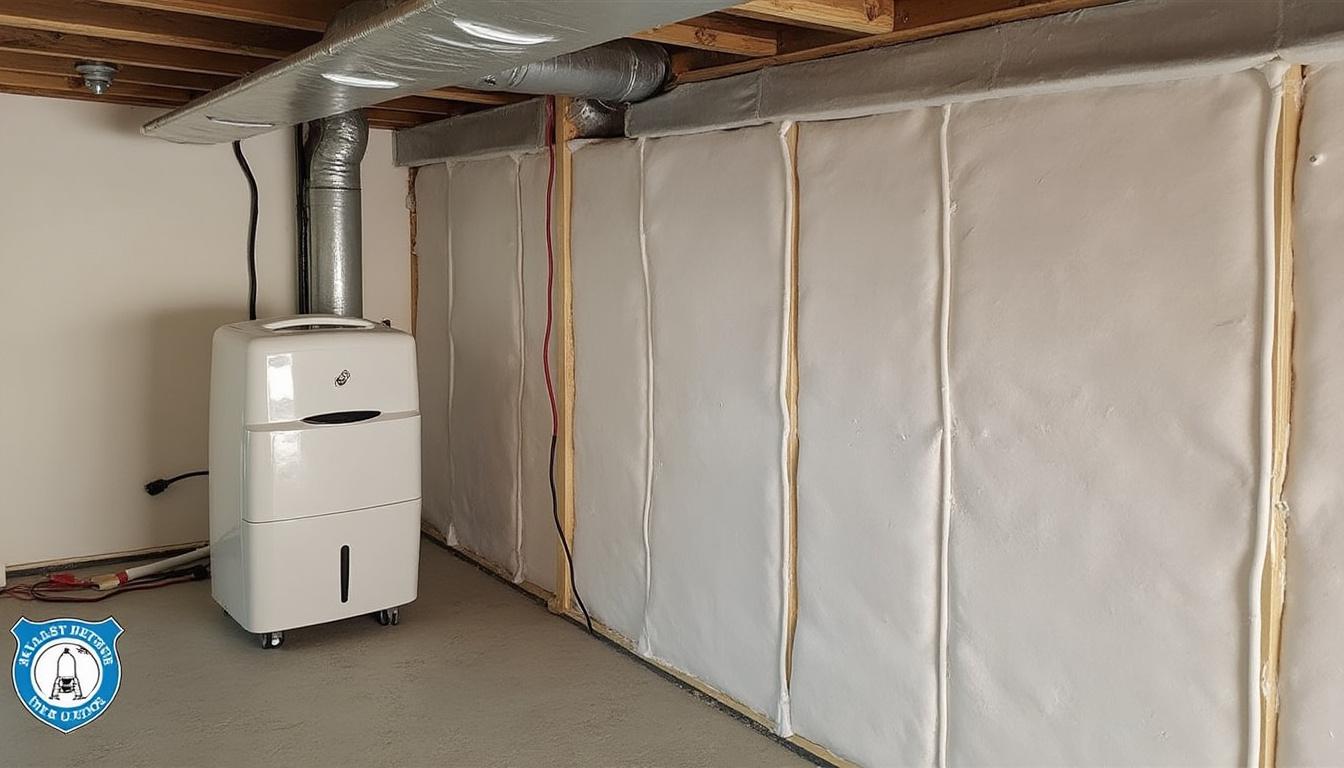
Basement insulation is a critical yet often overlooked component in U.S. home construction and renovation, especially when striving for energy efficiency and comfort across residential and commercial properties. As below-grade areas, basements are particularly vulnerable to heat loss, moisture infiltration, and condensation, often translating into higher energy bills and uncomfortable living conditions. Proper insulation of basement walls serves as a vital thermal barrier that not only stabilizes temperature but also mitigates dampness, reducing the risk of mold and structural damage. In 2026, evolving building codes and material technologies continue to emphasize comprehensive basement insulation as an indispensable element in modern construction practices.
Key takeaways:
- Basement insulation dramatically improves whole-house energy efficiency by reducing heat loss through walls and rim joists.
- Comprehensive insulation systems incorporate moisture control strategies that prevent mold, musty odors, and water damage using vapor barriers and sealing methods.
- Selection of appropriate insulation materials such as spray foam, rigid foam boards, or mineral wool impacts installation ease and long-term durability.
- Effective installation techniques involve moisture testing, sealing tie rods, creating support frameworks, and finishing with suitable drywall and paints.
- Proper care and maintenance extend the life and efficiency of insulation, ensuring continual comfort and lower utility costs.
Understanding the Importance of Basement Insulation for Energy Efficiency and Comfort
Basements can be a major source of energy loss in American homes. With up to one-third of a home’s heat escaping through uninsulated basement walls and rim joists, insulating this space is critical to maintaining consistent indoor temperatures and reducing heating and cooling costs. The U.S. Department of Energy estimates that proper insulation can save homeowners between 10-30% annually on energy bills, a significant amount especially in colder regions where basements are common.
This phenomenon is largely driven by the stack effect, where warm air rises and escapes from cracks around plumbing, electrical penetrations, and rim joists, pulling cold air into the basement areas. Spray foam insulation is a leading solution here due to its excellent air-sealing properties which prevent drafts and enhance the thermal barrier. Unlike fiberglass, which allows air infiltration and can harbor pests like rodents, spray foam deters these intrusions by creating a tight, uninviting surface.
A common misconception is that soil surrounding basement walls naturally insulates the space, but in reality, ground temperatures fluctuate and do not prevent heat transfer effectively. Adding basement wall insulation ensures that below-grade walls perform as thermal barriers and prevents heat from dissipating into the soil.
Besides energy considerations, insulated basement walls contribute substantially to home comfort. They keep floors warm, reduce dampness-related odors, and help maintain livable conditions throughout the year. Homeowners looking to finish their basements should prioritize insulation early in the remodeling phase for maximum benefit.
Selecting the Right Insulation Materials for Basement Walls: Balancing Moisture Control and Thermal Performance
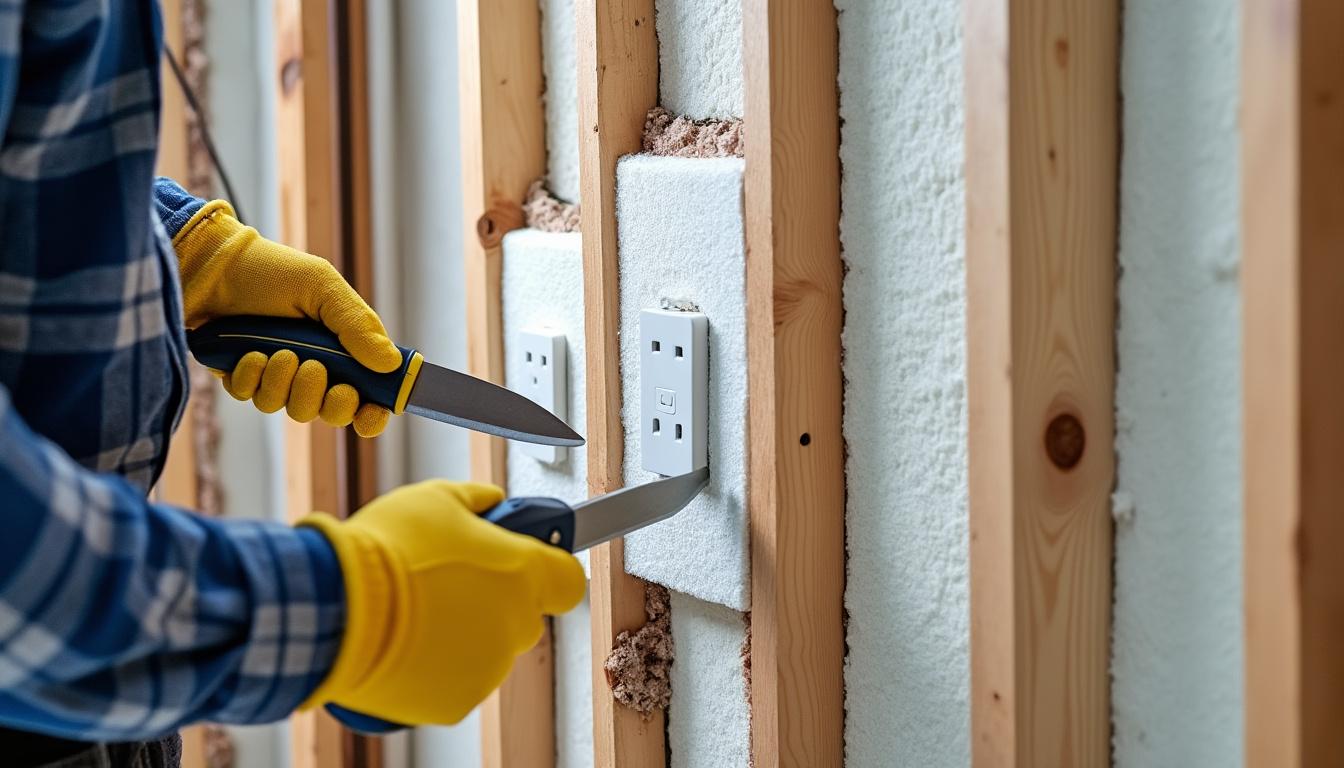
Choosing appropriate insulation materials for basement walls is critical due to the unique challenges posed by below-grade conditions, such as high humidity and potential water infiltration. Popular options include rigid foam boards (such as polystyrene and penoplex), spray foam insulation, fiberglass batts, and mineral wool. Each varies in R-value, moisture resistance, installation difficulty, and cost.
Rigid foam boards, especially extruded polystyrene (XPS) and penoplex, offer high R-values per inch and excellent moisture resistance, making them a popular choice for basement walls. Their solid structure acts as a reliable vapor barrier to prevent water vapor migration and condensation, crucial for minimizing mold risks. They can be installed directly on concrete walls with adhesive, creating a continuous insulation layer.
Spray foam insulation is favored for rim joists and tight spaces due to its superior air sealing and insulation properties. Both closed-cell and open-cell varieties are available, with closed-cell offering better moisture control and structural reinforcement. However, it tends to be more expensive and requires professional installation for optimal performance. For detailed information on spray foam’s energy benefits, the reader can refer to comprehensive guides about closed-cell foam insulation values.
Fiberglass insulation, though cost-effective and widely available, is not recommended for basement walls where moisture levels can be high since it can trap moisture and encourage mold growth. Mineral wool presents a middle ground, offering mold resistance and good thermal performance but often at higher price points.
Besides material choice, proper establishment of moisture control layers including vapor barriers and air-sealing techniques is paramount. Most experts advise treating insulation as part of a whole-wall assembly that controls vapor diffusion, prevents condensation, and supports indoor air quality.
Key material properties to consider:
| Material | Typical R-Value (per inch) | Moisture Resistance | Air Sealing Ability | Installation Complexity |
|---|---|---|---|---|
| Extruded Polystyrene (XPS) | 5.0 | High | Moderate | Moderate |
| Penoplex Foam Board | 4.5 – 5.0 | High | Moderate | Moderate |
| Closed-Cell Spray Foam | 6.0 – 7.0 | High | Excellent | Professional |
| Fiberglass Batts | 3.1 – 3.4 | Low | Poor | Easy (DIY) |
| Mineral Wool | 3.7 – 4.2 | Moderate | Moderate | Moderate |
Understanding these qualities helps homeowners and contractors select insulation tailored for basement environments to optimize both energy savings and durability. For a practical walk-through on installing foam boards, tutorials like how to insulate basement walls the right way provide step-by-step advice and real-world application tips.
Effective Installation Techniques: Steps to Insulate Basement Walls Correctly
Highly effective basement wall insulation hinges on proper installation methods, which ensure the insulation performs as intended without leading to moisture or structural problems. The initial step always begins with a thorough assessment and preparation of the basement walls.
Step 1: Moisture Assessment and Mitigation
Before applying insulation, testing basement walls for moisture is critical. A simple DIY test using plastic sheeting and duct tape can reveal water intrusion. Homeowners cut a plastic section, tape it tightly over a concrete area, and monitor it for condensation over 48 hours. If moisture appears, water sealing measures must be undertaken first.
Tie rods embedded in foundations can cause localized leaks. Sealing these with hydraulic cement after recessing them below the wall surface is a common practice that significantly improves basement dry conditions.
Step 2: Applying Insulation Panels
Using 2-inch thick polystyrene foam panels featuring tongue-and-groove edges allows for tight installations with minimal air gaps. Panels are secured to cleaned and prepped walls using solvent-free adhesive, starting from corners and working across walls horizontally. This process creates a continuous thermal barrier while also serving as a vapor barrier.
Step 3: Building a Wood Grid for Drywall
To install drywall safely over foam, a wood grid system is fastened to the concrete wall through the foam. Typically, 1×3 spruce boards are attached first horizontally, drilled through both foam and concrete using a hammer drill and masonry bit, and then spaced vertically every 16 inches on center. This framework supports drywall attachment and provides room for electrical wiring or plumbing.
Step 4: Drywall and Finishing
Moisture-resistant green board drywall is preferred for basement spaces due to its ability to withstand humidity better than standard drywall. After installation, joints can be taped using either paper tape or fiber mesh tape, each with respective joint compound treatments. The walls are then painted with mold-resistant paint to bolster moisture protection. Light colors are recommended for basements with limited natural light to enhance brightness.
Throughout this process, meticulous attention to condensation prevention and sealing air gaps ensures that insulation does not become compromised, maintaining long-term performance.
For a video overview of these practical installation steps, consider this expert tutorial on basement insulation systems:
Maintaining Basement Insulation: Best Practices for Longevity and Performance
Insulating basement walls is not a set-it-and-forget-it task. Regular inspection and maintenance are essential to preserve energy efficiency and indoor air quality. Monitoring is especially important in regions of the U.S. prone to seasonal changes and higher humidity.
- Regular Moisture Checks: Inspect insulation surfaces periodically for signs of dampness, mold, or water stains, particularly after heavy rains or snowmelt seasons. Early intervention prevents costly damage.
- Ventilation Management: Proper basement ventilation combined with the use of dehumidifiers helps maintain ideal humidity levels, minimizing condensation risks behind insulation layers.
- Pest Prevention: Rodents and insects may seek refuge in insulating materials, especially fiberglass. Considering the benefits of spray foam or mineral wool in pest deterrence can reduce infestation risks.
- Duct and Pipe Insulation: Basement pipes and HVAC ductwork should also be insulated and sealed to avoid thermal losses. Using foam pipe wraps and sealing duct seams with mastic contributes to overall thermal efficiency.
By following these ongoing maintenance measures, homeowners safeguard their investment and keep their basements dry, comfortable, and energy efficient for years to come. For further insights on optimizing insulation and understanding retrofit benefits, resources such as retrofit insulation advantages are invaluable reading materials.