
Cellulose vs fiberglass insulation is a longstanding debate in the realm of home energy efficiency. As homeowners and contractors across the United States constantly seek insulation materials that maximize heat retention while balancing environmental impact and cost-effectiveness, understanding the nuances between these two popular options is crucial. Both materials play significant roles in improving residential and commercial building performance by reducing energy consumption and enhancing comfort.
Cellulose insulation, known for its eco-friendly characteristics and higher thermal resistance, is often favored for its sustainability and air-sealing abilities. Fiberglass insulation, on the other hand, stands out for its affordability, ease of installation, and durability, making it a widely adopted choice in many construction projects nationwide. Each insulation material affects a building’s energy efficiency differently, depending on climatic conditions, installation techniques, and maintenance.
In this detailed exploration, we will dissect the composition, thermal performance, installation considerations, and long-term benefits of cellulose and fiberglass insulation. Through practical examples and current industry standards, readers will gain an in-depth perspective on which material may best suit their specific insulation needs in 2026 and beyond.
Key points in brief:
- Cellulose insulation offers superior R-values per inch and better air-sealing, enhancing overall energy efficiency particularly in colder climates.
- Fiberglass insulation remains cost-effective and is easier to install, making it a popular choice for budget-conscious projects and DIY-friendly applications.
- Eco-friendliness of cellulose insulation aligns with growing sustainability demands, leveraging recycled paper content and a lower environmental footprint.
- Fiberglass insulation presents fewer settling issues over time, maintaining consistent thermal performance but may allow more air leakage if improperly installed.
- Noise reduction is significantly better with cellulose due to its dense composition, benefiting homeowners in noise-sensitive environments.
Understanding the Composition and Environmental Impact of Cellulose and Fiberglass Insulation
With increasing emphasis on sustainable home construction, the choice of insulation materials is under scrutiny not only for energy conservation but also for environmental impact. Cellulose insulation is predominantly manufactured from recycled paper products such as newspapers, treated with fire retardants like boric acid to enhance safety. This gives cellulose a distinct advantage as an eco-friendly insulation option, appealing to homeowners desiring environmentally responsible materials.
The production process for cellulose insulation consumes less energy than that of fiberglass, leading to a smaller carbon footprint during manufacturing. Additionally, cellulose is biodegradable, which can significantly reduce landfill waste when buildings are renovated or demolished. Its high recycled content – typically around 75-85% – makes it a remarkable choice for sustainable construction practices.
Fiberglass insulation, constructed from melted sand and recycled glass spun into thin strands, offers a different environmental profile. While fiberglass incorporates recycled materials, its manufacturing process is more energy-intensive because of the high heat needed to melt raw materials. Its durability and long service life, however, contribute to its overall sustainability by extending the intervals between replacement.
Both options align with U.S. building regulations and energy codes, but cellulose’s superior sustainability attributes make it increasingly attractive to energy-conscious homeowners. For commercial buildings aiming to achieve LEED certification or meet other green building standards, cellulose often contributes valuable points due to its environmental benefits.
Manufacturers and contractors also consider the health and safety impact during installation. Cellulose insulation emits fewer irritants, while fiberglass particles may cause respiratory and skin irritation if not handled properly. This factor often influences the selection process in sensitive environments such as schools and healthcare facilities.
Thermal Performance and R-value Comparison: Which Insulation Retains Heat Better?
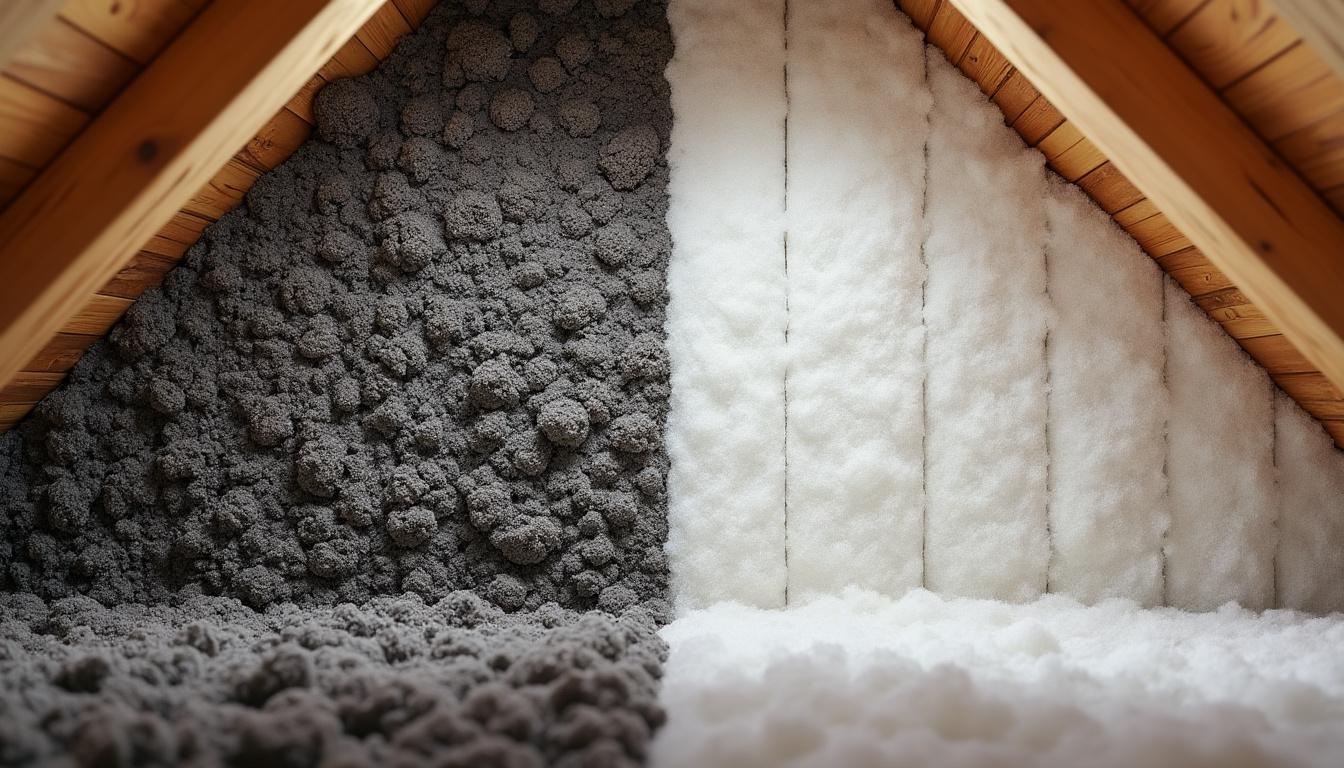
Thermal performance, measured primarily through the R-value, quantifies an insulation material’s resistance to heat flow. A higher R-value indicates better insulation effectiveness and consequently improved energy efficiency. When comparing cellulose and fiberglass, cellulose typically achieves an R-value ranging from 3.7 to 3.8 per inch, outperforming fiberglass, which has an R-value around 2.9 to 3.3 per inch.
This difference means that a cellulose-insulated attic or wall can provide better heat retention for the same thickness of material. For homeowners in regions with notable temperature extremes, installing cellulose insulation means improved comfort levels during cold winters and hot summers while reducing energy costs associated with heating and cooling.
However, thermal performance depends not only on the inherent R-value but also on installation quality and material density. Cellulose, installed as blown-in insulation, effectively fills gaps and voids, limiting air movement that can undermine thermal resistance. Fiberglass batts may leave small gaps or compress over time, diminishing their R-value and allowing heat to escape more readily.
Retrofitting older homes often benefits from cellulose’s adaptability, as blown-in cellulose conforms to irregular spaces and offers better air-sealing than fiberglass. According to studies referenced in Knauf North America’s comparative analysis, homes retrofitted with cellulose insulation demonstrated noticeably higher reductions in energy consumption due to minimized drafts and improved thermal barrier continuity.
While fiberglass requires a greater thickness to match cellulose’s R-value, it is still widely used due to its affordability and reliable performance in new construction where framing spaces are standardized. For ultimate energy efficiency, proper installation and supplemental air sealing are advised regardless of the material choice.
Installation Techniques and Practical Considerations for Cellulose and Fiberglass Insulation
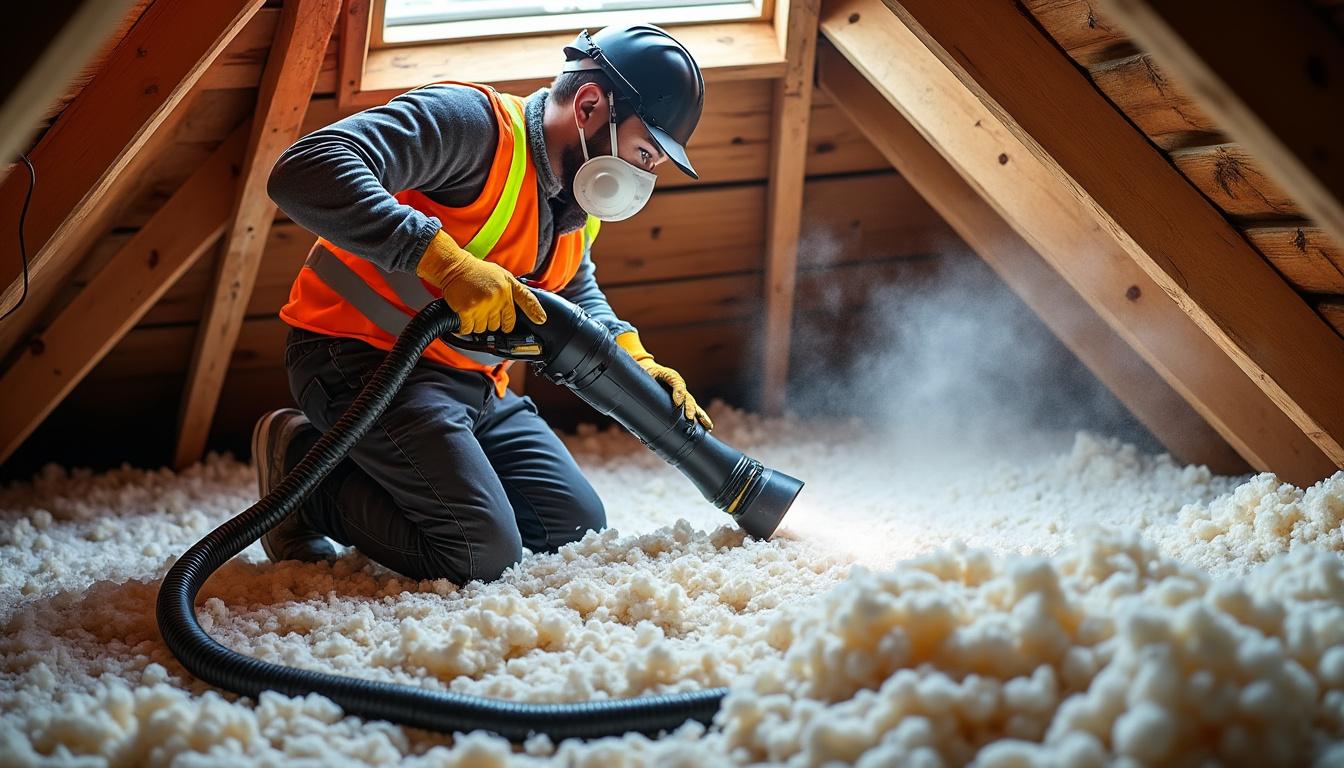
Installation methods significantly impact the performance of insulation materials. Cellulose insulation is generally installed as a loose-fill or blown-in product using specialized equipment that distributes the fibers evenly within cavities, attics, and walls. This technique enables thorough coverage, effectively filling cracks and reducing air infiltration that can compromise energy efficiency.
Though the upfront installation cost of cellulose is often higher due to the need for professional equipment and labor, many find the investment worthwhile for the long-term gains in heat retention and sustainable construction standards. Its denser application minimizes settling issues when installed correctly, but improper installation can lead to compaction and diminished insulation capacity.
Fiberglass insulation offers installation versatility, available in batts, rolls, and loose-fill forms. Batts and rolls are popular for do-it-yourself homeowners and contractors alike because of their manageable handling and cutting flexibility. DIY projects benefit from fiberglass’s ease of installation in straightforward framing cavities, attics, and crawl spaces. However, improper installation, such as compressed batts or gaps between insulation layers, can drastically reduce its effectiveness.
Fiberglass loose-fill insulation, applied using blowing machines similar to cellulose, provides comparable air-sealing benefits but usually at a slightly lower density. Safety precautions during handling fiberglass, including protective gear to avoid skin and respiratory irritation, add to installation considerations. Conversely, cellulose’s treated fibers pose less risk during installation but still require professional application to optimize performance.
Choosing between the two can also come down to timing and labor availability. Fiberglass installations typically take less time and may cost less in labor, whereas cellulose’s extensive preparation and equipment operation require experienced installers. For homeowners aiming to improve their attic insulation for retrofit energy efficiency benefits, cellulose often emerges as the preferred option despite the higher initial expenditure.
Long-Term Durability, Settling, and Energy Savings: What to Expect Over Time
Another critical factor in insulation performance is how it ages in the home environment. Cellulose, being denser and installed tightly, may settle slightly over years, especially if the installed depth is insufficient or if moisture issues arise. Settling can reduce effective thickness and thus thermal resistance. However, modern installation standards and professional expertise generally prevent excessive settling, maintaining cellulose’s superior heat retention over decades.
Fiberglass insulation tends not to settle as much, preserving its initial thickness and R-value over time. This stability can be beneficial in buildings where insulation degradation is a concern. However, due to its less dense structure, fiberglass may allow more convective air movement if gaps develop from improper installation or building shifts. This can negatively affect long-term energy savings.
Economic analysis shows that the higher thermal performance and air-sealing potential of cellulose often translate into meaningful energy cost reductions. Homeowners who invested in cellulose insulation reported lower heating and cooling expenses within a few years, effectively recouping the greater upfront costs. Fiberglass, while initially more affordable, may require additional air sealing or supplemental insulation to achieve the same savings.
Noise reduction is another aspect where cellulose outperforms fiberglass significantly. Thanks to its denser fiber matrix, cellulose dampens sound transmission, providing better acoustic comfort. This attribute is valuable in noisy neighborhoods, multi-family buildings, and rooms like bedrooms or media centers.
| Aspect | Cellulose Insulation | Fiberglass Insulation |
|---|---|---|
| R-value per inch | 3.7 – 3.8 | 2.9 – 3.3 |
| Installation method | Blown-in, professional required | Batts, rolls, loose-fill; DIY-friendly |
| Environmental impact | High recycled content, biodegradable | Recycled glass, higher manufacturing energy |
| Air sealing | Superior due to density | Less effective, potential gaps |
| Settling over time | Some settling possible | Minimal settling |
| Cost | Higher upfront | Lower upfront |
| Noise reduction | Excellent | Moderate |
Informed Decision-Making: Choosing Cellulose or Fiberglass for Enhanced Energy Efficiency
Deciding between cellulose insulation and fiberglass insulation involves evaluating a spectrum of factors tailored to your property’s requirements and your budget. If your priorities include maximizing thermal performance, enhancing sustainability, and improving noise control, cellulose insulation is often the superior material. Especially in colder or more variable climates, its higher R-value and better air-sealing properties contribute to substantial energy savings and increased comfort.
Conversely, for homeowners or builders working within tighter budget constraints or seeking faster installation, fiberglass insulation remains a practical and effective solution. Its versatility and widespread availability make it ideal for both new constructions and moderate climate zones.
Maintaining proper installation standards is crucial regardless of the material chosen. Engaging experienced professionals and considering supplemental air sealing can optimize your insulation’s contribution to home energy efficiency. For further expert guidance, resources like Insulation R-Values and Pure Eco Inc.’s analysis on cellulose vs fiberglass insulation provide comprehensive insights tailored to U.S. building practices.
Ultimately, an informed choice ensures your home remains energy-efficient, comfortable, and environmentally responsible through all seasons.