
Finding the ideal pair of men’s Arctic Pro boots that balance quality, comfort, and affordability can be a challenge, especially for those seeking durable steel toe insulated boots for work in cold environments. In the United States, winter work boots must meet stringent safety and thermal insulation standards while remaining practical for daily use. Among the leading choices for cold weather protection, muck boots have carved out a niche as reliable, waterproof work boots designed to withstand hostile climates and rugged job sites. This article delves deeply into how to identify the best winter work boots under $175, exploring the key features, materials, construction techniques, and market options to help workers and outdoor enthusiasts make informed decisions.
Our exploration covers every essential aspect of thermal insulated footwear with steel safety toes, including how these boots combine protection against impact with effective cold insulation. We also assess cost-effective models and what compromises, if any, buyers might expect when selecting budget steel toe boots. Whether working on construction sites, in agricultural settings, or tackling winter outdoor chores, the right pair of comfortable insulated boots can significantly impact safety, productivity, and warmth. This report offers practical guidance anchored by real-world examples and consumer feedback within the 2026 winter market framework.
In brief:
- Muck boots are industry-leading for waterproof and thermal insulation benefits in harsh winter conditions.
- Steel toe insulated boots combine safety with warmth, essential for construction and industrial workers.
- The under $175 price range offers several models balancing durability, insulation, and comfort.
- Material quality and construction methods dictate longevity and protection from moisture and cold.
- Consumers should prioritize fit, insulation rating, and sole traction for optimum winter performance.
Why Men’s Arctic Pro Boots Are a Top Choice for Cold Weather Work
Muck boots designed for Arctic conditions have revolutionized how workers in cold climates equip themselves. The term « men’s Arctic Pro boots » typically refers to models featuring advanced thermal insulation properties, waterproofing, and rugged construction tailored for prolonged outdoor wear in subzero temperatures. These boots incorporate premium materials such as neoprene, rubber, and cutting-edge insulation foams aimed at maintaining foot warmth without sacrificing flexibility or drip resistance.
Unlike typical winter boots, these Arctic Pro boots frequently come with a steel toe for increased protection against workplace hazards—something indispensable on construction sites and industrial environments. This dual-purpose design ensures users benefit from compliance with OSHA and ANSI safety standards and remain shielded from frostbite risks.
One example is the integration of 5mm neoprene collars and hydrostatic waterproof membranes within the boot construction, delivering a robust barrier against slushy snow and freezing rain. Manufacturers align these boots with thermal insulation ratings equivalent to -40°F or lower, using specialized insulating layers such as Thinsulate or proprietary foam blends. Furthermore, outsole lug designs provide outstanding traction on ice and compacted snow, a crucial factor given the high slip-and-fall risk in winter conditions.
Another important factor is that men working in heavy-duty roles prefer boots that are easy to maintain and clean. Muck boots address this with seamless rubber uppers, preventing dirt retention and making post-shift cleaning swift and effective.
In summary, men’s Arctic Pro boots excel at combining:
- Waterproofing features that resist snow and wet conditions.
- Steel toe protection to meet safety requirements.
- Thermal insulation layers structured to withstand extreme cold.
- Durability and comfort for long workdays.
Understanding the Role of Steel Toe Insulated Boots in Winter Safety
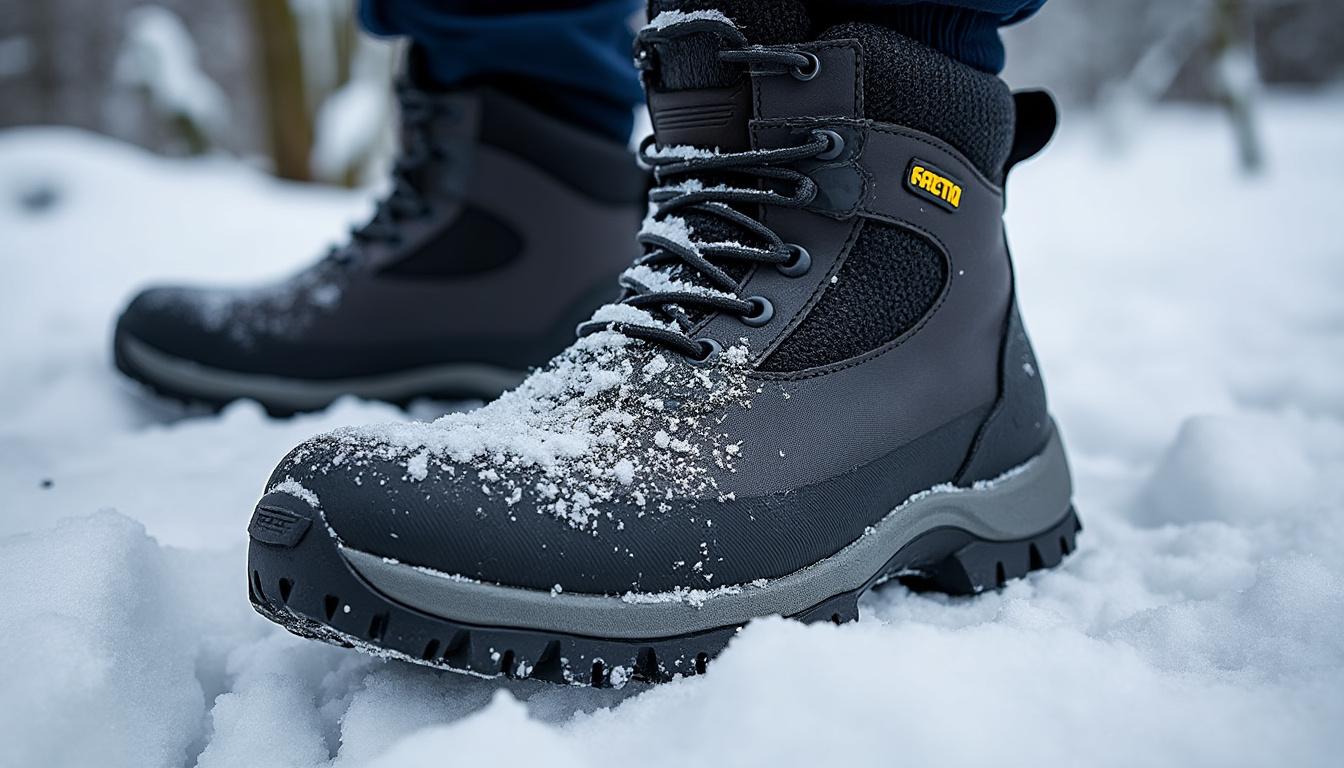
Steel toe insulated boots are a cornerstone in the protective footwear lineup for many labor-intensive industries. They afford a vital combination of safety and thermal insulation, which is indispensable during winter months, especially when outdoor temperatures in places like the Northern Midwest or Mountain States plunge drastically. A key consideration for selecting the best model is ensuring boots satisfy both ANSI/ASTM F2413 safety standards and have adequate insulation to maintain foot health in cold environments.
Foot protection standards dictate that steel toe boots must withstand a 75-foot-pound impact and compression forces of at least 2,500 pounds. This level of defense prevents common workplace injuries from falling objects or heavy equipment. Yet, adding insulation complicates the manufacturing process because it requires additional materials that must not compromise the boot’s structural integrity or breathability. For example, manufacturers use multi-layer insulation inserts like Thinsulate 400g or higher to balance warmth retention and moisture management.
The importance of insulation cannot be overstated. In winter work environments, exposure to freezing temperatures without proper footwear can lead to frostbite, hypothermia, and overall discomfort, which reduces worker productivity and safety compliance. Steel toe insulated boots must also maintain waterproofing to keep feet dry, as moisture rapidly decreases the insulating properties of most materials.
One anecdote highlights a construction crew in northern Michigan during a snowy winter who credited their survival through bitter cold spells to the quality of their steel toe insulated footwear. Workers reported sustained comfort and no foot numbness throughout 10-hour shifts, provided the boots fit properly and had sufficient insulation.
In addition to safety and insulation, these boots often feature padded collars and shock-absorbing midsoles enhancing comfort and reducing fatigue over long work periods. This comprehensive approach to design demonstrates why steel toe insulated boots continue to be indispensable for winter laborers.
Important checklist for choosing steel toe insulated boots:
- Meets or exceeds OSHA/ANSI safety standards.
- Features thermal insulation rated appropriately for local winter conditions.
- Waterproof construction to prevent moisture intrusion.
- Ergonomic design with comfortable fit and shock absorption.
- Durable outsole with strong traction on ice and snow.
Top Materials and Technologies Used in Thermal Insulated Footwear
The synergy of materials in thermal insulated footwear includes high-density foam, neoprene rubber composites, and breathable waterproof membranes. These materials work together to trap heat yet allow moisture vapor to escape, preventing sweat condensation inside the boot—a common cause for foot chilliness and bacterial growth. Moreover, many boots now incorporate antimicrobial liners and removable insoles for hygiene and customization.
How Muck Boots Have Redefined Waterproof Work Boots in Extreme Conditions
Since their inception, muck boots have been synonymous with rugged waterproof footwear essential for jobs in wet, muddy, and cold environments. Their seamless rubber construction uniquely provides an impermeable barrier against water intrusion while maintaining flexibility—a feature highly valued in winter work boots where snow melt and slush are daily challenges. The Arctic Pro line from Muck keeps this tradition alive, with an emphasis on insulation quality matched to sub-zero American winters.
Muck boots are not only waterproof work boots but also prioritize user comfort through features such as neoprene linings and ergonomic soles designed for prolonged wear. Case studies from harvest workers in the Pacific Northwest demonstrate significant reductions in foot fatigue and cold injury reports after switching to these boots. Their outsole technology focuses on deep lug patterns for enhanced grip on uneven icy terrain.
The popularity of muck boots in the industrial and agricultural sectors stems from their blend of waterproof protection, warmth, and durable safety boot standards. However, buyers considering models priced under $175 must evaluate trade-offs. Budget steel toe boots often use synthetic materials or lower-grade insulators, which can affect longevity or warmth but still meet basic safety criteria. Selecting the right pair necessitates understanding your specific working conditions and prioritizing features accordingly.
Benefits of muck boots for winter work include:
- Waterproof, seamless rubber uppers preventing leakage.
- Thermal insulation suitable for Arctic-like conditions.
- Steel toe caps for impact protection on the job.
- Non-slip outsole patterns optimized for ice and snow.
- Ease of cleaning and maintenance after exposure to mud and slush.
Budget Steel Toe Boots Under $175: What to Expect and Where to Look
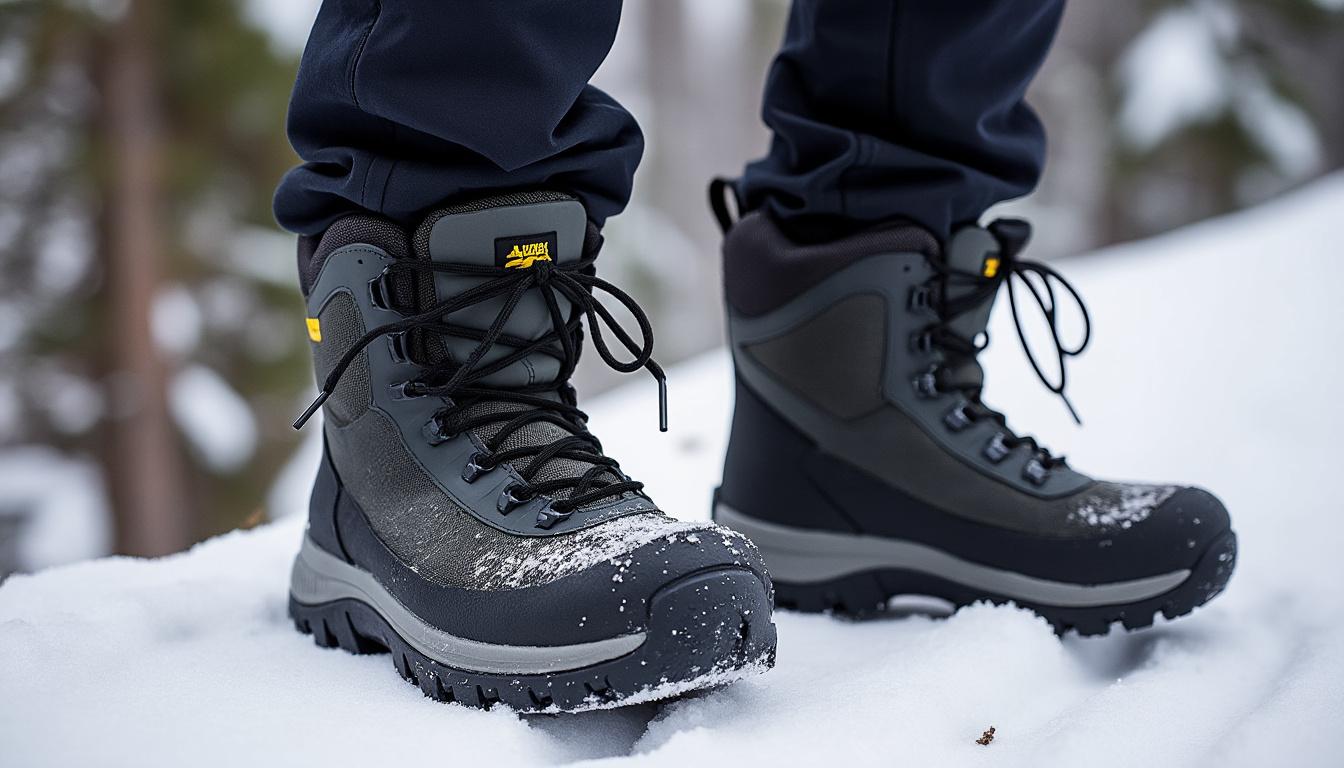
While the market offers a range of winter boots meeting rigorous safety and insulation standards, finding quality steel toe insulated boots under $175 requires savvy shopping. For many laborers and consumers, budget constraints necessitate compromises without sacrificing crucial qualities.
Brands such as Muck and a few emerging competitors have released Arctic Pro models specifically tailored to maintain protective and insulating properties while streamlining manufacturing processes to reduce costs. These savings come from simplified outsoles, minimal decorative features, or slightly lighter insulation grades. However, these boots still comply with ANSI impact requirements and deliver reliable waterproofing.
When browsing budget boots, consumers should pay close attention to:
- Thermal rating: Ensure the manufacturer specifies cold-weather insulation ratings. A 200g to 400g Thinsulate equivalent is generally suitable for temperatures down to -20°F.
- Material quality: Prefer boots with synthetic waterproof membranes and neoprene blends for longevity.
- Fit and comfort: Look for boots with supportive soles, padded collars, and adequate toe box width.
- Traction: Deep, multi-directional lug patterns help maintain footing on ice.
- Warranty and user reviews: Validate durability claims by examining customer feedback.
Here’s a comparative table outlining key specs of popular muck men’s Arctic Pro boots under $175:
| Model | Insulation (g) | Waterproof | Steel Toe | Outsole Type | Price Range |
|---|---|---|---|---|---|
| Muck Arctic Pro 5mm | 400 | Yes | Yes | Multi-directional lug | $160-$175 |
| Muck Arctic Pro Lite | 200 | Yes | Yes | Moderate lug | $140-$165 |
| Generic Brand Thermal Steel Toe | 300 | Yes | Yes | Simplified lug | $120-$150 |
Tips for Maximizing the Performance of Budget Steel Toe Insulated Boots
Even within a tight budget, enhancing your boots’ lifespan requires proper care and informed usage. Here are some expert tips:
- Store boots in a cool, dry place to preserve insulation material and avoid degradation.
- Regularly clean off dirt and salt residues to maintain waterproofing.
- Use insulated socks designed for cold weather to augment thermal performance.
- Rotate between multiple pairs when possible to allow for drying between uses.
- Inspect steel toe caps periodically for dents or damage affecting safety.
Key Features to Look for in Comfortable Insulated Boots for Prolonged Winter Use
Comfort plays a critical role when selecting insulated boots, especially for workdays extending beyond 8 hours in freezing or wet conditions. Ergonomic design, breathability, and weight distribution influence foot health and overall productivity. Men’s Arctic Pro boots specialize in addressing these comfort concerns by integrating multiple cushioning layers, moisture-wicking liners, and adjustable sizing options.
Prolonged wear comfort is enhanced by technologies such as EVA midsoles absorbing impact and orthotic inserts providing arch support, crucial for minimizing fatigue and joint stress. Additionally, the lining materials are designed to manage sweat and reduce fungal growth risks that arise in insulated footwear frequently worn during physically demanding activities.
Comfort also extends to boot weight; overly heavy boots can cause early fatigue, while boots prone to water retention become cumbersome. Therefore, lightweight yet insulated and waterproof designs like lighter-grade Arctic Pro boots represent an optimal balance for many users.
When shopping for comfortable insulated boots, evaluate the following:
- Cushioning systems for shock absorption.
- Moisture-wicking liners supporting foot health.
- Adjustable closures or sizing options for a secure fit.
- Weight versus insulation tradeoffs.
- Breathability without sacrificing waterproofing.
Investing in quality cold weather boots ultimately pays off by preventing frostbite, reducing injury risks, and enhancing daily endurance for workers exposed to harsh winter conditions.