
As homeowners and property investors become increasingly aware of the environmental and economic impacts of their living spaces, the role of effective insulation has taken center stage in discussions about energy efficiency. One innovative product that is rapidly gaining traction in the building industry and among residential advocates is insulation bags. These bags offer a versatile and eco-friendly solution to improving thermal regulation and reducing energy consumption in both new constructions and renovation projects. Their ability to optimize a home’s heat retention and temperature control is transforming how experts approach sustainable living in the modern American market.
Energy efficiency is no longer just a buzzword; it’s a necessary practice for responsiveness to global climate concerns and rising utility costs. Home insulation, especially when coupled with advanced materials like insulation bags, is a vital strategy for achieving substantial energy savings. These bags not only improve the home’s ability to maintain consistent indoor temperatures but also contribute to a notable cost reduction over time. Understanding how insulation bags work and their practical applications can empower homeowners and contractors alike to make smarter, long-lasting investments in home performance.
Enhancing Thermal Regulation with Insulation Bags: A Key to Year-Round Comfort
Thermal regulation is one of the most significant challenges in both residential and commercial buildings, impacting not only comfort but also energy consumption. Insulation bags excel in this area by providing an effective barrier against unwanted heat transfer. When properly installed, these bags help maintain warmer indoor temperatures during harsh winters and cooler air during summer heat waves.
The science behind insulation bags relies on reducing conduction, convection, and radiation — the three modes of heat transfer in buildings. These bags, often filled with materials such as fiberglass, cellulose, or spray foam, act as a cushion that traps air and slows the loss or gain of heat through walls, ceilings, and crawl spaces. By stabilizing indoor temperatures, the reliance on heating, ventilation, and air conditioning (HVAC) systems diminishes, leading to impressive energy savings.
Consider a typical home in the northern United States, where winters can be brutal and energy bills skyrocket. Installing insulation bags in the attic and walls can decrease heat loss substantially, often reducing heating costs by up to 30%. This improved thermal envelope ensures that the conditioned air remains inside longer, preventing drafts and cold spots. In hotter southern states, these bags function similarly by deterring heat infiltration, lessening the workload on air conditioners during summer months.
Moreover, insulation bags contribute to better moisture control by reducing condensation within wall cavities. This mitigation of dampness not only preserves the structural integrity of the building but also supports healthier indoor air quality by preventing mold growth. Thus, these bags serve dual purposes: optimizing thermal regulation and enhancing home durability.
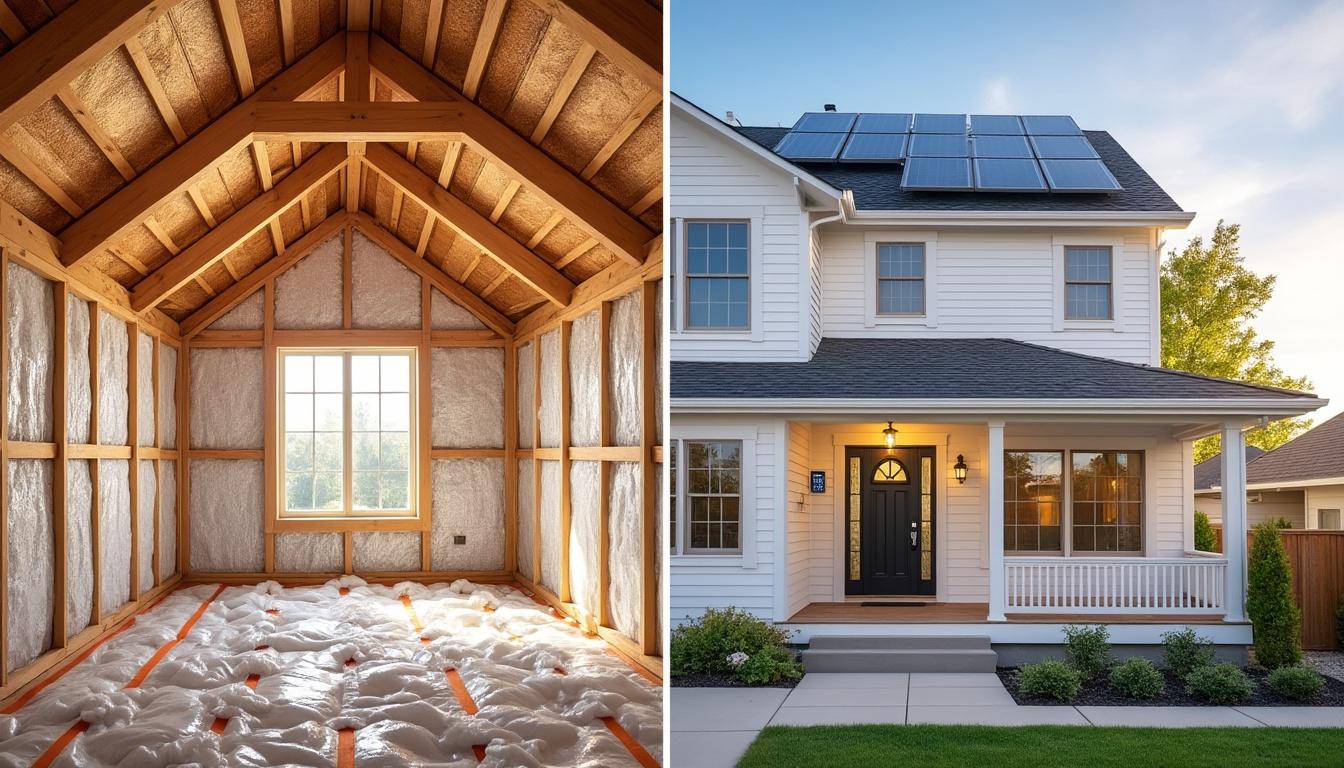
Installation Considerations for Maximum Effectiveness
To maximize the benefits of insulation bags, installation quality plays a critical role. Proper sealing around windows, doors, and other penetrations is essential to complement the insulation’s performance. Without air sealing, even the most advanced insulation materials cannot prevent energy loss effectively.
Professionals often recommend combining insulation bags with weatherization techniques to fully capitalize on the potential for energy savings. This holistic approach is supported by recent findings showing that such upgrades can yield up to 15% reductions in heating and cooling costs for typical American households, according to EPA estimates. Given these results, it’s clear why many contractors emphasize the dual strategy of sealing and insulating.
Cost Reduction and Long-Term Energy Savings from Using Insulation Bags
From a financial perspective, insulation bags represent a smart investment for any homeowner looking to cut down on utility expenses. While the initial installation cost varies based on material type, home size, and labor, the return on investment (ROI) manifests quickly through monthly savings and increased property value.
It is important to break down the cost-effectiveness of several popular insulation bag types:
| Insulation Bag Type | Material | Average Installation Cost per Square Foot | Estimated Energy Savings (%) | Typical Lifespan (Years) |
|---|---|---|---|---|
| Fiberglass Bags | Glass fibers | $1.00 – $1.50 | 15-20% | 20-30 |
| Cellulose Bags | Recycled paper fibers | $0.80 – $1.20 | 20-25% | 15-25 |
| Spray Foam Bags | Polyurethane foam | $1.50 – $3.00 | 25-35% | 30-40 |
The choice of insulation bag depends on factors such as budget, environmental priorities, and the desired level of energy savings. Spray foam, though more expensive initially, typically offers the highest R-value and best air sealing properties, leading to superior long-term savings. On the other hand, cellulose bags, sourced from recycled materials, appeal to eco-friendly homeowners prioritizing sustainability while maintaining effective heat retention.
Beyond direct energy savings, insulation bags contribute to reducing periodic maintenance costs. For example, by controlling moisture and improving temperature stability, they prevent damage related to mold and ice dams, common in many American climates.
Case Studies Highlighting Economic Benefits
National statistics affirm that insulation upgrades can reduce annual energy bills by up to $400. One case study from a suburban Chicago home showed a reduction of 28% in heating and cooling costs after installing cellulose insulation bags combined with air sealing. This improvement translated into savings averaging $350 a year, effectively covering installation costs within seven years.
Similarly, a California family living in a vintage 1970s house replaced their wall insulation with spray foam bags, leading to a notable 33% drop in HVAC energy consumption. Their experience is typical for many retrofits aimed at meeting modern energy codes and standards while enhancing comfort.
Eco-Friendly Benefits: How Insulation Bags Support Sustainable Living
As sustainability becomes a major selling point, insulation bags have emerged as champions of eco-friendly building practices. Using materials like cellulose bags crafted from recycled paper decreases a home’s environmental footprint significantly compared to traditional insulation methods.
By improving heat retention and reducing energy draw, insulated homes emit fewer greenhouse gases associated with fossil fuel-based electricity or natural gas heating. Less energy usage means fewer carbon emissions and a proactive contribution to climate change mitigation.
For builders and homeowners committed to green certifications, insulation bags help meet energy efficiency standards set by agencies such as ENERGY STAR and LEED. These certifications often translate into increased home value and eligibility for tax credits or incentives, reinforcing the material benefits of sustainable construction choices.
Besides the materials themselves, the installation process for insulation bags tends to produce less waste and requires fewer hazardous chemicals than alternative options. This aligns well with growing regulations aimed at reducing construction sector impacts on the environment.
Furthermore, insulation bags’ cryogenic resistance and adaptability allow for retrofits in older buildings without extensive structural alterations, encouraging energy upgrades in existing homes rather than demolition and reconstruction. This prolongs the life of the housing stock while advancing energy conservation efforts nationwide.
Guidelines for Matching Insulation Materials with Eco-Conscious Goals
- Opt for recycled content insulation bags like cellulose to reduce resource use.
- Choose spray foam options with low-VOC formulations to minimize indoor air pollutants.
- Ensure proper air sealing to boost energy savings and prevent pollutants from entering.
- Coordinate with ventilation upgrades to maintain healthy indoor air quality.
- Avoid over-insulating areas that require natural moisture flow to prevent mold growth.
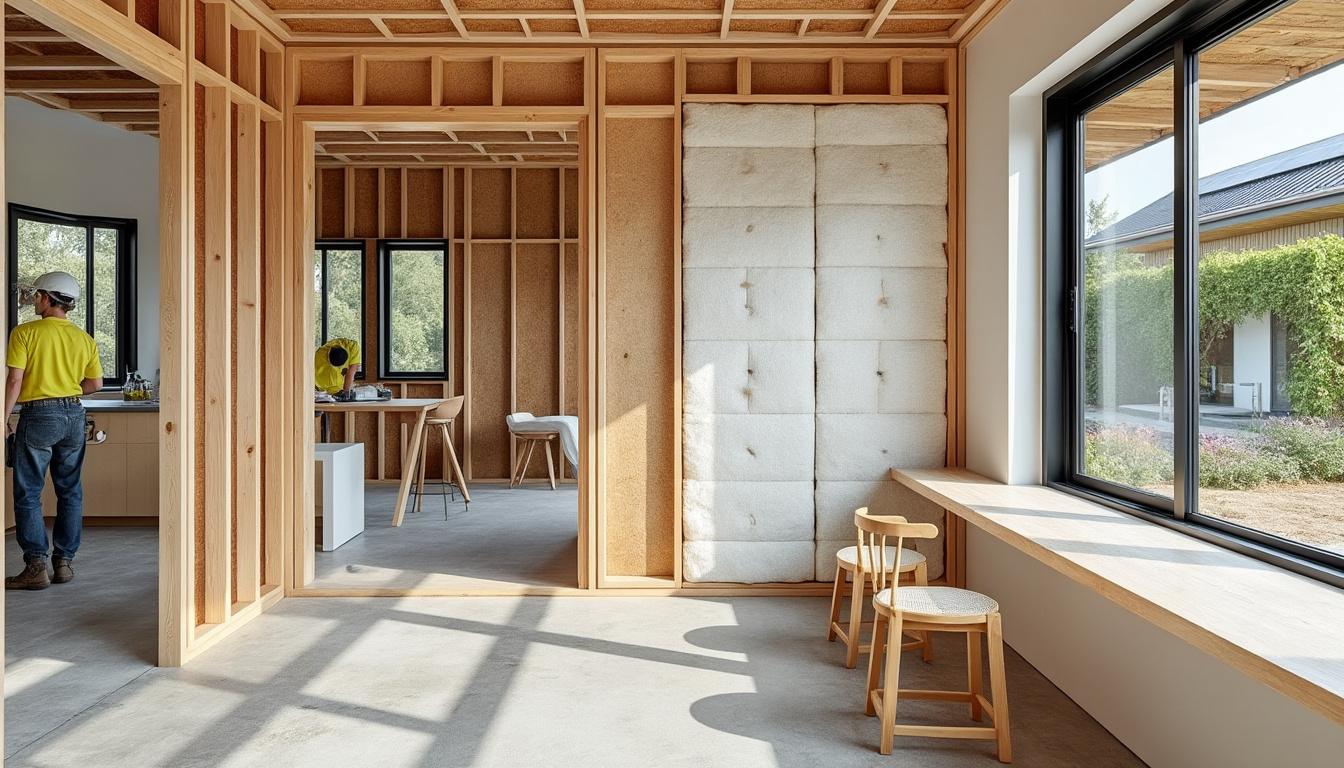
Improving Home Insulation Practices: Integrating Insulation Bags with Modern Building Codes and Techniques
Modern U.S. building codes prioritize energy efficiency, especially in residential construction, mandating minimum insulation levels and air sealing standards. Insulation bags fit seamlessly into these regulations by providing installers with a flexible and efficient method to achieve or exceed required R-values.
One significant advantage of insulation bags is their ease of customization. Contractors can fill wall cavities, crawl spaces, or attics effectively without disturbing finished surfaces excessively. This ease of application accelerates project timelines, reduces labor costs, and ensures thorough coverage, improving overall temperature control in the home.
Technological innovations in insulation bag contents and shell materials continue to evolve. For instance, some modern spray foam bags incorporate environmentally safer blowing agents and offer enhanced fire retardancy to meet stringent safety standards. Likewise, specialized cellulose blends now include additives that resist settling and improve durability over years of use.
Insulation bags also dovetail with other energy efficiency improvements such as air sealing, window upgrades, and advanced HVAC system integration. A comprehensive approach addressing the building envelope is essential for maximizing performance and sustainable living benefits.
Best Practices for Contractors and Homeowners
- Conduct a thorough energy audit to identify air leaks and insulation deficiencies.
- Select insulation bags appropriate for specific areas (attic, walls, crawl space).
- Complement insulation with high-quality air sealing products.
- Verify compliance with local building codes and standards.
- Incorporate ventilation system checks or upgrades to avoid indoor air quality issues.
- Maintain and inspect insulation periodically to ensure sustained performance.
The Role of Insulation Bags in Noise Reduction and Enhancing Indoor Comfort
Alongside temperature control, insulation bags deliver the added benefit of reducing unwanted noise infiltration. Their density and foam content absorb sound waves, dampening noises from traffic, neighbors, or weather elements. This feature is particularly valuable in urban or densely populated areas where noise pollution can negatively affect quality of life.
Soundproofing through insulation bags also contributes to improved health and well-being. A peaceful indoor environment supports better sleep and reduces stress caused by constant background noise. These advantages build on the thermal and energy savings benefits, making insulation bags a holistic upgrade for homeowners seeking comprehensive improvements.
Families have reported noticeable reductions in ambient noise after insulation bag installation, citing quieter bedrooms and living spaces. Offices integrated within homes benefit as well, boosting productivity and concentration. These outcomes underscore the multifunctional value of modern insulation systems.
Ultimately, improving energy efficiency, comfort, and sustainability through insulation bags is a growing trend shaping the U.S. residential building landscape. Whether retrofitting older homes or optimizing new constructions, these tools enable a smarter approach to managing energy consumption while elevating indoor living standards.
For more detailed guidance on home insulation and energy efficiency, sources like EnergySage’s guide on home insulation benefits and Sealed’s explanation on energy savings from insulation provide authoritative insights. Additionally, the Department of Energy’s insulation fact sheet remains a vital resource for homeowners and contractors.