
As energy costs continue to rise and sustainable building practices gain momentum, spray foam insulation has become a preferred choice for many homeowners and builders across the U.S. in 2026. This insulation type offers exceptional thermal resistance, air sealing, and moisture control, making it an ideal solution for residential and commercial projects seeking long-term energy savings and comfort. However, understanding the spray foam insulation cost has become an essential factor for those planning their insulation upgrade or new construction. The price hinges on multiple elements like the type of foam, thickness, project size, regional variations, and labor expenses. In this evolving market landscape, discerning the nuances behind insulation prices helps consumers budget wisely and secure the best value.
Key Highlights
- Spray foam insulation cost varies widely from $1.50 to over $7 per square foot based on foam type and coverage thickness.
- Open-cell foam is typically less expensive but offers lower R-values compared to denser closed-cell foam.
- Installation labor cost depends on project complexity, location, and contractor expertise.
- Energy efficiency savings over time offset the higher upfront expense of spray foam versus traditional insulation methods.
- Regional price differences and market trends in 2026 influence material and labor rates substantially.
- Strategic project planning and obtaining multiple quotes can lead to significant cost savings without compromising quality.
Understanding Spray Foam Insulation Cost Breakdown: Material and Installation Factors
Spray foam insulation cost depends on both the price of the insulation materials and the labor required for a proper installation. On average, homeowners in the U.S. can expect spray foam installation prices to range between $1.50 and $3.00 per square foot for professional installation, varying by project scale and spray foam type. The material cost itself, often priced between $120 to $336 per 100 square feet depending on coverage thickness, plays a significant role.
For example, a common classification uses three coverage levels: Basic (1 inch thickness), Better (2 inches), and Best (3 inches). This categorization helps align insulation material thickness with desired thermal performance. A basic coverage per 100 sq. ft. can cost around $372 to $576 including materials and labor, while a full 3-inch coverage can push total costs up to $744 to $984 for the same area. These figures translate to an average spray foam insulation cost of roughly $3.95 to $7.20 per square foot depending on project specifications.
It is also essential to distinguish between the two primary spray foam types—open-cell and closed-cell—which greatly influence materials pricing. Open-cell foam typically costs between $1.00 and $1.20 per square foot for a 1-inch layer. Closed-cell foam, known for its higher density and R-value, usually costs between $1.25 and $1.50 per square foot for the same thickness, reflecting its superior performance and moisture resistance.
Installation labor cost varies considerably based on complexity, site access, and contractor rates. Experienced installers with a track record of high-quality work may charge a premium, but the investment often results in better longevity and efficiency. Proper sealing is paramount, as spray foam’s advantage lies in creating an airtight enclosure that traditional fibrous insulation cannot match. For a 1,600 sq. ft. home, the average total professional spray foam insulation cost hovers around $6,320, though this can shift due to regional market conditions and the foam type selected.
Exploring in-depth cost calculators and requesting quotes from multiple contractors is a recommended approach to get precise estimates aligned with one’s project details and location. Resources such as professional cost guides provide valuable benchmarking data for buyers in 2026.
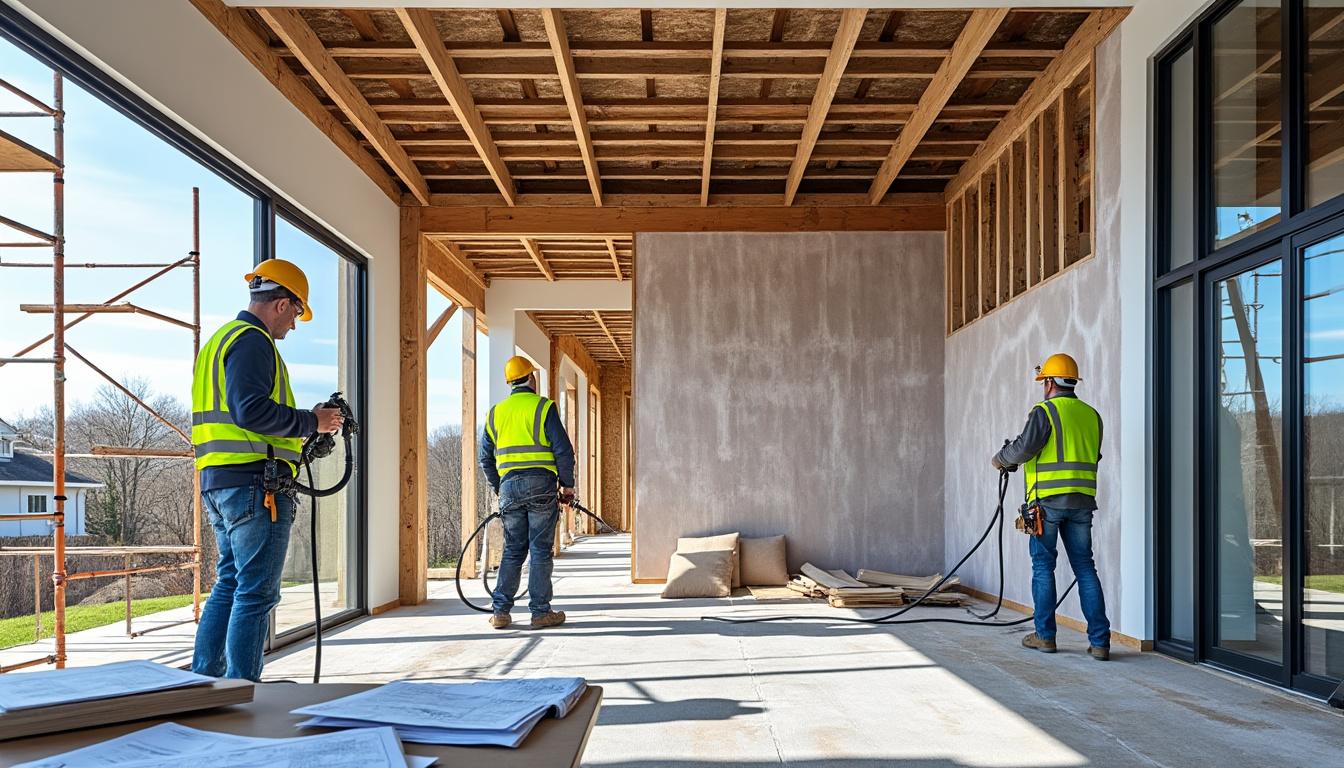
How Spray Foam Thickness and Foam Types Influence Insulation Prices and Performance
One of the biggest factors affecting spray foam insulation price is foam insulation thickness. The thicker the foam, the better the thermal barrier, but also the higher the material and labor costs. The typical thickness range for spray foam applications varies from 1 to 3 inches, with costs roughly doubling as you move from a 1-inch to a 3-inch layer. This increase results from greater material usage and more installation time needed to achieve optimal coverage.
Spray foam types further complicate the pricing landscape. Open-cell and closed-cell spray foams differ in density, R-value per inch, moisture resistance, and application scenarios. Open-cell foam usually has an R-value of about 3.5 to 3.6 per inch and is more permeable to moisture. Consequently, it is best used in interior applications like attics or crawl spaces where vapor barriers like gypsum board can be employed after installation. Its lower density—roughly half a pound per cubic foot—makes it a more affordable option for many projects.
Closed-cell foam stands apart due to its higher density (around 2 pounds per cubic foot) and impressive R-value of 6.5 per inch. This foam offers a built-in vapor barrier, making it suitable for exterior walls, basements, and areas prone to moisture intrusion. Though typically 15% to 30% more expensive than open-cell foam, the upfront cost premium is often justified by improved energy efficiency and durability, saving homeowners money over time in reduced heating and cooling bills.
Contractors must consider the building’s purpose and environmental factors to choose the optimal foam type. For example, a family renovating a home in a humid climate might prefer closed-cell foam despite its higher insulation material cost due to its resistance against mold and air leakage. Conversely, open-cell foam might be preferred in moderate climates where budget and soundproofing are priorities.
To illustrate, a crawl space insulation project using 2 inches of closed-cell spray foam will incur higher foam insulation cost and installation labor cost than a similar open-cell project. However, the long-term energy efficiency savings and moisture management benefits can offset this initial difference.
For more detailed insights on spray foam types and selection tips, interested readers can consult comprehensive resources such as Modernize’s spray foam insulation guide.
Key Spray Foam Price Factors: Regional Variations, Market Trends, and Labor Impact in 2026
Spray foam insulation cost does not exist in a vacuum; numerous factors influence pricing dynamics in 2026. Regional price differences across the U.S. can be substantial. In areas with higher labor costs—such as the Northeast and West Coast—installation expenses will naturally rise compared to regions with lower wage rates and material availability in the Midwest or South.
Industry trends in 2026 also reflect shifts in supply chains and the introduction of newer, more eco-friendly spray foam products. These innovations affect insulation material cost, sometimes increasing prices due to environmentally responsible blowing agents that reduce global warming potential (GWP). Meanwhile, growing demand for superior energy efficiency in building codes incentivizes manufacturers to improve product performance, which can also influence pricing.
The labor market for spray foam installation specialists continues to tighten, leading to a moderate increase in labor costs. Expertise is paramount since improper installation can diminish benefits and even void product warranties. This labor component, combined with regionally distinct markup rates on materials, contributes to considerable price variability.
Awareness of these market trends and regional variables is crucial for homeowners and contractors aiming for accurate budgeting. Market data indicates that urban locales with stricter building requirements and higher living costs report spray foam prices 10-20% above the national average. In contrast, rural or less congestion-prone states often have more competitive insulation prices.
Styles, architectural challenges, and building ages also temper insulation job complexity, affecting how labor is priced. Intricate remodels with limited access or older homes requiring additional prep work see higher labor fees than simpler installations in new constructions.
For an exemplary contractor quotation comparison and in-depth market trend analysis, see professional posts like those on Sprayman’s cost understanding guide.
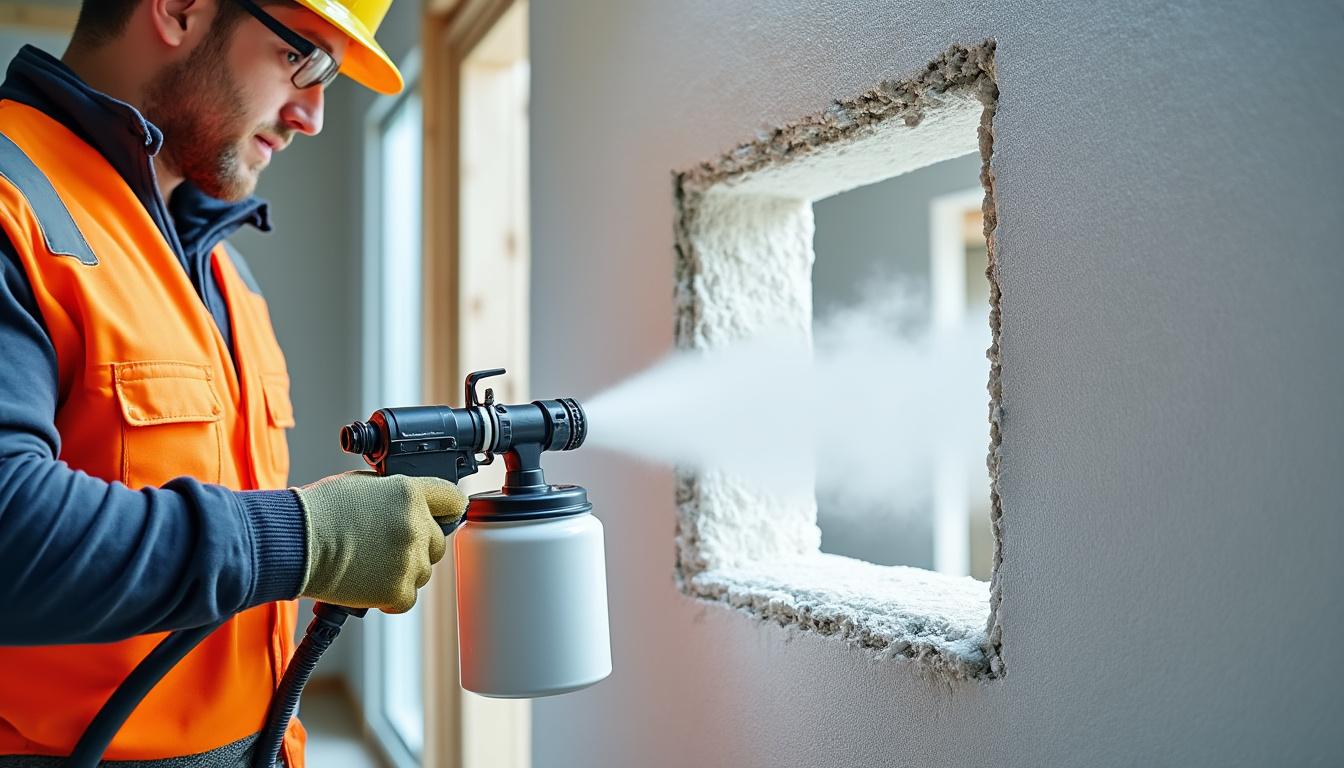
Long-Term Energy Efficiency Savings and Financial Impact of Spray Foam Insulation
Despite the higher upfront spray foam insulation cost compared to alternatives like fiberglass or cellulose, its influence on ongoing energy efficiency savings makes it a worthwhile investment. Spray foam’s ability to form an airtight seal significantly reduces uncontrolled air infiltration, which is a major factor in heat loss during winter and heat gain in summer. This enhanced thermal barrier allows HVAC systems to run less frequently, directly decreasing utility bills throughout the year.
Studies show that homes equipped with spray foam insulation typically experience energy savings between 20% and 50% depending on climate and existing building characteristics. Such reductions translate into substantial financial returns on the original insulation material cost over its lifespan, often spanning 20 years or more without degrading. Additionally, the moisture management feature reduces risks related to mold and structural damage, avoiding costly repairs.
Homeowners also benefit from improved comfort levels: eliminating drafts, cold spots, and noise infiltration. These intangible gains increase property value and appeal, especially when selling is in the future plans. Regions enforcing strong energy codes reward energy-efficient homes with rebates and incentives, further reducing effective costs.
Below is a comparative illustration of estimated annual energy savings vs. spray foam insulation cost for a 1,600 sq. ft. home:
| Insulation Type | Average Installed Cost | Estimated Annual Energy Savings | Return on Investment Timeline |
|---|---|---|---|
| Spray Foam (Closed-cell) | $9,600 | $950 | 10 years |
| Spray Foam (Open-cell) | $6,400 | $750 | 8 years |
| Fiberglass Batts | $2,400 | $300 | 8 years |
| Cellulose | $2,800 | $320 | 9 years |
Choosing spray foam insulation builds in value beyond the initial investment, particularly visible over extended ownership periods and fluctuating energy costs. For comprehensive savings insights and installation tips, visit HomeGuide’s 2026 cost and savings analysis.
Practical Tips for Managing Your Spray Foam Insulation Budget Without Compromising Quality
Balancing quality with cost-effectiveness is achievable with smart planning and a clear understanding of the spray foam price factors. Here are actionable tips to optimize your budget when undertaking spray foam insulation in 2026:
- Gather Multiple Contractor Bids: Competitive quotes help uncover fair market prices and identify the best value considering reputation and workmanship.
- Choose the Right Foam Type for Your Needs: Analyze whether open-cell or closed-cell foam makes sense based on your climate, moisture concerns, and insulation goals.
- Plan Spray Foam Thickness Wisely: Use a thickness adequate for code-compliance and energy targets but avoid overspending on unnecessarily thick layers.
- Check for Local Rebates and Incentives: Many states and utilities offer financial assistance encouraging use of high-performance insulation.
- Schedule Work During Off-Peak Seasons: Contractors may offer discounts or priority in slower periods.
- Consider Bundling Related Upgrades: Combining insulation with air sealing or HVAC improvements can benefit from contractor package pricing.
- Prepare the Site in Advance: Clear and accessible locations reduce labor time and associated costs.
- Research Brands and Products: Some manufacturers provide more cost-effective yet reliable foam insulation materials.
- Prioritize Experienced Local Contractors: They often offer better pricing and understand regional code requirements.
Applying these steps not only curtails unnecessary expenses but ensures the longevity and performance of your insulation investment. Remember, quality installation using recommended materials is fundamental to reaping the full advantages of spray foam insulation.
For a deeper dive into balancing cost and quality, it’s worth consulting expert articles such as AllyearInsulation’s guide on spray foam costs.