
As summer temperatures continue to soar, finding effective ways to keep indoor spaces cool has become a top priority for homeowners and tenants alike. While air conditioning remains a popular solution for combating the heat, it often leads to skyrocketing energy bills and increased environmental impact. A more sustainable and cost-effective approach centers on better insulation—a method long associated with heating efficiency but equally crucial in maintaining cool interiors during hot months. Understanding the multifaceted role of insulation, combined with strategic window treatments, air sealing, and ventilation improvements, offers a comprehensive answer to keeping rooms cool without over-relying on mechanical cooling systems.
Efficient insulation acts as a thermal barrier that prevents unwanted heat from penetrating living spaces, thereby preserving the desired indoor environment. This article explores these principles in detail, highlighting practical materials, installation techniques, and complementary strategies to enhance energy efficiency and indoor comfort during the summer season.
Key Insights on Better Insulating a Room to Stay Cool in Summer:
- Insulation functions as a vital thermal barrier that blocks heat gain, keeping interiors cooler and reducing air conditioning demands.
- Window treatments, including reflective films and secondary glazing, effectively reduce solar heat infiltration.
- Proper ventilation and air sealing work hand-in-hand with insulation to maintain consistent indoor temperatures while preventing hot air intrusion.
- Innovative materials like phase change materials (PCMs) offer dynamic thermal regulation by absorbing and releasing heat.
- Energy-efficient lighting and reflective paints contribute to lowering heat loads and complement insulation efforts.
Understanding How Insulation Works to Keep a Room Cool in Summer
At the core of maintaining a cool room during summer is the concept of reducing heat transfer. Insulation serves as a thermal barrier that slows down the movement of heat from the exterior into your indoor spaces. Much like a cooler keeps beverages cold by limiting heat ingress, insulation protects the home’s interior from external heat, ensuring the air conditioning system can operate more efficiently without undue strain. According to the detailed research provided by Master Attic, insulation’s effectiveness depends largely on its quality, thickness, and proper installation.
The attic is often the largest area where radiant heat penetrates, with temperatures inside reaching upwards of 140°F (60°C) on hot days. Poor insulation in attic spaces significantly increases cooling loads within the rooms below as heat radiates downward through ceilings and walls. By installing insulation with high R-values in the attic floor or along roof decks, homeowners can dramatically reduce this heat gain. This approach limits heat conduction and maintains more consistent indoor temperatures, reducing reliance on energy-intensive cooling equipment.
Besides attics, walls are another critical area where heat infiltration can be mitigated. Exterior walls exposed to direct sunlight absorb thermal energy, which radiates indoors unless blocked by effective insulation. Studies suggest that improving wall insulation can reduce heat transfer by up to 35%, creating a more stable and comfortable interior environment. These benefits not only reduce energy consumption but also enhance indoor air quality by limiting the temperature fluctuations that encourage mold and material degradation.
Retrofitting insulation into existing structures is also increasingly feasible with innovative blown-in insulation materials available to fill wall cavities without requiring wall demolition, as explained comprehensively by installation professionals in the U.S. marketplace. This keeps renovation costs manageable and allows homeowners to upgrade energy efficiency conveniently.
Advanced Materials and Techniques for Insulating Rooms Effectively
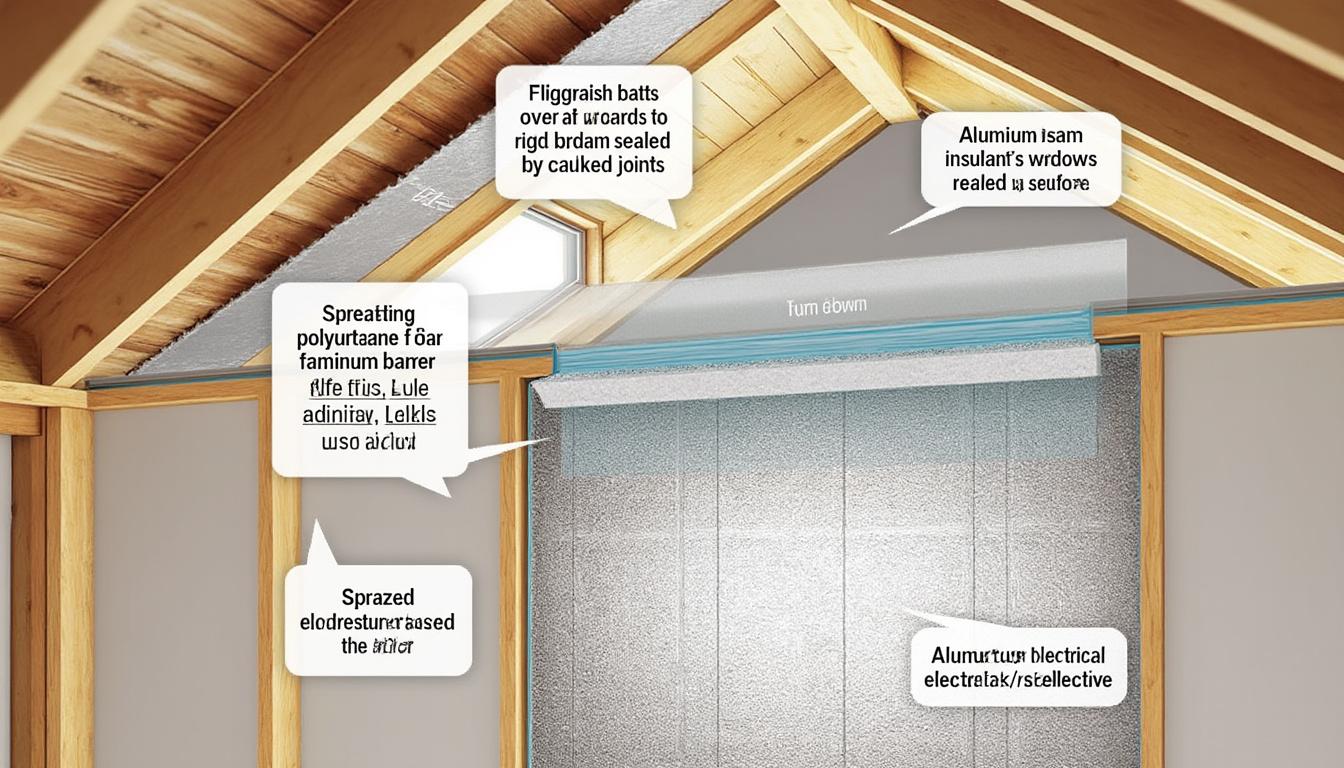
While traditional materials like fiberglass and cellulose continue to be effective insulators, the incorporation of advanced materials such as spray foam and phase change materials (PCMs) revolutionizes cooling performance. Spray foam insulation offers superior air sealing properties by expanding and filling gaps, thereby eliminating drafts and moisture intrusion that impair insulation effectiveness. Additionally, spray foam’s ability to create a continuous air barrier enhances energy savings dramatically during the summer months by significantly reducing heat gain.
PCMs, on the other hand, exhibit the unique ability to absorb excess heat during the day and release it during cooler nighttime periods. These materials stabilize indoor temperatures and can lower cooling energy demand by more than 10%. PCMs are increasingly integrated into wall panels, ceiling tiles, and even paints, offering a seamless way to upgrade thermal performance in residential and commercial buildings. For readers looking to apply such innovative solutions, consulting with insulation professionals for suitable PCM options and installation methods is recommended.
In the U.S., proper adherence to building codes and energy standards, such as those outlined by the International Energy Conservation Code (IECC) and ENERGY STAR guidelines, ensures that insulation materials and techniques meet minimum thermal resistance requirements for summer and winter balance. This regulatory framework improves building durability and energy efficiency nationwide.
Moreover, air sealing practices complement insulation by sealing cracks, gaps, and openings around windows, doors, and other penetrations. Effective air sealing prevents hot air infiltration and cool air leakage, optimizing both cooling efforts and insulation performance. The use of weatherstripping, caulking, and spray foam application around these vulnerable areas is crucial.
Comparison Table of Common Insulation Materials for Summer Cooling
| Material | R-Value per Inch | Air Sealing Ability | Cost Range (USD) | Summer Cooling Benefit |
|---|---|---|---|---|
| Fiberglass Batts | 2.9 – 3.8 | Low | Low ($0.40 – $1.50 per sq ft) | Moderate insulation; requires air sealing |
| Cellulose (Blown-in) | 3.5 – 3.7 | Moderate | Moderate ($0.60 – $1.50 per sq ft) | Good at reducing heat transfer and air leaks |
| Spray Foam (Closed Cell) | 6.0 – 7.0 | High | High ($1.50 – $3.00 per sq ft) | Excellent for air sealing and heat barrier |
| Rigid Foam Board | 3.8 – 8.0 | High | Moderate to High ($0.70 – $2.50 per sq ft) | Good for walls and exterior applications |
Using Window Treatments and Reflective Materials to Minimize Heat Gain
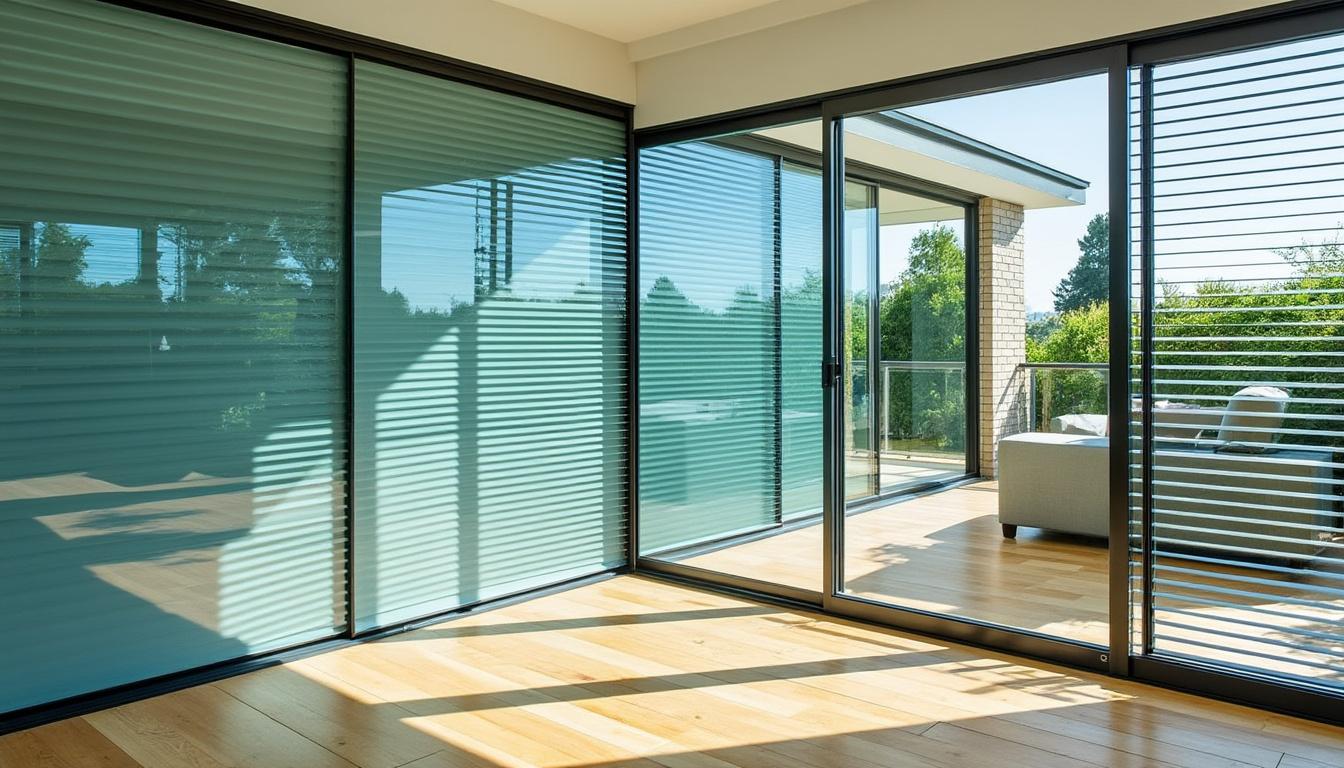
Windows are another significant source of summer heat gain, requiring strategic treatments to optimize insulation efforts. Installation of reflective window films, such as spectrally selective or low-emissivity (low-e) films, can block up to 80% of solar infrared rays, dramatically reducing heat transmitted through glass. Besides films, upgrading to double-glazed or triple-glazed windows enhances thermal performance by creating insulating air gaps that hinder heat transfer.
Secondary glazing, using acrylic or polycarbonate panels affixed to existing windows, offers an affordable retrofit option that improves energy efficiency without costly window replacement. Notably, modern electrochromic or “smart” glass technologies adjust tint levels dynamically according to sunlight intensity, offering cutting-edge savings on cooling energy bills.
The use of exterior shading devices—such as awnings, pergolas, or khus (vetiver) blinds—also effectively reduces direct solar exposure, maintaining cooler indoor temperatures. These natural or manufactured shades block and absorb radiant heat before it strikes window surfaces, complementing insulation’s internal barrier function.
Reflective exterior and interior paints that possess high Solar Reflectance Index (SRI) are another important asset. These coatings reflect a substantial portion of solar radiation, reducing wall and roof surface temperatures by several degrees. When combined with insulation, reflective paints provide a layered defense against heat gain, as described by experts in the Parker and Sons blog. Lighter shades and UV-resistant formulations extend the durability and functionality of reflective coatings, especially on south and west exposures.
Optimizing Ventilation and Air Circulation Alongside Insulation
Good insulation alone cannot guarantee optimal cooling if ventilation and air circulation are overlooked. An integrated strategy includes improving passive and active ventilation to remove trapped heat and supply fresh, cooler air. Cross-ventilation, achieved by opening windows and doors on opposite sides of a room, flushes hot air out and allows cooler air in, enhancing comfort.
Attic ventilation plays an outsized role in reducing heat buildup within the roof space. Ridge vents, soffit vents, and powered attic fans help expel hot air, which complements attic insulation by preventing heat from accumulating and radiating indoors. Proper vent sizing and placement, consistent with local code requirements and climate conditions, maximize cooling effects and prevent moisture issues.
Ceiling fans are also indispensable for promoting air movement. Adjusting fan blade rotation to the counterclockwise direction in summer creates a downward breeze that accelerates evaporation of skin moisture, resulting in a perceptible cooling sensation. This simple adjustment can reduce air conditioner reliance and energy consumption substantially. Detailed guidance on fan direction management can be found in practical home improvement resources like ArchWhispers.
In combination with air sealing, these ventilation strategies ensure that insulated rooms remain fresh and cool, avoiding humidity buildup and stagnant hot air pockets common in poorly ventilated buildings.
List of Best Practices to Insulate a Room for Summer Cooling:
- Install or upgrade attic insulation with high-R-value materials.
- Seal all air leaks around windows, doors, and outlets using caulking and weatherstripping.
- Apply reflective window films or upgrade to double-glazed windows.
- Use reflective paints on exterior walls and roofs to minimize radiation heat gain.
- Enhance ventilation through cross-ventilation and attic venting.
- Adjust ceiling fan rotation for optimal summer airflow.
- Incorporate phase change materials in walls or ceiling panels where feasible.
- Implement shading solutions like awnings, blinds, or khus curtains outside windows.
Energy Savings and Comfort Benefits of Better Insulation in Hot Climates
Beyond maintaining cooler indoor temperatures, effective insulation provides tangible energy efficiency benefits that translate to financial savings. Homes with well-insulated walls, attics, and floors reduce their cooling loads, enabling air conditioning units to operate less frequently and with lower intensity. According to estimates from USA Insulation, homeowners can reduce AC energy consumption by up to 20% or more by implementing comprehensive insulation and air sealing measures.
Additionally, better insulation mitigates temperature fluctuations, leading to more consistent indoor comfort. Rooms that once felt stifling under direct sun exposure transform into pleasantly cool living spaces. This enhanced comfort also reduces the temptation to lower thermostat settings excessively, which can overburden HVAC systems and inflate energy bills.
It’s worth considering that investing in appropriate insulation is also a sustainable choice in 2026’s evolving climate context, where summers are becoming increasingly hotter. Upgrading insulation aligns with environmental goals by lowering greenhouse gas emissions associated with electricity production for cooling.