
Choosing the right insulation blower machine can be a transformative step towards enhancing your project’s efficiency, energy conservation, and overall insulation quality. Whether you are a professional contractor handling large commercial builds or a homeowner embarking on a DIY attic retrofit, understanding the specific features and capacities that insulation blowers provide is paramount. These machines significantly simplify the installation of loose-fill insulation materials such as cellulose, fiberglass, and mineral wool into attics, walls, and crawl spaces, speeding up the process and ensuring uniform coverage.
In the evolving U.S. insulation market of 2026, energy efficiency and eco-friendly materials are gaining considerable traction. This trend drives the demand for versatile and technologically advanced blowing machines that can accommodate various insulation types, meet regulatory standards, and reduce installation time. By selecting a machine tailored to your project’s scope—whether a compact unit for a small residential job or a high-capacity blower designed for extensive commercial application—you not only optimize performance but also promote sustainable building practices.
With multiple brands and models available, from electric-powered to gas-driven blowers, each model brings different strengths and considerations. Important factors such as blower capacity, ease of use, maintenance requirements, and specific machine features like variable output controls and noise reduction systems play a critical role in the decision-making process. This guide explores top insulation blower machines, offering comprehensive insight to help you select the best equipment for your insulation project, ensuring you maximize value and achieve outstanding thermal results.
Key highlights for your insulation blower machine selection:
- Assess the scale and insulation type of your project to match blower capacity precisely.
- Prioritize machine features that enhance energy efficiency and ease of installation.
- Consider rental versus purchase based on frequency of use and budget constraints.
- Look for machines with robust safety features to ensure a secure working environment.
- Choose reputable brands known for durability and excellent customer support, such as TECH-LONG.
Understanding Different Types of Insulation Blow In Machines for Effective Project Execution
Insulation blowers are strategically designed to handle a variety of loose-fill materials, including cellulose, fiberglass, and mineral wool. It is critical to understand how each machine type aligns with specific insulation materials and project scopes. For instance, drum-style blowers are favored in larger-scale commercial and industrial projects due to their large material capacity and continuous feed mechanism. Hopper-style blowers, meanwhile, excel in residential or smaller job sites where flexibility and precise control over material feed rates are required.
Projects differing in size and insulation type call for machines with varying blower capacities. For example, the Intec Force 5650 is engineered for extensive insulation jobs, providing the highest power output ideal for commercial roofing or multi-level home insulation installations. On the other hand, compact units like Owens Corning’s AttiCat are perfect for residential remodels that require quick, efficient fiberglass insulation blowing in confined spaces.
Versatility also plays a pivotal role. Machines like the Krendl #425 boast compatibility with multiple insulation types, allowing contractors to switch between fiberglass, cellulose, and mineral fiber without equipment changeover. This adaptability not only eliminates downtime but also ensures cost-efficiency on mixed-material projects.
It’s also essential to note that certain insulation materials influence the selection of blowing machinery due to handling characteristics. Cellulose, being an eco-friendly, recycled paper-based option, requires a machine that efficiently breaks down fibers to prevent clumps, as seen with Greenfiber’s free-to-rent blowers tailored expressly for their cellulose products. Meanwhile, fiberglass machines demand careful handling to prevent material irritation during installation, requiring machines designed to limit airborne fibers effectively.
When choosing your insulation blower, prioritize models with easy-to-operate control panels and variable speed settings which provide more precise control during the installation process, ensuring even distribution without compromising the insulation density or leaving gaps. This type of control directly contributes to improved energy efficiency in the finished envelope of a building.
Comparative reviews and detailed specifications for various insulation blowing machines can be found on trusted construction equipment platforms such as PDQuipment’s contractor guide and Attics and More’s insulation machine reviews. These resources offer valuable insights into aligning machine capabilities with project-specific requirements.
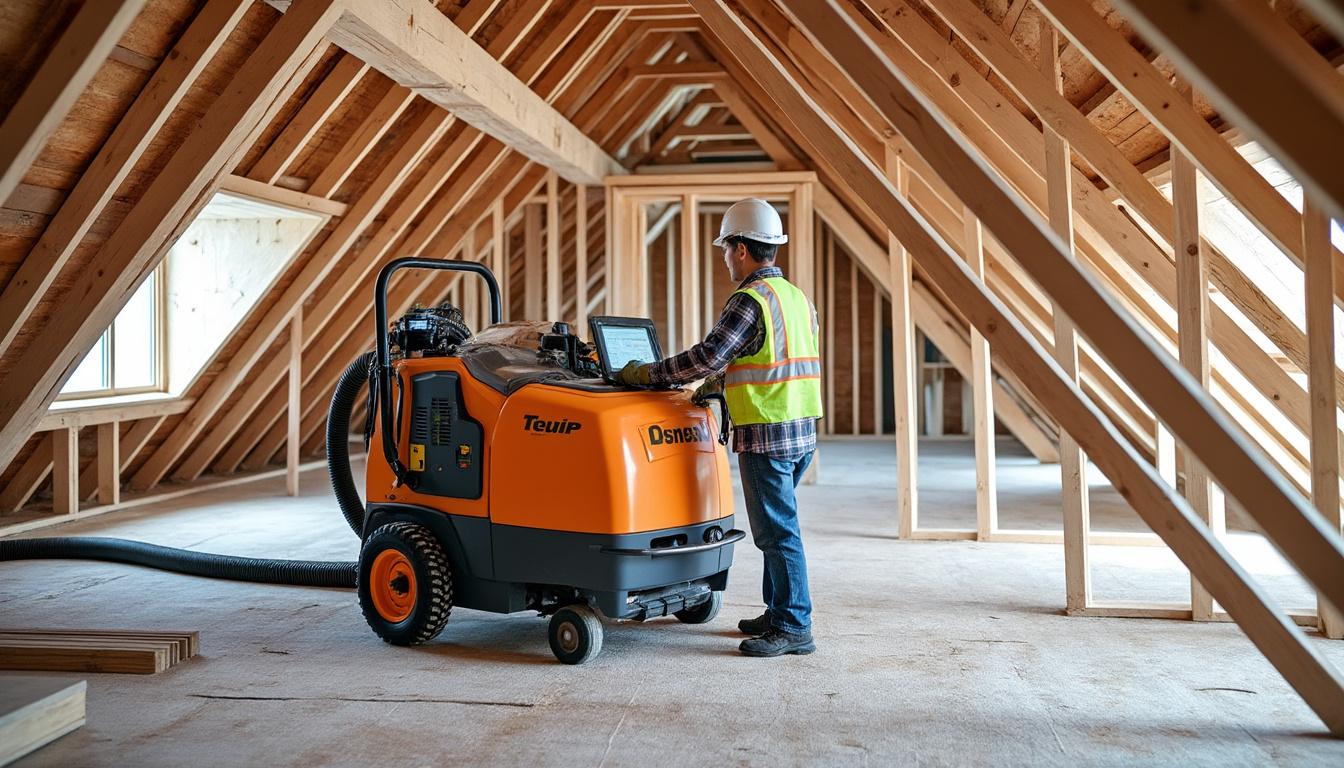
Features to Evaluate When Choosing the Best Insulation Machine for Your Needs
Investing in an insulation blower calls for thorough consideration of machine features that directly impact installation effectiveness and user experience. Below are critical features that should influence your purchase decision:
- Blower Capacity: Measures how much insulation material the machine can effectively blow per minute, vital for timing and workload management.
- Power Source: From electric to gas-powered units, the power source affects portability, maintenance, and emissions compliance on-site.
- Adjustable Flow Control: Essential for controlling material density and accuracy during the blowing process, optimizing energy efficiency in the building envelope.
- Durability and Maintenance: Powder-coated steel exteriors, rust-resistant components, and easy-to-access parts reduce downtime and enhance longevity.
- Safety Accessories: Emergency stops, dust containment systems, and ergonomic designs ensure operator protection and meet OSHA standards.
- User Interface: Intuitive panels with digital displays and wireless controls have become standard, improving usability and reducing operator errors.
For example, the Intec Force/2 HP insulation blowing machine features polyethylene construction that offers a rust-free, lightweight design, along with stainless steel airlock plates which extend wear and performance – key benefits noted by professional contractors who value durability and reliability. Additionally, machines equipped with digital ignition and wireless LRT panels, such as the Intec Force 5650, allow customization of the installation process remotely, enhancing precision especially on complex projects.
Choosing equipment with superior dust control and filtration is essential when installing fiberglass insulation, to protect workers from irritation and respiratory risks. Cellulose insulation machines similarly benefit from features that prevent clumping by controlling feed rate and air pressure to ensure consistency.
Here’s a practical table summarizing features to compare when evaluating insulation blowing machines:
| Machine Model | Compatible Insulation Types | Blower Capacity (lbs/min) | Power Source | Key Features |
|---|---|---|---|---|
| Greenfiber Insulation Blower | Cellulose | 10-15 (for dense packs) | Electric | Free rental with cellulose purchase, eco-friendly design |
| Owens Corning AttiCat | Fiberglass | 7-10 | Electric | Quick setup, ideal for residential retrofit |
| Krendl #425 | Fiberglass, Cellulose, Mineral wool | 12-18 | Electric | Versatile, lightweight, user-friendly panel |
| Intec Force/2 HP | Cellulose, Fiberglass | 15-20 | Gas | Durable polyethylene shell, high output, low maintenance |
| Intec Force 5650 | All loose-fill types | 20+ | Gas | Highest power, quiet exhaust, wireless controls |
Understanding these features and matching them to your project’s insulation type and scope will help you choose an efficient machine that improves the speed and quality of your installation process. For additional guidance, resources like Greenfiber’s machinery selection for cellulose insulation dive deep into optimizing machine use for specific materials.
Financial Considerations: Should You Buy or Rent an Insulation Blower Machine?
Economic factors frequently influence whether to buy or rent an insulation blower machine. Entry-level models typically range from $5,000 to $10,000, while high-capacity, professional-grade blowers can cost upwards of $20,000. Used equipment offers lower upfront costs but may come with increased maintenance and operational risks.
Rental options are especially appealing to homeowners or contractors who only intermittently install insulation. Notable home improvement retailers like Home Depot and Lowe’s rent insulation blowers for around $125 per day, offering a cost-effective way to access advanced equipment without a substantial investment.
For contractors regularly dealing with large projects, owning a machine like the Krendl #425 or Intec Force 5650 ensures availability and tailors maintenance schedules to specific project timelines. Ownership also allows for investment in training crews and customizing machine settings to consistent insulation types and installation techniques.
Below are essential factors to weigh before deciding:
- Project Frequency: Frequent use leans toward owning a machine; occasional use favors renting.
- Project Size and Complexity: Larger projects benefit from owning more powerful, specialized equipment.
- Budget Constraints: Solo homeowners or small contractors may find renting more feasible.
- Maintenance Capability: Owning requires more responsibility for upkeep to sustain performance.
For more detailed cost comparisons and advice tailored to different project scales, refer to analyses provided by industry sources such as Prosource Insulation’s blowing machines overview.
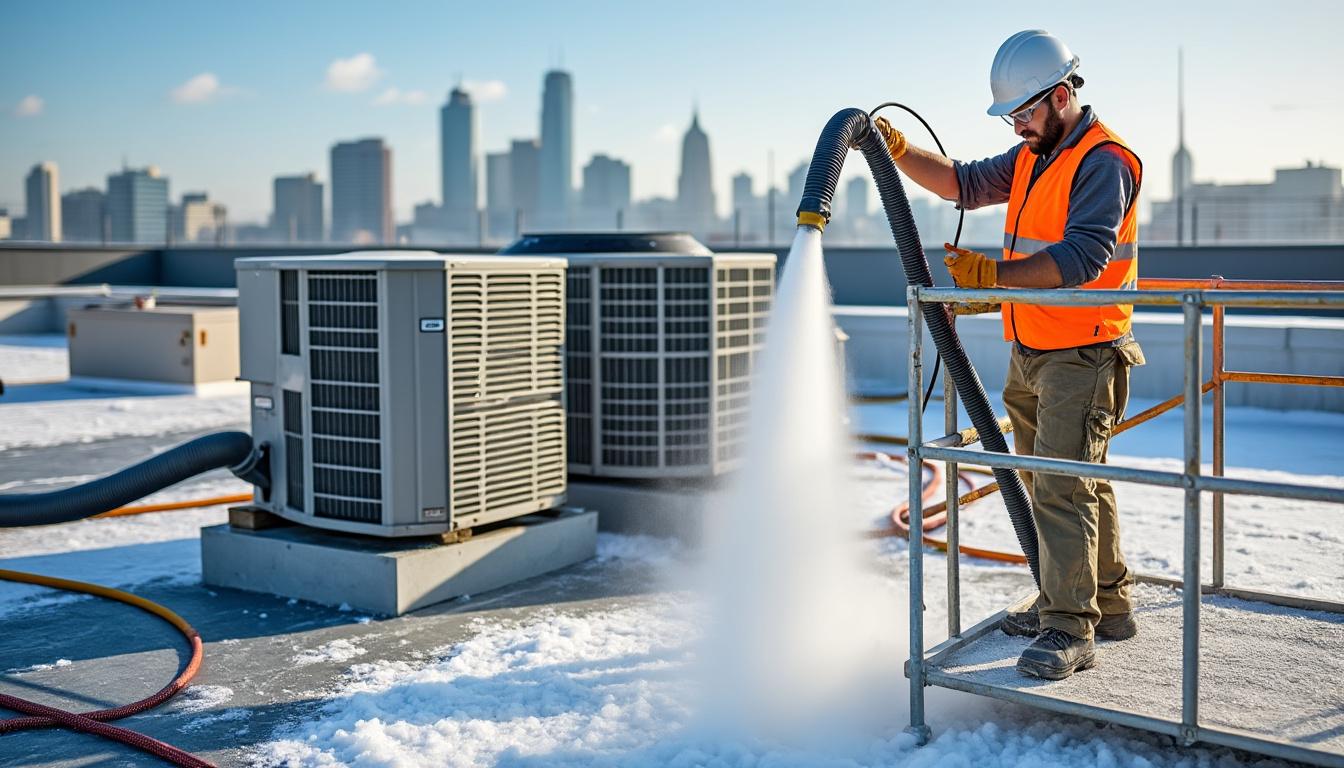
Operational Best Practices and Maintenance Tips for Longevity and Performance
Proper operation and regular maintenance of an insulation blower machine directly affect the quality of the installation and the machine’s lifespan. Adhering to best practices can prevent costly downtime and promote worker safety.
Preparing the Machine and Site
Before beginning installation, position the machine with ample ventilation to avoid overheating. Inspect all connections and components to ensure they are secure, clean, and free of debris. Load the appropriate insulation type according to the manufacturer’s recommendations.
During Installation
Maintain consistent feed rates and monitor the machine for indications of clogging or uneven material distribution. Utilize variable speed controls to adjust for insulation density as required, preventing over- or under-blowing, which can compromise the building’s thermal performance.
Post-Installation Maintenance
After every job, take time to clean the machine thoroughly. This includes blowing compressed air through the system to clear residual fibers, wiping down external surfaces, checking for wear on seals, and lubricating moving parts on schedule. Maintaining detailed logs on usage and maintenance will help predict parts replacement and avoid unexpected breakdowns.
TECH-LONG machinery stands out for its durable construction and user-friendly maintenance design, featuring quick-access seals and simplified control systems that reduce service time. Their customer support team provides dedicated assistance with troubleshooting and operational guidance, ensuring maximal uptime and effectiveness.
Following these operational protocols enhances return on investment and ensures your insulation blower remains a valuable asset for all your insulation needs. For additional expert advice and manufacturer-specific guidance, explore resources such as TECH-LONG’s official machine operation guide.