
When preparing for an insulation removal project, one of the most critical decisions involves selecting the appropriate equipment to get the job done efficiently and safely. Rental insulation removal vacuums are indispensable tools for contractors and homeowners intent on upgrading or replacing outdated insulation in attics, walls, or crawl spaces. Choosing the best insulation vacuum rental can affect project timelines, safety standards, labor intensity, and ultimately even the comfort and energy efficiency of the finished space. Understanding the landscape of available vacuums, from their specific features to rental terms and compatibility with insulation types, is essential for a successful project outcome in today’s competitive building environment.
This guide will walk you through the key considerations in choosing and renting insulation removal equipment that fits your specific needs. Whether you are tackling a small residential attic clean-out or preparing a commercial building for new insulation installation, knowing what to look for in a vacuum for insulation removal can save money and reduce hassle. You will gain insights into the various vacuum technologies, size and power requirements, safety adaptations, and helpful rental tips designed to streamline your project workflow. This expertise also helps ensure compliance with U.S. construction codes and environmental policies regarding insulation waste disposal.
From understanding the merits of built-in filtration systems to evaluating rental costs versus equipment capabilities, this comprehensive overview equips you with practical knowledge to navigate the choices in vacuum rental for insulation removal. You will find examples of common project scenarios, including dealing with fiberglass batts, blown-in cellulose, or spray foam residues, and learn how to match the vacuum specifications accordingly. Mastering these details empowers contractors and property owners alike to enhance the effectiveness and sustainability of their insulation upgrade efforts in today’s building market.
Key Points to Consider for Insulation Removal Vacuum Rental:
- Understand the types of insulation to be removed and their physical characteristics.
- Compare vacuum pump power, debris capacity, and filtration efficiency.
- Review rental contract terms, including duration, insurance options, and maintenance support.
- Check appliance compatibility with U.S. safety and building codes for insulation handling.
- Plan logistics for debris disposal and cleaning post-insulation removal.
Essential Features in the Best Insulation Removal Vacuum Rental for Your Project
Selecting the Right Vacuum for Insulation Removal Starts with Understanding Your Project Needs
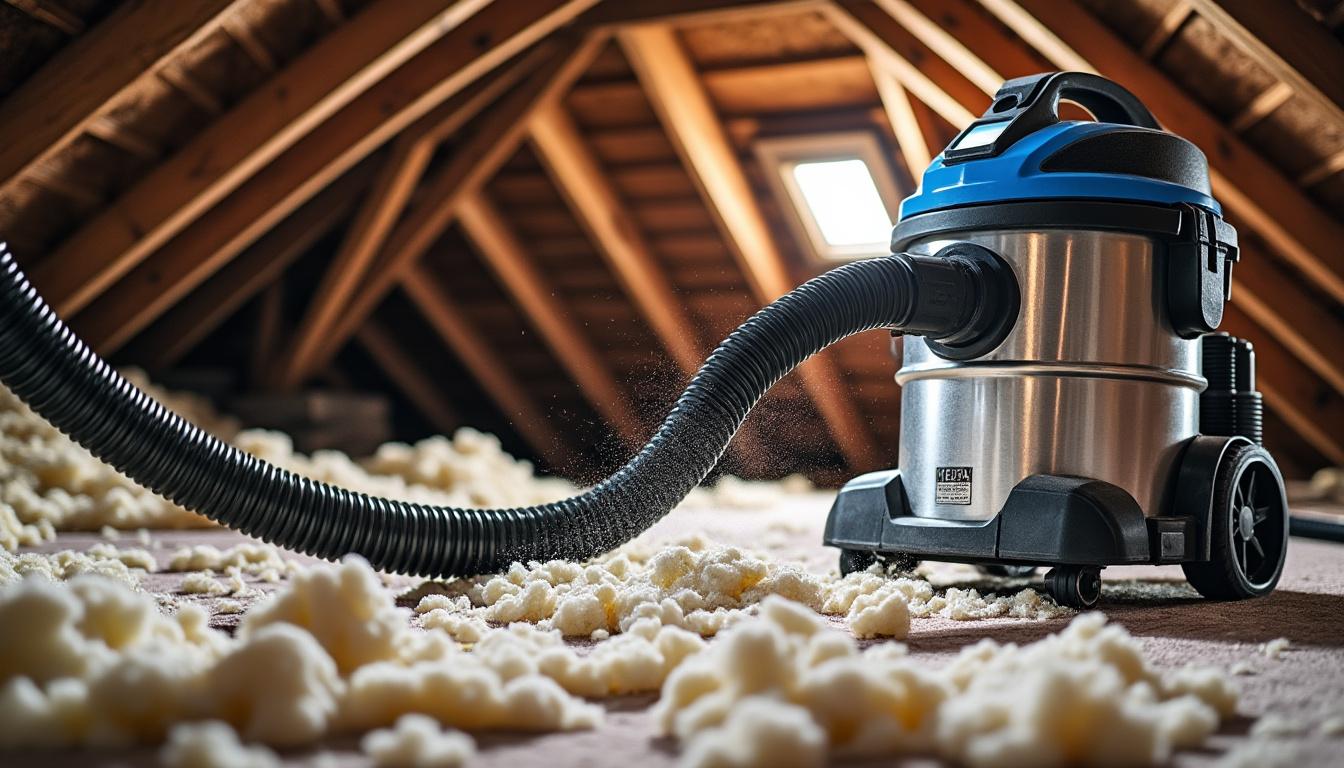
When choosing the best insulation vacuum for your project, start by evaluating the scale and complexity of the job. For instance, removing loose-fill cellulose from a large attic space requires a vacuum with a high-capacity drum and strong suction power to handle dusty, lightweight debris efficiently. On the other hand, cleaning fiberglass batts, which are bulkier and denser, may necessitate a vacuum with robust motor strength and a specialized nozzle design to reduce clogging.
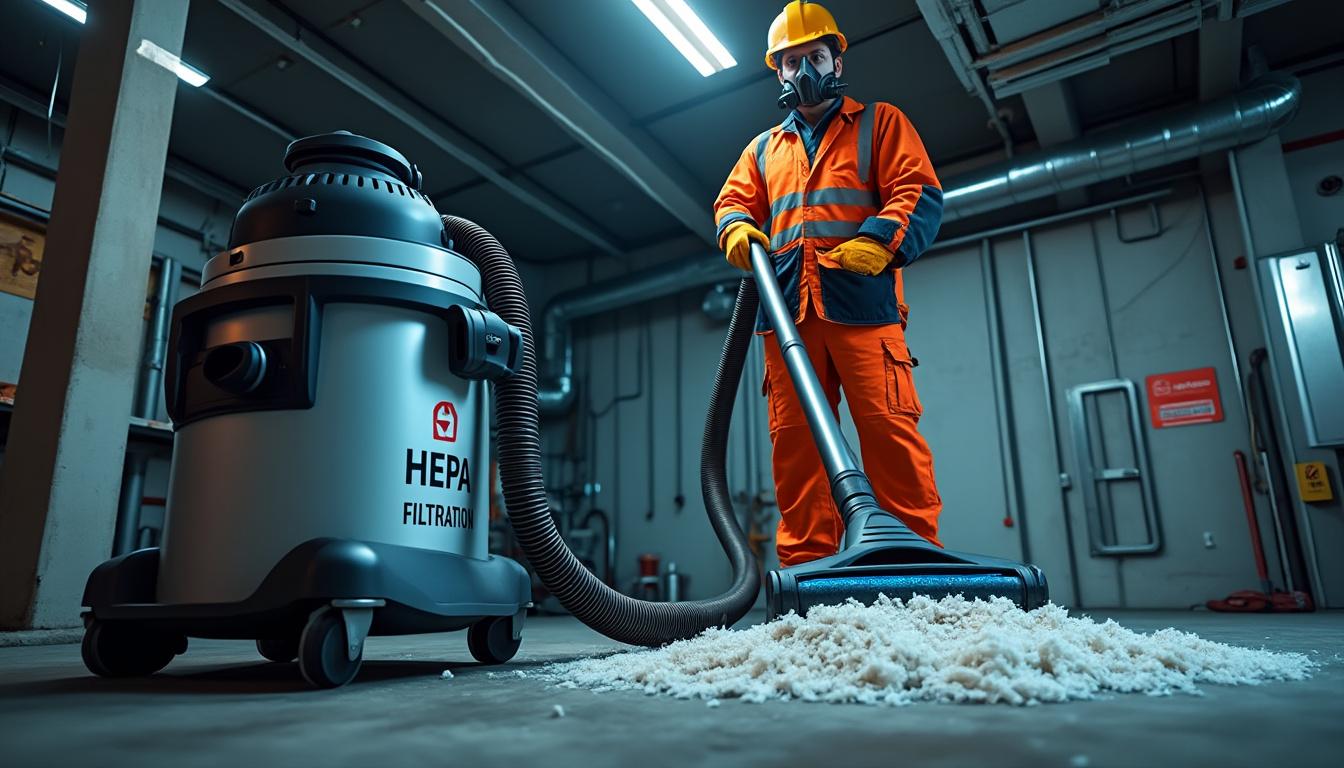
One essential feature is the vacuum’s filtration system. High-efficiency particulate air (HEPA) filters are valuable for capturing fine particles released during insulation removal, protecting workers from respiratory hazards and minimizing environmental contamination. Opt for vacuums equipped with multiple filtration stages when dealing with older attic insulation that often contains dust, mold spores, or even asbestos fibers—where professional abatement protocols apply.
Additionally, the vacuum must provide adequate hose length and flexibility. Long, maneuverable hoses allow comfortable reach into tight spaces, eliminating the need for excessive repositioning during operation. This feature dramatically improves productivity in complex building geometries like crawl spaces or wall cavities.
Examples of Effective Vacuum Systems for Different Insulation Types
Consider a residential project involving the removal of spray foam insulation, which tends to adhere firmly to surfaces. In such cases, a vacuum with a strong motor combined with attachments such as scraping or cutting tools can facilitate more effective extraction. For blown-in cellulose or fiberglass, the focus will be on filtration and dust containment, requiring vacuums with specialized cyclonic action mechanisms.
Rental companies often provide units tailored for specific insulation types, so don’t hesitate to inquire about recommendations based on your insulation material and building size. A trusted vendor can offer insights into their inventory’s best uses and necessary accessories, helping avoid costly delays and ensuring a smooth project insulation removal.
Lastly, noise level can be an important practical consideration, especially if working in occupied buildings or residential neighborhoods. Some newer vacuum models feature noise reduction technology, making them preferable for sensitive environments.
Key Factors Influencing Vacuum Rental Costs and Budget Planning
Understanding cost variables in renting insulation removal equipment is crucial for effective project budgeting. Pricing can vary significantly based on vacuum capacity, rental period, geographic location, and included services such as delivery, setup assistance, or equipment training.
Generally, rental fees are calculated on a daily, weekly, or monthly basis. Many contractors find weekly rentals ideal for typical attic jobs, which often last 2-5 days depending on accessibility and insulation volume. Longer rental periods might offer discounted rates but require evaluating storage and handling needs carefully.
Additional costs may include deposits, insurance coverage for equipment damage, and fees for replacement filters or accessory rentals. The total budget should also accommodate waste handling expenses, including bagging, transportation, and disposal fees, which differ by municipality and insulation type.
Balancing Quality and Affordability in Vacuum Rental
While a lower rental rate is enticing, it’s essential to assess the vacuum’s performance relative to project demands. Renting an underpowered vacuum can increase labor costs and prolong project duration, offsetting initial savings. Conversely, opting for the most powerful unit on the market when your job is small may be an unnecessary expense.
One practical approach is to consult detailed guides such as the vacuum rental guide provided by industry specialists. These resources offer comparisons of machines, transparent pricing insights, and tips on matching vacuum features to project scope. They also advise on how to negotiate better rental terms, including waiving delivery fees or securing on-call technical support.
In summary, thorough pre-rental planning and vendor communication can help you find the optimal balance between quality and affordability for your insulation removal vacuum rental.
How to Assess and Rent the Best Equipment for Safe & Efficient Insulation Removal
Safety is paramount during insulation removal, given the health risks associated with airborne particles and potential structural hazards. When renting insulation removal equipment, verify that the rental provider offers machines equipped with necessary safeguards such as sealed filtration bags and ergonomically designed controls to reduce operator fatigue.
Request a comprehensive walkthrough of the vacuum operation and maintenance procedures. A reputable rental company provides training or detailed instructions to help your team use the vacuum effectively while minimizing the risk of equipment misuse or damage.
Checklist for Choosing Insulation Removal Vacuum Rentals Safely
- Compatibility: Ensure the vacuum model supports the insulation type and debris volume expected.
- Safety Filters: Confirm the presence of HEPA or comparable filters for hazardous particulates.
- Noise Levels: Check if sound attenuation features are available for occupied sites.
- Warranty and Support: Review rental coverage for breakdowns or malfunctions during the contract.
- Operator Training: Assess whether on-site or online training resources are included.
For many contractors, it is also worthwhile to inquire about flexible rental terms allowing extensions or early returns without heavy penalties. Such options provide adaptability to unexpected changes in project schedules.
Understanding and adhering to local regulations concerning insulation removal disposal are equally vital. The rental company should support compliance by providing compatible waste collection bags and disposal protocols aligned with state and federal mandates.
Logistics and Aftercare: Efficient Management of Insulation Removal Projects
Beyond simply renting the vacuum, managing the full scope of insulation removal involves detailed logistical planning. This includes the coordination of debris removal, cleaning, and preparation for subsequent insulation installation.
Effective waste management starts with choosing vacuums that facilitate easy debris handling. Units featuring detachable drums or large capacity bags accelerate the process of emptying and reduce exposure to insulation dust. Planning the disposal path ahead of time, such as securing appropriate dumpsters or drop-off sites, ensures compliance with environmental codes.
List of Best Practices for Post-Insulation Removal Cleanup
- Schedule regular vacuum bag or drum emptying to prevent overfilling and loss of suction power.
- Use personal protective equipment (PPE) for all workers handling insulation debris.
- Seal debris bags tightly and label them according to local regulations for hazardous materials.
- Conduct a thorough site inspection to identify missed insulation fragments or dust accumulation.
- Coordinate with insulation installers to match removal progress with installation schedules.
| Logistic Step | Recommended Action | Key Benefit |
|---|---|---|
| Vacuum Selection | Choose equipment suited to insulation and project size | Improves cleaning efficiency and safety |
| Debris Handling | Use vacuums with easy-to-empty containers | Minimizes downtime and exposure to allergens |
| Waste Disposal | Coordinate with local disposal facilities | Ensures environmental compliance |
| Staff Protection | Enforce use of PPE and training | Reduces health risks |
Developing a clear workflow from vacuum rental to final cleanup significantly enhances the productivity and safety of your insulation removal project. Systematic coordination among your team, the rental provider, and waste handlers is crucial for smooth execution.
When planning your next building upgrade or insulation replacement, rent insulation vacuum equipment thoughtfully and manage every aspect for the best outcomes.