
When it comes to enhancing travel comfort in your recreational vehicle (RV), one of the most critical factors to consider is the quality of RV insulation. Proper insulation not only ensures the interior remains comfortable throughout varying climates but also plays an essential role in energy conservation and noise reduction. As the popularity of RV travel continues to grow across the United States, so does the demand for effective insulation solutions that cater to seasonal RV use, whether for summer adventures or winter excursions.
Choosing the best insulation for your RV requires understanding how different insulation materials perform in terms of thermal protection, installation ease, cost, and durability. Many RV owners emphasize the importance of insulation for maintaining a stable temperature inside the vehicle, preventing condensation-related issues, and reducing the noise from road and weather conditions. With advancements in insulation technology, options like spray foam, fiberglass, and reflective barriers have introduced new possibilities that outperform traditional methods.
In this detailed guide, we will explore practical insights on selecting the ideal RV insulation system. We’ll examine the benefits of popular materials along with professional installation tips and compliant practices that meet U.S. building and energy efficiency standards. Whether you’re a full-time RVer or a weekend traveler, investing in the right RV insulation will ultimately enhance your overall travel experience.
Key points to consider when choosing RV insulation:
- Thermal performance and temperature control
- Energy efficiency benefits and cost-effectiveness
- Material types and their specific properties
- Installation methods suitable for RV structures
- Seasonal adaptability for year-round travel comfort
Understanding the Importance of Thermal Protection and Energy Efficiency in RV Insulation
One of the essential goals of RV insulation is to provide effective thermal protection, ensuring the interior remains comfortable regardless of external conditions. Given the wide range of climates RVs can encounter—from scorching desert heat to freezing mountain cold—it is crucial that the insulation system minimizes thermal exchange. Good insulation reduces heat loss in winter and keeps the heat out during summer, stabilizing the internal environment.
Energy efficiency is a direct benefit of efficient insulation. When an RV is properly insulated, its heating and cooling systems work less overtime, leading to lower energy consumption and better fuel economy when powering onboard climate controls. This benefit extends to both standalone RV systems and those hooked to external power sources, such as campgrounds.
Materials with high R-values (a measure of resistance to heat flow) are preferred for RV applications. For instance, many RV owners opt for insulation with an R-value close to R-49 in areas like roofs and walls, as it significantly boosts energy efficiency. You can read more about the advantages of high R-value insulation materials in this insightful resource explaining how R-49 enhances thermal performance.
In addition to temperature control, insulation also helps in noise reduction. Road noise, engine sounds, and external weather can significantly affect the travel experience. Well-chosen insulation materials act as sound barriers, absorbing vibrations and muffling unwanted noise. For example, closed-cell spray foam is known for its superior soundproofing qualities while also serving as an effective thermal insulator.
Proper insulation contributes to preventing moisture buildup inside the RV, which can lead to mold and structural deterioration. Materials like cellulose and fiberglass allow for breathability, reducing condensation risks.
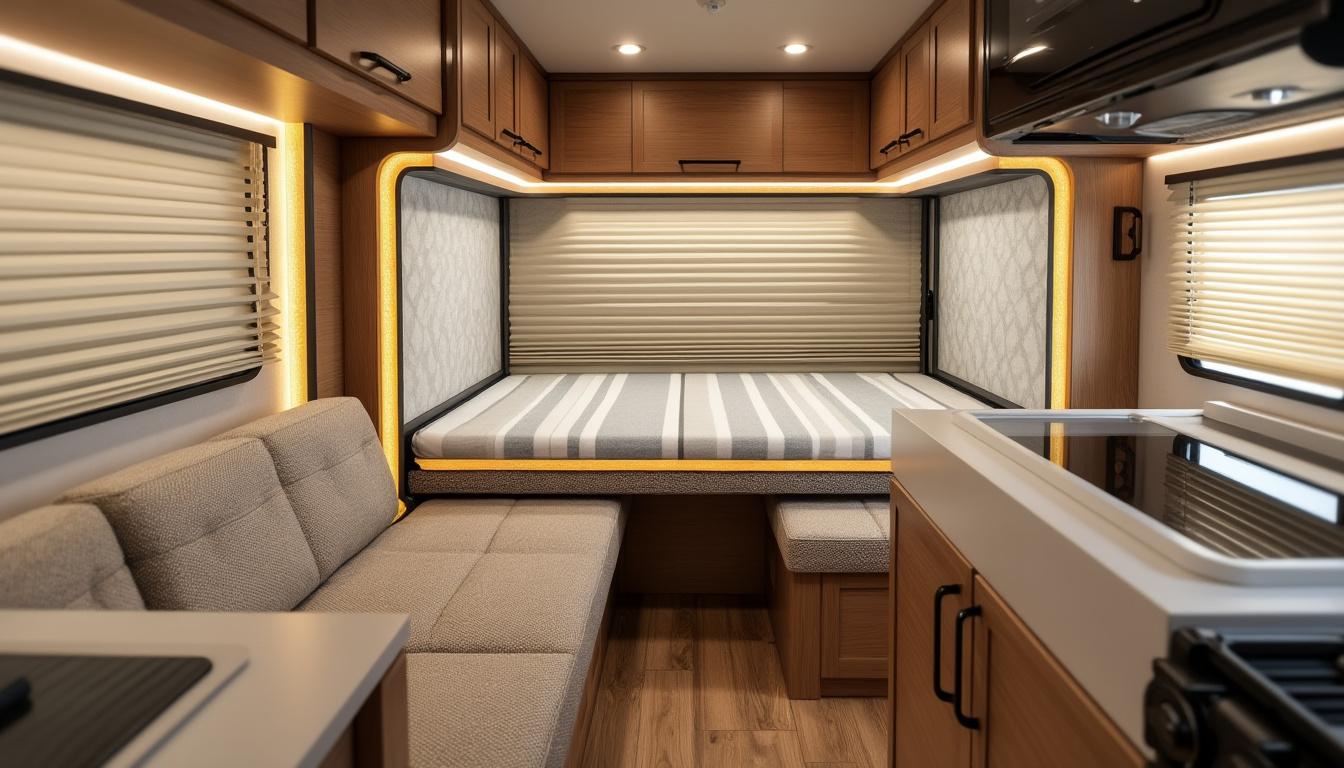
Comparing Insulation Materials: Pros, Cons, and Real-World Applications for RVs
Selecting the right insulation materials involves weighing the advantages and disadvantages of each type. The most common options for RV owners include spray foam, fiberglass batting, reflective foil insulation, and cellulose. Each has unique features that influence thermal protection, ease of installation, and durability.
Spray Foam Insulation
Spray foam insulation is popular for its excellent adherence to irregular surfaces common in RVs and its superior R-value per inch. It comes in two varieties: open-cell and closed-cell. Closed-cell foam offers better moisture resistance and structural reinforcement. For a mobile environment prone to vibration and movement, this material minimizes air leaks and reduces noise effectively.
However, spray foam installation typically requires professional equipment and expertise. Its initial cost is higher than traditional insulation, but the long-term energy savings often justify the investment. Moreover, spray foam’s capacity to fill small voids and cracks enhances overall thermal performance.
Fiberglass Insulation
Fiberglass batting remains one of the most widely used materials due to its affordability and relative ease of DIY installation. It provides decent thermal protection but is less effective against air infiltration unless carefully sealed. Fiberglass is lightweight but can be prone to moisture accumulation, which can reduce its insulating properties over time.
In RVs where weight is a critical consideration for fuel efficiency and load limits, fiberglass is often favored. Properly installed, it balances cost and effectiveness for seasonal RV use.
Reflective Foil Insulation
Reflective insulation uses radiant barriers, typically foil surfaces, to reduce heat transfer by radiation. It is highly effective in hot climates where reflecting sunlight reduces interior heat gain. Many RV owners layer reflective foil with other materials for a hybrid insulating system tailored to specific climates. Reflective barriers are lightweight and easy to install but offer less benefit in cold climates where conduction and convection are more relevant.
Cellulose Insulation
Cellulose is an eco-friendly option made from recycled paper treated for fire resistance. It is often blown into cavities and offers good thermal and sound insulation. While less common in RV applications due to installation challenges and weight, innovative approaches have adapted it for various travel trailers.
| Insulation Type | R-Value (per inch) | Moisture Resistance | Installation Complexity | Ideal Use Case |
|---|---|---|---|---|
| Closed-Cell Spray Foam | 6.0 – 7.0 | High | High (Professional) | Maximum thermal protection, moisture barrier |
| Fiberglass Batting | 2.9 – 3.8 | Low | Medium (DIY possible) | Cost-effective, lightweight |
| Reflective Foil | Varies (depends on setup) | Medium | Low (Easy DIY) | Heat reflection in hot climates |
| Cellulose | 3.2 – 3.8 | Medium | High (Blown-in) | Eco-friendly, soundproofing |
Understanding these differences helps RV owners align their insulation choice with specific requirements like travel habits, climate zones, and budget.
Seasonal RV Use and How Insulation Adapts to Varying Climates
Many RV enthusiasts adjust their travel plans according to seasons, which makes the choice of insulation materials crucial for maintaining temperature control throughout the year. In winter, insulation must minimize heat loss to keep the interior warm and protect water lines from freezing. In summer, it should keep the heat out, reducing reliance on air conditioning.
For colder climates, RV owners often favor closed-cell spray foam due to its excellent moisture barrier and structural strengthening qualities. It prevents icy drafts by sealing gaps where cold air could enter. On the other hand, reflective foil is highly suited for hot desert trips, where radiation heat control improves travel comfort.
Hybrid insulation approaches that combine several materials can offer balanced protection. For example, combining fiberglass with reflective barriers can provide a robust strategy by tackling both conduction and radiation heat transfers. Some RV operators install removable insulation blankets or thermal curtains to adapt on the fly depending on the weather conditions.
Users who plan year-round RV living must also consider ventilation balance together with insulation. Effective airflow minimizes moisture buildup and maintains air quality without compromising heat retention. Many modern RVs incorporate energy-efficient HVAC systems designed to complement advanced insulation technology.
For further insights on combining insulation layers for optimal efficiency, you can check expert advice on insulation blankets and their energy-saving benefits, which translates well into RV applications.
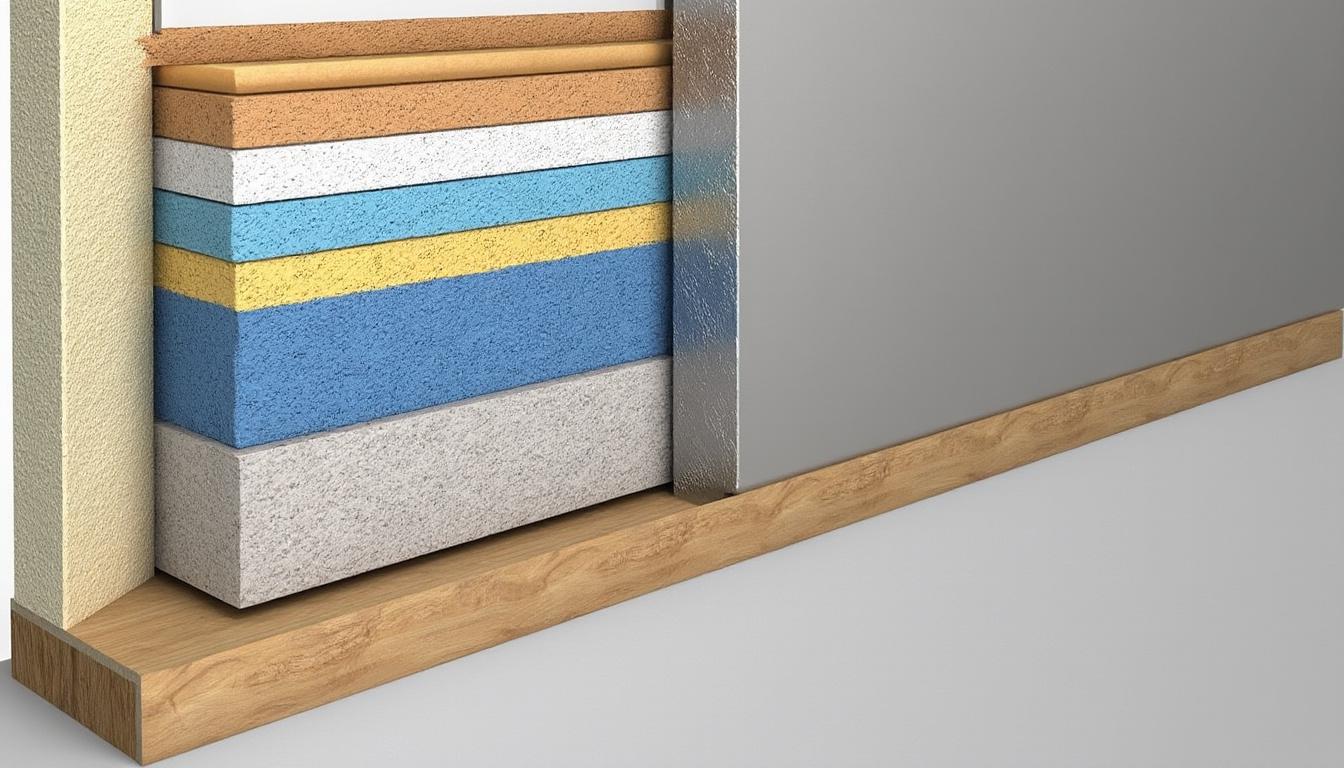
Expert Installation Tips for Maximizing Insulation Effectiveness in Your RV
Proper installation is just as important as selecting the right insulation material. Improperly installed insulation can lead to air leaks, condensation issues, and reduced energy efficiency. For RV owners seeking professional results, understanding some key installation principles is essential.
One crucial tip is ensuring all gaps, joints, and corners are sealed before insulation installation. Air infiltration significantly diminishes thermal performance. Using high-quality caulks, expanding foams, or weatherstripping enhances the insulation’s efficiency dramatically.
For spray foam, hiring contractors familiar with RV structures ensures the foam is applied evenly and does not add unnecessary weight. It’s important to maintain vehicle balance and avoid blocking essential components like electrical conduits or plumbing.
When using fiberglass or cellulose, proper vapor barriers must be installed to prevent moisture migration. Sleeping areas and cabinetry sections benefit from an extra layer of insulation to minimize noise and draft factors, which directly impact travel comfort during overnight stays.
Finally, periodic inspection and maintenance of insulation are critical. Wear and tear from vibrations, moisture, or pest intrusion can degrade insulating materials. Timely repairs prolong insulation life and sustain thermal efficiency.
- Seal all air leaks before installing insulation to optimize thermal protection
- Choose insulation types compatible with your RV’s weight and structure
- Install vapor barriers in moisture-prone sections to prevent mold
- Consider layering for improved temperature control and noise reduction
- Schedule regular checks and fix damaged insulation promptly
The Role of U.S. Codes and Standards in Selecting and Installing RV Insulation
RV owners and contractors must navigate a range of U.S. regulations concerning insulation to ensure safety, energy efficiency, and code compliance. While RVs are subject to different standards than stationary buildings, many aspects such as fire resistance, thermal ratings, and ventilation requirements are legislated under federal and state guidelines.
A good example is adherence to standards similar to those affecting residential and commercial insulation systems, such as specific R-value minima and fire retardant certifications for insulation materials. These standards help reduce fire hazards and improve overall health safety for long-term RV dwellers.
Further, energy efficiency programs encourage or require the use of insulation solutions that boost travel comfort without excessive fuel consumption. Programs and rebates may also be available under some utility or state initiatives aimed at sustainable travel practices.
When choosing insulation, it is wise to consult local RV associations or professional installers familiar with energy efficiency standards and codes to avoid violations that might compromise safety or resale value.
For homeowners and RV owners curious about upgrading insulation systems, guidance on professional insulation removal and replacement can be invaluable. For example, exploring options such as finding the best insulation removal services near you can ensure a smooth and compliant renovation process.