
Choosing the appropriate insulation tester is crucial in ensuring electrical safety and system reliability across residential, commercial, and industrial applications. Insulation testers provide the means to evaluate the quality of electrical insulation preventing short circuits, energy losses, or catastrophic failures. For electricians, contractors, and maintenance teams in the U.S., understanding how to choose insulation tester models suited to specific tasks can directly impact diagnostic accuracy, safety, and long-term equipment performance.
As modern electrical infrastructure grows more complex, the need for precise and efficient testing equipment becomes increasingly critical. This article delves into the vital features of insulation testers, the importance of insulation resistance, and the types of testing equipment available in today’s market. It also guides professionals in selecting the right device, balancing factors such as voltage requirements, measurement accuracy, and compliance with U.S. electrical codes.
Key Points to Consider When Choosing an Insulation Tester:
- Test Voltage Range: Ensuring compatibility with system voltage and application type.
- Measurement Range and Accuracy: Capability to measure insulation resistance reliably, often spanning megaohms to teraohms.
- Safety Compliance: Devices should meet IEC, IEEE, and National Electric Code safety standards pertinent to U.S. market.
- Data Logging & Connectivity Features: Modern insulation testers offer wireless or USB data transfer for maintenance record keeping.
- Application Environment: Consider if the tester is intended for residential, commercial, or industrial usage.
Understanding Insulation Tester Types and Their Role in Electrical Insulation Testing
Insulation testers are specialized instruments designed to apply a high DC voltage through an insulating material to assess its resistance to electric current leakage. Essentially, they determine the effectiveness of electrical insulation critical to the safe operation of wiring, motors, transformers, and electrical panels. Many varieties exist, each tailored for unique applications and user requirements.
Analog vs Digital Insulation Testers
Analog insulation testers employ needle gauges that provide immediate, real-time resistance readings. Their simplicity and ruggedness make them a favorite in field service scenarios, especially where digital displays may be challenging to read due to environmental conditions like bright sunlight or dust. Though they lack data storage and advanced calculations, these testers offer reliable baseline assessments for routine checks.
Digital insulation resistance testers have surged in popularity due to their precision and expanded functionality. These devices display exact numeric values, often with graphical interfaces simplifying complex data interpretation. Many integrate data logging, Bluetooth connectivity, and automated calculations for parameters such as Polarization Index (PI) and Dielectric Absorption Ratio (DAR), vital for detecting progressive insulation degradation. For professionals requiring comprehensive analysis, digital models are generally preferred despite their slightly higher cost.
Motor Insulation Testers
Motors play an indispensable role in residential and industrial settings, and their performance heavily depends on the health of insulation in windings and coils. Motor insulation testers are specialized instruments designed to apply voltage patterns and record insulation resistance specific to electrical motors. These testers often support dynamic tests simulating operational stress, allowing early detection of insulation faults that could lead to motor burnout or reduced efficiency.
When choosing a motor insulation tester, prioritize devices supporting variable voltage outputs ranging from 250V to over 1,000V, tailored for motors of different horsepower ratings. Compatibility with diagnostic software enabling trend analysis and predictive maintenance is advantageous, especially in commercial or industrial contexts.
Each insulation tester type offers distinct advantages, and understanding their strengths is essential when weighing options. For further guidance on the various insulation tester types and their usage, industry-standard resources provide extensive comparative studies and application-specific recommendations.
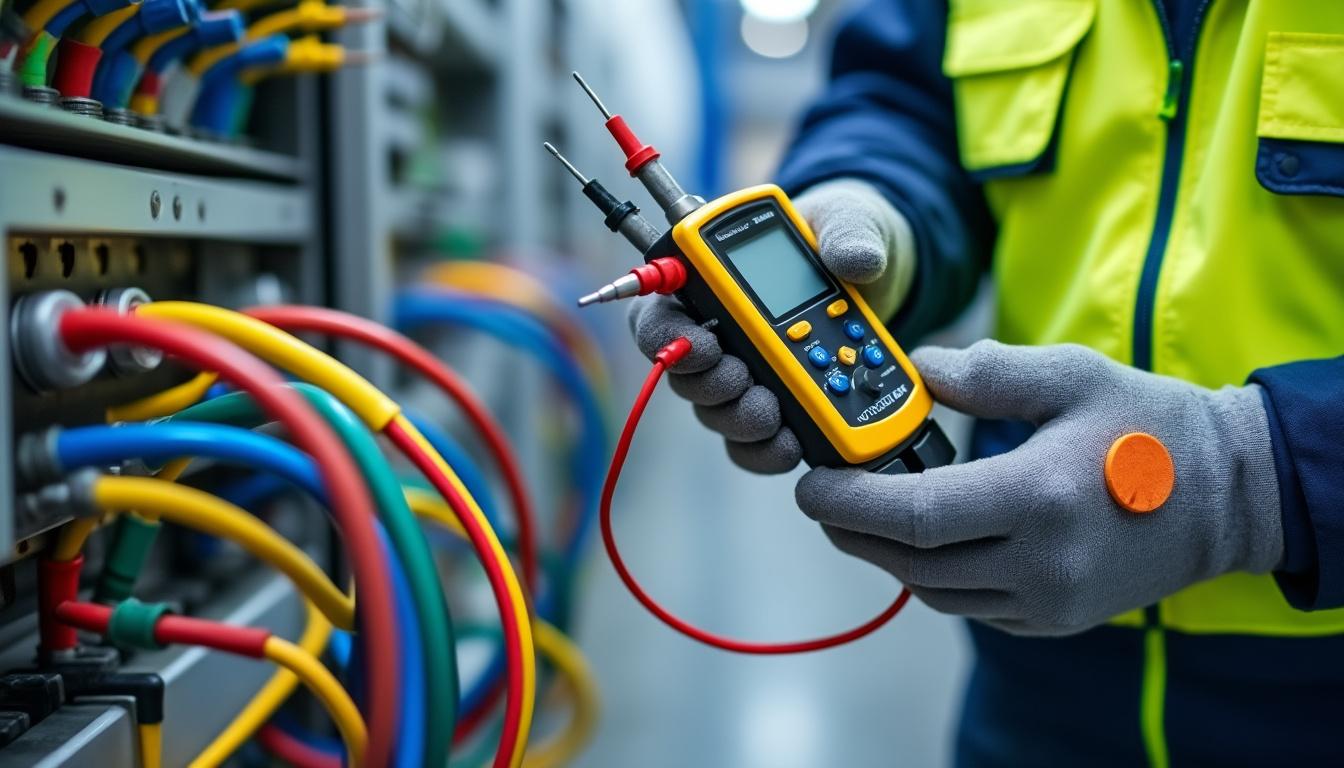
Key Insulation Tester Features to Evaluate in 2026
Modern insulation testers are loaded with features that improve both usability and testing accuracy. Selecting equipment with the right mix of capabilities guarantees reliable diagnostics and compliance with U.S. electrical safety standards.
Voltage and Resistance Measurement Range
The available test voltages often include 250V, 500V, and 1,000V with industrial testers providing up to 15,000V or more for specialized high-voltage equipment. The correct voltage choice depends on the machinery, wiring, or cables being tested. Using a voltage too low may fail to reveal faults, whereas excessive voltage risks damaging the insulation during testing.
The resistance measurement range is equally crucial. Top-tier insulation testers now measure from a few ohms to multiple teraohms, providing coverage for low-voltage household circuits to high-voltage industrial systems. Precision in measurement, often within ±5%, ensures data reliability for preventative maintenance decisions.
Safety Standards and User Protection
U.S. electricians must ensure their insulation testers comply with key safety certifications such as IEC 61010, IEEE standards, and the National Electric Code (NEC) regulations. Features such as live circuit detection prevent accidental testing on energized lines, safeguarding the operator and equipment.
Moreover, devices with robust IP54 ratings or higher offer dust and water resistance, enhancing longevity especially when used on construction sites or outdoor settings. Ergonomic designs and built-in test lead storage also improve field usability.
Data Logging, Connectivity, and Software Integration
A growing trend in insulation testing is the inclusion of data communication features allowing seamless data transfer via Bluetooth, USB, or Wi-Fi. These capabilities enable electricians and engineers to archive test results digitally, facilitating trend analysis and regulatory compliance documentation, critical in building management and predictive maintenance programs.
Software packages tied to insulation testers offer functions such as automated test report generation, threshold alarm settings, and customizable test sequences. These capabilities significantly reduce human error, speeding up testing workflows across multifaceted projects.
| Feature | Benefit | Example |
|---|---|---|
| Selectable Test Voltages (250V, 500V, 1kV+) | Adapts to a variety of testing requirements without equipment damage | Digital testers with multiple voltage ranges |
| Wide Resistance Measurement Range | Measures insulation resistance from megaohms to teraohms | Industrial-grade insulation testers covering up to 10 TΩ |
| Advanced Data Logging & Connectivity | Eases documentation and long-term monitoring | Bluetooth-enabled testers with reporting apps |
| Safety Features | Prevents operator errors and electrical hazards | Live circuit detection and CAT IV ratings |
| Ergonomic Design & Durability | Enhances usability in the field and device lifespan | Compact, IP54-rated casing for site work |
Practical Tips for Testing Electrical Insulation: Processes and Best Practices
Testing insulation resistance effectively requires not only the right equipment but also adherence to detailed procedures to ensure accuracy and safety. Here is a systematic approach to performing insulation testing:
- Preparation: Before testing, confirm the insulation tester is calibrated and fully charged. Select the suitable test voltage matching the system specifications.
- Power Down and Isolate Circuits: Ensure that the circuit or equipment is de-energized. Verify no live voltage using a multimeter to prevent injury and equipment damage.
- Disconnect Sensitive Components: Remove or isolate delicate electronic components to avoid damage during testing.
- Connect the Tester: Attach leads securely: one to the conductor, the other to ground or the insulation material.
- Conduct the Test: Apply the selected voltage for the mandatory test duration. Modern insulation testers may include automated timing for consistency.
- Record and Analyze Results: Read the displayed insulation resistance, and compare it against standard requirements or historical data to determine acceptability.
- Complete Safely: Power down the tester, disconnect leads carefully, and restore all system connections before re-energizing.
Following this checklist ensures reliable results and operator safety. Additionally, regular testing intervals support predictive maintenance planned around insulation condition trends, reducing unscheduled downtime.
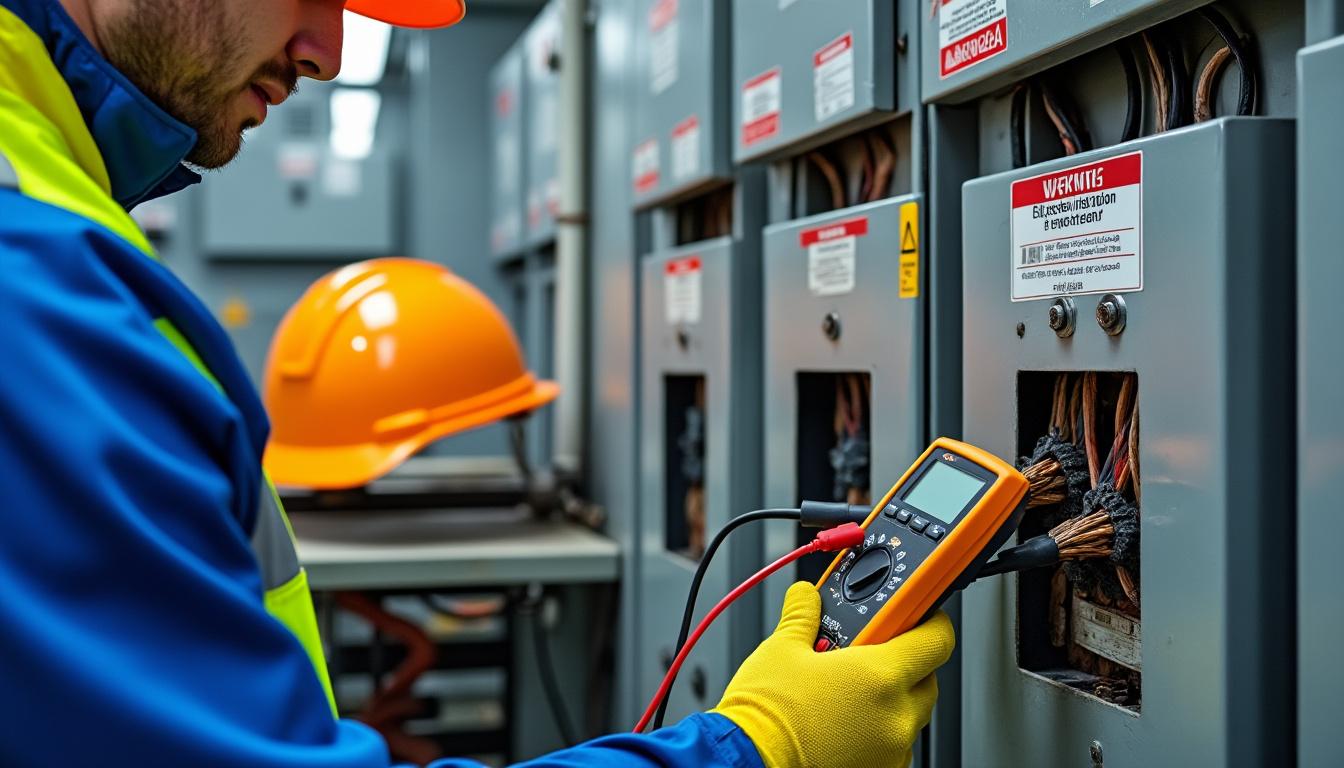
Comparing Popular Insulation Tester Brands: Fluke, Klein Tools, and Megger in 2026
In the U.S. market, some brands stand out for their trusted insulation testers, catering to a wide spectrum of users from residential electricians to industrial technicians. Choosing insulation tester models from these manufacturers often hinges on intended application, budget, and required features.
| Key Aspect | Fluke | Klein Tools | Megger |
|---|---|---|---|
| Measurement Accuracy | High precision suitable for advanced diagnostic tasks | Reliable accuracy for everyday fieldwork | Industry-leading accuracy, favored in industrial applications |
| Voltage Test Range | 50V to 10kV, broad range for all needs | 250V to 1kV, targeting electricians and contractors | Up to 5kV, great for heavy-duty testing |
| Connectivity Features | Bluetooth-enabled, smartphone app integration | Basic connectivity | USB and proprietary software for detailed analysis |
| Durability | Industrial-grade ruggedness | Compact, handheld durable design | Robust, made for harsh environments |
| Price Range | Higher-end, premium pricing | Budget-friendly, suitable for light industrial use | Mid to premium, based on model features |
For those looking to choose insulation tester models aligned with professional standards and performance expectations, exploring detailed reviews and buying guides can offer additional clarity. Resources like Megger’s expert advice on insulation testers and Honeytek’s comprehensive buying guide provide valuable insights on model selection focusing on safety, functionality, and budget.