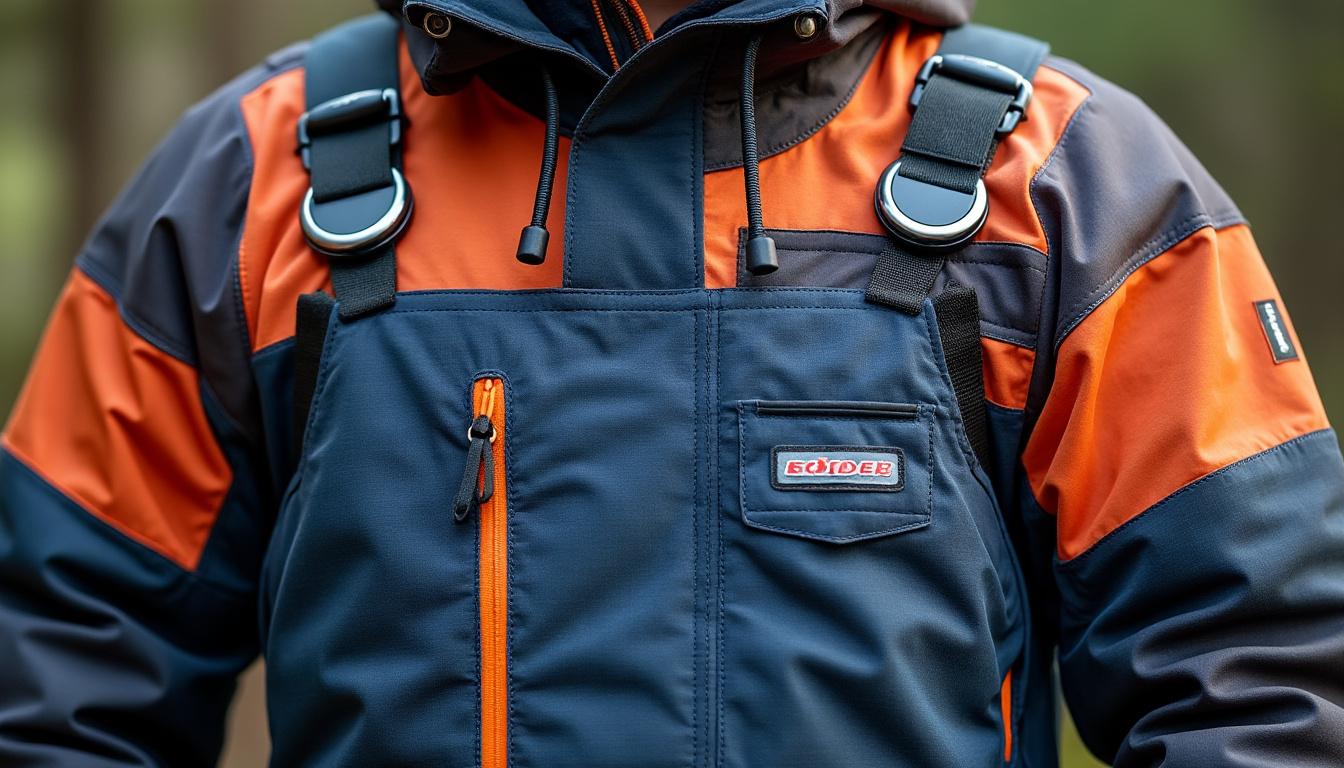
Working in cold weather environments demands apparel that not only provides warmth but also ensures protection and comfort throughout demanding tasks. Insulated bib overalls have become the go-to choice for professionals and outdoor enthusiasts who face the harsh realities of chilly temperatures. Engineered with durable, thermal materials and designed to offer maximum mobility, these workwear garments excel in combining rugged protection with practical comfort. Whether working on a construction site during winter or engaging in outdoor maintenance, insulated bib overalls are crafted to safeguard the wearer from cold conditions, wind, moisture, and abrasion, all while allowing freedom of movement.
Today’s insulated bib overalls balance innovation and tradition. Advancements in textile technology produce enhanced thermal insulation that can adapt to variable weather, reducing bulk without compromising heat retention. Features such as adjustable straps, reinforced knees, and water-resistant exteriors have become industry standards, reflecting the evolving needs of cold weather laborers. Understanding their construction, material options, and functional design elements is key for anyone looking to invest wisely in reliable cold weather gear. The extensive variety available in 2026 underlines their importance across sectors, from agriculture to construction, municipal services, and more.
Key takeaways to consider about insulated bib overalls for cold weather work:
- Durable construction: Provides protection against physical hazards common in rugged environments.
- Superior warmth: Insulation materials trap body heat to prevent cold stress and promote endurance.
- Comfort features: Adjustable fittings and ergonomic design enhance mobility and reduce fatigue.
- Weather resistance: Water-repellent fabrics shield from moisture, while windproof membranes reduce heat loss.
- Practicality: Multiple pockets and easy access features improve efficiency during tasks.
Understanding the Benefits of Insulated Bib Overalls for Cold Weather Workwear
Insulated bib overalls offer an unmatched combination of warmth, durability, and protection, making them indispensable for cold-weather workwear. Designed to cover the torso and legs while leaving the arms free for movement, bib overalls deliver comprehensive thermal protection without sacrificing mobility.
A primary advantage of these overalls stems from their insulation technology. Modern insulated bib overalls use materials such as synthetic fibers, fleece linings, or layered quilts, which effectively trap heat and maintain a stable internal temperature. This becomes crucial when workers are stationary outdoors or performing low-intensity tasks that minimize body heat generation. For example, during early morning farm chores or roadside repairs in winter, maintaining core body warmth reduces the risk of hypothermia and frostbite.
Manufacturers have also incorporated windproof and water-repellant outer shells to prevent cold air and moisture infiltration. These features are especially important in environments exposed to snow, freezing rain, or sleet, where wet clothes can accelerate heat loss dramatically. One practical example includes RefrigiWear’s insulated workwear line, known for its combination of low-profile design with high thermal efficiency and water resistance — a favorite among utility workers in northern states.
In terms of durability, insulated bib overalls are constructed with rugged fabrics like duck canvas, ripstop polyester, or treated cotton blends. Reinforced stitching and added knee pads or seat patches prolong the garment’s lifespan even under abrasive work conditions. This makes them not only a protective item but also a wise investment by reducing the need for frequent replacements.
Comfort and fit play an equally important role. Adjustable shoulder straps, elastic back panels, and side zippers facilitate quick dressing and removal, while providing a customizable fit that accommodates layers underneath. The bib portion acts as a barrier against cold drafts, ensuring consistent insulation over vital organs. For example, duct and HVAC technicians often prefer insulated bib overalls for their ease of movement combined with weather protection when working in unheated spaces or outdoors.
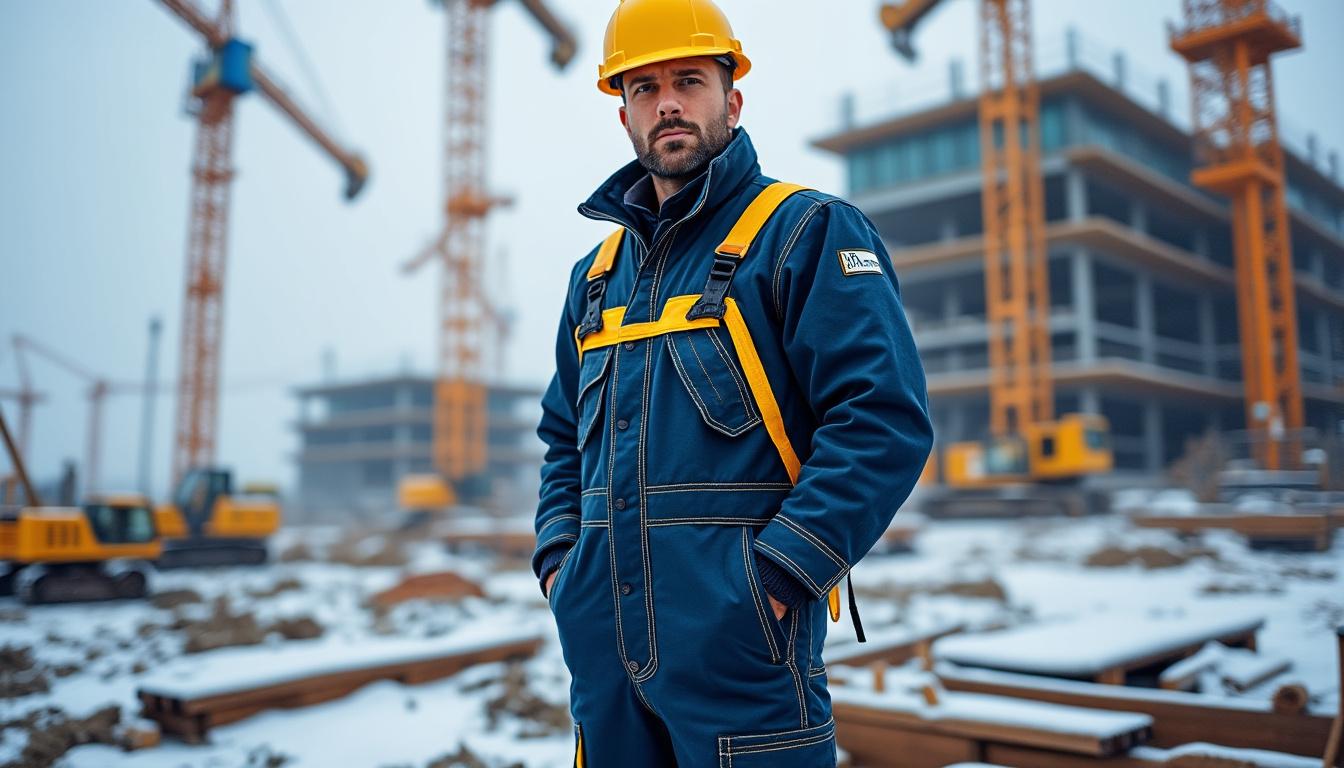
Choosing the Right Materials and Insulation Thickness for Optimal Warmth
Selecting the correct type of insulation and outer shell material is critical when deciding on insulated bib overalls that offer protection and comfort during cold weather work. The market presents a broad array of options tailored to differing weather conditions, activity levels, and budget considerations.
Insulation types: The most common materials used for insulating bib overalls include polyester synthetic fills like Thinsulate, polyester fleece, and cotton-poly blends. Synthetic insulation stands out due to its water resistance and ability to retain warmth even when damp. Thinsulate, for instance, is a high-performance choice that traps heat efficiently without adding excessive bulk, beneficial for active workers who prefer lighter garments.
Another insulation method uses quilted linings, which sandwich synthetic fibers between fabric layers, creating trapped pockets of air that act as heat barriers. Some bib overalls incorporate removable linings for versatile use across seasons, allowing wearers to adapt insulation depending on outside temperatures.
Outer shell fabrics: Durable fabrics such as heavyweight cotton duck or ripstop nylon are frequently paired with waterproof coatings like polyurethane or DWR (durable water repellent) finishes. These materials help shield the inner insulation from rain and snow, extending the overall lifespan of the garment and maintaining thermal efficiency.
For cold climates with high humidity or heavy precipitation, waterproof breathable membranes (often used in advanced outdoor apparel) provide an ideal barrier. While these features slightly increase price, they dramatically enhance comfort by preventing moisture buildup inside the insulation layer.
When considering insulation thickness, users should weigh the trade-off between warmth and mobility. Thicker insulation offers more protection but can restrict movement and cause overheating during high-exertion tasks. Medium-weight insulated bib overalls strike a balance, suitable for most cold weather jobs without overwhelming bulkiness. An example includes Carhartt’s R41 insulated bib overalls, which utilize medium-thickness insulation favored by many winter outdoor workers in the Midwest.
Pricing varies widely depending on materials, brand, and added features. Entry-level insulated bib overalls can start around $50, while premium models with advanced insulation and waterproofing exceed $150. Homeowners or part-time workers might opt for cost-effective choices, while professional contractors will often benefit from investing in higher-end workwear for durability and enhanced protection.
Recommended Insulated Bib Overalls Providers and Reviews
Resources like Dick’s Sporting Goods’ selection of cold weather bib overalls and Work Wear Command’s reviews of insulated winter overalls offer comprehensive insight into popular models. Additionally, detailed comparisons on sites like Slow Weather assist buyers in navigating the variety of brands and features available in 2026.
Functional Design Features That Enhance Protection and Comfort During Outdoor Work
The value of insulated bib overalls extends beyond basic warmth to include thoughtful design details that improve safety, convenience, and user experience during cold-weather outdoor tasks. Understanding these functional elements can make the difference between standard protection and elevated comfort.
Adjustability: Shoulder straps with easy-length adjustment allow the bib overalls to fit a broad range of body shapes and accommodate layering without constriction. Side zippers and snap closures facilitate quick on/off capabilities, especially useful when conditions change suddenly or breaks are frequent.
Reinforcements: Many high-quality bib overalls feature double-layer knee areas, reinforced seat patches, and bartack stitching at stress points. Such reinforcements not only extend garment life but also provide essential protection against injuries from sharp objects or rough surfaces common on construction sites, farms, and industrial settings.
Pockets and tool accessibility: Strategically placed pockets designed for tools, phones, and personal items improve productivity. Some models integrate fleece-lined handwarmer pockets or secure chest compartments for valuables, making them practical for workers who need quick access while maintaining warmth.
Water and wind resistance: Outer fabric treatments and designs that minimize seam exposure help maintain insulation integrity by repelling moisture and blocking chilling winds. For instance, taped seams and storm flaps over zippers prevent the ingress of cold air and water.
Seasoned tradespeople emphasize that bib overalls also need to facilitate movement without bulkiness interfering with climbing ladders, crawling, or bending. Lightweight insulated bibs with articulated knees and gusseted crotches support these motions, allowing workers to remain efficient and safe in challenging environments.
Investing in bib overalls with these features enhances not only thermal protection but also overall job performance and worker satisfaction during demanding winter operations.
Cost Analysis and Purchasing Tips for Insulated Bib Overalls in 2026
As the marketplace in 2026 expands, buyers face an extensive range of insulated bib overalls varying in price, quality, and functionality. Making a cost-effective choice requires careful consideration of your specific cold-weather needs and the work environment.
Price ranges and what you get:
| Price Range | Typical Features | Ideal Use Case |
|---|---|---|
| $50 – $80 | Basic insulation, water-resistant shell, standard durability | Homeowners, occasional outdoor work, light exposure to cold |
| $80 – $130 | Medium insulation, reinforced knees, adjustable fit, improved water resistance | Farmworkers, construction, moderate cold exposure |
| $130 – $200+ | Premium insulation technology, waterproof breathable membranes, additional reinforcements, multi-pocket design | Professional contractors, extreme conditions, frequent use |
When purchasing insulated bib overalls, consider factors such as sizing flexibility to layer without restriction, ease of maintenance, and compatibility with other winter gear like jackets and gloves. Choosing products from reliable retailers with clear return policies and customer service support helps avoid sizing or quality issues. Platforms like Amazon’s detailed listings and specialized workwear suppliers such as Legion Safety ensure access to authentic, tested products.
It’s important to note that investing in quality winter workwear can reduce downtime, increase worker productivity, and minimize health risks linked to cold exposure. As many seasoned outdoor workers attest, opting for well-engineered insulated bib overalls far outweighs short-term savings on cheaper alternatives.