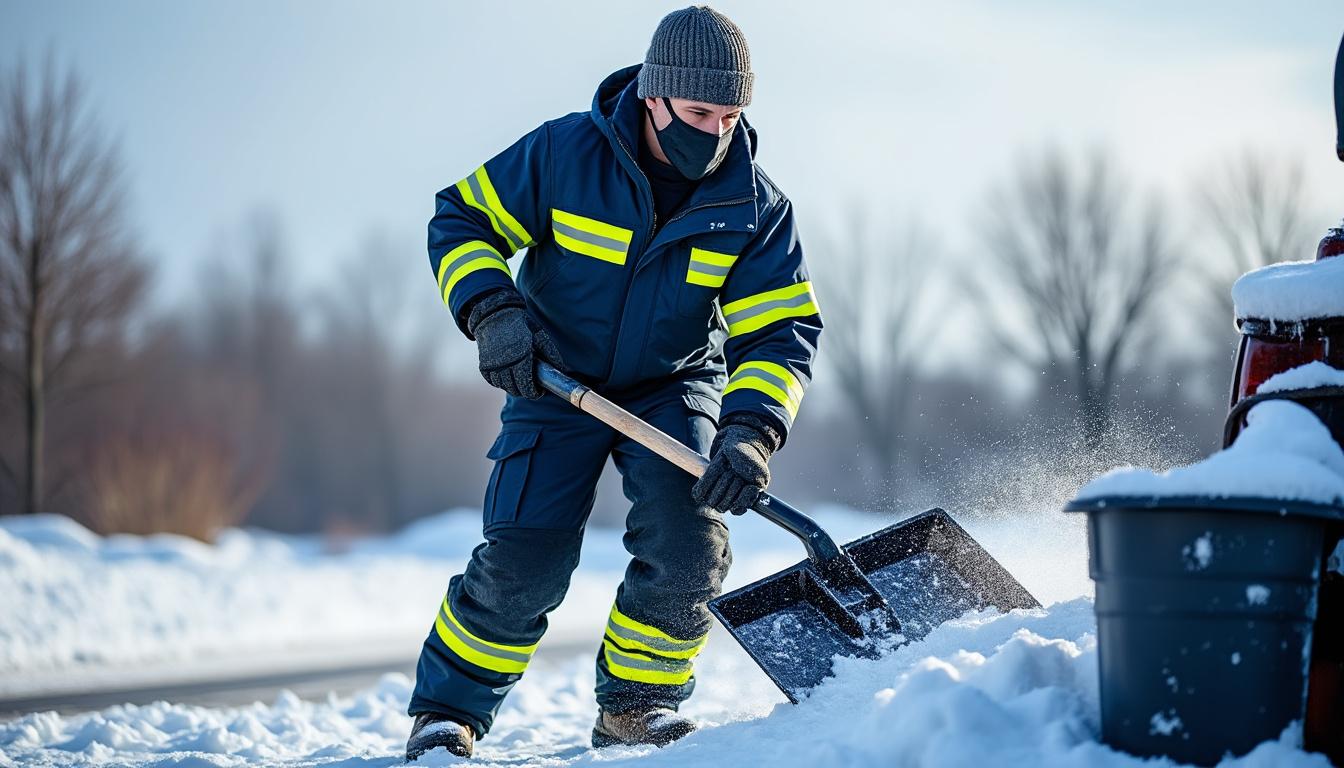
In the United States, harsh winters and frigid conditions can turn routine work and outdoor activities into formidable challenges. For seasons marked by plummeting temperatures, men’s insulated coveralls have become indispensable in ensuring warmth and protection. Integrating durable clothing with advanced thermal clothing technology, these coveralls not only trap heat efficiently but also offer robust coverage against wind, snow, and moisture. Whether for construction workers on-site, outdoor apparel enthusiasts, or agricultural laborers facing the biting cold, insulated coveralls are the backbone of reliable cold weather gear. This article delves into various facets of men’s insulated coveralls, including their design benefits, insulation materials, industry applications, and compliance with U.S. safety standards, providing actionable insights for anyone seeking optimal winter protection.
Quick overview of the key points:
- Men’s coveralls are engineered for durable workwear to retain heat and resist harsh conditions.
- Insulation materials like spray foam alternatives, fiberglass blends, and cellulose-like layers enhance warmth and flexibility.
- Proper installation and fitting improve comfort and thermal performance, critical in demanding environments.
- Coverall designs comply with U.S. codes to meet occupational safety and energy efficiency demands.
- Choosing the right insulated coverall depends on activity level, temperature ranges, and moisture exposure.
How Men’s Insulated Coveralls Provide Superior Winter Protection and Stay Warm Coveralls
In cold weather work environments, the primary function of men’s insulated coveralls is to maintain body heat while offering protection from external elements. These garments are purpose-built for insulation and comfort, allowing extended time outdoors without risking hypothermia or frostbite. Designers incorporate layered insulation combining synthetic fibers and natural materials, optimized for heat retention and breathability.
One crucial aspect is the balance between insulation thickness and mobility. While thicker insulation maximizes warmth, it can hinder movement and reduce productivity. Leading manufacturers therefore employ advanced heat retention technologies such as quilted linings with lightweight yet dense insulation materials, enabling wearers to stay agile. Additionally, water-resistant outer shells act as the first defense against wind chill and precipitation.
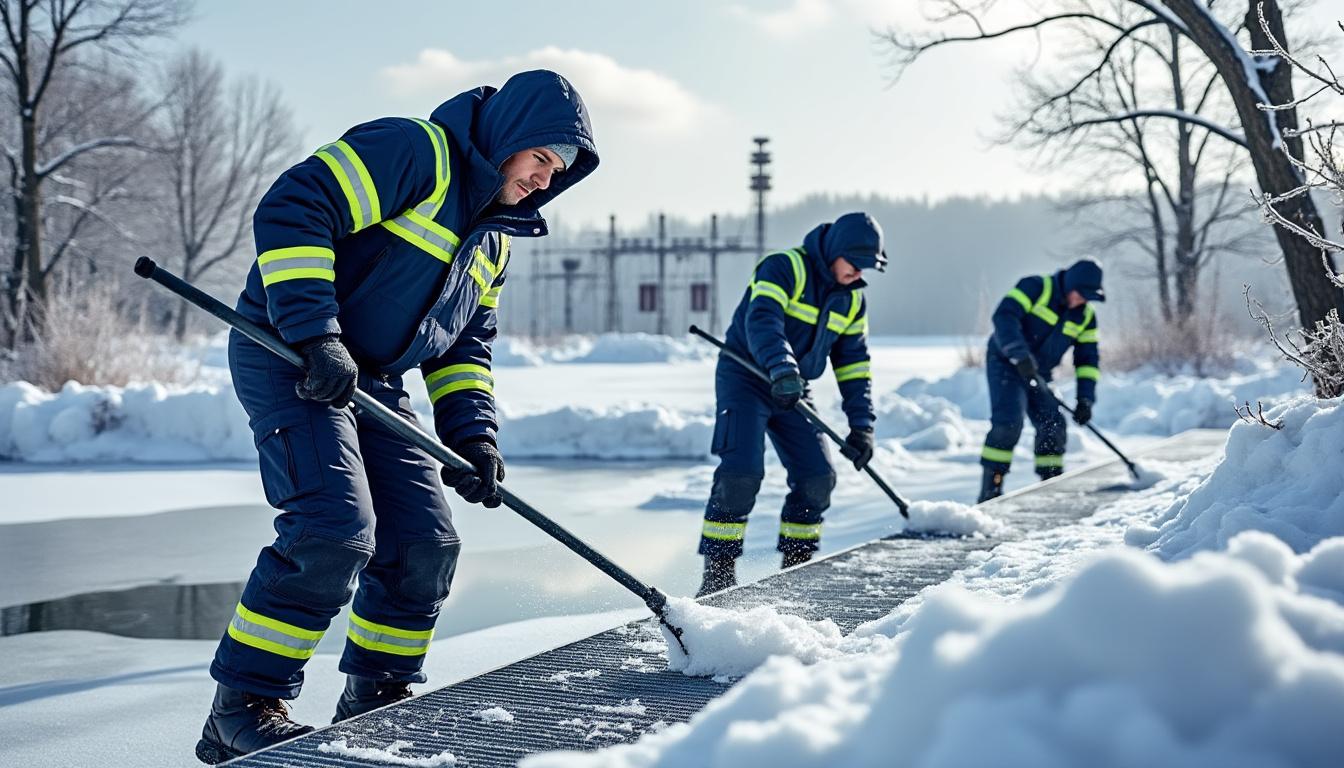
For instance, a construction worker on a winter build site in Minnesota needs coveralls that can withstand not just frigid air but also snowstorms and damp conditions. Here, the coveralls’ thermal qualities are complemented by durable fabric that repels moisture. Contrast this with a farmer in Wyoming who might prioritize flexibility and breathability during intermittent outdoor tasks in sub-zero temperatures.
Moreover, men’s coveralls often feature reinforced stitching, zippered vents, adjustable cuffs, and insulated hoods, strengthening the garment’s ability to adapt to shifting weather conditions. Insulated coveralls go beyond heat retention by mitigating wind exposure, which, as studies have shown, drastically reduces perceived temperature. Therefore, when selecting cold weather gear, these factors underline the importance of multi-functionality — warm coveralls must shield the body comprehensively while allowing practical wear.
Such coveralls are part of a broader trend in outdoor apparel focusing on layering systems as well. Workers often pair insulated coveralls with thermal undergarments and weather-resistant outer jackets, creating a customized protection scheme against winter’s extremes. Understanding this interplay can maximize efficiency and comfort throughout the cold season.
Exploring Insulation Materials and Durability in Men’s Insulated Coveralls
The effectiveness of insulated coveralls in cold weather strongly depends on the materials used. Manufacturers typically incorporate durable clothing fabrics such as heavyweight polyester or nylon blends, paired with high-performance insulation layers. Each type of insulation presents distinct advantages with respect to heat retention, weight, moisture resistance, and longevity.
Fiberglass insulation is a traditional, cost-effective option known for its excellent thermal properties, often used in commercial-grade insulated workwear. However, it can be bulky and less flexible. Alternatively, spray foam insulation techniques have inspired the integration of synthetic foams in coveralls that contour to the body shape, enhancing warmth without excessive weight.
More recent innovations include recycled cellulose insulation layers in eco-conscious outdoor apparel brands. This material mimics natural fibers, offering sound thermal regulation while improving breathability. As cellulose is less abrasive than fiberglass, it also provides enhanced comfort during prolonged use.
However, durability is equally crucial to insulation performance. Coveralls exposed to rough working conditions must resist abrasions, tears, and chemical exposures without compromising the insulating liner. Manufacturers reinforce strategic areas such as knees, elbows, and seat with double-layer panels, ensuring longevity and sustained heat protection.
Another factor to consider is moisture management. Insulated coveralls use hydrophobic finishes on outer fabrics or breathable membranes to maintain dryness — a vital characteristic for cold weather protection. Moisture accumulation within insulation drastically reduces thermal efficiency and causes discomfort, thus modern men’s coveralls focus heavily on fast drying and moisture wicking.
| Insulation Material | Pros | Cons | Typical Applications |
|---|---|---|---|
| Fiberglass | Excellent heat retention; Cost-effective; Widely available | Bulky; Less flexible; Can irritate skin | Construction, industrial outdoor work |
| Synthetic Foam | Lightweight; Flexible; Molds to body | Potential moisture retention if not breathable | High-mobility cold weather activities |
| Recycled Cellulose | Eco-friendly; Comfortable; Good breathability | Less abrasion-resistant; Limited commercial use | Outdoor apparel, light industrial use |
Understanding these materials helps workers and homeowners choose the right insulated coveralls by weighing warmth, durability, and comfort. Notably, these factors influence not only practical performance but compliance with occupational safety standards, which mandate effective cold weather protection.
Optimizing Fit and Installation Methods for Maximum Heat Retention in Men’s Coveralls
Proper fit and installation of insulated coveralls are equally essential in guaranteeing cold weather safety and comfort. Ill-fitting coveralls reduce thermal efficiency by allowing heat to escape and cold air to enter. Hence, manufacturers emphasize ergonomic design and adjustable features to tailor the fit for various body types.
Adjustable cuffs, waistbands, and leg hems keep coveralls snug, preventing drafts and aiding heat retention. The inclusion of storm flaps over zippers and sealed seams further minimizes cold air penetration. For workers wearing insulated coveralls in highly active roles, flexible stretch panels and articulated knees improve mobility without sacrificing insulation integrity.
Insulated coveralls often come with built-in liners or removable pads for seasons of varying temperatures, enhancing versatility. Layering underneath with thermal clothing completes the warm system and can be adjusted according to workload and weather severity.
In addition to fit, installation methods on job sites reflect on how men’s coveralls are integrated into overall cold weather workwear. Employers train workers on maintaining their cold gear, emphasizing proper laundering, repair of damaged seams, and storing coveralls in dry places to preserve insulation performance.
Real-world examples underscore this approach: a commercial insulation contractor in Ohio reports significant reduction in cold stress incidents after switching to insulated coveralls with customizable adjustments and enhanced seam sealing. Similarly, outdoor maintenance crews in upstate New York benefit from tailored coveralls that combine thermal comfort with durability.
Regulatory Standards and Cost Considerations for Men’s Warm Coveralls and Cold Weather Gear
Given the harsh conditions men’s insulated coveralls are exposed to, adherence to U.S. safety codes and standards is paramount. OSHA guidelines for cold weather protection emphasize adequate insulation, wind resistance, and moisture barriers to prevent cold-related illnesses. Likewise, ANSI standards specify requirements for visibility and durability particularly in outdoor workwear.
Compliance influences design choices, such as incorporating reflective tapes and flame-resistant fabrics for specific job environments. Workwear manufacturers balance these safety demands with cost efficiency, considering that insulated coveralls represent an investment. Depending on features and insulation type, prices range broadly from economical basic models to premium versions designed for extreme sub-zero temperatures.
Cost considerations include initial purchase price, expected lifespan, and maintenance expenses. Users often calculate the cost-benefit ratio by factoring in reduced sick days, increased productivity, and enhanced worker safety. Selecting quality insulated coveralls can thus translate into long-term savings.
For example, a commercial frozen food warehouse in Illinois specifies medium-cost insulated coveralls with flame-resistant properties and moisture-wicking liners for their workers. This choice balances budget constraints and stringent cold protection requirements effectively.
Cost-saving tips for buyers include:
- Evaluate insulation type suitable for average temperatures faced.
- Check for multi-functionality like removable liners or convertible hoods.
- Prioritize durability over initial low cost to ensure longer service.
- Consider brands with proven OSHA and ANSI compliance records.
- Leverage bulk-purchase discounts for contractor teams.
Buying men’s insulated coveralls involves a thoughtful evaluation to blend cold weather gear performance with budget and regulatory compliance. Additional insights into choosing the right coveralls for winter work are available from trusted sources such as this detailed analysis of insulated coveralls essential for cold weather safety.
Why Men’s Coveralls Are Essential Outdoor Apparel for Year-Round Cold Weather Jobs
In diverse industries ranging from construction to agriculture and warehousing, the role of men’s insulated coveralls transcends seasonal fashion to become essential outdoor apparel. Their function as specialized workwear ensures men can continue productive, safe work regardless of icy conditions or snow-covered terrains.
A unique aspect of men’s insulated coveralls is their versatility. Unlike separate jackets and pants, coveralls provide full-body coverage minimizing areas exposed to cold. This integration reduces heat loss remarkably, a feature much appreciated by users such as utility repair crews or outdoor logistics operators.
Furthermore, advancements in heat retention technologies mean that modern warm coveralls not only trap body heat but also ventilate moisture effectively, maintaining a comfortable microclimate inside. This balance is critical to prevent overheating during strenuous tasks while guarding against chilling winds during rest or reduced activity.
Field reports highlight the importance of gender-specific designs as well. While this article focuses on men’s coveralls, female workers benefit from tailored insulated coveralls too. Recognizing these differences helps companies equip their workforce appropriately, as discussed in this exploration of women’s insulated coveralls importance.
In conclusion, the evolving landscape of outdoor apparel continues to emphasize insulated coveralls as a cornerstone product for winter protection across job sectors. Choosing the right men’s coveralls means investing in health, safety, and performance — a trifecta crucial for cold weather success.