
When embarking on a new construction project, insulation often takes a backseat to more visible elements like architectural design or finishing materials. However, proper new construction insulation serves as the backbone for energy efficiency, occupant comfort, and building durability. Installing the right insulation during the building phase not only reduces heating and cooling expenses but also enhances soundproofing, controls moisture, and increases the property’s market value over time. As American construction trends evolve in 2026, prioritizing efficient thermal insulation is more critical than ever, spurred by stricter building codes aimed at sustainable and environmentally friendly homebuilding.
Key points to consider when planning insulation for new construction include selecting suitable materials like fiberglass, spray foam, or rigid foam boards tailored to your specific climate and structural requirements. The installation approach will also influence the ultimate performance and cost savings. Understanding the benefits of each available option empowers homeowners, builders, and investors to make informed choices that align with long-term energy goals.
- New construction insulation maximizes energy efficiency when installed during building’s early stages.
- Different types of building materials offer trade-offs between cost, thermal R-value, and ease of installation.
- Soundproofing capabilities vary significantly between insulation options, impacting indoor comfort.
- Proper air sealing and vapor barriers are essential for optimal performance and moisture control.
- Professional installation ensures the insulation system meets or exceeds local building codes.
Types of Insulation Materials Used in New Construction for Optimal Energy Efficiency
Choosing the right insulation material for new construction requires balancing several factors that affect your building’s energy performance and overall comfort. Among the most common options, fiberglass batts, spray foam, rigid foam boards, mineral wool, and blown-in cellulose stand out for their distinct properties and usage scenarios.
Fiberglass batt insulation remains one of the most popular choices in U.S. residential projects. It is widely appreciated for its affordability and ease of installation, especially for walls and attics where uniform cavities exist. Its thermal resistance, measured in R-values, typically ranges around R-13 to R-21 for standard thicknesses, providing effective thermal insulation at a budget-friendly price. However, proper installation is critical to avoid gaps or compression that can undermine effectiveness. Homeowners who opt for fiberglass often pair it with air sealing techniques to minimize drafts.
Spray foam insulation offers superior air sealing by expanding to fill irregular cavities, thus preventing air leaks that compromise energy efficiency. The closed-cell variant of spray foam also acts as a moisture barrier, making it highly suitable for foundations and basements prone to dampness. While the upfront cost is higher compared to fiberglass, spray foam delivers higher R-values per inch (around R-6 to R-7) and can significantly improve comfort and reduce HVAC loads. Builders may also use open-cell types for interior partitions to enhance soundproofing without excessive costs.
Rigid foam boards provide continuous insulation applicable for exterior walls, crawl spaces, and foundation walls. Their moisture resistance and structural qualities make them a versatile choice in new construction. Though generally more expensive than batts, rigid boards help to reduce thermal bridges, maintaining the building’s overall energy performance. Products vary by material type: polyisocyanurate boards offer high R-values with foil facings to reflect radiant heat, while extruded polystyrene (XPS) is favored for its water resistance.
Mineral wool, or rock wool, is increasingly used in multifamily and commercial settings due to its fire resistance and soundproofing abilities. It also repels water to some extent, resisting mold growth. Blown-in cellulose insulation, made primarily from recycled paper, appeals to environmentally conscious builders and homeowners. It’s effective in attics and can be dense-packed into walls for added air sealing, albeit with the caveat that it may settle over time and require periodic topping up.
For detailed guidance and comparisons of insulation types, the Department of Energy provides extensive resources to help builders and homeowners understand which materials suit various parts of a new construction project: Types of Insulation – Department of Energy.
How to Select the Best Insulation for Your New Build: Factors and Practical Considerations
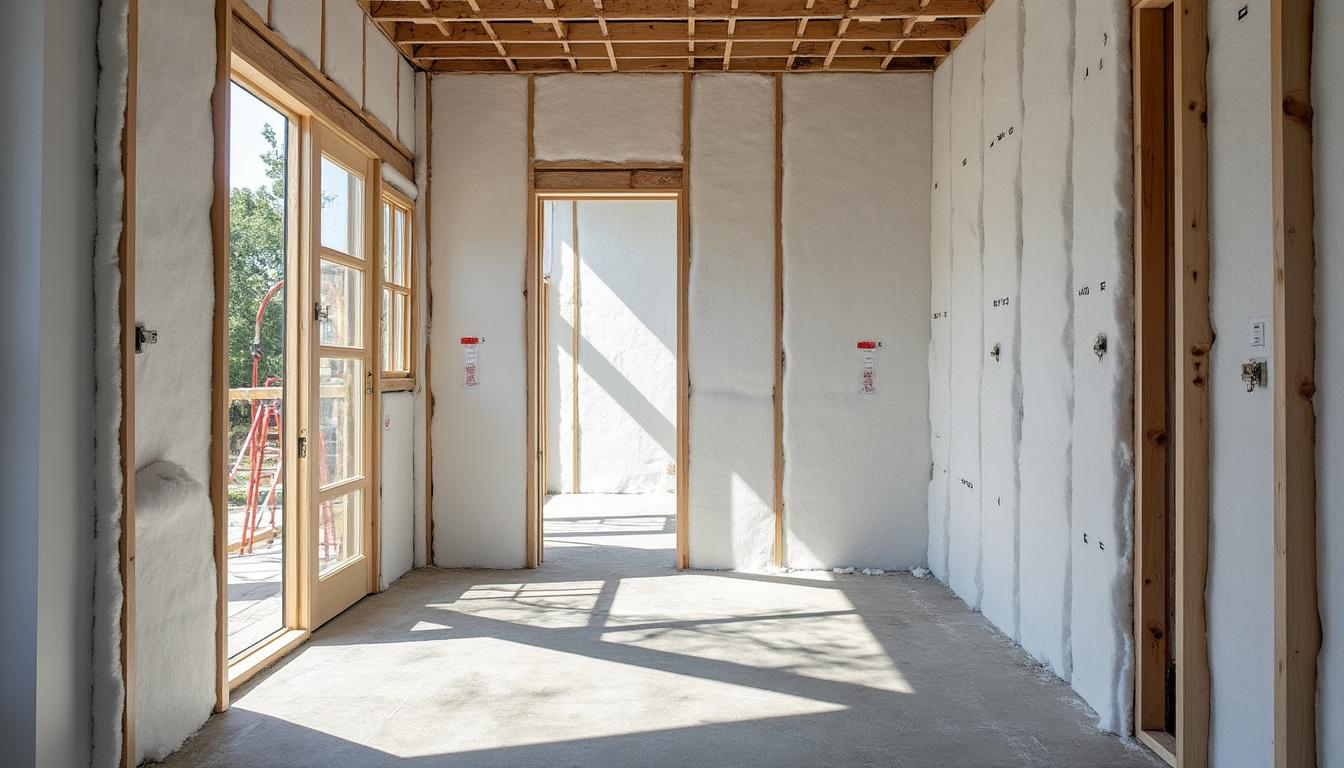
Choosing the ideal insulation for a new home or commercial building hinges on multiple factors, including climate, budget, building codes, moisture risks, and desired comfort levels. In colder northern climates, for example, higher R-values are mandated to preserve heat during frigid winters, often requiring thicker insulation layers in walls and attics. Southeast regions battling humidity may prioritize closed-cell spray foam or rigid foam boards in basements and crawl spaces to prevent moisture intrusion and mold.
Budget is a crucial consideration, as options like fiberglass batts offer cost savings upfront but may provide lower long-term energy efficiency compared to spray foam solutions. Local building codes must be thoroughly consulted, as many municipalities now require insulation levels and air sealing measures beyond minimal thresholds to meet new energy efficiency standards.
Noise control is another element in the decision matrix. Mineral wool excels at soundproofing interior walls, making it suitable for multifamily housing or buildings near busy urban areas. In contrast, spray foam primarily focuses on thermal resistance and air sealing but provides moderate sound reduction.
Practical installation concerns also impact choice. While DIY-friendly fiberglass batts appeal to homeowner builders, spray foam usually requires accredited professionals due to equipment and safety considerations. Ensuring a certified installer applies the insulation correctly is critical: improper installation is among the leading causes of underperformance in insulation systems. Testing techniques such as blower door tests after installation can confirm airtightness and validate the investment.
For homeowners looking for step-by-step strategies on selecting insulation tailored to their new build, resources like New Home Guide’s insulation article offer insightful advice grounded in current building practices.
Benefits of Combining Different Insulation Types for Enhanced Thermal and Acoustic Performance
In many new construction projects, combining various insulation types strategically across the building envelope achieves superior energy efficiency and soundproofing results. For instance, a builder might use spray foam in rim joists and foundation walls for excellent air sealing and water resistance, supplemented by fiberglass batts in the upper walls and attics where affordability and coverage are priorities.
This layered approach optimizes the unique benefits of each material while controlling costs. Using mineral wool within interior walls can create quiet, peaceful living spaces by dampening noise transmission between rooms. Meanwhile, rigid foam boards applied to exterior sheathing improve the overall thermal barrier, reducing heat loss from thermal bridging around studs and framing members.
Such integrative insulation designs also address moisture control comprehensively. The spray foam’s ability to seal air gaps is complemented by vapor barriers and moisture-resistant rigid board insulation. These techniques prevent condensation build-up, which can lead to mold and structural damage over time, critical concerns especially in mixed-humid climate zones.
The following table summarizes typical applications, advantages, and limitations of popular insulation types in new construction:
| Insulation Type | Ideal Application | Main Benefits | Typical Drawbacks |
|---|---|---|---|
| Fiberglass Batts | Walls, Attics | Low cost, DIY-friendly | Air leaks if poorly installed |
| Spray Foam | Rim Joists, Irregular Spaces, Basements | High R-value, air/moisture barrier | Higher cost, professional installation required |
| Rigid Foam Boards | Exterior Walls, Foundations | Continuous insulation, moisture resistant | More expensive, cutting required for fit |
| Mineral Wool | Interior Walls, Multifamily Buildings | Fire-resistant, excellent soundproofing | Heavier than fiberglass, higher cost |
| Blown-in Cellulose | Attics, Dense-packed Walls | Eco-friendly, good thermal coverage | Can settle, reducing effectiveness |
Understanding how these materials complement each other can help builders customize insulation systems that meet 2026 energy standards efficiently while also delivering occupant comfort and durability. Additional strategies like installing vapor barriers and sealing ductwork further enhance performance, underscoring the importance of integrated insulation planning.
Cost Considerations and Long-Term Savings with New Construction Insulation
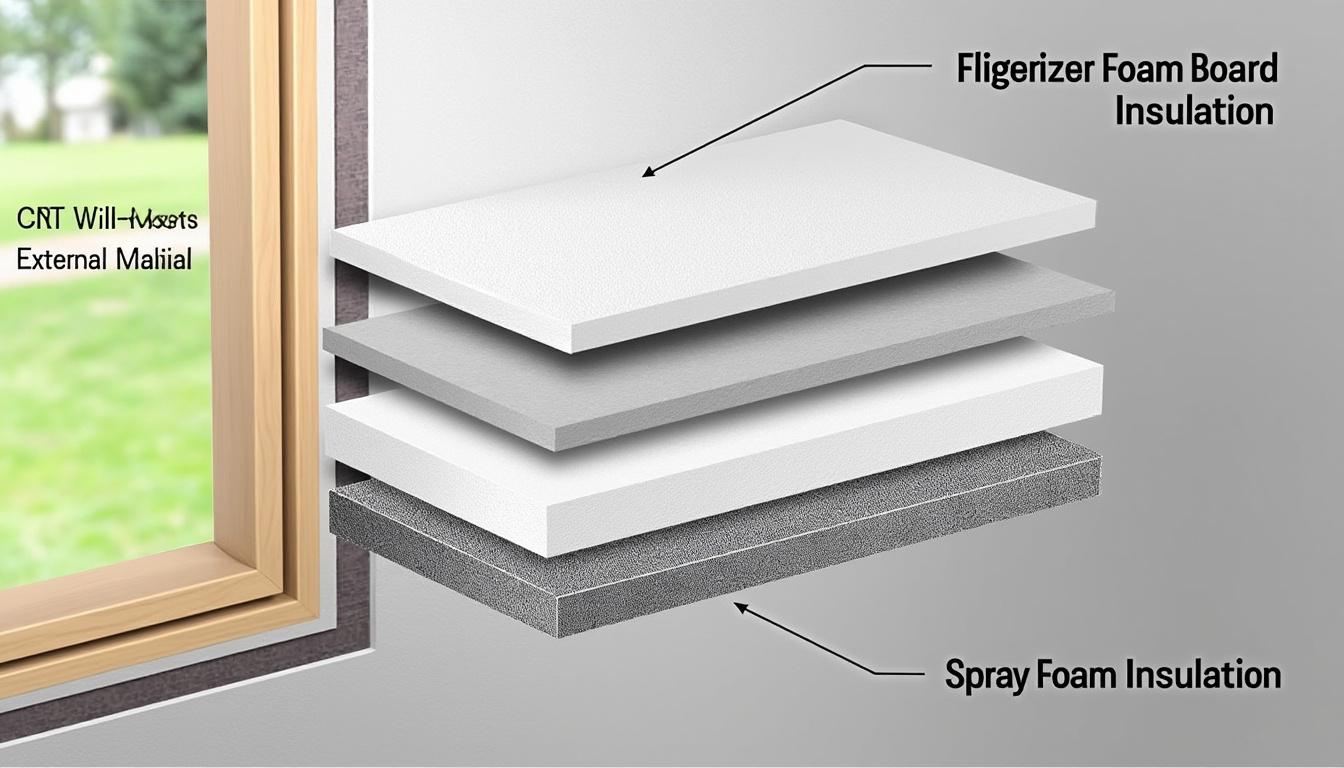
A key question for anyone undertaking new construction is how to balance initial costs with the potential for sustained energy savings. While the upfront price tag for materials such as spray foam insulation is considerably higher than traditional fiberglass batts, its superior thermal insulation and air sealing can reduce heating and cooling expenses by up to 20-30% over time. This translates into meaningful cost savings and reduced carbon footprints.
Investing wisely in insulation quality also pays dividends through improved home value and marketability. Buyers increasingly expect homes that meet or exceed energy efficiency standards, which makes well-insulated buildings more attractive in today’s competitive real estate market. On the other hand, cutting corners on insulation can lead to persistent drafts, higher utility bills, and moisture-related problems that require costly remediation.
Owners should consider not only the material and labor costs but also the longevity and performance warranties offered by insulation manufacturers. Some modern spray foam systems integrate additives that enhance durability and resistance to mold, making them a smart option in humid climates.
For those seeking a deep dive into current pricing trends and factors affecting spray foam costs in particular, this resource provides valuable insights and up-to-date market analysis: Spray Foam Insulation Costs in 2026.
Best Practices for Installing Insulation in New Construction to Ensure Maximum Efficiency
Great insulation materials alone cannot guarantee energy efficiency; correct installation is paramount. Experts recommend sealing air leaks before applying insulation to prevent drafts and heat loss—insulation only slows heat transfer, but air sealing addresses uncontrolled airflow through gaps. This two-step process is especially important in attics and duct systems, the primary areas where energy loss commonly occurs.
Using the right vapor barriers also plays a pivotal role in managing moisture within wall assemblies. The choice of vapor retarder depends heavily on the local climate and indoor moisture sources. In mixed or humid climates, vapor barriers must be carefully selected and installed to avoid trapping moisture and causing structural issues down the line.
Quality control measures such as blower door testing after insulation installation are now standard practice in many states. These tests quantitatively assess building envelope tightness, helping builders and homeowners verify that insulation and air sealing meet the targeted performance goals set during design.
To optimize results, hiring certified installers with experience in new construction insulation is advised. They bring technical know-how to handle materials safely and efficiently, adhering to manufacturer guidelines and local codes. DIY installation may be suitable for some fiberglass applications but often falls short with advanced materials like spray foam or intricate vapor barrier systems.
Further practical advice on insulation installation, including expert tips and common pitfalls to avoid, can be explored at this comprehensive knowledge base: How To Insulate A New Construction Home.