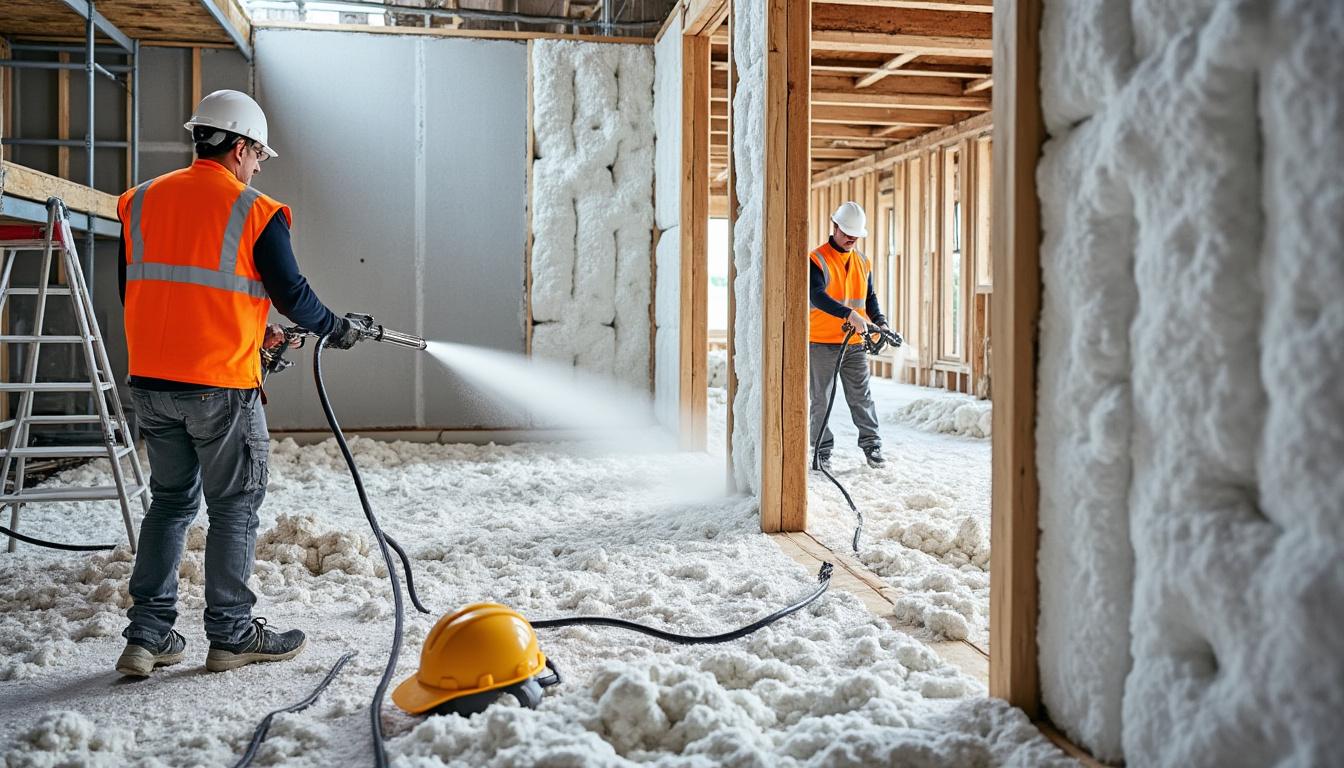
In an era where energy costs soar and environmental responsibility becomes paramount, choosing the right building insulation has never been more critical. Perlite insulation emerges as an innovative, eco-friendly solution that not only enhances thermal insulation capabilities but also supports sustainable construction practices. This naturally derived volcanic mineral transforms into a lightweight and highly efficient insulator, offering superior energy savings for residential and commercial buildings alike. As industries and homeowners seek alternatives to conventional insulation materials prone to deterioration and environmental concerns, perlite insulation stands out by delivering long-lasting thermal performance, exceptional fire resistance, and durability without compromising ecological impact.
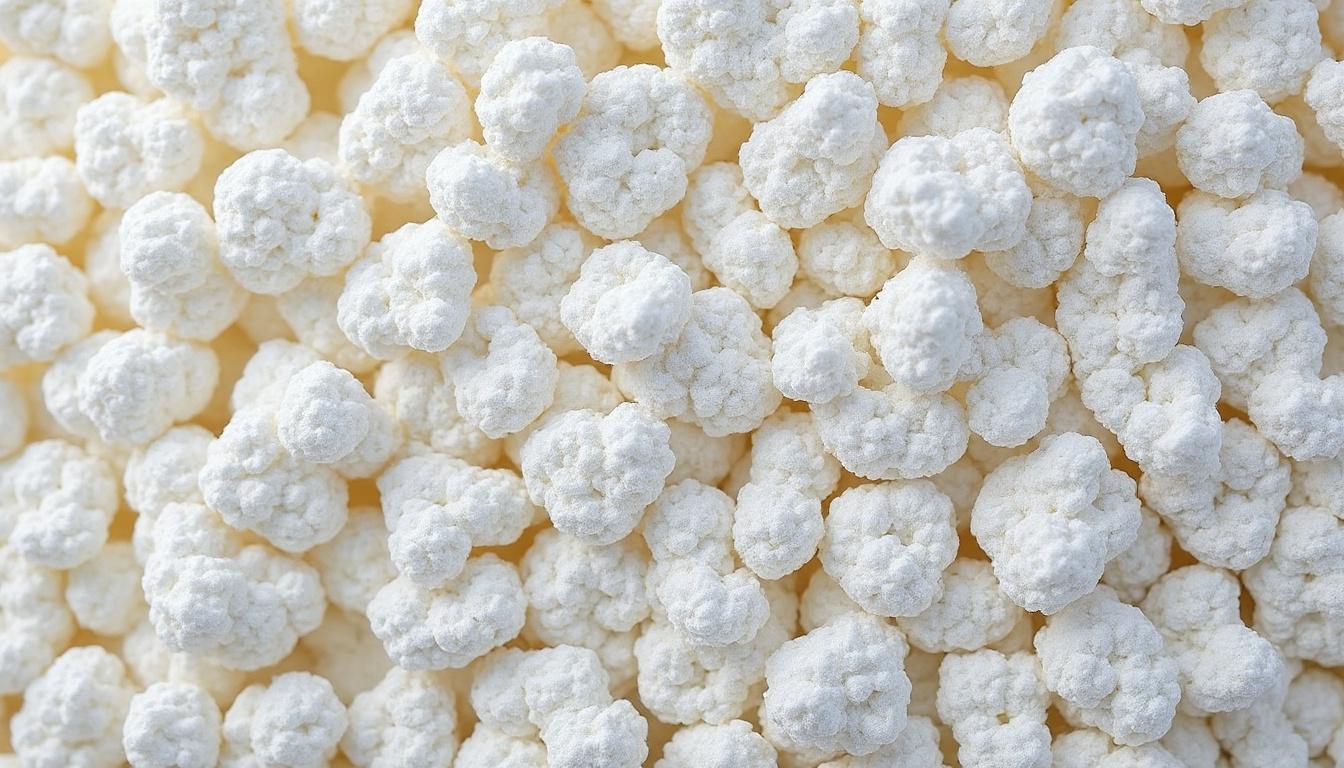
Energy efficiency is key to modern building strategy, and incorporating insulation materials that reduce heat transfer and regulate temperature effectively is essential. Perlite’s unique cellular structure traps air within microscopic glass bubbles, minimizing heat loss in colder months and preventing overheating during warmer periods. This feature not only lowers reliance on heating and cooling systems but also cuts utility bills substantially. Additionally, its non-combustible nature adds a layer of safety to buildings, crucial for meeting stringent U.S. fire codes and commercial standards. As a sustainable option, perlite’s minimal embodied energy and carbon footprint further align it with green building certifications and eco-conscious development goals, making it a preferred choice for projects focused on long-term environmental benefits.
Builders and property investors aiming to optimise energy efficiency while contributing to environmental stewardship find in perlite insulation a dependable material offering multifaceted advantages. From reducing embodied carbon levels to maintaining stable insulation values over time, perlite plays a critical role in high-performance building envelopes. Moreover, it supports acoustic insulation, contributes to indoor comfort, and performs reliably under a variety of climate conditions, reinforcing its reputation among U.S. construction professionals. This article delves deeply into the compelling benefits of perlite insulation, its applications across various building systems, and how it shapes the future of eco-friendly insulation solutions.
- Exceptional thermal insulation properties from its lightweight, air-trapping structure reduce energy consumption dramatically.
- Durability and fire resistance ensure an enduring, safe insulation solution compliant with U.S. building codes.
- Low environmental impact with minimal embodied energy and carbon supports sustainable construction efforts.
- Versatility and ease of installation make perlite insulation adaptable to residential, commercial, and industrial applications.
- Cost-effectiveness over time through reduced maintenance and sustained energy savings.
Advanced Thermal Insulation Performance of Perlite and Its Impact on Energy Efficiency
Perlite insulation’s thermal efficiency derives from its unique physical transformation during expansion, which creates tiny, densely packed glass bubbles that trap air and dramatically reduce thermal conductivity. With a typical thermal conductivity value near 0.044 W/mK, perlite achieves an R-value approximately between 3.0 to 3.5 per inch at average temperatures, rivaling and often surpassing more commonly used insulation materials like fiberglass and rigid foam boards. This high R-value significantly lowers thermal transmittance (U-value) in wall assemblies, attic spaces, and crawl spaces, effectively stabilizing indoor temperatures regardless of seasonal variations.
Unlike organic or foam-based insulators such as polyurethane or polystyrene, which degrade and lose insulating capacity over time due to gas diffusion and morphological changes, perlite retains its structural integrity and full thermal resistance throughout the lifetime of the building. Studies reveal that expanded polystyrene insulation can suffer up to a 43% drop in thermal resistance after approximately 14 years, while polyurethane foam shows about a 27.5% reduction in similar time frames. Perlite’s inorganic, mineral-based composition ensures consistent thermal performance without degradation from exposure or aging, minimizing the risk of insulation failure and unexpected increases in energy costs.
This stability provides owners and contractors with confidence in long-term energy savings and predictable performance, crucial in both residential and commercial sectors seeking compliance with increasingly rigorous building energy codes and standards. Additionally, its inherent resistance to moisture absorption prevents mold growth and insulation breakdown, further securing efficiency and occupant health.
Perlite’s versatility extends to various systems, including loose-fill wall insulation, lightweight insulating concrete, and acoustic products, all benefiting from its superior thermal conduction properties. This adaptability makes it an efficient choice for addressing diverse insulation challenges across the spectrum of U.S. building projects.
Fire Resistance and Safety Advantages of Perlite in Building Materials
Building safety regulations prioritize fire resistance, especially in dense urban environments and commercial complexes. Perlite insulation naturally fulfills these requirements thanks to its inorganic volcanic glass origin and its classification as a non-combustible material (Class A1/DIN 4102). Unlike organic foams and synthetic boards, which introduce flammability risks and emit toxic gases when ignited, perlite offers inherent fireproof qualities that significantly improve building safety and reduce hazard potential.
Given the increasingly strict U.S. fire codes and standards for residential and commercial construction, integrating fire-resistant insulation is non-negotiable. Perlite’s performance safeguards structures by providing resistance to high temperatures while maintaining its mechanical integrity during fire exposure. This feature supports enhanced fire-rated wall assemblies, ceiling tiles, door cores, and roofing systems, helping architects and contractors meet code mandates and insurance requirements easily.
Moreover, perlite’s moisture resistance complements its fire-safe nature by mitigating issues related to rot, fungal growth, and mold — factors that often exacerbate material degradation and fire hazard risks. Unlike conventional materials that struggle with water absorption, perlite’s hydrophobic treatments further enhance durability without compromising breathability or thermal performance.
By selecting perlite insulation, builders secure the dual benefits of enhanced safety and prolonged service life, which can translate into lower maintenance costs and peace of mind for occupants and investors. This reliability also proves advantageous for industrial and high-heat applications such as furnaces, cryogenic storage, and temperature-regulated processing environments where fire resistance is critical alongside thermal insulation.
Sustainable Construction Metrics: Embodied Energy, Carbon Footprint, and Environmental Impact of Perlite
One of the most pressing concerns in modern building practices is minimizing the environmental footprint of construction materials. Perlite insulation stands out as a leader in low embodied energy (EE) and embodied carbon (EC), making it a sustainable choice aligned with the demands of green building protocols, such as LEED and WELL certification programs.
Measured cradle-to-gate (from raw material extraction to distribution), perlite exhibits some of the lowest environmental impacts compared to competing insulation materials. For instance, the embodied energy of expanded perlite is about 0.66 MJ/kg, and it exhibits an embodied carbon footprint as low as 0.03 kg CO2 equivalent per kilogram. This contrasts sharply with many petrochemical-based insulations that typically involve higher operational energy and greenhouse gas emissions during manufacture.
Furthermore, the Global Warming Potential (GWP) of expanded perlite insulation remains impressively minimal. On a mass basis, it produces roughly one-fifth the CO2 equivalent emissions compared to materials like polystyrene foam. This advantage extends to other environmental metrics, including:
| Environmental Impact Metric | Expanded Perlite | Fiberglass | Polystyrene (EPS) | Mineral Wool |
|---|---|---|---|---|
| Ozone Depletion Potential (ODP) | Minimal | Low | Moderate | Low |
| Photochemical Ozone Depletion (PODP) | Minimal | Lower than EPS | Moderate | Low |
| Eutrophication Potential (EP) | Minimal | Low | Higher | Moderate |
| Acidification Potential (AP) | Minimal | Low | Moderate | Moderate |
This profile showcases perlite’s superiority in limiting environmental damage over the lifecycle of building insulation components and argues for its prioritization in sustainable construction projects. Notably, perlite mining operations incorporate reclamation practices where disturbed land is restored with native species post-extraction, further closing the loop on environmental stewardship.
For those interested in exploring deeper technical details and certifications, more information on perlite’s sustainability credentials is available through reliable industry sources, including the Perlite Institute’s official sustainability platform.
Practical Applications and Versatile Uses of Perlite Insulation in U.S. Building Systems
Perlite insulation’s adaptability proves invaluable across a wide array of construction and industrial applications. Its lightweight nature enables easy incorporation into walls, roofs, slabs, and floors, while still providing superior thermal and acoustic insulation. Builders leverage these properties to meet the evolving demands of U.S. building codes while optimizing material use and installation efficiency.
Loose-fill Perlite Insulation: Ideal for filling wall cavities and attics, loose-fill perlite offers excellent air void retention for thermal resistance. Unlike synthetic foams, it resists moisture intrusion, pests, and settling, resulting in long-term energy savings and stable U-values throughout the building lifecycle.
Lightweight Perlite Concrete: Combining expanded perlite with cement produces insulating concrete with a reduced dead load on building structures. This cutting-edge material decreases foundation requirements and overall embodied carbon by displacing heavier aggregates, translating into more sustainable construction and cost savings.
Fire-resistant Plaster and Acoustic Products: Manufacturers integrate perlite aggregate in fire-resistant plasters and ceiling tiles, improving both fire safety and sound insulation—key factors for modern multi-family dwellings and commercial spaces aiming for occupant comfort and code compliance.
Horticultural and Landscape Enhancement: Some U.S. developments benefit from perlite’s use in lightweight engineered soils and green roof systems. Its water-retentive yet lightweight properties reduce irrigation demand by up to 50% and minimize structural load on rooftops, supporting greener and more efficient urban environments.
Perlite’s accessibility in regional U.S. markets and compatibility with local building practices make it a pragmatic choice. Industry professionals interested in specifying perlite insulation products can consult comprehensive offerings at NPerlite’s insulation resource to source quality materials suitable for diverse project scopes.