
In the landscape of modern construction and sustainable living, retrofit insulation emerges as a transformative solution for boosting energy efficiency. As older buildings nationwide continue to present challenges in energy conservation, upgrading thermal insulation systems has garnered increasing attention, particularly in residential and commercial sectors. Retrofit insulation not only addresses the inefficiencies of legacy construction methods but also aligns closely with green building trends that emphasize reducing carbon footprints and lowering operational costs.
The process involves retrofitting existing buildings with advanced insulation materials and techniques, improving heat retention and reducing energy wastage. This approach is a cornerstone in sustainable construction, helping homes and commercial buildings meet stringent climate goals and achieve significant energy savings. A study highlighted by ICF International underscores the lifetime economic and environmental benefits retrofit insulation can deliver, including a substantial reduction in carbon emissions.
Understanding the scope and effectiveness of retrofit insulation is essential for homeowners and contractors alike. Recognizing where and how to improve insulation within the building envelope—from attics and walls to crawl spaces—can unlock potential cost reductions and elevate indoor comfort. This article explores the multifaceted advantages of retrofit insulation, the types of materials best suited for different climates and building types, and practical guidance on navigating energy-efficient building retrofits.
- Retrofit insulation drastically improves building energy efficiency by reducing heat transfer.
- Energy conservation efforts through thermal insulation lead to significant utility cost savings.
- Choosing the right insulation type and installation technique is crucial for optimal performance.
- Building retrofit projects offer a pathway to sustainable construction aligned with evolving U.S. energy standards.
- Contractors and homeowners benefit from understanding local incentives and technologies to maximize retrofit investments.
How Retrofit Insulation Enhances Building Energy Efficiency
Retrofitting insulation fundamentally transforms a building’s energy dynamics by addressing thermal bridging and air leakage, which are common in older construction. Buildings constructed decades ago often lack efficient insulation materials and techniques, resulting in excessive heating and cooling demands. By upgrading insulation in critical areas like attics, walls, and crawl spaces, retrofit projects improve heat retention during cold months and reduce heat gain in warmer seasons.
For example, adding spray foam insulation to attic spaces can create an air-tight thermal envelope, effectively reducing the workload on HVAC systems. Studies consistently show that 30% to 50% of a home’s heating and cooling energy can be lost due to inadequate insulation and air leaks. By sealing these weaknesses, retrofit insulation supports marked energy savings and reduces greenhouse gas emissions.
Different retrofit insulation materials offer varying benefits, and selecting the appropriate one depends on the building structure, climate zone, and budget. Fiberglass remains popular due to its affordability and ease of installation, while cellulose insulation boasts sustainability credentials because it largely consists of recycled content. Spray foam insulation, although costlier, provides superior air-sealing and thermal resistance, making it ideal for challenging spaces or high-performance retrofits.
Beyond immediate energy savings, retrofit insulation contributes to longer-term sustainability objectives such as improved indoor air quality and enhanced occupant comfort. Properly insulated buildings maintain stable interior temperatures, reduce moisture accumulation, and create healthier living environments. These factors are especially relevant in densely populated urban areas where improving older building stock is vital to meeting aggressive energy conservation goals.
Typical retrofit insulation upgrades involve:
- Adding blown-in cellulose or fiberglass in wall cavities without removing drywall.
- Applying spray foam in crawl spaces to eliminate moisture and air infiltration.
- Installing rigid foam boards on attic floors or under roofing to boost thermal resistance.
By adopting retrofit insulation, building owners can significantly curb energy consumption and operating expenses while advancing green building principles, an approach detailed in industry sources such as how energy-efficient retrofits are revolutionizing construction.
Choosing the Right Insulation Materials for Retrofit Projects
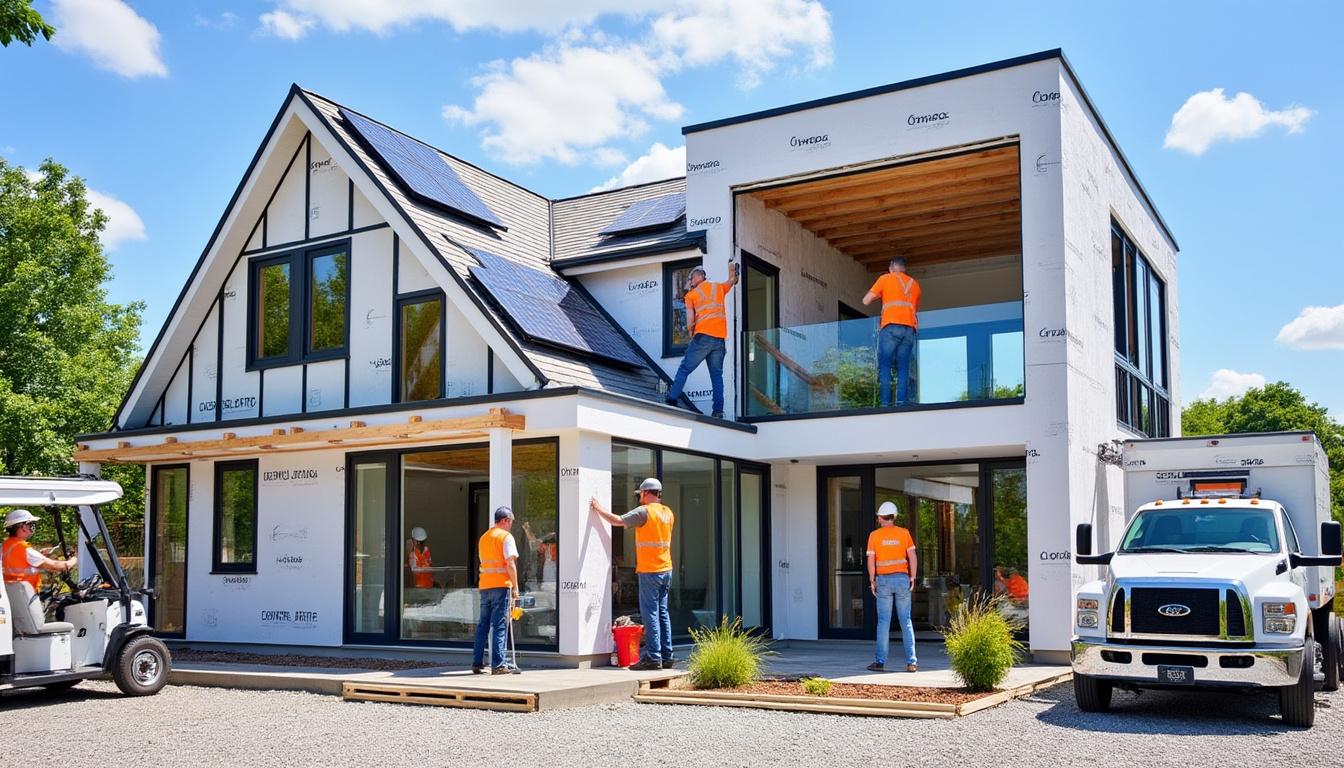
Selecting the most suitable insulation type is critical in retrofit scenarios because it influences both performance and cost-effectiveness. The main insulation materials used in retrofit insulation include fiberglass, cellulose, spray foam, and rigid foam boards. Each has unique advantages and considerations related to installation complexity, thermal performance (R-value), environmental impact, and durability.
Fiberglass insulation is widely recognized for its affordability and ease of installation. It consists of fine glass fibers and performs well in many climates, especially when installed with proper air-sealing measures. However, older fiberglass batts may lose effectiveness if compressed or installed incorrectly, underscoring the importance of professional assessment during retrofits.
Cellulose insulation, made from recycled paper products treated for fire resistance, offers excellent coverage and air sealing when blown into wall cavities or attics. Its high recycled content appeals strongly to green building advocates seeking sustainable construction materials. Cellulose also adapts well to irregular spaces, an advantage when retrofitting older homes.
Spray foam insulation continues to gain popularity due to its dual role as an insulator and airtight sealant. Closed-cell foam typically provides higher R-values and moisture resistance, making it ideal for crawl spaces and basements prone to dampness. Open-cell foam, while less dense and cheaper, is better suited for interior walls where some vapor permeability is desirable.
Rigid foam boards, including polyisocyanurate and expanded polystyrene, are often installed on attic floors, exterior walls, or beneath roofing membranes as part of retrofit projects. They offer outstanding thermal insulation and moisture resistance but often require careful sealing at joints to prevent air leakage.
Choosing the right material depends on factors such as:
- Climate zone and typical temperature ranges
- Building structural characteristics and age
- Indoor air quality considerations
- Budget constraints and expected energy savings
- Local building codes and retrofit incentives
Professional contractors typically conduct energy audits or use infrared thermography to identify specific areas of heat loss and recommend optimal insulation solutions. This approach reduces the risk of costly mistakes and ensures that retrofit insulation aligns with broader energy conservation goals, as detailed in resources like understanding retrofit insulation.
Maximizing Energy Savings and Cost Reduction with Retrofit Insulation
The dual benefits of retrofit insulation are its capacity to deliver tangible energy savings and substantial cost reductions over time. Proper insulation reduces the need for extensive heating and cooling, thereby shrinking monthly utility bills and lowering overall energy demand.
For example, households that retrofit attic insulation can often achieve a reduction of 15% to 30% in heating and cooling expenses, depending on the building’s prior condition and climate. Commercial buildings retrofitted with state-of-the-art insulation systems report even greater benefits, especially when integrated with comprehensive building retrofits such as upgraded windows and efficient HVAC systems.
The long-term financial advantages include:
- Lower monthly energy bills driven by better heat retention and insulation performance.
- Increased property value as energy efficiency becomes a key selling point.
- Reduced maintenance costs due to minimized strain on heating and cooling equipment.
- Eligibility for rebates and tax incentives offered by federal and state programs encouraging energy conservation.
A useful comparison of the typical payback periods for popular retrofit insulation materials is shown below, demonstrating how investment timelines vary based on material cost and efficiency:
| Insulation Material | Average Installation Cost per sq. ft. | Estimated Energy Savings (%) | Payback Period (years) |
|---|---|---|---|
| Fiberglass | $0.50 – $1.50 | 10 – 20 | 5 – 7 |
| Cellulose | $0.80 – $1.80 | 15 – 30 | 4 – 6 |
| Spray Foam (Closed-Cell) | $1.50 – $3.00 | 30 – 50 | 6 – 9 |
| Rigid Foam Boards | $1.00 – $2.50 | 20 – 40 | 5 – 8 |
Alongside these savings, retrofit insulation projects contribute to broader sustainability goals by lowering a building’s carbon footprint. This aligns with the increasing regulatory push toward energy-efficient retrofits that are reshaping construction standards across the U.S. market. More detailed insights into the benefits of insulation retrofits are available through expert resources such as new study details enormous insulation retrofit benefits.
Strategic Approaches to Building Retrofit for Sustainable Construction
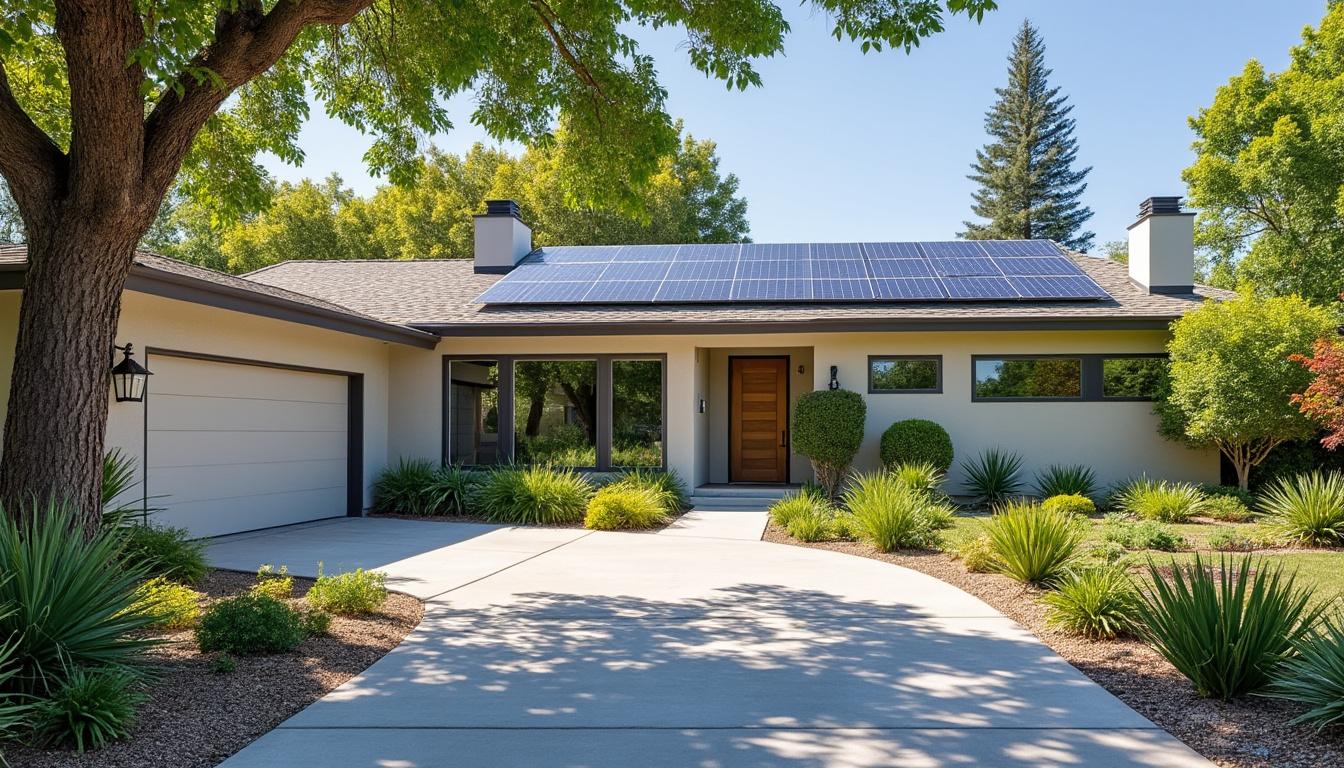
Retrofitting a building goes beyond simply upgrading insulation. Sustainable construction practices integrate retrofit insulation with complementary strategies to maximize energy conservation. These include air sealing, upgrading windows and doors, modernizing HVAC systems, and incorporating renewable energy sources like solar panels.
Air sealing is paramount when performing a building retrofit, as it prevents unwanted drafts that can undermine the effectiveness of thermal insulation. Techniques such as caulking, weatherstripping, and spray foam sealing around penetrations and joints in the building envelope are essential. When combined with retrofit insulation, these measures significantly bolster heat retention and indoor comfort.
Replacing aging windows with energy-efficient double or triple glazing further fortifies the building envelope. These windows minimize heat transfer and reduce solar gain, which is especially beneficial during summer months. The synergy between quality windows and retrofit insulation provides comprehensive energy savings.
Upgrading to high-efficiency HVAC systems complements insulation improvements by ensuring heating and cooling are delivered effectively with less energy waste. Smart thermostats integrated with these systems enable adaptive climate control, providing both comfort and further savings.
A holistic building retrofit strategy sees insulation not as an isolated upgrade but as part of a concerted effort for a green building transformation. It exemplifies sustainable construction that is profitable, practical, and aligns with contemporary environmental standards. Many contractors specialize in turnkey solutions that encompass these technologies, helping clients achieve maximal energy efficiency and long-term cost reduction.
Learn more about holistic retrofit approaches in detailed guides on understanding retrofit benefits for sustainable efficiencies.
Best Practices for Choosing Contractors in Retrofit Insulation Projects
Partnering with the right contractor is crucial for maximizing the benefits of retrofit insulation and ensuring compliance with local building codes. Not all contractors have the specificity of expertise needed for energy efficiency upgrades, so thorough vetting is necessary.
First, look for professionals who specialize in energy-efficient retrofits and have certifications from recognized industry organizations. Experience with local climate challenges and knowledge of regional incentive programs enhance their value significantly. Homeowners should seek detailed proposals that clarify insulation materials, installation methods, energy savings targets, project timelines, and comprehensive pricing.
Reputation matters immensely; verify customer testimonials and completed project case studies. Quality contractors will also provide after-installation support, including follow-up inspections and maintenance guidance to preserve the integrity of insulation systems over time.
Remember to confirm licenses and insurance to mitigate risk, and ensure the contractor is familiar with guidelines for retrofit insulation dictated by U.S. energy codes. Transparent communication about rebates, tax credits, and other financial incentives helps homeowners maximize their retrofit investment.
Consulting directories like BuildNet’s guide on retrofitting home energy efficiency can facilitate connections with reputable, qualified retrofit insulation specialists in your area. Such resources streamline the contractor selection process and foster confidence in your retrofit journey.
Finally, installing retrofit insulation is both a practical investment and a significant stride towards achieving energy-efficient, sustainable living. It represents a vital component of the evolving green building movement that promises safer, more comfortable, and economical spaces across the U.S. built environment.