
In the realm of modern construction, addressing flat and low-slope roof challenges demands innovative solutions that go beyond traditional insulation. Among these, tapered insulation stands out as a game-changer, combining both superior roof drainage features and enhanced thermal performance. As commercial and residential buildings increasingly emphasize sustainability and longevity, understanding how tapered systems improve roof longevity, energy efficiency, and overall building envelope protection is paramount. Given the rise in unexpected weather patterns and regulatory demands in 2026, adopting advanced roofing insulation solutions is a strategic and practical investment.
Flat roofs often face persistent issues with water ponding—where water collects due to inadequate slope. This not only accelerates roofing material deterioration but also poses risks such as mold growth and internal moisture infiltration. Implementing a proper roof slope through tapered insulation not only curtails ponding but also supports effective waterproofing and moisture control. This article explores these benefits through a detailed breakdown of tapered insulation technology, materials, design strategies, installation techniques, and long-term maintenance, guiding property owners and contractors through making informed decisions for optimal roofing performance.
Key takeaways:
- Tapered insulation systems create intentional slopes that direct water efficiently to drainage points, preventing ponding and structural damage.
- Materials like tapered polyiso insulation provide excellent thermal resistance and moisture imperviousness, enhancing energy efficiency while supporting waterproofing.
- Professional design and installation conforming to contemporary building codes ensure consistent performance and extend roof lifespan.
- Regular monitoring and maintenance prevent performance degradation and preserve building envelope integrity.
- Strategic integration with rooftop infrastructure ensures uniform slopes and eliminates potential moisture traps.
Exploring How Tapered Insulation Solves Flat Roof Drainage Challenges for Enhanced Roof Performance
Flat and low-slope roofs historically encounter significant risks stemming from insufficient drainage. Unlike pitched roofs, where water naturally sheds due to slope, flat roofs require engineered solutions to channel water effectively toward drains, gutters, or scuppers. The stagnation of water—often as small puddles or extensive ponding—accelerates membrane degradation, leads to leaks, and fosters microbial growth detrimental to indoor air quality, structural elements, and occupant health.
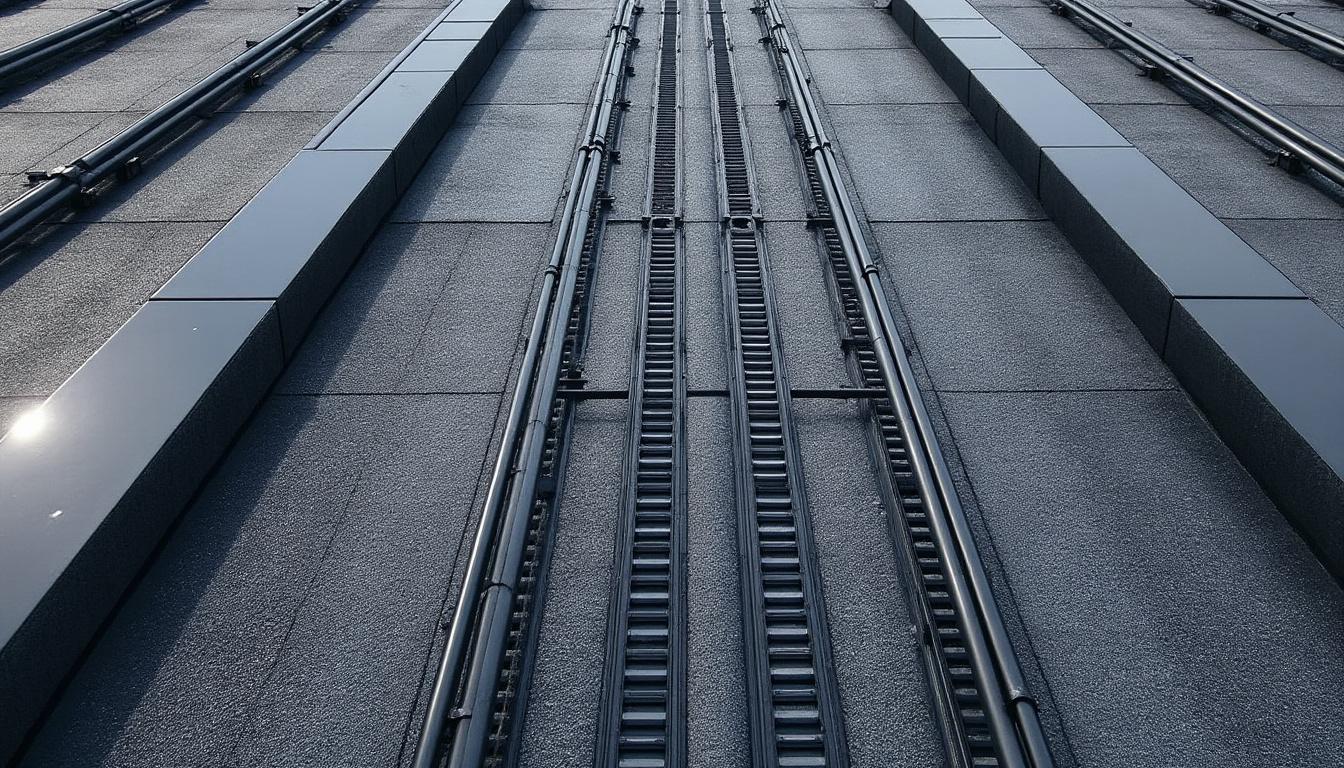
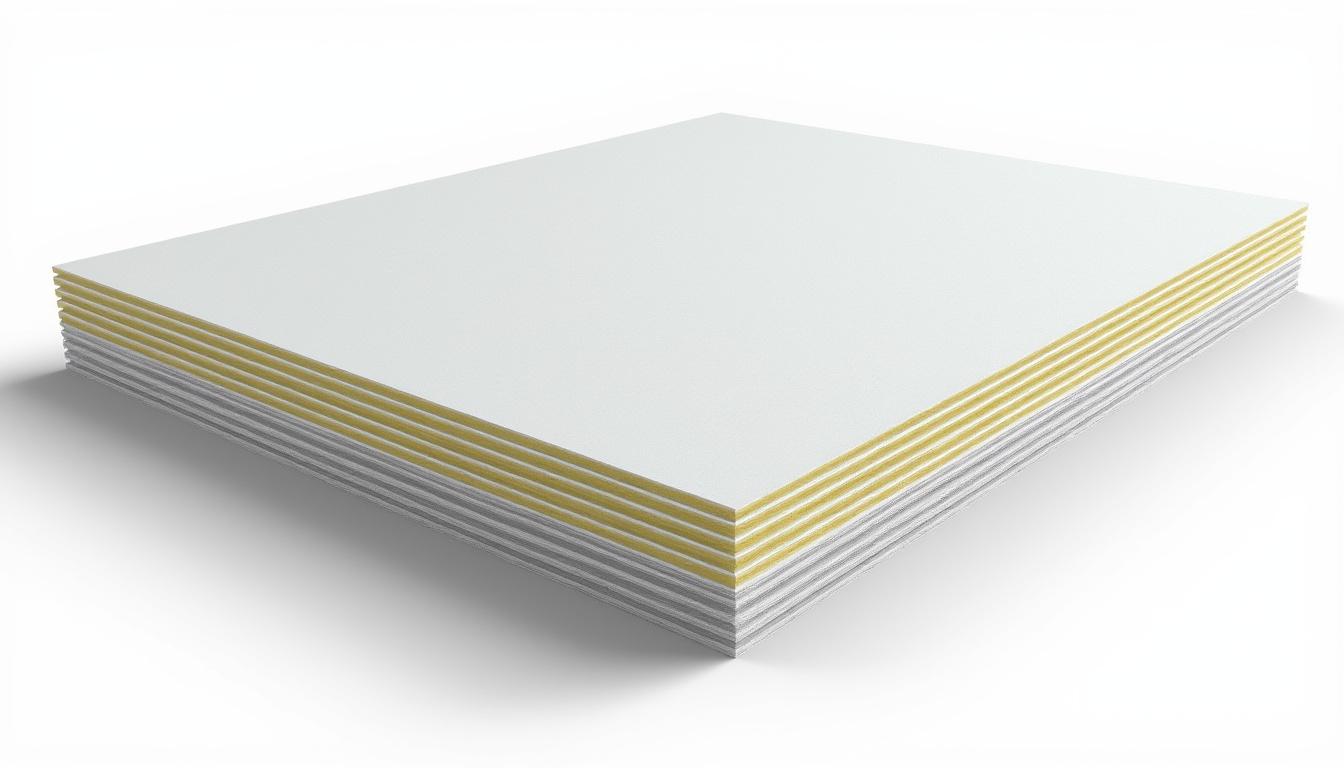
Tapered insulation addresses this issue by utilizing carefully calibrated insulation thickness variations that generate a continuous slope mimicking natural water flow. Typically composed of multiple layers of tapered polyiso boards, these systems convert flat surfaces into subtly sloped planes with gradients often beginning at a minimum of 1/4 inch per foot. This precision slope directs water safely toward drainage points, eradicating typical dead zones where moisture might collect.
For example, a commercial warehouse rooftop without proper drainage could suffer from persistent water pools, accelerating roofing membrane wear and risking internal leak paths. By retrofitting with tapered insulation, this roof regains its structural protection and enhanced thermal barrier. The system not only channels water but preserves insulation uniformity, preventing cold spots that might otherwise undermine thermal performance.
In urban settings where flat roofs dominate, incorporating tapered insulation proves especially beneficial as it protects valuable commercial assets by prolonging roof life and minimizing costly repairs. This roofing approach aligns with industry best practices, as explained in Rescue Roofing of Tampa’s detailed guide, highlighting why tapered systems represent a vital investment.
Material Choices in Tapered Insulation: Balancing Thermal Performance and Moisture Resistance
The success of tapered roof insulation hinges significantly on the choice of materials, which must deliver on both energy efficiency and moisture protection. Polyisocyanurate (polyiso) insulation boards have become the industry standard due to their remarkably high R-values per inch—often surpassing other foam insulation types—making them ideal for commercial applications where space and thermal performance are critical.
These tapered polyiso boards feature a closed-cell structure, conferring excellent resistance to water vapor penetration while maintaining rigidity and shape under fluctuating weather conditions. This dimensional stability ensures the survival of engineered roof slopes over years, preserving effective roof drainage while guarding against thermal bridging.
Nevertheless, alternative materials such as expanded polystyrene (EPS) and extruded polystyrene (XPS) have specific merits depending on project parameters. EPS offers cost benefits and decent compressive strength but generally requires thicker panels to match the thermal performance of polyiso. XPS provides superior moisture resistance but at a higher material cost. Both options can be tapered effectively though they perform best when aligned with the moisture exposure profile and structural loading of the roof.
The table below summarizes key properties for common tapered insulation materials:
| Material | Typical R-Value (per inch) | Moisture Resistance | Compressive Strength | Cost Efficiency |
|---|---|---|---|---|
| Polyiso | 6 to 6.5 | High (closed-cell) | Medium to High | Moderate to High |
| EPS | 3.6 to 4.0 | Moderate | Medium | Low to Moderate |
| XPS | 5.0 | High | High | High |
Ultimately, the selection involves assessing the specific climatic demands, expected roof use, and budget constraints, ensuring the tapered insulation system delivers both moisture control and optimal thermal insulation for the building envelope. You can find comprehensive material recommendations in the analysis by Ameristain Roofing.
Integrating Design Principles and Codes to Achieve Effective Roof Slope and Drainage
Designing a tapered insulation system involves meticulous attention to roof geometry, drainage locations, and compliance with American building codes, which often stipulate a minimum slope around 1/4 inch per foot to ensure effective water runoff. Roofing professionals frequently recommend slopes closer to 1/2 inch per foot for commercial roofs to optimize ponding prevention and prolong membrane integrity.
The design process starts by mapping out the roof area, identifying existing drains, scuppers, or gutters, and determining the highest and lowest points. The exact thicknesses of tapered insulation boards are then calculated to create the intended slope carefully. This process avoids water accumulation and ensures uninterrupted drainage flow, vital for waterproofing and moisture control. Furthermore, the insulation slope must integrate seamlessly with roof penetrations like HVAC equipment, skylights, and vents to prevent potential water traps.
Ignoring these details can result in thermal breaks or unintended pooling zones, compromising the entire building envelope. Hence, expert consultation is key to balancing insulation thickness with drainage needs, as outlined by industry specialists in roofing design and installation, including insights from Holcim Elevate’s roof insulation guidelines.
Proven Installation and Maintenance Practices for Long-Term Tapered Insulation Performance
Installing tapered insulation demands precision and adherence to manufacturer and design specifications to safeguard the anticipated benefits. Before placing insulation boards, the roof deck must be thoroughly cleaned and inspected for structural soundness. Uneven surfaces or damaged decking risk undermining the insulation’s slope accuracy and can introduce points for water infiltration.
Once prep is complete, contractors lay tapered boards beginning at drainage points, subtly increasing thickness toward the roof’s high edges. Laser measurement tools help verify slopes during installation, confirming no flat pockets remain. Seams and joints between boards are sealed and secured to maintain continuous thermal insulation and prevent water ingress.
Work quality directly influences system durability. Improper installation can induce thermal gaps and moisture infiltration, defeating the waterproofing advantages and risking premature roof failure. Therefore, reliable roof contractors like Ryan’s Roofing LLC place emphasis on professional expertise and precision tooling for every project stage.
After installation, routine inspections are crucial. Biannual checks—ideally post-winter and after hurricane seasons—assess water runoff efficacy, confirm drainage integrity, and identify insulation compression or anomalies. Early detection of slope shifts or insulation degradation allows corrective action before damage advances, preserving roof longevity and maintaining optimal energy efficiency.
- Prepare and clean the roof deck thoroughly.
- Precisely install tapered insulation boards from drains outward.
- Verify slopes regularly during installation using laser levels.
- Seal seams and joints to prevent moisture intrusion.
- Schedule regular maintenance inspections twice annually.