
Mineral insulated cables stand at the forefront of electrical safety and durability, playing a pivotal role in environments where reliability under extreme conditions is paramount. Characterized by their unique construction with copper conductors encased in compressed magnesium oxide insulation within a metal sheath, these cables embody resilience, especially in industrial, commercial, and critical infrastructure sectors. Their inherent fire resistance and ability to maintain electrical integrity during severe heat events make them essential in safeguarding life-critical systems.
As buildings and installations face ever-more rigorous safety standards, mineral insulated cables have emerged as preferred solutions to meet these challenges head-on. Their applications range from fire alarm and emergency lighting systems in high-rise structures to power and control wiring in nuclear reactors and petrochemical plants. The 2026 landscape of construction and electrical wiring increasingly leans on these cables due to their unmatched performance in high temperature, moisture-prone, and corrosive environments.
Exploring the multifaceted benefits and diverse applications of mineral insulated cables offers critical insight for engineers, contractors, and facility managers aiming to enhance electrical safety and longevity in their projects. This article delves deep into their technical advantages, key sectors of use, installation considerations, and the evolving role these cables hold in modern electrical systems.
In summary:
- Mineral insulated cables provide exceptional fire resistance and can operate continuously at temperatures exceeding 1000°C.
- Their robust durability extends cable life while minimizing maintenance, even in corrosive or radiation-heavy environments.
- Common applications span industrial heat processes, critical infrastructure wiring, hazardous environments, and precision temperature sensing.
- Installation requires specific methods but results in highly reliable, safe electrical circuits essential for life safety and operational continuity.
- Material compositions and sheath types allow customization tailored to environmental and regulatory demands.
How Mineral Insulated Cable Enhances Electrical Safety and Fire Resistance
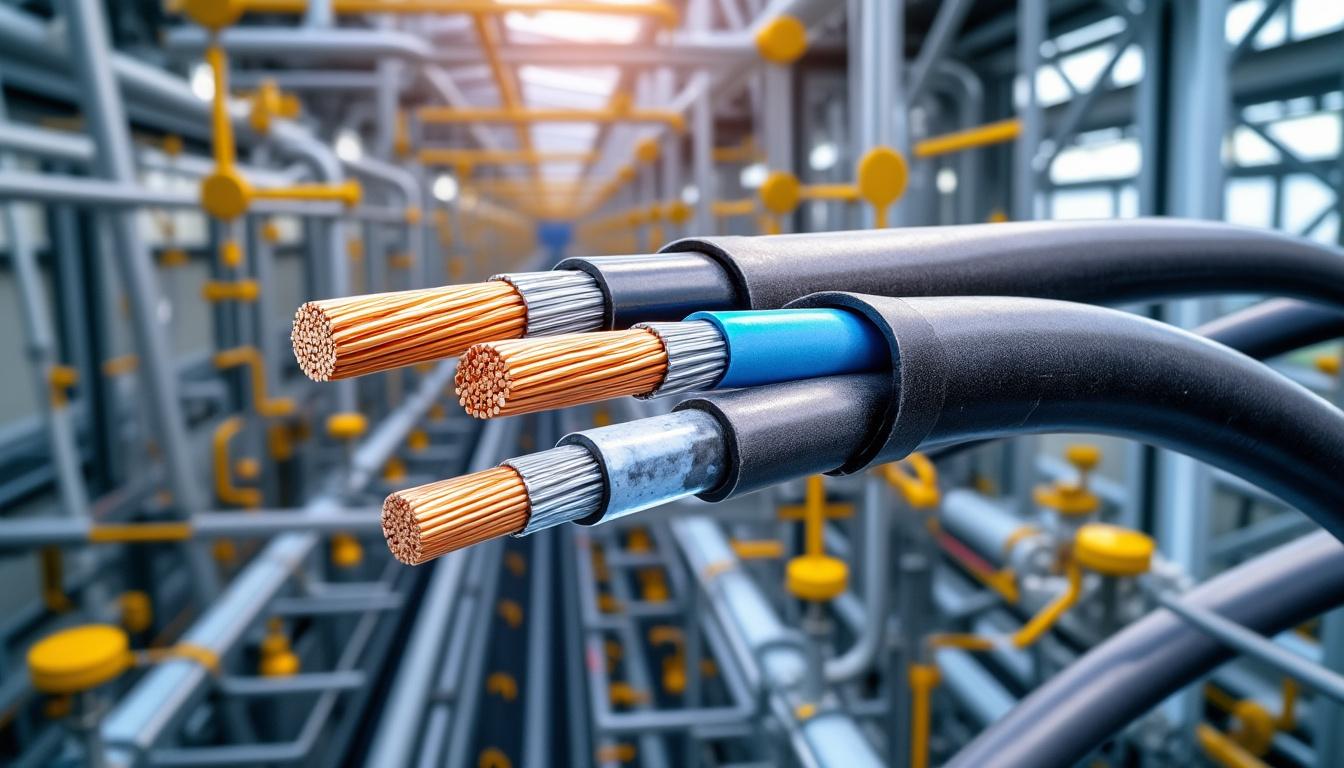
Electrical safety in buildings and industrial systems is paramount, especially in areas prone to fire hazards. Mineral insulated cables elevate electrical protection due to their extraordinary fire resistance capabilities. Unlike conventional organic-insulated cables, which can ignite or emit toxic fumes under fire conditions, mineral insulated cables utilize a sheath of copper or stainless steel encasing conductors packed with magnesium oxide, a non-combustible insulating mineral material.
This inorganic construction means mineral insulated cables do not burn or contribute to fire spread. They are tested to withstand flames at temperatures around 950°C for extended durations — often up to 3 hours depending on certification standards like BS 6387. During a fire, these cables continue to carry current, ensuring critical safety systems such as fire alarms, emergency lighting, and sprinkler controls remain functional when they are needed most.
For example, in a high-rise hospital wiring project, maintaining uninterrupted power for emergency circuits during a fire is non-negotiable. Mineral insulated cable’s proven fire endurance ensures life support systems and evacuation signals retain power, which significantly increases occupant safety. Fire resistance alone, however, is only one component of electrical safety that MIC cables address.
Another important aspect is their high insulation resistance provided by magnesium oxide. This factor minimizes the risk of electrical faults and short circuits, which are common precursors to fire outbreaks. Moreover, the metallic sheath electrically shields the conductors from external interference and physical damage, which also guards system stability.
Because the sheath protects against moisture ingress and corrosive agents, these cables excel in harsh environments where typical cables might deteriorate, causing electrical faults or failures. Such dependable mechanical strength and environmental resilience reduce downtime risks in sensitive electrical infrastructure.
For readers wishing to explore further technical specifications and standards, industry insights are available at DOMADIA’s official page on mineral insulated cables which detail how these cables meet rigorous fire safety codes and electrical regulations.
Applications of Mineral Insulated Cable Across Diverse Sectors
Mineral insulated cables have earned their place as irreplaceable components in industries where failure is not an option. Their versatility allows them to be deployed in an array of demanding scenarios:
Industrial Heat-Treating and Manufacturing Plants
In facilities handling metal heat treatment, sintering, or ceramic firing, cables must endure extreme ambient temperatures without degradation. Mineral insulated cables withstand continuous exposure to temperatures exceeding 1000°C, making them ideal for furnace wiring and temperature control instrumentation such as thermocouples and RTDs. Their reliability reduces maintenance shutdowns and supports continuous production, crucial for profitability.
Nuclear and Petrochemical Facilities
The presence of radiation, corrosive chemicals, and the need for fail-safe electrical circuits make mineral insulated cables the only viable choice in many nuclear plants and petrochemical installations. These cables resist radiation-induced degradation and chemical corrosion, ensuring stable operation in safety-critical circuits such as monitoring and emergency systems. Their installation in hazardous zones adheres to stringent regulatory standards that mandate robust cable performance under extreme conditions.
Building Infrastructure and Critical Facilities
Hospitals, airports, data centers, and tunnels depend heavily on fire-resistant and durable wiring to maintain continuous operation during emergencies. Mineral insulated cables are favored in these facilities for emergency power feeds, fire alarm systems, emergency lighting, and fire suppression control systems. Their low smoke, zero toxicity in fire conditions supports the safety of occupants during evacuations and enhances regulatory compliance for public safety.
Transportation Systems and Marine Applications
Subway tunnels, railways, metro systems, and offshore platforms are subject to stringent safety requirements and harsh environmental challenges including vibration, moisture, and salt corrosion. Mineral insulated cables deliver the necessary mechanical protection and resistance to these factors. Naval vessels and oil platforms install MIC cables to ensure safety and continuity, even under extreme marine conditions.
Each application highlights how the mineral insulated cable’s combination of fire resistance, durability, and environmental robustness creates unmatched reliability.
For a comprehensive breakdown of sector-specific uses with practical examples, see the detailed resource at Ridaelec’s analysis of mineral insulated cable advantages and applications.
Technical Construction and Material Science Behind Mineral Insulated Cables
The superior performance of mineral insulated cables stems from their unique construction that differs markedly from traditional cable designs. Understanding these components clarifies their benefits and guides proper selection.
Conductors
Typically made of high-purity copper for excellent electrical conductivity, conductors in MIC cables are solid rather than stranded. This solid core enhances mechanical stability and heat conduction. Some applications might use alternative metals such as stainless steel for specialized corrosion resistance.
Mineral Insulation
The key differentiator is the mineral insulation—compressed magnesium oxide (MgO) powder—which offers remarkable electrical insulating properties combined with outstanding heat tolerance. MgO is inorganic and non-combustible, radically improving fire resistance and eliminating the risk of toxic fume emission. Moreover, MgO provides superior resistance to moisture intrusion, a common failure point in plastic-insulated cables.
Metal Sheath
The outer sheath is usually seamless copper or stainless steel tubing that provides mechanical protection, shielding against electromagnetic interference (EMI), and moisture ingress. Copper’s thermal conductivity assists in heat dissipation, maintaining cable integrity in high temperature zones.
Thanks to these inorganic materials, MIC cables can maintain functionality in operating temperatures ranging from as low as -80°C up to near copper’s melting point of 1083°C, and with insulation that theoretically withstands up to 2800°C. This wide range ensures MIC cables meet the toughest environmental challenges without degrading.
Customization and Variability
Manufacturers typically offer variants like flexible mineral insulated cables for locations requiring some bendability, as well as multi-core configurations and different sheath materials including Inconel for highly corrosive or radioactive environments. This adaptability allows designers to match cable performance directly to project requirements.
| Component | Material | Function | Key Benefit |
|---|---|---|---|
| Conductor | Copper or stainless steel | Electrical conductivity | High current carrying capacity, mechanical stability |
| Insulation | Compressed MgO powder | Electrical insulation, heat resistance | Fireproof, moisture resistant, high dielectric strength |
| Sheath | Copper, stainless steel, or Inconel | Mechanical protection, electrical shielding | Durability, corrosion resistance, EMI shielding |
For detailed construction standards and options, readers can refer to technical overviews at Central Wires’ guide on mineral insulated cable technology.
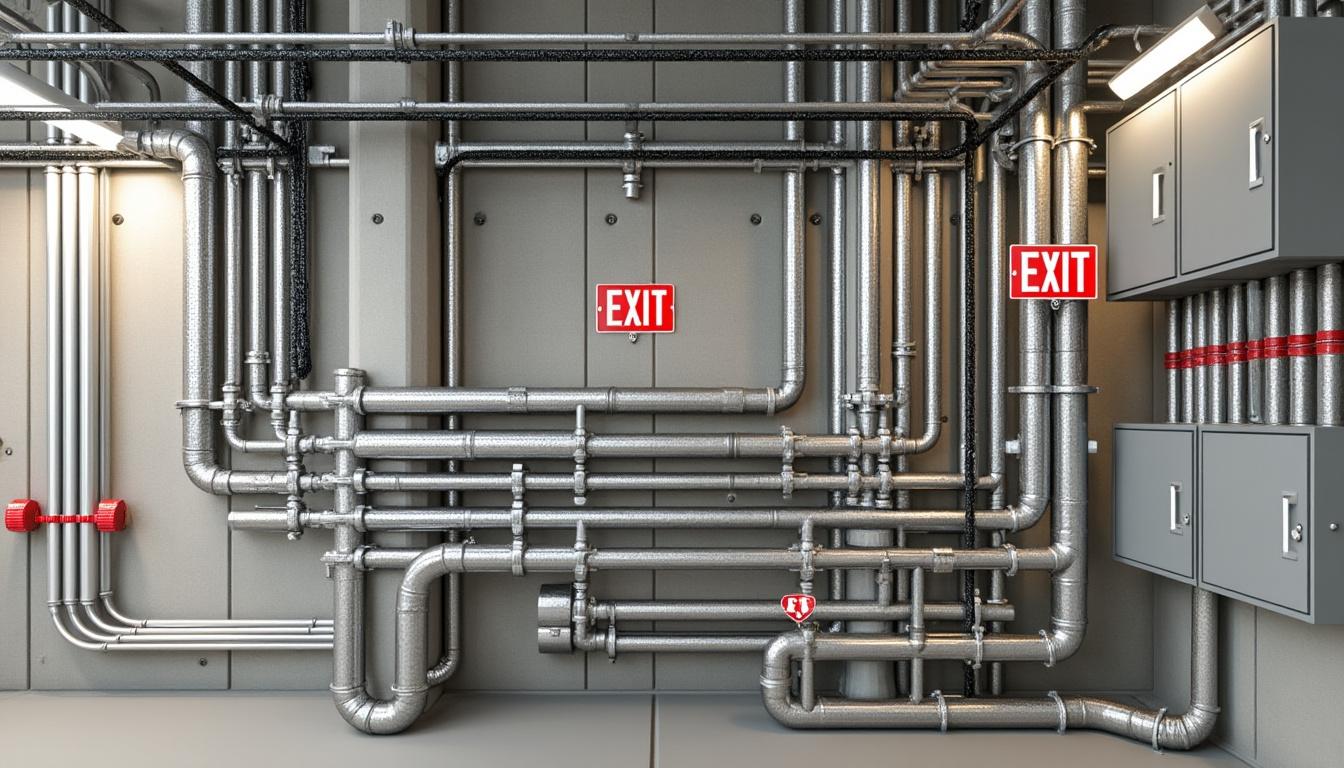
Witnessing the construction and real-world applications of mineral insulated cables helps clarify their superiority in safety and performance.
Best Practices for Installation and Maximizing Reliability of Mineral Insulated Cable Systems
Installing mineral insulated cables requires specialized skills due to their rigidity and the precision needed to preserve their integrity. Their installation techniques directly influence long-term reliability and performance.
Generally, installation involves carefully cutting and shaping the cable sheath, stripping insulation without damaging conductors, and employing sealed glands to maintain the cable’s moisture resistance.
Proper handling is critical since bending MIC cables beyond their minimal bending radius can compromise the magnesium oxide insulation, leading to increased risk of electrical faults after installation.
During installations in confined or hazardous areas—such as tunnels or offshore platforms—adhering to strict electrical codes and safety standards, including NEC and IEC regulations, ensures system compliance and reliability.
After installation, MIC cables require virtually zero maintenance. Unlike conventional cables affected by aging, insulation breakdown, or corrosion, mineral insulated cables have been documented to provide >50 years of trouble-free service in challenging environments.
- Use proper tools designed for MI cable handling and termination to avoid damage.
- Plan cable routes minimizing sharp bends and mechanical stress points.
- Verify cable integrity with insulation resistance tests post-installation.
- Employ corrosion-resistant glands and connectors suitable for the environment.
- Engage qualified professionals with expertise in MI cable systems for critical applications.
Given the technical nuances of installation and the significant investment MI cables represent, engaging trusted manufacturers and following calibrated installation processes ensures safety and longevity. This pragmatic approach is echoed in industry installation guides such as those published by Good Electronic Blog.
Economic and Environmental Benefits of Using Mineral Insulated Cables in Modern Construction
The upfront cost of mineral insulated cable installation might initially appear higher than conventional wiring due to materials and labor intensity. However, the long-term economic advantages become evident through reduced maintenance, fewer wiring replacements, and minimized fire damage risks that can save millions in insurance and repair expenses.
From an environmental perspective, the non-toxic, halogen-free nature of mineral insulated cables ensures that they do not emit harmful gases during fires, protecting both building occupants and the environment. Their longevity also reduces waste generation associated with frequent wiring replacements prevalent in standard cable systems.
In modern U.S. building projects emphasizing sustainability and resilience, adopting mineral insulated cables contributes to certifications such as LEED and similar standards by enhancing fire safety and electrical system durability.
Key economic and environmental benefits include:
- Long service life: Over 50 years of reliable operation reduces overall lifecycle costs.
- Zero toxic emissions: No halogen or smoke release in fires supports healthy indoor environments.
- Reduced downtime: Reliable fire survival helps avoid expensive business interruptions.
- Lower insurance premiums: Enhanced fire protection capabilities can often lead to reduced insurance costs.
- Minimal environmental impact: Durable construction lowers replacement frequency and associated waste.
These benefits position mineral insulated cables as a sound investment in electrical safety, functionality, and sustainability across residential, commercial, and industrial projects. As 2026 evolves, the construction industry increasingly incorporates such advanced wiring solutions, with manufacturers like DOMADIA leading innovations.