
In the quest for optimal energy efficiency and improved heat retention in homes, selecting the right insulation thickness is a vital factor. Among the many insulation ratings used in American residential and commercial buildings, R30 insulation stands out for its balance between high thermal resistance and reasonable cost savings. Homeowners and contractors alike are increasingly focused on understanding how thick R30 insulation layers need to be to meet modern building standards and achieve substantial energy conservation. This underscores a growing recognition that investing in the correct insulation thickness not only enhances comfort but also reduces long-term utility bills and carbon footprints.
Deciphering insulation ratings requires grasping that the R-value, such as R30, measures an insulation material’s ability to resist heat flow—the higher the R-value, the better. Yet, the actual required thickness to achieve an R30 rating varies a great deal depending on the insulation type, installation method, and environmental conditions. Whether using fiberglass batts, spray foam, or rigid foam boards, knowing the precise thickness needed for R30 insulation can prevent under- or over-insulating, both of which lead to cost inefficiencies and reduced home comfort.
This complexity prompts building professionals and property owners to carefully evaluate their options, considering diverse factors like local climate zones, building codes, and the physical constraints of walls, ceilings, and roofs. As energy codes evolve and emphasize sustainability, the role of properly measured and installed R30 insulation thickness becomes pivotal in meeting those expectations while maximizing the benefits of home insulation. Those seeking a detailed understanding of these benefits and applications will find it crucial to sort through technical nuances, material performance, and installation best practices.
In this article, we break down the key considerations related to the thickness of R30 insulation, illustrating how various materials compare, outlining the impact on energy bills and building comfort, and reviewing strategies for correct installation that adhere to contemporary energy regulations and maximize overall insulation benefits.
Key Points to Understand About R30 Insulation Thickness:
- R30 is a target thermal resistance measure often used in attic floors and ceilings for energy efficiency.
- Thickness for R30 insulation varies by material: fiberglass batts need about 9 to 10 inches, whereas closed-cell spray foam may require only 5 to 6 inches.
- Proper installation accounting for building codes and air sealing is essential to realize the full potential of energy savings and cost efficiencies.
- Different roofing and wall assemblies utilize R30 insulation thickness differently based on structural and climate factors.
- Selecting the right thickness and type of insulation balances upfront costs with long-term energy conservation benefits.
Comprehensive Overview of R30 Insulation Thickness Variations by Material and Application
Understanding the exact thickness associated with R30 insulation requires first grasping that R-values reflect the material’s resistance to conductive heat flow. Achieving an R30 rating means the insulation layer must provide sufficient resistance to heat loss or gain, which in turn depends on the inherent properties of the insulation type used.
Fiberglass batt insulation, a widely applied material in many homes, typically requires about 9 to 10 inches to meet the R30 standard. This thickness accommodates the natural R-value per inch of fiberglass, which ranges roughly from R-3.1 to R-3.4. Proper installation is critical here because compressing the batt or failing to fill the cavity completely can reduce the effective thermal resistance considerably. In attic floors, where thick insulation layers are usually possible, this thickness aligns neatly with available joist spacing.
Spray foam insulation comes in two varieties: open-cell and closed-cell. Closed-cell spray foam offers much higher performance per inch, often reaching R6 to R7 per inch. Because of this, it only needs about 5 to 6 inches to achieve R30, making it ideal for situations where space is limited, such as cathedral ceilings or tight wall cavities. In contrast, open-cell spray foam requires approximately 7 to 8 inches to hit the same target, due to its lower density and R-value.
Blown-in cellulose, a popular eco-friendly insulation made from recycled materials, behaves similarly to fiberglass in thickness requirements, generally ranging from 9 to 10 inches to meet R30. Its advantage lies in its ability to conform to irregular spaces and provide excellent air-sealing properties when installed correctly, which helps reduce drafts and improve overall building performance.
Rigid foam boards, including polyisocyanurate (polyiso), extruded polystyrene (XPS), and expanded polystyrene (EPS), differ even more in thickness needs. Polyiso, with about R-6 per inch, typically requires only 4.5 to 5 inches to achieve R30, whereas XPS and EPS may need between 4.5 and 6 inches depending on their specific R-value per inch. These boards can be especially useful in continuous exterior insulation applications, reducing thermal bridging common in framing cavities.
| Insulation Material | Typical R-Value per Inch | Approximate Thickness for R30 | Common Applications |
|---|---|---|---|
| Fiberglass Batts | 3.1 – 3.4 | 9 – 10 inches | Attics, walls with sufficient depth |
| Blown-in Cellulose | 3.2 – 3.8 | 9 – 10 inches | Attics, irregular spaces |
| Open-Cell Spray Foam | 3.5 – 3.6 | 7 – 8 inches | Walls, ceilings with space limits |
| Closed-Cell Spray Foam | 6.0 – 7.0 | 5 – 6 inches | Space-constrained areas, high moisture zones |
| Polyisocyanurate (Polyiso) Foam Board | 6.0 – 6.5 | 4.5 – 5 inches | Exterior continuous insulation |
The selection of materials impacts not only insulation thickness but also other important insulation benefits such as moisture control, air sealing capability, and environmental impact. Builders must weigh these factors when planning insulation strategies to optimize performance and code compliance.
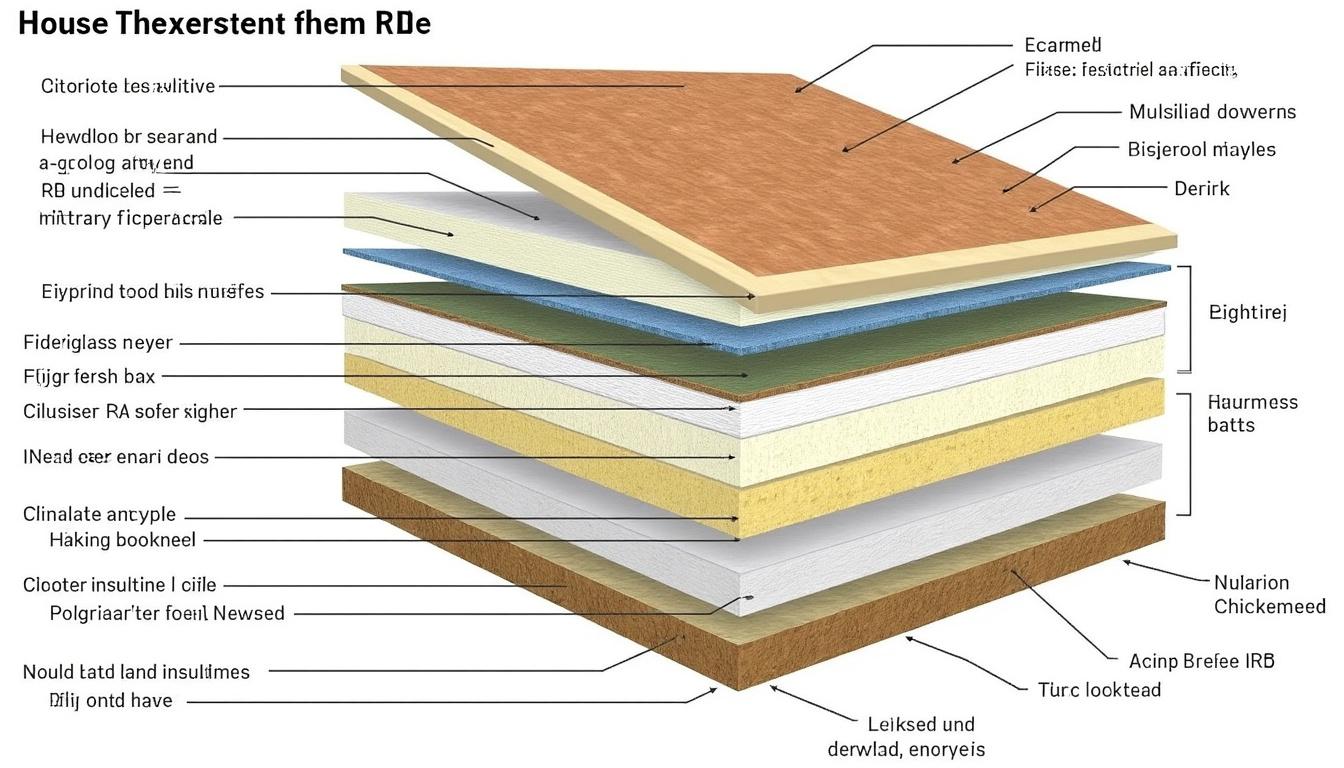
Factors Influencing the Required Thickness of R30 Insulation in Different Climates and Buildings
While the maps and codes set base expectations for R-values, several nuanced factors shape the actual thickness of R30 insulation needed in a home or commercial building. First and foremost, regional climate plays a pivotal role. In colder parts of the United States, higher insulation values like R30 are often mandated for attics and ceilings because of the significant heat loss potential through these areas. Conversely, milder or warmer climates might require slightly less thickness or rely on alternative methods like radiant barriers combined with insulation.
Building codes such as the International Energy Conservation Code (IECC) and standards from the U.S. Department of Energy stipulate minimum R-values by zone, and achieving R30 often aligns with meeting or exceeding these codes in colder windows. Compliance ensures building insulation investments contribute to certified energy savings and sometimes qualify for government incentives, making properly measured insulation thickness a cost-effective choice.
The design and type of building envelope also affect insulation thickness needs. For example, in a 2×6 framed wall cavity, achieving a full R30 rating from batt insulation alone is typically impossible given the limited depth of about 5.5 inches. Builders then turn to hybrid insulation approaches such as combining cavity insulation with exterior rigid foam board or spray foam to meet R30 targets while maintaining structural integrity and moisture protection.
Installation method and quality cannot be overstated as key influences. Compressing batt insulation reduces effective thickness and thermal resistance, while gaps or misalignment undermine energy conservation goals. Professional installation that includes comprehensive air sealing and moisture management, like vapor barriers, ensures the rated R30 thickness delivers the expected performance.
Lastly, space constraints often dictate the type of insulation and thickness adopted. Renovation projects with limited cavity depth may prioritize closed-cell spray foam or rigid boards for their high R-values per inch, while new construction can accommodate thicker batts or cellulose layers more easily.
These intricate factors combine to shape an optimal R30 insulation approach tailored for the building’s location, structure, and intended energy performance. For a detailed technical discussion, check out this expert guide on how thick R30 insulation should be, highlighting practical applications and local compliance.
Practical Installation Guidelines to Maximize the Benefits of R30 Insulation Thickness
Proper installation techniques play a fundamental role in translating the nominal R30 insulation thickness into tangible energy savings and improved comfort. Simply installing the right thickness is not enough; attention to detail in handling, fitting, and insulating continuity is critical.
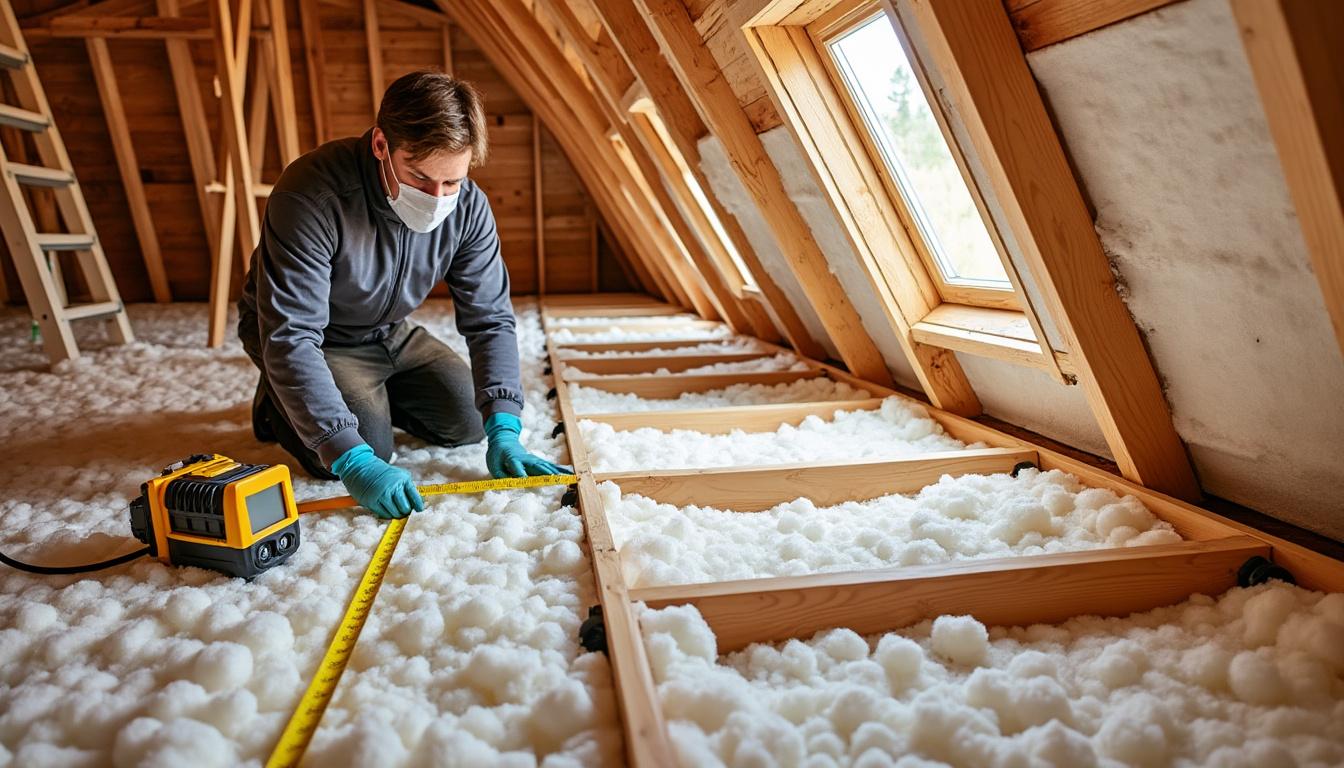
First, installers should verify cavity depth to confirm it accommodates the necessary thickness for the chosen material. In cases of retrofit projects, measuring the existing cavities avoids under-insulating and wasting material. Subsequently, insulation must be installed without compression, voids, or gaps to maintain the full R-value. Compressed fiberglass batts lose thermal resistance, while gaps may create thermal bridges accelerating heat flow.
Air sealing is equally vital to complement the R30 insulation layer. Sealing penetrations, joints, and around wiring or plumbing prevents unwanted airflow that could significantly reduce insulation effectiveness. The interaction between air sealing and insulation has a multiplier effect on reducing energy consumption.
Moisture control should not be overlooked when installing thick insulation layers. Vapor retarders or barriers appropriate for the insulation type may be required to prevent condensation within cavities that could degrade insulation and cause mold issues. Understanding regional humidity levels guides the choice of vapor management strategies.
Cost considerations often come into play when selecting insulation type and thickness. Closed-cell spray foam, while having a higher upfront cost, can save space and provide airtightness benefits, resulting in deeper savings over a building’s lifespan. Conversely, fiberglass or cellulose offer low-cost options but might necessitate thicker installations.
Homeowners and contractors aiming for the most efficient and durable solutions should seek professional advice tailored to their building and climatic context. Further reading on recommended installation practices is available in resources like this comprehensive article on R30 insulation thickness and its advantages, which offers practical tips and common pitfalls to avoid during installation.
Benefits of Achieving Proper R30 Insulation Thickness for Homeowners and Commercial Buildings
Adopting the appropriate R30 insulation thickness delivers multiple, measurable benefits extending beyond just lowering monthly energy bills. The first and most direct benefit is enhanced energy efficiency, which manifests in improved thermal resistance that slows heat loss during winter and reduces heat gain during summer. This results in homes requiring less fuel for heating or cooling, directly lowering utility expenses and supporting sustainability goals.
Using R30 insulation also improves occupant comfort by maintaining more stable indoor temperatures and minimizing drafts or cold spots. Buildings with optimized insulation experience fewer temperature fluctuations, which translates into a healthier and more pleasant living or working environment.
Moreover, properly thick insulation contributes to the durability of the building’s envelope by reducing stress caused by thermal expansion and contraction. Many rigid foam variants, used for roofing applications, add moisture resistance and protection against mold growth, increasing the longevity of roofs and exterior walls.
Investments in adequate insulation thickness often offer long-term financial advantages through eligibility for tax credits and rebates associated with meeting or exceeding national energy standards. This turns an upfront expense into a lasting value for both existing buildings and new construction projects.
In terms of environmental impact, improved insulation reduces greenhouse gas emissions associated with heating and cooling systems, aligning building owners with the growing emphasis on climate responsibility within the U.S. construction industry.
Homeowners aiming to optimize their energy footprint should consider not only the insulation material but also the thickness needed to deliver meaningful R30 thermal resistance. For further insights into the advantages of this insulation rating, resources such as this detailed analysis on the benefits of R30 insulation for home energy efficiency provide valuable guidance.