
When aiming to optimize home efficiency, inch foam insulation board has emerged as a critical player in the world of modern insulation materials. This rigid foam product offers a potent combination of high thermal resistance, moisture control, and ease of installation, addressing many common insulation challenges faced in American residential and commercial buildings. As energy costs continue to rise, homeowners and builders alike prioritize insulation solutions that deliver reliable energy savings, improve indoor comfort, and contribute to long-term cost reductions. Inch foam insulation boards effectively act as thermal shields, reducing unwanted heat transfer through walls, roofs, and foundations. The result is not only a more stable indoor environment but also a significant reduction in heating and cooling demands.
Understanding the nuances of inch foam insulation boards is essential to harness their full benefits. Unlike traditional batt insulation or loose-fill materials, foam board’s dense and uniform composition provides a continuous barrier that minimizes gaps and air leaks. This characteristic enhances their thermal insulation capabilities, a crucial factor in maximizing home insulation effectiveness. Additionally, certain types of foam board insulation incorporate moisture resistance and vapor barrier properties, which help protect structural elements from water damage and mold growth—a common problem in areas with high humidity or colder climates prone to condensation.
Energy efficiency is the cornerstone of sustainable living and real estate value improvement. Properly installed inch foam insulation enhances a home’s thermal resistance (measured by R-value) effectively, ensuring long-term energy savings. As of 2026, many states have updated building codes reflecting increased R-value requirements for insulation, making foam board insulation increasingly indispensable for compliance and performance. For instance, polystyrene-based foam boards such as extruded polystyrene (XPS) are popular for their durability and moisture resistance, making them ideal for insulating foundations and crawl spaces. In contrast, polyisocyanurate boards boast some of the highest R-values per inch, favored in roof insulation to combat extreme temperature fluctuations.
In the quest for improved home efficiency, inch foam insulation boards deliver more than just energy savings. Their robust physical properties can add structural strength to walls and ceilings, while their resistance to pests and moisture keeps buildings healthier and more durable. Given these multifaceted advantages, inch foam insulation boards are proving to be a worthwhile investment for homeowners seeking long-term performance and comfort.
Exploring Different Types of Inch Foam Insulation Boards and Their Thermal Resistance Capabilities
Selecting the right inch foam insulation board begins with understanding the varying types available on the market and their specific thermal resistance, or R-value. This measurement quantifies a material’s ability to resist heat flow, directly correlating to its effectiveness in improving home insulation and therefore overall energy efficiency. Foam boards offer some of the highest R-values per inch compared to other insulation materials, leading to better thermal insulation with less thickness.
Three primary types dominate the inch foam insulation board category in the U.S. market. The first is Expanded Polystyrene (EPS), recognizable by its bead-like composition and cost-effectiveness. EPS typically provides an R-value between 3.6 and 4.2 per inch. Though more affordable, it is moderately permeable to moisture and less rigid than other foam options, making it suitable for interior wall cavities or insulated sheathing where moisture exposure is limited.
Next is Extruded Polystyrene (XPS), which stands out for superior moisture resistance and strength. Consumers and contractors favor XPS for insulating areas prone to dampness such as basements, crawl spaces, and foundation walls. The R-value for XPS is roughly around 5 per inch, offering increased thermal resistance compared to EPS. Its closed-cell structure ensures it resists water absorption effectively, reducing risks of mold development in wet locations.
The third and often most energy-efficient option is Polyisocyanurate (Polyiso). This material offers the highest R-value, ranging from 6 to 6.5 per inch, due to its dense core and commonly integrated reflective foil facings that additionally reduce radiant heat transfer. Polyiso is ideal for applications where thermal performance is paramount, such as roof insulation systems in both residential and commercial buildings. However, Polyiso boards may lose some effectiveness in extremely cold climates, so regional building codes and conditions should guide their use.
Table 1: Comparison of Common Foam Board Types and R-Values Per Inch
| Foam Board Type | Typical R-Value per Inch | Ideal Applications | Moisture Resistance |
|---|---|---|---|
| Expanded Polystyrene (EPS) | 3.6 – 4.2 | Interior walls, insulated sheathing | Moderate |
| Extruded Polystyrene (XPS) | 5.0 | Basements, crawl spaces, foundations | High |
| Polyisocyanurate (Polyiso) | 6.0 – 6.5 | Roofs, walls requiring high insulation | Moderate with foil facing |
The selection of foam board type influences installation techniques, cost, and ultimately home insulation performance. Understanding these factors aids builders and homeowners in achieving the most effective thermal resistance while addressing specific building needs. To dive deeper into types, costs, and installation methods, readers can explore expert resources such as comprehensive foam board insulation guides.
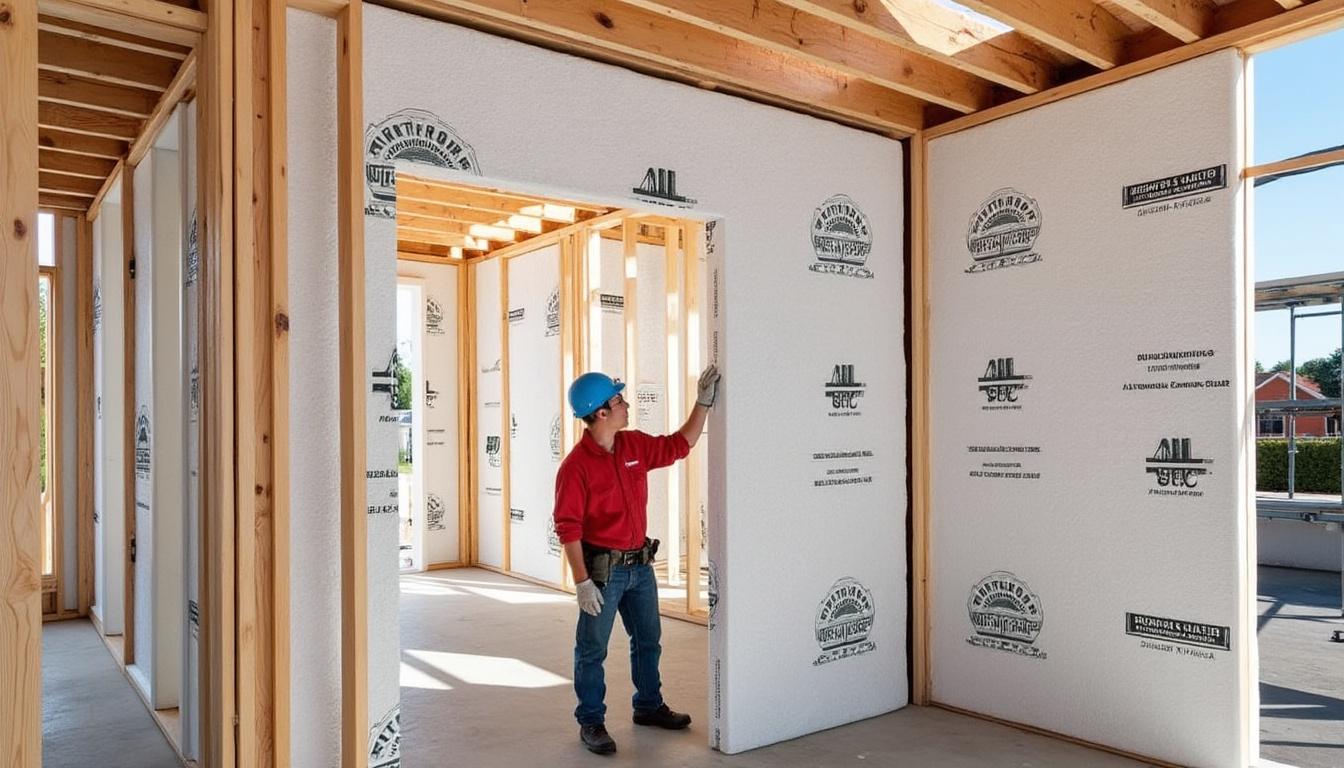
Step-by-Step Installation Processes to Maximize Home Insulation Efficiency with Foam Board
Installing inch foam insulation boards correctly is paramount to realizing their full energy savings potential. Unlike some insulation materials that can settle or shift over time, rigid foam boards remain fixed when installed properly, providing consistent thermal resistance and air sealing. The installation process, although straightforward, requires attention to detail, especially regarding joints and edges, to prevent air leaks and moisture infiltration.
The first step involves precise measuring of the installation area to ensure tight-fitting boards that leave no gaps. Boards are cut to fit using insulation knives or saws, a task easier due to the foam’s lightweight nature. In some projects, such as insulating a basement or exterior wall, multiple layers of foam board may be applied to meet required R-values.
Securing the boards can be done via mechanical fasteners or construction adhesive. Mechanical fastening is frequently used in wall sheathing and ceilings, while adhesive application is common on flat foundation surfaces to keep the boards firmly attached. After placement, sealing the seams between boards is critical for minimizing air infiltration and vapor transmission. Typically, specialized foam sealants or tape designed for foam insulation joinery are applied.
For moisture-prone areas, installing a proper vapor barrier behind or on the warm-in-winter side of the insulation is essential to prevent condensation buildup. Consulting local building codes and professional installers ensures compliance with 2026 regulations and system longevity. Homeowners interested in a do-it-yourself approach can refer to resources such as trusted foam board installation tips for stepwise guidance.
The final outcome of a well-executed installation is a continuous thermal envelope that reduces heat flow, keeps moisture at bay, and significantly elevates home comfort and energy efficiency. Improper installation, by contrast, compromises these benefits and leads to inefficient insulation performance despite quality materials.
Direct Impact of Foam Board Benefits on Home Energy Savings and Thermal Comfort
Foam board insulation’s standout attribute is its ability to enhance home energy savings through superior thermal resistance. Its rigid form creates a continuous barrier that minimizes thermal bridging—the transfer of heat through studs or gaps found in conventional insulation methods. This enhanced thermal performance results in less reliance on HVAC systems, directly cutting energy consumption and utility bills.
Several case studies from U.S. homes installed with foam board insulation reveal that households can expect energy savings between 10% to 25% depending on climate zones and insulation quality. For example, a home in the Midwest reducing heat loss with inch foam insulation boards experiences noticeable decreases in winter heating costs, while southern homes benefit from reduced cooling loads during hot summers.
Beyond energy savings, foam board insulation improves overall thermal comfort by eliminating cold drafts and uneven temperatures within rooms. Since the boards form a robust air and moisture barrier, they prevent air infiltration, a major culprit for discomfort and higher energy use. This leads to a more stable indoor environment, fewer temperature swings, and improved living conditions all year round.
Additional benefits of foam board insulation include its sound insulating qualities, which yield quieter indoor spaces by reducing external noise penetration. Moreover, the material’s durability and longevity mean that these advantages persist long into the future with minimal maintenance required.
- Improved energy efficiency through high R-value and minimized thermal bridging
- Enhanced indoor comfort by controlling air leaks and temperature fluctuations
- Reduction in HVAC system workload, extending equipment lifespan and lowering service costs
- Long-term cost savings on utility bills attributable to effective thermal insulation
- Added protection against moisture-related issues leading to healthier homes
Those exploring eco-friendly building solutions should also note foam board insulation’s role in reducing carbon emissions by lowering heating and cooling energy consumption, aligning with growing environmental sustainability efforts nationwide.
Understanding Challenges and Cost Considerations of Foam Board Insulation for Wise Investment
While inch foam insulation board offers remarkable benefits, it is equally important to acknowledge its challenges and costs to make an informed decision. One consideration is the upfront expense. Compared with traditional fiberglass or cellulose insulation, foam boards generally come with a higher initial price tag. However, this cost can be offset by long-term energy savings and durability—a balance critical to achieve sound investment returns.
In addition to material pricing, installation cost may vary depending on the complexity of the project, building type, and geographic location. Improper installation leading to air gaps or moisture accumulation could negate the benefits, underscoring the value of hiring qualified professionals when needed.
Another challenge involves environmental concerns regarding the production and disposal of foam board materials. Since most are made from petrochemical products, they are not biodegradable, contributing to landfill waste at the end of their lifecycle. Some foam boards may also off-gas volatile organic compounds (VOCs) during manufacturing or installation, which needs consideration in indoor air quality management plans.
Fire safety is also a critical factor. Foam board insulation is combustible and must be covered with fire-resistant materials such as drywall or plaster to comply with building codes. Many modern foam board products include fire retardants, but these can degrade over time, so proper covering and maintenance are essential parts of a safe insulation strategy.
Summary of Foam Board Insulation Pros and Cons:
| Advantages | Potential Drawbacks |
|---|---|
| High R-value per inch for effective thermal resistance | Higher upfront material and installation costs |
| Excellent moisture resistance (especially XPS type) | Non-biodegradable and environmental waste considerations |
| Easy and quick installation process | Requires fire-resistant covering for safety compliance |
| Durable and long-lasting performance (50+ years) | May lose efficiency if improperly installed or exposed to moisture |
For those weighing their insulation options, it’s recommended to consult detailed resources such as independent evaluations of foam board insulation effectiveness and local contractor advice to balance these factors appropriately.

Further Exploring Foam Board Insulation Versatility Across Different Home Applications
The versatility of inch foam insulation boards is undeniably one of their standout characteristics. From the roofline to the foundation, foam board insulation fits various functions that improve home efficiency across multiple structural elements.
In roofing systems, foam board serves dual purposes by boosting thermal insulation and acting as a moisture barrier beneath shingles or membrane roofing. This capability significantly extends roof lifespan by mitigating temperature extremes and reducing condensation risks that lead to structural damage.
Walls insulated with foam board can achieve continuous insulation layers, an advantage over traditional cavity insulation that may leave gaps along studs or wiring paths. For exterior siding projects, foam boards placed underneath create a tight, thermal envelope protecting the home against wind-driven rain and drafts.
Foundations and slab-on-grade construction particularly benefit from foam boards’ moisture resistance and compressive strength. Using foam board insulation around concrete foundations or beneath slabs helps prevent heat loss to the ground, a frequent source of winter heat escape in many U.S. regions.
Even crawl spaces, which often struggle with dampness and temperature swings, can be effectively insulated using foam boards to create a protected, energy-efficient buffer zone below the living areas. This reduces the risk of mold growth, pest intrusion, and uncomfortable cold floors above.
- Roof insulation for thermal regulation and moisture control
- Wall insulation providing continuous thermal protection and reduced air infiltration
- Foundation and slab insulation minimizing heat loss to the earth
- Crawl space encapsulation improving moisture resistance and comfort
This widespread applicability has made foam board insulation a go-to solution across the U.S., from new construction to retrofit projects focused on energy efficiency upgrades. For comprehensive insight into usage and benefits, home efficiency advocates can explore specialized guides on foam board insulation applications.