
For many Americans, pole barns serve as multipurpose structures—ranging from agricultural storage to workshops and even recreational spaces. Yet, without proper insulation, these buildings often face severe temperature fluctuations, making them uncomfortable and costly to maintain. As energy costs remain a significant concern in 2026, choosing the right insulation materials and methods becomes imperative. Not only do these decisions affect your comfort, but they also directly impact energy efficiency, moisture control, and the longevity of the structure. This comprehensive overview delves into the best insulation options designed specifically for pole barns in modern construction, blending practical advice with the latest innovations in insulation materials.
In brief:
- Effective pole barn insulation drastically improves energy efficiency and comfort, potentially cutting heating and cooling expenses by 30% or more.
- Spray foam insulation leads the market in thermal resistance and moisture control, making it the top choice for many modern pole barns.
- Fiberglass insulation remains a cost-effective, widely accessible option but requires careful installation to maintain performance.
- Rigid foam boards offer versatility and excellent thermal ratings, especially in areas with challenging exposure to moisture.
- Proper installation and vapor barriers are just as critical as choosing the right insulation materials to prevent condensation and maintain structural integrity.
- Considering local climate, building design, and intended use will dictate the most suitable insulation approach for your pole barn.
Understanding Pole Barn Insulation Needs: The Foundation for Energy Efficiency in 2026
When addressing pole barn insulation, understanding the nuances of heat transfer and thermal resistance is crucial. Heat moves through conduction, convection, and radiation—all of which can contribute to energy loss in uninsulated buildings. A well-insulated pole barn creates a robust thermal envelope that mitigates heat loss during winters and limits heat gain during summers.
Key to this process is selecting insulation materials with optimal R-value, which quantifies thermal resistance. In 2026, many pole barn projects aim for insulation systems with R-values ranging from R-19 to R-30 or higher, depending on local building codes and climate considerations. This preference is driven by advancements in insulation technology and a growing emphasis on sustainability.
Moisture control is another paramount concern. Pole barns made of metal invite condensation problems, leading to mold growth and structural damage if not properly mitigated. Applying vapor barriers and choosing moisture-resistant insulation materials like closed-cell spray foam ensures longevity and durability.
Environmental factors also influence insulation strategies. For example, pole barns in the Midwest experience harsh winters requiring high thermal resistance insulation, whereas barns in humid southern states must prioritize moisture management. The role of insulation is more than just temperature control; it’s about protecting the building’s integrity and reducing maintenance costs over time.
For practical insights and detailed strategies on pole barn insulation, resources such as Pole Barn Insulation Basics offer comprehensive guides that help homeowners and contractors understand these fundamentals.
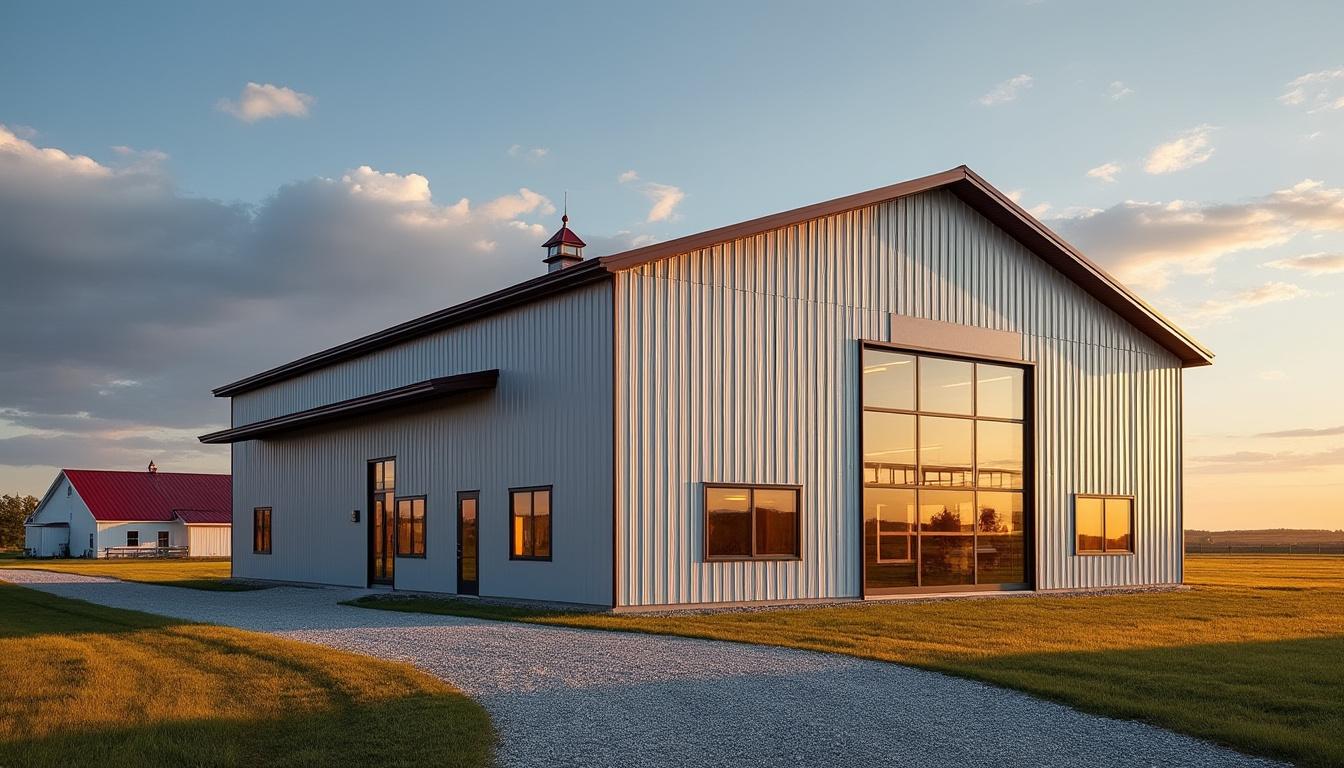
Top Insulation Materials for Pole Barns: Evaluating Spray Foam, Fiberglass, and Rigid Foam Boards
Choosing insulation materials can be daunting with numerous options on the market. However, in 2026, three materials have proven to be the most effective and popular for pole barn insulation: spray foam insulation, fiberglass insulation, and rigid foam boards. Each material offers unique benefits and trade-offs depending on the specific needs of your pole barn.
Spray Foam Insulation: High-Performance Thermal Barrier and Moisture Control
Spray foam insulation, particularly the closed-cell variety, boasts the highest R-value per inch among typical insulation materials, reaching up to R-7 per inch. This makes it an exceptional choice for maximizing thermal resistance in confined spaces such as metal pole barn walls and ceilings.
Another significant advantage of spray foam is its superior air-sealing properties. By expanding to fill gaps and cracks, it prevents air leakage much more effectively than traditional batt insulation. In the humid environments often encountered with metal pole barns, spray foam also dramatically reduces moisture infiltration, effectively controlling condensation and mold risks.
However, spray foam comes with a higher upfront cost and typically requires professional installation. Despite these considerations, the long-term energy savings and improved durability often justify this investment. For a deeper exploration of spray foam benefits, consult expert discussions like those found on Allyear Insulation’s open-cell spray foam guide.
Fiberglass Insulation: Cost-Effective and Widely Accessible
Fiberglass insulation remains a prevalent choice due to its affordability and widespread availability. It comes in pre-cut batts or rolls, making it a feasible option for DIY enthusiasts and contractors alike. Fiberglass offers a typical R-value between R-3 and R-4 per inch and is suitable for pole barn walls and ceilings, provided proper installation practices are followed.
Despite its benefits, fiberglass insulation requires careful handling to avoid gaps and compression, which can considerably diminish its effectiveness. Furthermore, without an adequate vapor barrier, it can be vulnerable to moisture accumulation, especially in metal barns prone to condensation. Professionals often recommend covering fiberglass batts with a vapor barrier and ensuring good ventilation to address these concerns.
For those interested in exploring cost-effective insulation materials further, comprehensive resources like Insulation Marketplace’s guide provide detailed comparisons and installation advice.
Rigid Foam Boards: Durability and Versatility for Specialty Applications
Rigid foam boards are known for their high R-values, often ranging between R-5 to R-6 per inch, combined with good moisture resistance. These boards are especially useful when external insulation is desired, or for adding extra layers over existing structures. Their dense composition helps protect against air and water infiltration, thus enhancing the building’s overall energy efficiency.
Installation flexibility allows rigid foam boards to conform to various pole barn designs, including irregular wall shapes and roofing components. While they tend to be more costly than fiberglass, their durability and long-term performance make them a competitive option for customized pole barn projects.
Further technical insights on rigid foam boards and their applications can be obtained through industry-focused portals such as Rmax’s pole barn insulation blog.
| Insulation Material | Typical R-Value per Inch | Moisture Resistance | Average Cost per Sq. Ft. | Installation Complexity |
|---|---|---|---|---|
| Spray Foam (Closed-Cell) | 6.0 – 7.0 | High | $3.00 – $4.50 | Professional |
| Fiberglass Batts | 3.0 – 4.3 | Moderate | $0.25 – $1.50 | DIY / Professional |
| Rigid Foam Boards | 5.0 – 6.5 | High | $1.50 – $3.50 | DIY / Professional |
Effective Installation Practices for Pole Barn Ceiling and Wall Insulation
Even the best insulation materials cannot perform optimally without proper installation. Pole barn insulation requires attention to detail, particularly with vapor barrier placement and ensuring there are no gaps that allow air leakage.
One essential recommendation in 2026 is to always install vapor barriers on the warm side of the insulation layer—typically the interior side—to block moisture vapor from penetrating and condensing within the insulation. This is crucial in metal barns where temperature differentials can be significant.
Proper fitting of insulation between framing members is vital. Compression or gaps reduce the effective R-value. For irregular shapes or hard-to-reach areas, spray foam insulation provides flexibility, expanding to fill voids fully. Fiberglass and rigid foam boards should be cut precisely and carefully sealed at seams.
Depending on the complexity and size of your pole barn, consider professional installation for spray foam or consult detailed installation guides like those provided by Insulation Line. DIY methods can be appropriate for fiberglass batt installation but require attention to safety practices, including wearing protective gear due to airborne fibers.
Ensuring ventilation alongside insulation is another critical factor. Proper airflow through soffit vents or ridge vents prevents heat buildup and moisture accumulation, preserving the insulation’s effectiveness and your pole barn’s structural integrity.
Beyond thermal resistance, effective installation must account for local code requirements, especially in areas like Minnesota or Washington state with strict insulation standards. Non-compliance can lead to costly rework and inefficiency.
Cost-Effective Insulation Solutions: Balancing Price, Performance, and Longevity
When selecting insulation in 2026, striking a balance between budget limitations and long-term energy savings is a common challenge for pole barn owners. While spray foam insulation offers unparalleled energy efficiency, its upfront cost can be two to three times higher than fiberglass options.
The decision often boils down to usage patterns and how long you plan to keep the structure. For seasonal storage, cost-effective fiberglass batts may provide adequate insulation without major investment. Conversely, heated workshops or dwellings may warrant the premium spray foam for comfort and utility savings.
A tailored approach might include using spray foam in critical areas such as walls or ceilings and fiberglass batts in less exposed sections. Additionally, rigid foam boards can be strategically added to reinforce thermal barriers in particularly vulnerable spots.
- Budget Planning Tips for Insulation:
- Calculate expected energy savings over a 10-year timeline.
- Obtain multiple quotes to compare installation costs and materials.
- Factor in maintenance, potential repairs, and expected lifespan.
- Consider the impact of insulation on property value and usability.
- Account for rebates and tax incentives promoting energy-efficient upgrades.
Reliable sources like Tools Nova’s insulation cost overview offer detailed breakdowns of these economic factors, assisting owners in making data-driven choices that maximize value.
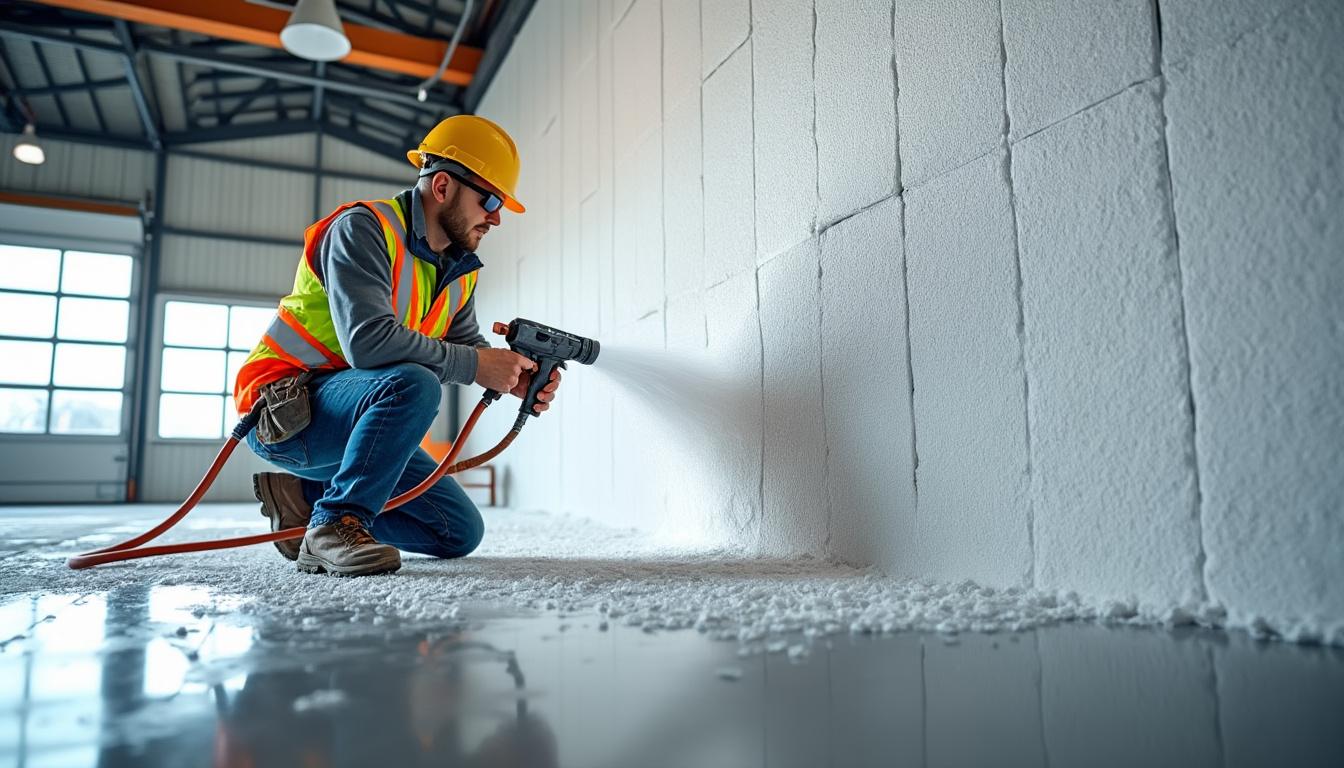
Maintaining and Upgrading Pole Barn Insulation in the Face of Changing Needs
Insulation is not a “set it and forget it” component. Periodic inspections and maintenance safeguard against performance degradation. Pole barns frequently encounter moisture issues, pest intrusion, or insulation compression, all of which necessitate timely interventions.
Routine evaluation focusing on potential condensation patches, visible damage, or insulation settling can prevent costly repairs down the line. For barns built with fiberglass insulation, check for fiber displacement and ensure vapor barriers remain intact.
Upgrading insulation is feasible without complete replacement. Adding a new spray foam layer or additional rigid foam boards over existing materials can significantly boost thermal resistance. These incremental improvements are particularly beneficial in response to evolving usage or regional climate shifts.
Integrating emerging insulation technologies like advanced reflective radiant barriers or eco-friendly cellulose variants also provide avenues to enhance energy efficiency while promoting sustainable building practices. The right approach preserves comfort and aligns with modern energy goals.
Educate yourself with authoritative guides such as Wright Buildings’ 2025 insulation overview for the latest recommendations on maintaining pole barn insulation systems.