
Batt insulation represents a foundational element in American thermal insulation strategies, woven seamlessly into the fibers of millions of homes. Recognizable as the familiar pink or gray panels tucked between wall studs, ceiling joists, and floor frames, this insulation type is much more than just a filler — it plays an indispensable role in energy efficiency and comfort. Its widespread adoption remains rooted in affordability, availability, ease of installation, and reliable performance. Yet, despite its prevalence, homeowners and contractors alike often overlook the technicalities that dictate batt insulation’s effectiveness, such as the critical relationship between material choice, R-value, proper sizing, and meticulous installation techniques. As energy bills continue to climb and sustainability becomes paramount, understanding batt insulation’s mechanics and applications reveals how this seemingly simple material mitigates heat loss, enhances soundproofing, and shapes building thermal performance.
In brief:
- Batt insulation is a pre-cut panel designed to fit standard framing cavities, primarily made from materials such as fiberglass, mineral wool, cotton, and sheep’s wool.
- It operates by trapping air within dense fibers, thus slowing heat transfer and providing effective thermal insulation.
- R-values, which quantify insulation’s thermal resistance, vary with batt thickness and density, representing a key factor in selecting the right product for walls, attics, or floors.
- Proper installation process—ensuring no compression, gaps, or moisture issues—is vital to preserve the expected energy savings and comfort.
- Batt insulation offers advantages in accessibility, cost, and sound dampening but has limitations compared to spray foam and blown-in alternatives.
Understanding What Batt Insulation Is and Why It’s Essential for Home Insulation
Batt insulation is fundamentally a pre-cut thermal barrier, produced in rectangular panels crafted to nestle snugly between the framing members of a building’s structure. Designed primarily for use in residential and commercial framing—wood or metal studs, ceiling joists, and floor platforms—it fits the standard stud spacing typically seen in American construction: 16 or 24 inches on center.
The intrinsic working principle of batt insulation lies in its ability to entrap air within tiny gaps created by tightly packed fibers. Air itself is a superb insulator when immobile, reducing the rate at which heat flows through a material. The batt’s dense weave effectively slows down conduction by capturing and immobilizing air pockets, providing a barrier to heat escaping during cold winters and infiltrating during hot summers—a principle vital for maintaining comfortable indoor climates and reducing HVAC energy consumption. This thermal resistance is measured by the R-value, a metric central to any insulation decision. For example, standard fiberglass batts typically offer an R-value ranging between 3.1 and 4.3 per inch depending on thickness and density.
The friction-fit design of batts allows them to remain securely within cavities without mechanical fasteners, simplifying installation. Homeowners and professionals prefer this for retrofit or new construction because it demands no specialized tools or skills beyond standard cutting utilities and safety gear. This balance of functional design and accessibility has made batt insulation the most common form of building insulation in the United States source.
Despite its popularity, however, misunderstanding its workings or improper application can lead to suboptimal results. An ill-fitting batt, compressed material, or overlooked gaps will not only reduce the effective R-value but also leave homeowners vulnerable to uncomfortable interiors and increased energy costs.
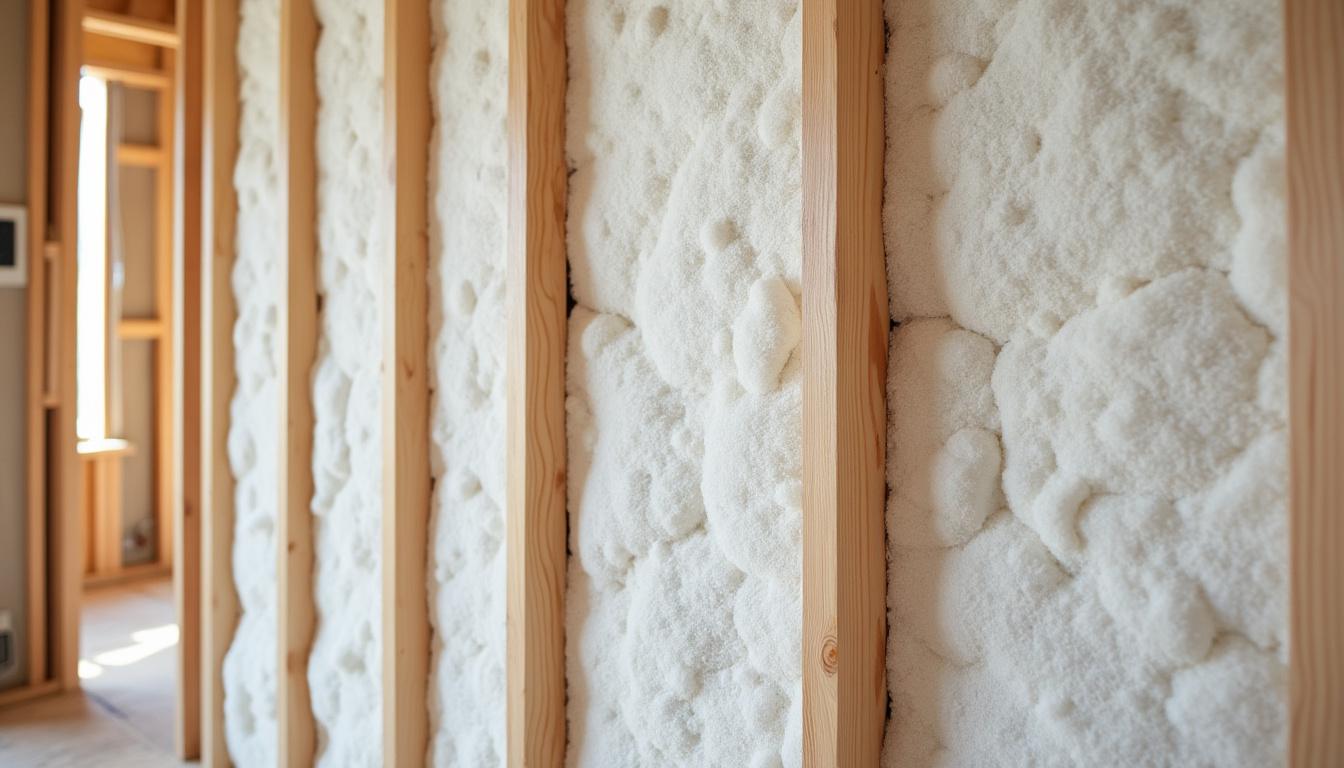
Materials Behind Batt Insulation: Choices That Impact Thermal Efficiency
Batt insulation does not hinge on a single material; instead, it spans a variety of insulation substances, each offering unique benefits, costs, and installation considerations. Recognizing the differences between these options can guide homeowners and contractors toward optimal results for particular applications.
Fiberglass Insulation: The Ubiquitous Solution
Dominating the residential insulation market, fiberglass insulation is composed of fine strands of glass woven into mats or loose fibers compressed into batts. It is commonly recognized by its pink or yellow appearance, with Owens Corning’s pink fiberglass as a hallmark product. Fiberglass batts generally have an R-value between 3.1 and 4.3 per inch of thickness. Variations in density determine whether a batt achieves R-13 (standard density for 2×4 walls) or up to R-21 in thicker sections for deeper wall cavities like 2×6 framing. The affordability and widespread availability of fiberglass make it a go-to option for many residential projects source.
Mineral Wool: Superior Fire Resistance and Soundproofing
Also known as rock wool or slag wool, mineral wool is derived from natural volcanic rocks or recycled industrial byproducts. Its thermal resistance is competitive, ranging between R-3.0 and R-4.2 per inch, with added benefits in fire resistance and acoustic dampening. Mineral wool’s density and fibrous structure make it especially suitable for soundproofing walls and ceilings, where it significantly reduces airborne sound transmission. Its mineral composition resists combustion and retains insulating value even when exposed to high temperatures, earning it preference in commercial buildings or areas with stringent fire codes. While more expensive than fiberglass, its longevity and performance often justify the premium source.
Natural Fiber Batts: Cotton and Sheep’s Wool
For environmentally conscious homeowners, cotton and sheep’s wool batt insulation provide renewable, more sustainable alternatives. Cotton batts are made from recycled denim scraps and avoid the skin irritation associated with fiberglass. They offer an R-value near 3.4 per inch and come without chemical binders or formaldehyde. Sheep’s wool insulation delivers about R-3.5 to R-3.8 per inch, with a unique ability to regulate moisture by absorbing and releasing it without compromising heat retention. However, both natural materials command higher prices and currently remain niche choices in the U.S. market.
| Insulation Material | Typical R-Value per Inch | Main Advantages | Common Applications |
|---|---|---|---|
| Fiberglass | 3.1 – 4.3 | Affordable, easy to install, widely available | Walls, attics, floors |
| Mineral Wool | 3.0 – 4.2 | Fire resistant, soundproofing, moisture resistant | Commercial walls, soundproof rooms |
| Cotton | Approx. 3.4 | Eco-friendly, no irritation, good thermal | Residential walls |
| Sheep’s Wool | 3.5 – 3.8 | Natural, moisture regulating | Premium residential insulation |
Choosing the right material depends on your building’s needs, budget, and environmental priorities. Each option offers different energy efficiency gains and soundproofing capabilities. For detailed insights on selecting batt types and installation tips, visit expert insulation guides.
How R-Values Define Batt Insulation Performance Across Building Applications
The effectiveness of batt insulation is largely measured by its R-value, quantifying its resistance to heat flow. This value varies primarily with the thickness and density of the batt as well as the material. Selecting an insulation with the right R-value for your climate and cavity size is crucial for optimizing your home’s energy efficiency.
Since batt insulation compresses when forced to fit in too shallow cavities, specifying the right thickness ensures preserving the insulation’s expected thermal resistance. For instance, squeezing a 6.25-inch thick R-19 batt into a 5.5-inch wall cavity lowers its actual performance to an effective R-17 or R-18. This compression reduces overall heat retention and wastes investment.
Typical R-Value Ranges for Common Stud Cavities
- 2×4 Walls (3.5-inch depth): Typically R-13 (standard) and R-15 (high density).
- 2×6 Walls (5.5-inch depth): Usually R-19 or R-21 batts, ensuring higher thermal resistance appropriate for colder climates.
- Attic Floors and Ceilings (Varied depth): Attics require the highest R-values, generally between R-30 and R-60 depending on climate zones—zones 6 and 7 (colder) needing up to R-60.
This variance ties into insulation recommendations by ENERGY STAR, which advocates specific minimum R-values according to the geographic climate of the property, thus helping owners reduce heating and cooling expenses year-round. In attics, layering multiple unfaced batts is a common method to achieve these higher R-values without costly specialized products.
For a detailed analysis of how R-values influence energy costs and comfort, explore energy efficiency guides on R-value importance to optimize your home insulation strategy.
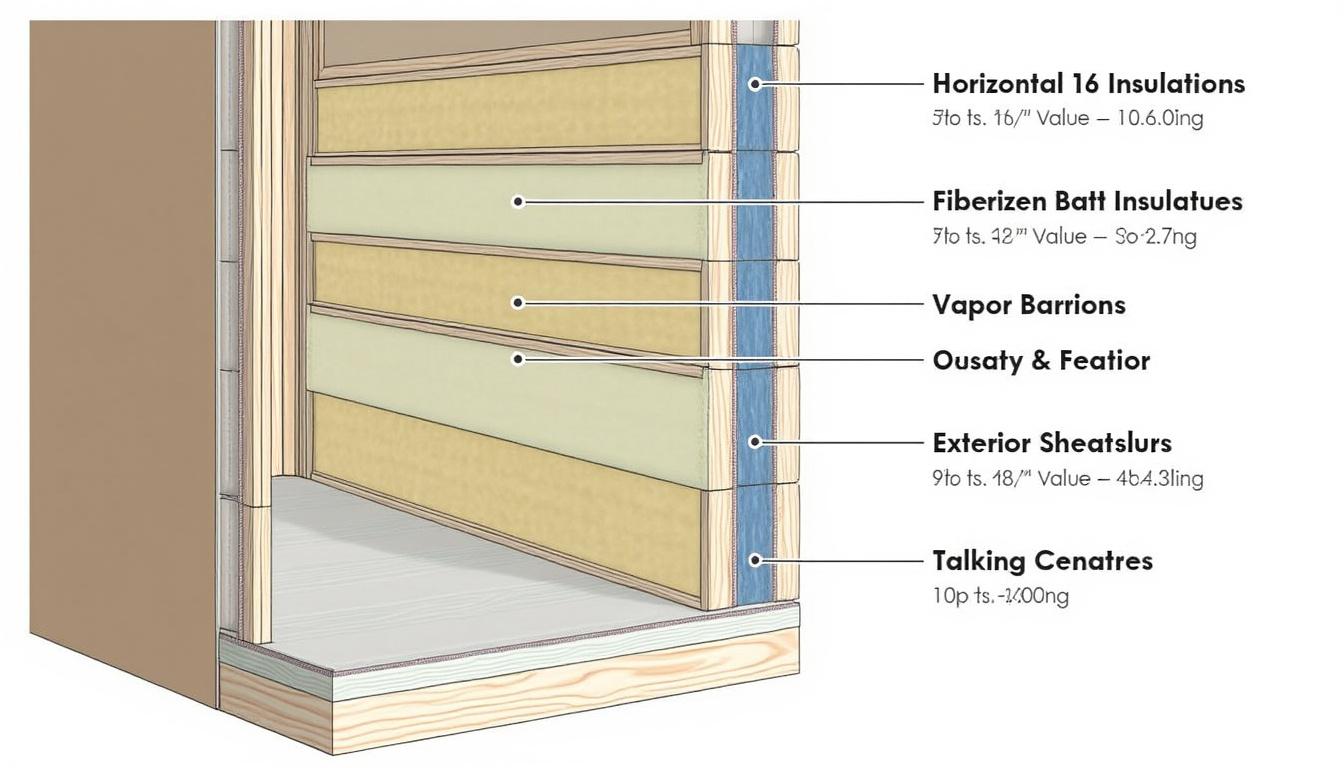
Installation Process and Best Practices for Batt Insulation
Though batt insulation boasts straightforward installation, the process requires care, precise measurements, and awareness of potential pitfalls to guarantee full performance. Many homeowners opt for DIY projects because it involves no complex equipment beyond a utility knife and staple gun (for faced batts). However, even minor errors can substantially undermine the insulation’s thermal resistance.
Steps for Proper Batt Insulation Installation
- Measure Cavities Precisely: Accurately determine wall cavity width and depth before purchasing. Standard batts fit 16- or 24-inch stud spacing but always allow for a tight friction fit.
- Cut Slightly Oversized Pieces: Cut batts about one inch wider than the cavity to ensure compression holds them firmly in place without gaps or sagging.
- Mind Obstacles: Electrical boxes, pipes, and wiring require careful notching or splitting batts to maintain insulation integrity without compressing or leaving gaps.
- Facing Orientation: For faced batts, the vapor retarder should face the interior heated space to control moisture flow, reducing mold risks. Do not install multiple vapor barriers in the same assembly.
- Avoid Compression and Gaps: Never stuff or overly compress batts; this diminishes R-value. Maintain continuous coverage, carefully fitting batts for full cavity filling.
Common installation mistakes include compressed batts, gaps around pipes, and incorrect facing setup. A thermal imaging camera post-install can reveal problematic areas not visible to the naked eye.
Comparison of Installation Methods: Batt vs Other Building Insulation
Batt insulation’s DIY-friendliness contrasts with other techniques like blown-in cellulose or spray foam. Loose-fill blown-in insulation requires specialized blowing machines but excels at filling irregular cavities and avoiding voids. Spray foam outperforms batts in R-value per inch and seals air leaks effectively but comes with higher costs and professional installation requirements. However, for standard stud cavities and straightforward retrofit projects, batt insulation remains a cost-effective and accessible choice, especially when paired with proper installation techniques.
For homeowners interested in comparing batt with spray foam, resources explaining spray foam’s advantages and price considerations provide comprehensive insights.
Benefits and Drawbacks of Batt Insulation in Modern Building Applications
Recognizing the comprehensive set of advantages and challenges of batt insulation helps in making informed insulation choices tailored to home or commercial building requirements.
Key Benefits to Consider
- Cost-Effective: Batt insulation offers the lowest price per square foot among common insulation materials, making it ideal for budget-conscious homeowners and large-scale applications.
- Simple Installation: Its pre-cut sizes and friction fit design cater to DIY installers and smaller contractors without investing in specialized equipment.
- Soundproofing: The trapped fibers significantly reduce airborne noise transmission, improving interior acoustics and privacy. Mineral wool batts excel particularly here.
- Fire Resistance: Materials like fiberglass and mineral wool do not ignite easily, supporting building safety codes.
- Durability: When kept dry and undamaged, batt insulation maintains thickness and performance over decades without settling like loose-fill products.
Limitations and Considerations
- Air Leakage: Batts do not seal gaps or cracks; air can bypass the insulation, reducing thermal efficiency unless combined with air sealing techniques.
- Installation Sensitivity: Even small gaps or improper orientation of vapor barriers can cause substantial heat loss and moisture issues.
- Not Ideal for Complex Cavities: Irregular shapes or crowded wall cavities are difficult to insulate uniformly with batts.
- Moisture Vulnerability: Wet fiberglass insulation loses effectiveness and risks mold growth; mineral wool fares better but moisture control systems remain critical.
To maximize savings, homeowners are encouraged to consult energy auditors and consider professional installation while exploring rebates and tax credits that often apply to insulation upgrades.