
Ensuring your pet’s comfort goes well beyond offering food and shelter; it deeply involves creating a controlled environment that balances ease of access with protection from harsh weather. For many pet owners, an insulated dog door represents a crucial enhancement that addresses these needs. Unlike traditional dog doors that simply provide an entryway, insulated variants are designed to deliver superior temperature control, weather protection, and improved energy efficiency. As temperatures fluctuate drastically across different climates in the United States, especially during cold winters or hot summers, keeping your pet comfortable while minimizing your home’s energy loss becomes a surprising challenge. This article delves into the importance of installing an insulated dog door, highlights benefits such as draft prevention and noise reduction, and offers insights on durability and easy access tailored for pets of all sizes.
One of the main reasons an insulated dog door is gaining popularity among American homeowners is its capacity to create a weather-tight seal that prevents harsh winds, rain, or snow from entering the home through the door opening. For pets used to going in and out frequently, maintaining indoor warmth becomes difficult without proper insulation. This installation uniquely combines the freedom pets enjoy while significantly cutting down on utility costs linked to heating and cooling losses. Moreover, beyond just physical comfort, pet owners notice a reduction in drafts and ambient noises, creating a more peaceful indoor environment.
In the following sections, we will explore the technical features that make insulated dog doors a smart investment, discuss how these doors improve pet welfare and homeowner convenience, and review the practical considerations to keep in mind when choosing or installing one. This comprehensive approach ensures that pet owners, contractors, or property investors understand the full benefits and technical specifics necessary to make an informed decision that supports both animal well-being and household energy standards.
Enhanced Temperature Control Through Advanced Insulation Technology
One of the core advantages of an insulated dog door lies in its ability to regulate the temperature exchange between the indoor and outdoor environment efficiently. Unlike conventional dog doors, which typically consist of single-pane plastic flaps or non-insulated materials, insulated dog doors incorporate multiple layers of insulated materials such as high-density foam cores and weather-resistant seals.
These design elements create a thermal barrier, significantly reducing heat transfer in the winter and blocking excessive outdoor heat during the summer. For example, in climates like the northern Midwest or New England where winter temperatures can plunge well below zero, an uninsulated dog door can act as a conduit for cold air, increasing heating costs and making it challenging to maintain indoor warmth. Conversely, in southern states where energy costs rise with air conditioning use, having an insulated dog door helps keep cooled air inside, demonstrating energy efficiency.
The importance of quality installation cannot be overstated to realize these benefits. Proper sealing systems, such as magnetic flaps combined with brush seals, help create a snug fit against drafts and prevent air leaks. Similarly, the choice of materials used for insulation affects the dog door’s overall R-value (thermal resistance). Products with a higher R-value correspond to better insulation performance, similar to what homeowners use for attic or wall insulation.
Additionally, some insulated dog doors feature double or triple flaps, which dramatically increase thermal resistance by creating an air space between flaps that acts as an insulating layer. This method mirrors how double-glazed windows operate to reduce heat loss. These innovative designs mean pet owners can ensure energy efficiency while offering their pets consistent indoor temperatures regardless of season.
To illustrate, consider a case study with a residential customer in Colorado who installed a premium insulated dog door. After installation, they reported a noticeable drop in heating bills and an extremely happy dog that no longer shivered after using the door on cold mornings. Such real-world examples underscore how these doors deliver tangible benefits beyond just pet comfort — they contribute to overall household energy savings.
Weather Protection and Draft Prevention for Year-Round Comfort
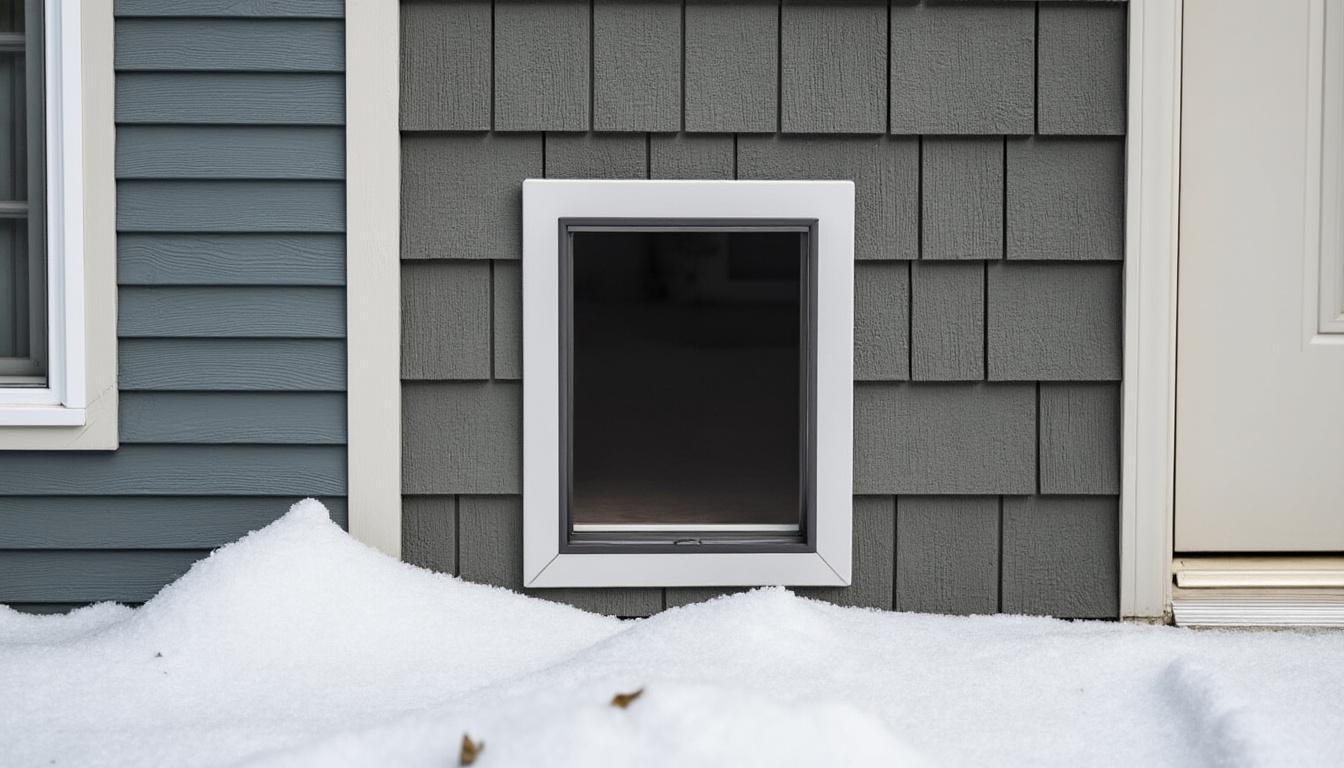
Weather can often be unforgiving for pets who wander frequently between indoors and outdoors. Insulated dog doors take on a critical role in mitigating the dangers and discomfort caused by rain, sleet, snow, and wind. Standard dog doors provide minimal resistance to weather infiltration and often lead to drafts, cold spots, and even water leaks. Insulated dog doors, however, are engineered to excel in these conditions through specialized construction and sealing mechanisms that actively prevent weather elements from invading the home.
Weather protection in insulated dog doors is primarily achieved through multi-layered construction, reinforced seals, and durable exterior materials. The materials are often rated to withstand UV exposure, heavy rain, and temperature extremes without warping or cracking. A significant benefit is the reduction in cold drafts — one of the main contributors to uncomfortable home environments and increased energy costs.
Another feature frequently incorporated into insulated dog doors is a flap locking system that can be engaged during severe weather or at night. This flexibility ensures that pet owners can control access and maintain the integrity of the home’s thermal envelope whenever necessary. In addition, some models include a vestibule or a tunnel design, adding multiple layers between inside and outside and enhancing the barrier against weather penetration.
Here is a detailed list of key weather protection benefits provided by insulated dog doors:
- Prevention of cold air drafts that can drop indoor temperatures
- Blocking of wind-driven rain and snow to keep indoor spaces dry
- Lockable flaps for security and weather sealing when needed
- Durable, weather-resistant construction ensuring longevity
- Reduced moisture infiltration that can cause mold or wood damage
For pet owners, this guide on selecting insulated dog houses further demonstrates the value of protecting pets in all weather types, reinforcing why an insulated door is a logical complementary investment. Protecting your pet from elements fosters improved health outcomes, such as less exposure to cold-related illnesses, while improving overall comfort and well-being.
Improving Pet Comfort and Easy Access with Insulated Dog Doors
Comfort for pets involves more than shielding from cold or weather; it requires ease of use combined with a safe, secure passage between the indoors and outdoors. Insulated dog doors address these requirements by blending functionality with sophisticated design elements to enhance pet comfort and easy access.
Unlike rudimentary dog door models that feature a simple flap or small opening, insulated dog doors often come with flaps designed to open effortlessly using magnetic or weighted sealing systems that pets can easily push through. This design reduces resistance that might discourage pets from using the door and ensures a quiet, smooth operation that minimizes noise outside the home environment.
Additionally, an insulated dog door’s dimensions and flap flexibility can be customized to suit various dog sizes, from small breeds to large dogs. This tailored sizing ensures that pets do not struggle going through or experience discomfort due to too-tight fittings or heavy flaps. Some types also incorporate pet-friendly sensor technology that restricts door use to specific animals, increasing security and comfort by preventing unwanted wildlife or other animals from entering.
Consider the case of a family in Texas who installed an insulated door customized for their two huskies. With a large insulated dog door, the dogs could enjoy unrestricted outdoor freedom even during extreme temperatures, while the house remained quiet and sealed from outside noise and wind. The owners found that their pets adapted quickly to the new door because it was easy to push, and the magnetic seals didn’t snap harshly, preserving an atmosphere of calm.
When balancing convenience for the pet and minimal maintenance for the owner, insulated dog doors frequently feature durable, scratch-resistant surfaces and durability to withstand pets’ claws and repeated use. The robust construction means fewer replacements or repairs over the years, which translates to long-term savings.
| Feature | Benefit | Pet Safety/Comfort Impact |
|---|---|---|
| Magnetic flap sealing | Easy opening, tight seal | Reduces noise and draft, easier passage |
| Scratch-resistant flap material | Enhanced durability | Long-lasting use without damage |
| Custom sizing options | Fits all breeds | Improves comfort and freedom |
| Locking mechanism | Controlled access | Security and climate control |
Durability and Long-Term Savings from Insulated Dog Doors
Investing in an insulated dog door goes beyond immediate pet comfort; it represents a smart financial decision for long-term home energy management and product lifespan. Durability is a crucial aspect in the context of U.S. residential standards, where fixtures must withstand varying climates, frequent use, and potential animal wear and tear.
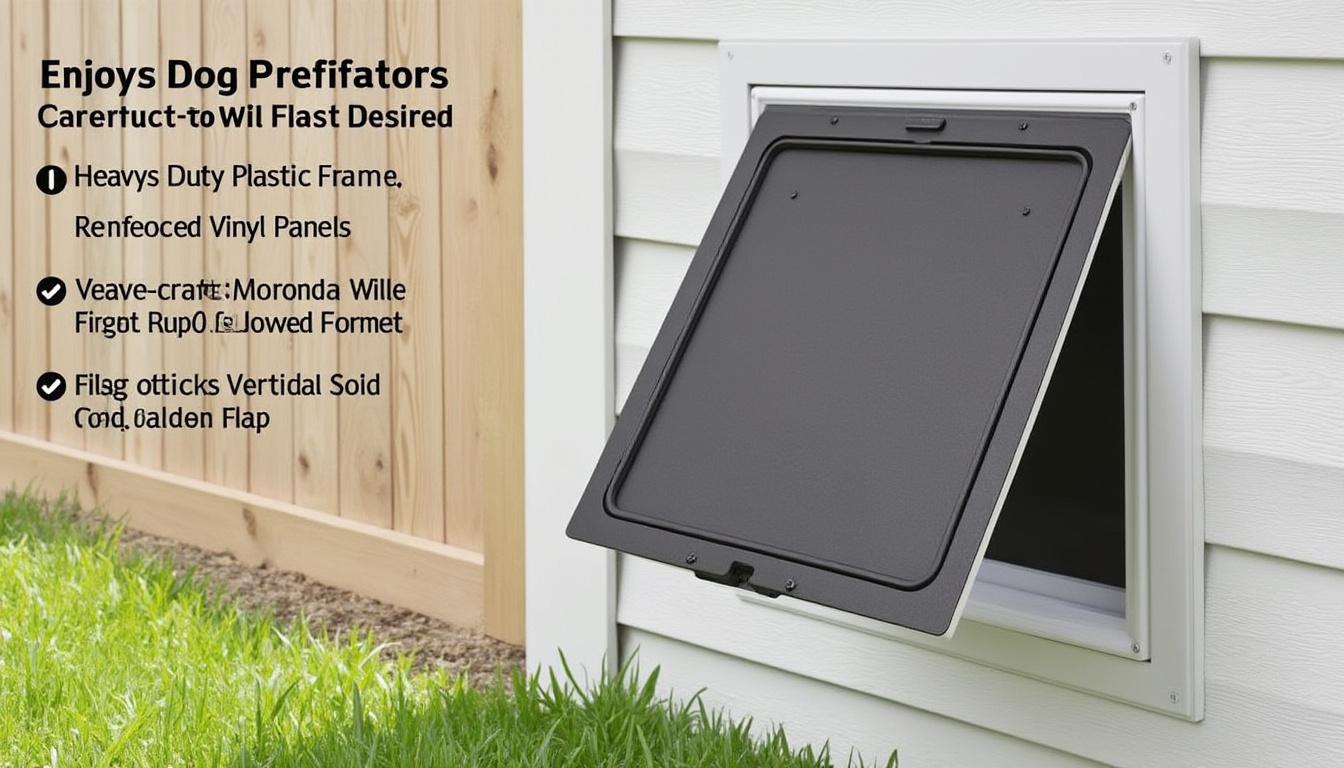
Most insulated dog door frames are constructed using high-quality, weather-resistant materials like reinforced PVC, aluminum, or composite polymers that do not warp or degrade easily. The sealing gaskets and weatherstripping components used are designed to maintain performance over years of daily usage, contributing to consistent energy efficiency and reliability. This durability reduces the need for frequent replacements which can be costly and inconvenient.
Further economic value is found in the reduction of heating and cooling expenses. When a door opening remains insulated, HVAC systems operate more effectively with less strain, translating into lower electric or fuel bills. A 2023 study by a Midwestern utility company showed households installing insulated dog doors saved an average of 8% on seasonal energy costs compared to homes without this feature. Such savings accumulate significantly over time.
Given these benefits, selecting an insulated dog door certification or tested model compliant with industry energy performance standards adds another layer of assurance. These products have undergone rigorous testing for insulation quality, sealing performance, and ease of use, which aligns with building code recommendations found across many U.S. states governing residential constructions.
Ultimately, by choosing an insulated dog door, homeowners are equipping their properties with a durable, energy-smart solution that protects both their investment and the comfort of their pets. The added convenience of easy installation and minimal maintenance solidifies this choice as a win-win for all parties involved.
How to Choose the Right Insulated Dog Door for Your Home and Pet
When considering an insulated dog door, several factors come into play beyond just insulation performance. Size, location of installation, ease of use for the specific pet, and compatibility with your home’s architectural style all affect the final decision.
Start by measuring your pet carefully to ensure the door’s opening allows easy, unrestricted passage. Oversized openings can compromise insulation and energy efficiency, while too small a door discourages use and may harm the pet. The installation location affects draft prevention; doors installed on walls versus doors may require different sealing approaches.
The material of the insulated dog door should match your regional climate. For example, thicker insulated panels may work better in colder areas, while UV-resistant surfaces are essential under strong sun exposure. Additional features like lockable flaps or electronic access control can add convenience and security, especially in more urban or wildlife-heavy zones.
Considering your budget and installation costs is important. While high-end insulated doors may come with steeper upfront costs, they often deliver superior energy efficiency and longevity that offset expenses over time. Homeowners seeking expert advice may refer to dedicated sites like this comprehensive guide on choosing the best insulated dog house, which provides insights on balancing comfort, durability, and cost.
Below is a checklist to guide your decision:
- Accurate measurement of your pet’s height and width
- Assessment of home location and climate factors
- Material and insulation R-value evaluation
- Security and locking features consideration
- Installation method and potential professional assistance
- Budget and warranty analysis
Doing thorough research and matching your dog’s needs with an appropriate insulated door helps ensure maximum pet comfort, easy access, and household energy efficiency for years to come.