
When winter arrives and the temperatures plummet, outdoor enthusiasts face the relentless challenge of staying warm, comfortable, and protected during their activities. Insulated camo bibs have emerged as an indispensable piece of gear for those who value both performance and durability in harsh winter conditions. Their design, tailored specifically for outdoor winter pursuits such as hunting, ice fishing, and snow sports, blends insulation, camouflage, and functionality to ensure that wearers are ready to confront the elements without compromise.
The significance of insulated camo bibs goes beyond mere warmth: they offer critical protection against wind, moisture, and cold that can rapidly erode a person’s stamina and concentration. Advanced materials and cutting-edge insulation technology have evolved in recent years to optimize comfort while maintaining mobility—an essential balance for hunters and outdoor workers alike. Moreover, the camouflage patterns incorporated into these bibs not only provide visual stealth but also contribute to a sense of connection with the natural environment, which is vital for successful winter hunting or wildlife observation.
Understanding the technical makeup, benefits, and practical applications of insulated camo bibs can empower outdoor enthusiasts to select gear that aligns perfectly with their needs. Whether navigating the snowy forests of the northern United States or facing wet, windy coastal conditions, the right insulated bib can mean the difference between a productive, comfortable day outside and an early retreat indoors. This article explores why insulated camo bibs have become a cornerstone for winter outdoor activities, highlighting their design features, insulation technology, camouflage effectiveness, and fit considerations that make them a reliable ally in battling extreme cold.
In brief:
- Insulated camo bibs provide superior warmth and protection against cold, wind, and moisture for outdoor winter activities.
- Advanced insulation materials such as PrimaLoft and reflective technologies help maintain body heat while allowing breathability and mobility.
- Camouflage patterns are tailored to various terrains, ensuring effective concealment for hunters and wildlife watchers.
- Durability and comfort are enhanced with waterproof shells, adjustable features, and reinforced areas resistant to abrasion and wear.
- Choosing the right bib involves considering insulation weight, fit for layering, pocket placement, and ventilation options.
- Top models like SITKA Gear Stratus, Guide Gear Steadfast, and ArcticShield Heat Echo Sherpa exemplify innovation and functional design for 2025 and beyond.
- Reliable bibs are crucial for sustained outdoor performance during harsh winter weather, underpinning successful and safe outdoor pursuits.
Technical Advantages of Insulated Camo Bibs for Cold-Weather Outdoor Activities
The foundation of why insulated camo bibs are essential lies in the intersection of insulation, waterproofing, and ergonomic design, all tailored to maximize warmth and mobility in challenging winter conditions. Insulation technologies such as PrimaLoft, Thinsulate, and Heat Echo reflect body heat efficiently while keeping weight and bulk to a minimum. For example, the ArcticShield Heat Echo Sherpa Bib utilizes reflective lining combined with Sherpa fleece to trap warmth even during extended exposure to subfreezing temperatures. This advanced insulation allows hunters to sit in tree stands or lie still for longer periods without discomfort, thereby increasing their effectiveness.
Besides warmth, waterproofing and breathability are critical factors. Water-resistant membranes such as Gore-Tex or RainBlocker technology prevent snow and rain penetration, ensuring the bib remains dry even in damp or slushy conditions. The SITKA Gear Stratus Hunting Bib employs a Gore WINDSTOPPER layer that cuts wind chill dramatically while being both silent and breathable—qualities highly valued for stealth in hunting scenarios. Meanwhile, breathable fabrics allow perspiration to escape, avoiding moisture buildup that can lead to chilling or discomfort during prolonged activity.
Ergonomic considerations have dramatically improved in recent hunting bib designs. Features like articulated knees, gusseted crotches, and adjustable suspenders give enhanced freedom of movement, reducing fatigue and facilitating quick maneuvers during an active hunt. Side-entry full-length zippers provide convenient on/off access and enable layer ventilation without fully removing the bib, a crucial feature when temperatures fluctuate throughout the day.
Moreover, durability is engineered into these bibs with reinforced panels at high-wear zones such as knees, seat, and lower legs. These materials resist tearing from brush, rocks, or other terrain hazards. For instance, the Guide Gear Steadfast camo bib integrates heavy-duty outer fabric designed to withstand rugged outdoor use while maintaining comfort—a balance sought after by hunters facing tough conditions.
Importance of Camouflage Patterns and Their Role in Winter Outdoor Activities
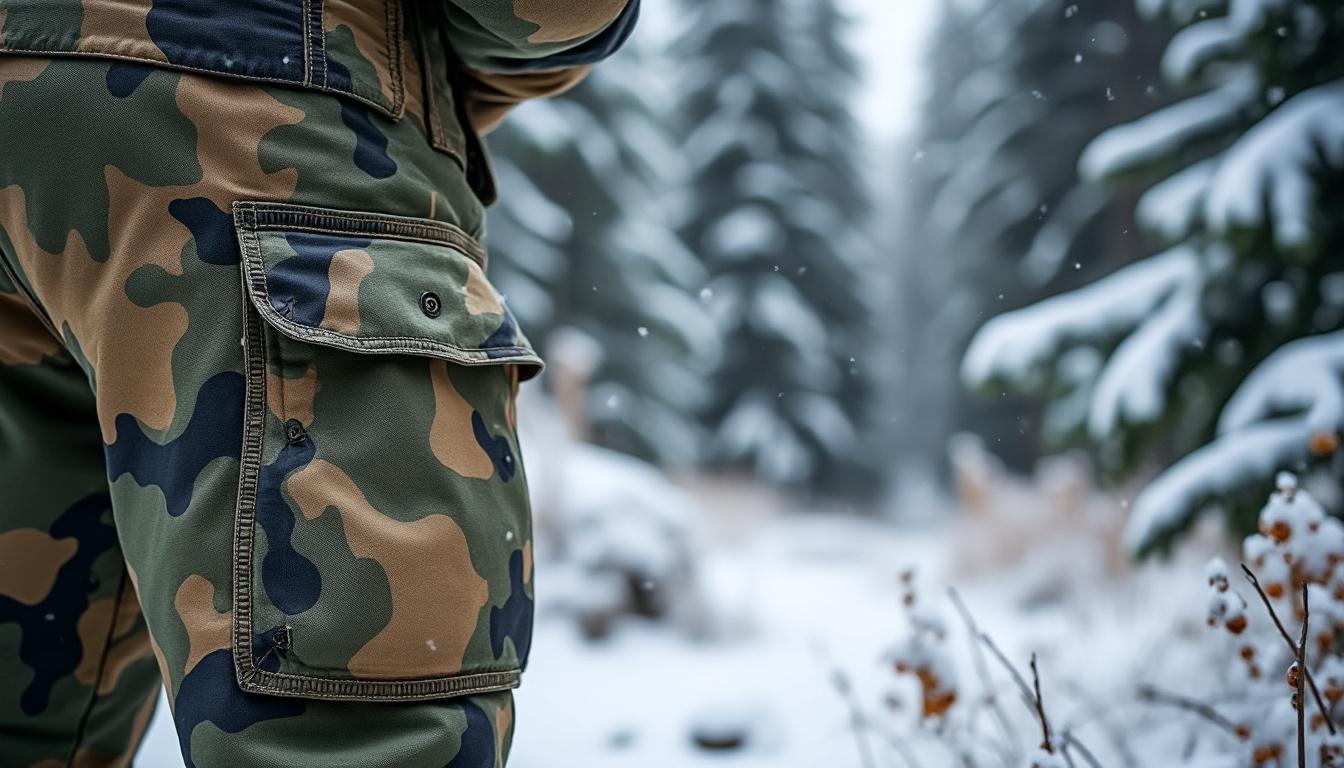
Camouflage is not merely an aesthetic feature but a crucial functional aspect that distinguishes quality hunting bibs. Effective camo patterns disrupt the wearer’s outline, blending seamlessly into winter environments such as snow-laden forests, icy wetlands, or frost-covered fields. Patterns like Realtree Edge, Wildfowler’s Waterfowl Camouflage, and ArcticShield’s proprietary designs increase concealment against various winter backdrops, vital for approaching wary game.
The choice of camo pattern often depends on the specific outdoor activity and regional environment. For example, a hunter in the Rockies might prefer snow camo bibs or those with muted browns and whites to disappear amidst frosty branches and snow patches. Meanwhile, waterfowl hunters operating in marshy, sedge-heavy wetlands would benefit from the Wildfowler camo’s 3D texture and earthy colors, offering unmatched concealment in reeds or tall grasses.
Furthermore, modern camo bibs integrate scent-control fabrics and odor-scavenging technologies to stealthily reduce the hunter’s scent profile. Technologies like X-STATIC antimicrobial treatment prevent odor buildup caused by sweat, thus aiding in maintaining invisibility not only visually but also olfactorily.
Beyond hunting, insulated camo bibs are increasingly popular among winter sports enthusiasts such as snowmobilers, skiers, and ice fishermen who value the blend of warmth and camouflage for safety and style. The functional utility of camo, paired with insulation and water resistance, makes these bibs multi-purpose winter gear indispensable for anyone venturing into the outdoors during cold weather.
Practical Considerations When Selecting Insulated Camo Bibs for Outdoor Activities
The decision to invest in insulated camo bibs requires careful assessment of key factors to tailor the purchase to specific needs and environmental conditions. One primary consideration is insulation weight, which directly influences warmth and bulk. Heated bibs, such as the Legendary Whitetails HuntGuard Reflextec, offer robust insulation with water-resistant, breathable lining but can add extra weight, making them more suitable for stationary or short-distance hunts rather than long treks.
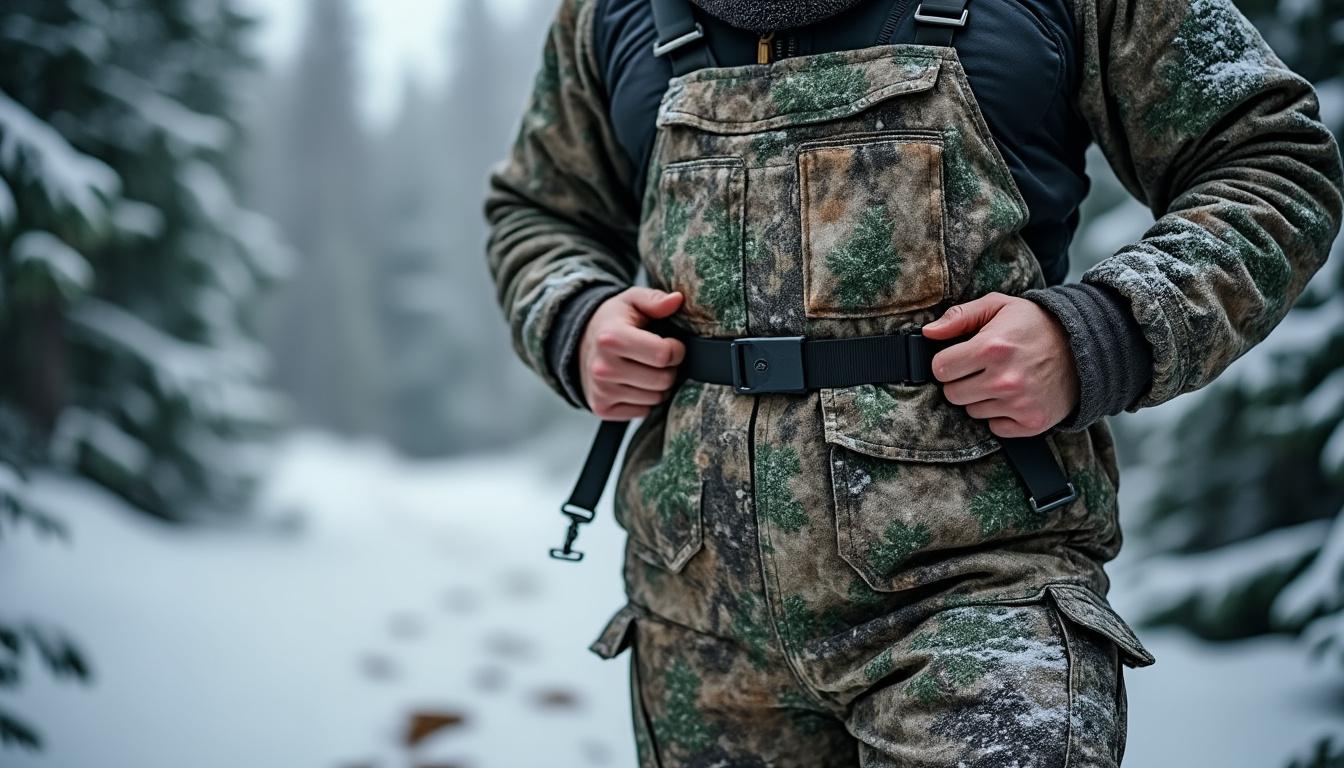
Fit and sizing deserve special attention. Bibs must accommodate base layers without restricting movement. Adjustable suspenders and waistbands provide personalized fits that secure warmth by preventing drafts. For instance, the SITKA Gear Incinerator system’s ergonomic tailoring allows layering without feeling constricted, vital for prolonged outdoor exposure.
Functionality is enhanced with well-placed pockets and secure closures. Quiet snap pockets, cargo storage, and handwarmer compartments keep essentials close at hand without generating noise that scares game. Side zippers offer quick ventilation or access to layers underneath. Ventilation options are often overlooked but critical, as overheating can induce sweating and dampen insulating properties, ultimately reducing comfort.
Waterproof capabilities vary, so hunters and outdoor workers should choose a waterproof rating aligned with their typical conditions. Frogg Toggs Men’s Classic Pro Advantage bib, for instance, excels in foul weather and wet conditions but may lack optimal insulation for extremely cold hunts. Conversely, Wildfowler Waterproof Insulated Bibs strike a balance between impermeability and thermal insulation, designed to withstand temperatures down to -20°F.
Maintenance is another practical consideration. Durable fabrics often call for specialized cleaning, and users must avoid damaging waterproof membranes or insulation layers. Following manufacturer guidelines preserves bib longevity and performance over multiple winters.
Top Insulated Camo Bibs for 2025: Features, Pros, and Cons Comparison
| Model | Insulation | Waterproofing | Camouflage | Notable Features | Pros | Cons |
|---|---|---|---|---|---|---|
| SITKA Gear Stratus | GORE WINDSTOPPER | Durable Water Repellent (DWR) | Multiterrain camo | Side zips, silent pockets, breathable | Windproof, silent, adjustable suspenders | Tight fit for large builds, expensive |
| Guide Gear Steadfast | 150g insulation | Waterproof and breathable | Standard camo | X-STATIC antimicrobial odor control | Good warmth, multiple pockets, value pricing | Heavy for long treks |
| ArcticShield Heat Echo Sherpa | Reflective Heat Echo technology | Weatherproof shell | Realtree Edge | Sherpa fleece lining, adjustable fit | Keeps heat efficiently, lightweight | Limited color options |
| Legendary Whitetails HuntGuard Reflextec | Reflextec lining, high insulation | Waterproof | Woodland camo | Robust seams, heavy-duty zippers | Durable, warm, adjustable | Removable liner noisy |
| Frogg Toggs Classic Pro | Light insulation | Fully waterproof | Neutral camo | Sealed seams, breathable fabric | Excellent rain protection, affordable | Not for extreme cold |
For those seeking expert insights on purchasing the perfect insulated bib, Natural Gear offers an excellent range of products complemented by detailed specifications suited for varying winter outdoor conditions. Meanwhile, to explore other top-rated selections and hunting bib reviews, World Deer’s winter hunting bib guide provides invaluable comparisons and user feedback.
Maximizing Comfort and Efficiency with Insulated Camo Bibs During Outdoor Winter Activities
Effective use of insulated camo bibs requires more than just selection; how they are integrated with other gear and layering profoundly impacts performance. Pairing bibs with moisture-wicking base layers ensures sweat is pulled away from the skin, preventing chills during activity pauses. Layering fleece or synthetic mid-layers balances retained warmth with breathability, optimizing comfort during dynamic or sedentary phases.
Regular adjustment of ventilation zippers and side openings allows hunters to maintain an ideal microclimate inside the bib, preventing excessive sweat buildup and ensuring sustained warmth. For example, the SITKA Gear Incinerator Hunting Bib includes side zippers precisely for this purpose, making it highly adaptive to changing weather or activity levels.
Proper care and maintenance extend bib lifespan and effectiveness. Cleaning according to manufacturer instructions protects waterproof membranes and preserves insulation loft. Storing bibs properly during off-seasons prevents fabric damage and keeps them ready for the next winter adventure.
In addition, investing in bibs with antimicrobial and scent-control technologies can enhance outdoor success by minimizing odor detection by wildlife—a key advantage in hunting where scent management often plays a decisive role. Overall, insulated camo bibs are a smart investment for anyone regularly facing the demands of cold-weather outdoor activities.