
As temperatures plunge and icy winds sweep across outdoor spaces, pet owners confront an enduring question: can dog houses truly maintain a warm and cozy sanctuary for our furry companions? Beyond being mere shelters, insulated dog houses represent a critical line of defense against harsh weather, ensuring pet comfort through effective temperature control and thermal protection. In regions facing chilling winters or unpredictable climates, opting for a dog house designed with weatherproof and energy efficient insulation isn’t just a luxury—it’s an essential investment in your dog’s health and well-being.
This article explores the science and design behind insulation in dog houses, detailing how different materials and construction techniques create a haven that blocks cold, retains warmth, and stands resilient through the seasons. We’ll unpack practical features you should look for, including raised floors and reflective surfaces, while delving into the specific needs of varying dog breeds. Whether you’re a concerned homeowner, a professional dog breeder, or a contractor specializing in pet enclosures, understanding these elements empowers you to provide an ideal shelter that keeps dogs cozy during even the coldest nights.
Key highlights to consider:
- The role of insulation materials like foam board, fiberglass, and reflective layers in maintaining warmth.
- Design features that minimize heat loss: raised floors, tight-fitting doors, and compact interiors.
- How dog size, breed, and climate impact the effectiveness of insulated dog houses.
- Practical tips for enhancing warmth with bedding, location placement, and supplemental heat sources.
- Choosing between building a custom insulated dog house or purchasing expertly designed models.
Insulation Materials That Make Dog Houses Warm and Cozy
The core of any insulated dog house lies in the materials used to slow heat loss and provide thermal protection. These materials serve as barriers to cold air infiltration and help trap your dog’s natural body heat, transforming a simple dog house into a comfortable retreat. In 2026, advances in insulation materials designed for durability and moisture resistance have expanded the options available to pet owners and manufacturers alike.
Common Insulation Types and Their Benefits
One popular choice in the United States is foam board insulation, typically polystyrene or polyurethane panels. This material offers a high R-value (thermal resistance) with minimal thickness, making it ideal for dog houses where space is limited. Additionally, foam boards resist moisture, preventing dampness that can reduce insulation effectiveness and contribute to bacterial growth. Panels are usually installed between the outer shell and inner lining to create an airtight enclosure that retains warmth efficiently.
Fiberglass insulation remains a widely used, cost-effective option. It traps air within a mesh of fine fibers that resist heat transfer. However, it must be fully enclosed to protect pets from contact with loose fibers, which can irritate skin and lungs. When installed carefully, fiberglass insulation offers reliable warmth and is compatible with many dog house designs.
The integration of reflective insulation—often a foil layer combined with air bubbles or foam—has grown in popularity for its ability to bounce radiant heat back inside the shelter, supplementing other insulation types. This is particularly effective during cold nights, where radiant heat loss can be significant. For warmer climates, reflective barriers also help keep interiors cool by reflecting external heat away.
Some dog owners prefer natural insulation materials like straw or cedar shavings within the bedding area. These biodegradable options provide added cushioning and moderate insulation but require regular maintenance to remain clean and mold-free. Their use complements structural insulation and can increase overall energy efficiency in the dog house environment.
- Foam board: High R-value, moisture-resistant, space-saving.
- Fiberglass: Economical, effective heat barrier but requires enclosure.
- Reflective layers: Reflect radiant heat, enhance thermal retention.
- Natural materials: Straw or cedar shavings for bedding insulation.
For pet owners interested in a deeper dive into the science of insulation, understanding the importance of insulated dog houses in extreme weather provides valuable insights.
Structural Design Features That Enhance Temperature Control in Dog Houses
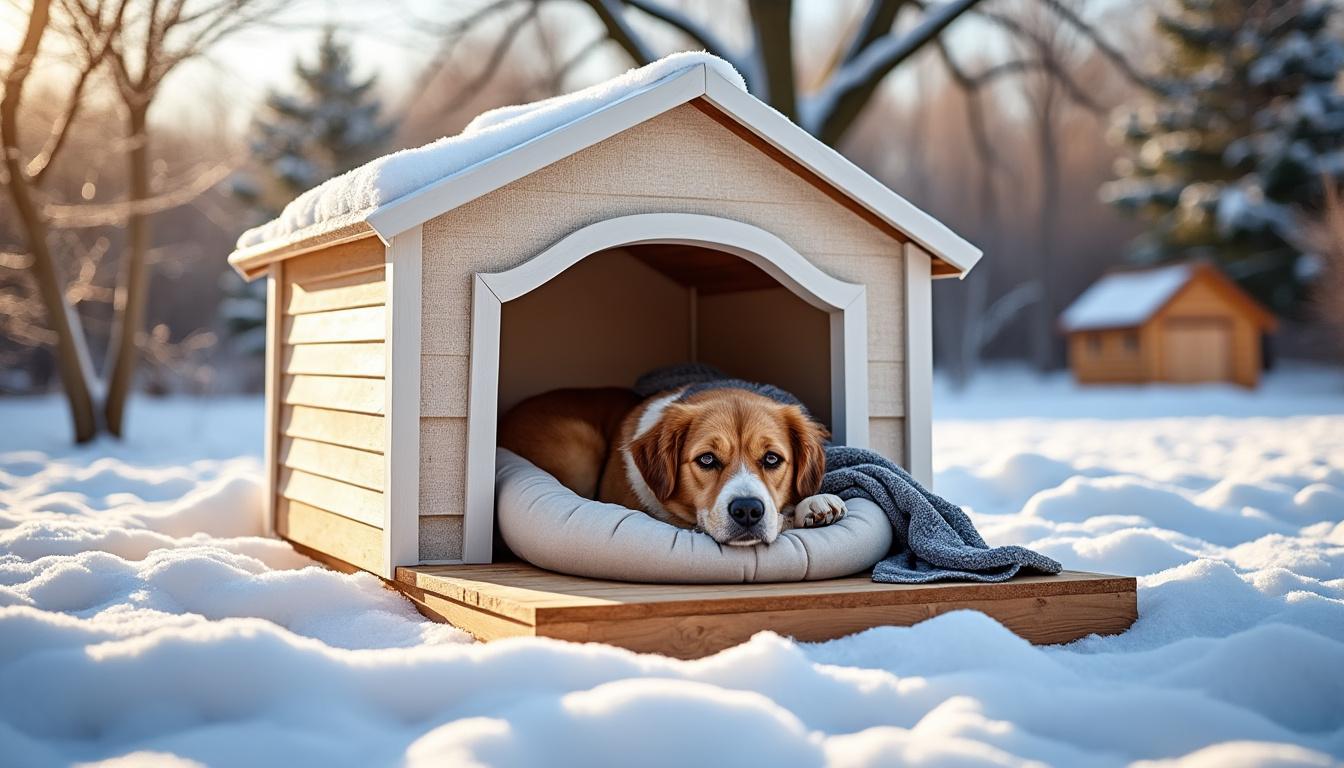
Beyond choosing the right insulation, the architecture of the dog house plays a decisive role in temperature control and comfort. Building a structure that effectively mitigates heat loss requires attention to several important design elements tailored to resist cold and moisture infiltration.
Raised Floors and Moisture Barriers
Elevating the dog house a few inches off the ground is a critical design feature that prevents cold and dampness from seeping through the floor. Ground contact can quickly rob a shelter of warmth, allowing moisture to accumulate and causing discomfort. A raised floor combined with moisture-resistant materials, such as pressure-treated plywood, keeps the floor dry and reinforces cold resistance.
Compact Interiors Matched to Your Dog’s Size
A dog house that is too large loses heat easily as the dog’s body warms only part of the interior. Designing a cozy, snug space ensures that the dog’s natural body heat circulates efficiently, reducing the need for additional heating. However, the space should allow for comfortable movement without feeling confined, striking a balance between warmth and mobility.
Windproof Entryways
Entrances are vulnerable points where cold air can rush in. Installing a door flap made from vinyl or rubber helps shield against drafts while allowing easy access. Additionally, situating the door away from prevailing winds and placing a windbreak—such as fencing or shrubbery—nearby can substantially decrease wind chill effects.
Double Walls and Insulated Roofs
Adding an extra layer of walls with an insulation air gap improves the overall energy efficiency of the dog house by trapping air that acts as an additional barrier to temperature fluctuations. Similarly, roofs designed with insulation and waterproof materials protect the shelter from precipitation and prevent heat loss from above.
| Heat Loss Mechanism | Mitigation Strategy | Recommended Materials or Features |
|---|---|---|
| Conduction | Insulate walls, floor, and roof | Foam board insulation, double walls, raised floors |
| Convection | Seal gaps, use doors or flaps | Weather stripping, vinyl flaps, windbreaks |
| Radiation | Reflect radiant heat back inside | Reflective foil insulation, interior reflective panels |
| Moisture Intrusion | Elevate floor, sloped waterproof roof | Raised base, sloped roof with waterproof covering |
These common design elements can significantly improve how well an insulated dog house retains warmth. Integrating features like those found in the best large insulated dog houses emphasizes the importance of tailored construction for optimal pet comfort.
Practical Tips to Increase Warmth and Cozy Comfort for Your Dog
Even with well-insulated materials and smart designs, additional strategies enhance the overall warmth inside your dog’s shelter. These approaches offer affordable and straightforward ways to maximize energy efficiency and retain body heat.
Choose Appropriate Bedding
Adding layers of thermal bedding such as straw, cedar shavings, or specialized insulated pads creates a buffer between the cold floor and your dog’s body. Bedding material should always be dry, clean, and regularly replaced to maintain hygiene and effectiveness. Thermal mats with safe heating elements are also gaining popularity in colder regions, providing consistent warmth without exposing pets to electric hazards.
Optimal Location Placement
Placing the dog house in a sheltered spot, such as against a wall or under a porch overhang, protects it from direct wind and precipitation. Additionally, choosing a location that receives some early morning sun helps warm the shelter naturally.
Utilize Supplemental Heat Sources When Needed
In extreme weather, safe pet-specific heating pads or low-voltage lamps can supplement insulation, but they require careful supervision and adherence to safety guidelines to prevent burns or electrical mishaps. This is especially important for smaller or short-haired breeds that struggle with cold tolerance (see more on pet comfort).
Keep the Dog House Clean and Ventilated
Regularly cleaning the shelter and ensuring proper ventilation helps prevent moisture buildup, which can cause mold and lower the effectiveness of insulation. Ventilation vents or small openings that avoid drafts while maintaining airflow allow your dog to breathe comfortable air while staying warm.
- Use dry straw or cedar shavings for warmth and comfort.
- Place the dog house away from prevailing winds and water puddles.
- Check and seal any gaps to prevent cold drafts.
- Consider pet-safe heating pads for extreme cold scenarios.
- Maintain cleanliness and dry bedding to avoid moisture buildup.
Considering Breed Size, Climate, and Building Your Dog’s Perfect Shelter
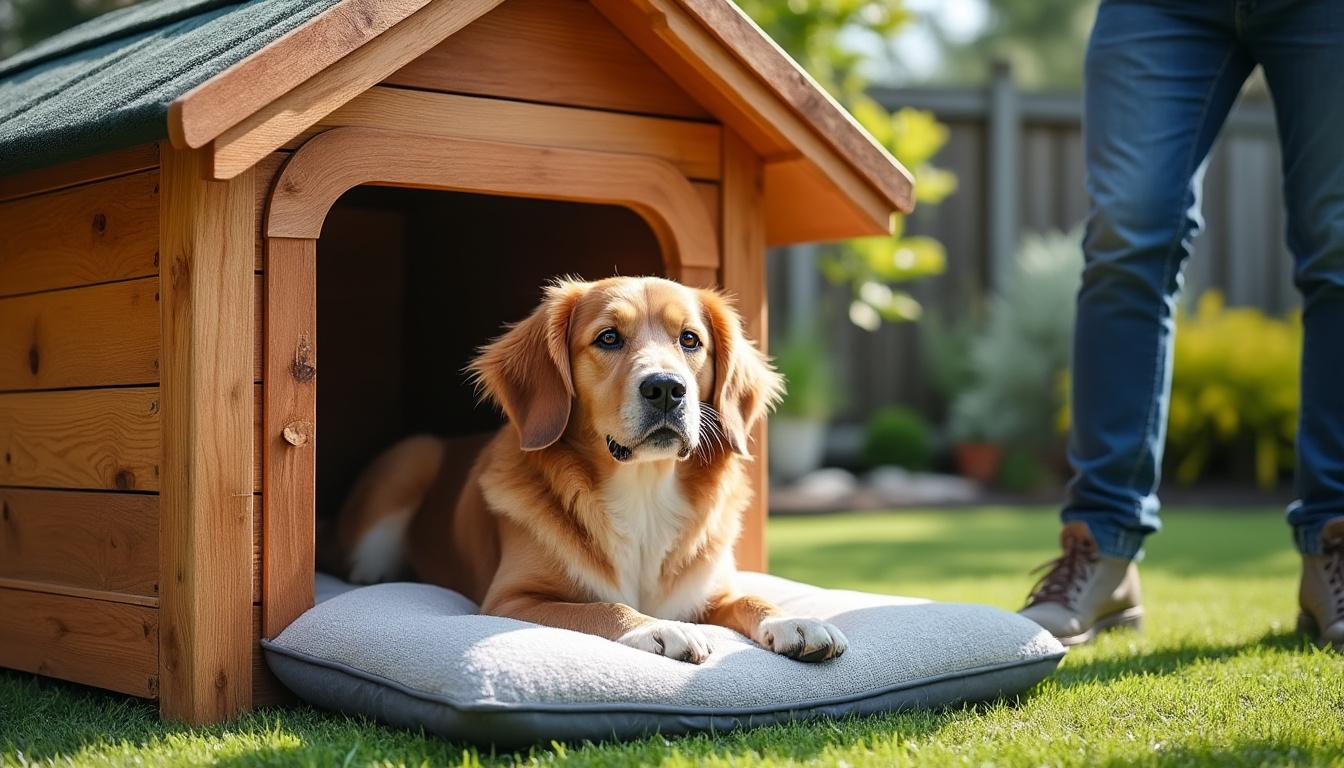
Dogs vary widely in their cold resistance, which means that no one-size-fits-all solution exists for insulated dog houses. Tailoring the shelter to your animal’s breed, size, and environmental conditions ensures maximum protection and happiness.
The Role of Breed and Size in Insulation Needs
Small breeds like Chihuahuas and Yorkshire Terriers have a low tolerance for cold due to their smaller body mass and often thinner coats. For these dogs, a meticulously insulated, compact dog house with supplemental heating is essential. Medium breeds may tolerate moderately cold conditions with a well-insulated house and warm bedding. Larger, cold-hardy breeds such as Huskies or Malamutes, bred to endure harsh climates, usually require less intensive insulation, but still benefit from protection against dampness and wind.
Building vs. Buying an Insulated Dog House
Some owners enjoy crafting custom dog houses tailored exactly to their dog’s size and lifestyle, using high-quality materials and precise construction techniques. Proper measurement and careful cutting of insulating materials ensure a snug, energy-efficient shelter. However, this process demands time, skill, and specialized tools.
Alternatively, there are excellent ready-to-assemble insulated dog houses on the market that provide proven designs, quality materials, and effortless installation. The Dog Kennel Collection is an example of a brand offering durable, foam-insulated shelters with raised floors and weatherproof construction ideal for year-round use.
Summary Table of Dog House Factors by Breed Size
| Dog Type | Cold Tolerance | Recommended Dog House Features |
|---|---|---|
| Small breeds (Chihuahuas, Yorkies) | Low | Highly insulated, compact, heating elements, extra bedding |
| Medium breeds (Beagles, Cocker Spaniels) | Moderate | Well-insulated with raised floors, protective doors, thermal bedding |
| Large breeds (Huskies, Malamutes) | High | Basic insulation, raised floor, wind protection, moderate bedding |
For more detailed guidance on choosing an insulated dog house that fits your pet’s needs and lifestyle, visit why an insulated dog door is essential for your pet’s comfort.