
Insulated garden sheds have become an indispensable feature in modern gardening practices, especially as plant enthusiasts seek protection for their flora against the unpredictable swings of weather throughout the year. These structures offer more than mere storage; they create a controlled environment where temperature control and humidity regulation play vital roles in enhancing plant health and facilitating year-round gardening. By investing in insulated garden sheds, gardeners transform these outbuildings into multifunctional spaces that shield plants from frost, excessive heat, and damaging moisture, ensuring optimal conditions regardless of seasonal changes.
In the evolving landscape of horticulture and backyard management, the demand for garden storage solutions that provide weather resistance and support seasonal gardening needs has surged. Insulated garden sheds not only prevent heat loss during cold spells but also mitigate overheating during summer, thereby preserving delicate seedlings and mature plants alike. Their ability to regulate internal climate while protecting against external extremes means gardeners can extend growing seasons, protect valuable gardening tools, and foster plant growth during periods typically harsh on vegetation.
Brief points:
- Temperature control in insulated garden sheds reduces risks associated with frost and heat damage.
- These sheds enable effective humidity regulation, curbing condensation and mold growth.
- Optimized structures provide year-round gardening opportunities beyond traditional growing seasons.
- High-quality insulation materials improve weather resistance and protect garden storage contents.
- Well-insulated sheds support plant health by offering safe environments during extreme weather fluctuations.
How Insulated Garden Sheds Enhance Year-Round Plant Protection
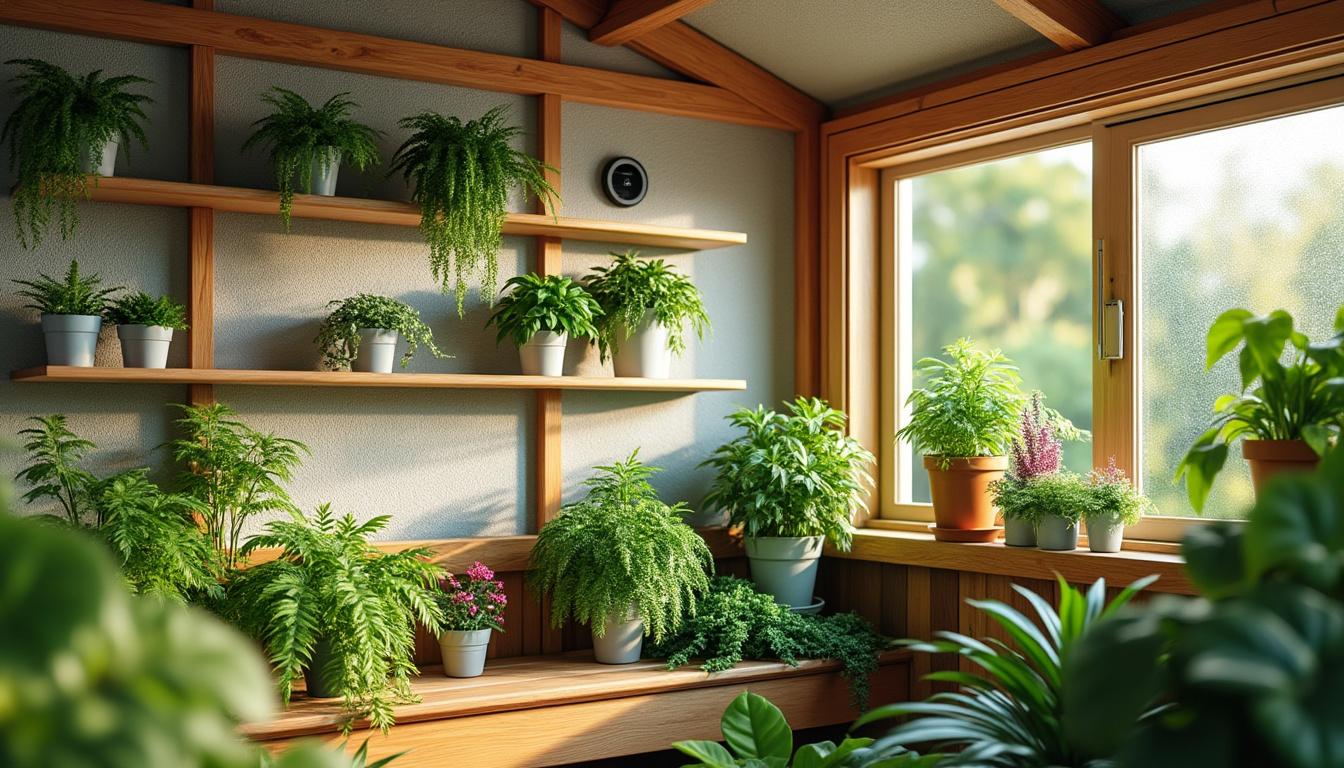
The incorporation of insulation into garden sheds is fundamental to protecting plants throughout all seasons. Without adequate temperature control, plants stored or nurtured within a typical garden shed can suffer severe damage—from frostbite in the winter to heat stress during summer months. Insulated garden sheds act as a buffer, maintaining a stable microclimate that nurtures plant health and supports growth regardless of external fluctuations.
During the colder months, frost protection becomes critical. Insulation materials slow the loss of heat accumulated within the shed during daylight hours, preventing temperatures from plummeting to levels that could harm overwintering plants or seeds. For instance, a tomato plant or sensitive potted herb can survive through winter if the ambient temperature remains relatively stable inside the structure, avoiding the common fate of freezing damage.
Furthermore, insulation significantly contributes to humidity regulation. Many plant species are sensitive not only to temperature extremes but also to excessive moisture, which can foster mold and mildew. By stabilizing moisture levels and reducing condensation buildup on shed surfaces, insulated sheds protect both plants and gardening equipment. This moisture balance decreases the risk of rot and pathogens affecting stored plants and seed stocks, thus directly enhancing plant health in the long term.
The positive effects extend beyond just temperature and humidity. Insulated sheds mitigate rapid temperature changes that cause plant stress—a key factor in ensuring sustained vitality across all plant varieties. Because these sheds act as a shield against outdoor elements, they also provide extra protection from pests and wildlife intrusion that could threaten budding plants or stored seeds during vulnerable periods.
These benefits collectively underscore the importance of choosing insulation as a central feature in modern garden shed construction. For detailed guides on how to upgrade existing garden sheds, resources such as how to insulate a garden shed provide practical steps ensuring optimal results for home gardeners while maintaining affordability and energy efficiency.
Choosing the Best Insulation Materials for Garden Storage and Plant Protection
Selecting appropriate insulation materials is a crucial decision that affects the efficiency of temperature control within insulated garden sheds. Various materials offer differing advantages, with considerations including thermal resistance, moisture management, durability, and ease of installation shaping the choice for specific gardening needs.
Foam board insulation stands out with its high R-values, typically between 3.6 and 6.5 per inch, making it an excellent option for tight spaces where maintaining heat retention is paramount. It offers robust moisture resistance, reducing risks of mold growth and decay. For gardeners focusing on seasonal gardening challenges, foam boards provide a reliable shield against cold snaps and heat waves.
Fiberglass batts are widely implemented due to their cost-effectiveness and ease of installation between stud frames. Offering R-values generally ranging from 2.9 to 3.8, fiberglass batts are effective but require additional vapor barriers to prevent moisture ingress, a critical factor for plant health maintenance. Proper installation ensures that the shed remains free from drafts that could jeopardize delicate seedlings or perennials.
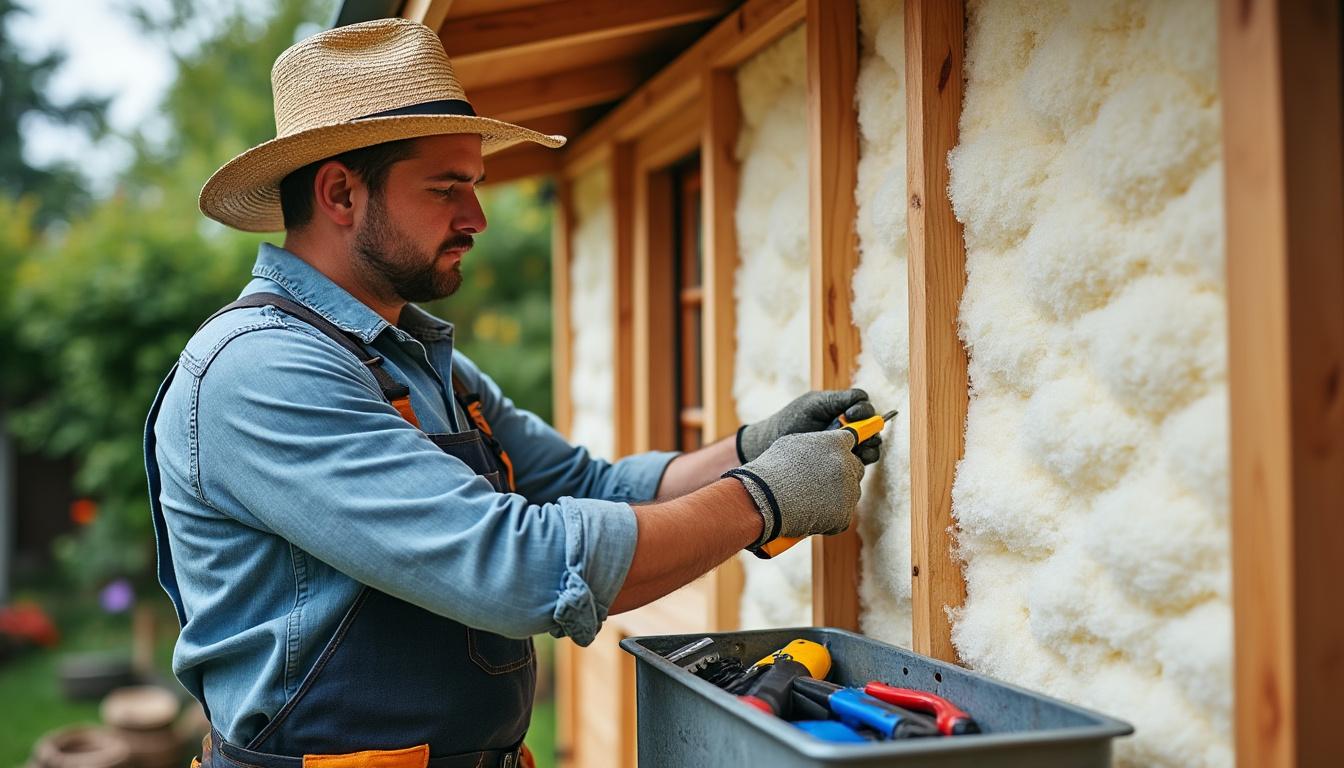
Spray foam insulation, particularly closed-cell variants, delivers superior thermal performance combined with superior air sealing qualities. With R-values approaching 6 to 7 per inch, spray foam fills cavities and irregular spaces, effectively eliminating cold spots. Despite higher upfront costs, the investment pays off by enhancing energy efficiency and reducing risks associated with humidity buildup, a necessity for year-round gardening enthusiasts.
For gardens situated in warmer climates, reflective insulation plays an important role by bouncing radiant heat away from roofing and walls. Often used in conjunction with other insulation types, reflective materials enhance cooling efficiency and reduce energy costs. This reflects broader trends toward sustainable gardening and energy-conscious design across garden sheds dedicated to plant protection.
Below is a comparative table summarizing key properties of these insulation materials to illustrate their benefits for garden shed applications:
| Insulation Type | Typical R-Value per Inch | Moisture Resistance | Installation Ease | Cost Range |
|---|---|---|---|---|
| Foam Board | 3.6 – 6.5 | High | Moderate | Medium |
| Fiberglass Batts | 2.9 – 3.8 | Low (needs vapor barrier) | Easy | Low |
| Spray Foam (Closed-cell) | 6 – 7 | High | Challenging (requires professional) | High |
| Reflective Insulation | Variable (depends on air gap) | Moderate | Moderate | Low to Medium |
Each material brings unique advantages tailored to specific garden storage conditions. For comprehensive insights into choosing insulation, experts advise evaluating climate zones and desired shed usage before selection.
Practical Steps to Prepare and Insulate Your Garden Shed for Optimal Plant Health
Proper preparation sets the foundation for effective insulation of your garden shed. Before installation, removing all garden tools, pots, and storage items is essential to access walls, floor, and ceiling cleanly. A thorough inspection follows, identifying gaps, cracks, or damaged areas in the shed’s structure that could impair insulation performance or invite moisture penetration.
Sealing all possible air leaks around doors and windows using weatherstripping or caulk is vital for preventing drafts that affect internal temperature control. In climates where ground moisture poses a risk, installing a vapor barrier beneath the floor or on walls can prevent dampness that would otherwise degrade insulation and negatively impact plant health.
The insulation installation itself targets three primary areas:
- Walls: Fit insulation snugly between studs, ensuring no gaps where cold air or moisture can infiltrate. Adding a vapor barrier here further stabilizes humidity.
- Roof: Insulating the roof uses rigid foam boards or spray foam applied between rafters to prevent heat loss and limit overheating in summer.
- Floor: Insulating the floor, especially over a slab or raised base, minimizes cold transfer from the ground and maintains consistent internal temperatures.
Beyond insulation, maintaining proper ventilation is crucial. Installing vents or small windows ensures moisture escapes and fresh air circulates, preventing mold growth and protecting both plants and shed structure.
Maintaining the shed regularly—checking seals, looking for insulation compression or damage, and clearing gutters—helps safeguard the environment within. These best practices are outlined in detailed DIY instructions available at comprehensive garden shed insulation guides.
Key Benefits of Insulated Garden Sheds for Plant Health and Seasonal Gardening Success
The installation of effective insulation within garden sheds offers a wide spectrum of advantages that translate into better plant protection and more efficient gardening. First, the consistent temperature regulation prevents plants from suffering thermal shock, an often-overlooked threat that drastically affects fragile seedlings and perennial plants alike. This stability not only safeguards plant health but encourages robust growth, allowing gardeners to experiment with a wider array of species beyond local seasonal limitations.
Insulated garden sheds foster year-round gardening, transforming these structures into viable workshops, germination zones, or relaxation spots shielded from external weather conditions. Such functionality extends the gardening calendar, empowering enthusiasts to propagate seeds early in spring or overwinter exotic species that would otherwise perish.
Humidity regulation within insulated sheds also contributes to preventing plant diseases associated with mold and mildew, common issues in poorly ventilated or uninsulated storage spaces. With the ability to maintain ideal moisture levels, these sheds reduce maintenance efforts and improve the longevity of both plants and gardening tools.
In terms of garden storage, insulated sheds protect mechanical equipment and delicate tools from rust or freezing damage, reducing replacement costs and improving readiness. By investing in a weather-resistant environment, homeowners enhance the value of their outdoor spaces and increase the usability of these areas for leisure or professional gardening tasks.
Additional ancillary benefits include noise reduction, making sheds comfortable spaces for tasks such as plant potting or woodworking, and overall energy conservation as the need for auxiliary heating or cooling is minimized. Such features bolster sustainability efforts and align with current trends favoring environmentally conscious garden designs.