
Outdoor enthusiasts and workers often face the harsh reality of cold weather, making proper clothing choices critical to comfort and safety. Among the essential gear for enduring winter’s chill, insulated pants stand out as a vital piece of cold weather gear. These garments provide indispensable thermal protection, combining warmth retention, wind resistance, and moisture wicking capabilities to keep legs dry and comfortable. Whether for recreational winter sports, cold-weather camping, or demanding outdoor occupations, selecting the right insulated pants can transform an otherwise unbearable day into an enjoyable and productive experience.
In recent years, technological advancements in insulation materials and layering strategies have markedly improved the performance and versatility of outdoor clothing. From lightweight synthetics that maintain insulation in damp conditions to high-quality down fillings prized for their warmth-to-weight ratios, the market offers a broad spectrum tailored to diverse winter activities and environments. Understanding these innovations and how they function can empower consumers to make informed choices that align with their activity levels and exposure conditions.
Key Takeaways:
- Insulated pants are fundamental for effective heat retention during winter outdoor activities.
- Selection of insulation—down, synthetic, wool, or fleece—depends on moisture exposure and activity intensity.
- Layering systems combining moisture-wicking bases, thermal mid-layers, and protective shells optimize comfort and weather insulation.
- Durability and fit are as important as insulation materials to ensure mobility and sustained thermal efficiency.
- Matching insulation to specific cold-weather activities balances warmth with breathability and prevents overheating or cold exposure.
Choosing the Right Insulation Materials for Insulated Pants to Stay Warm Outdoors
When navigating the choice of insulated pants, the type of insulation embedded within plays a defining role in the garment’s ability to deliver adequate warmth and adapt to weather conditions. The most popular insulation materials include down, synthetic fibers like PrimaLoft, wool, and fleece—each presenting unique advantages and compromises.
Down Insulation: Superior Warmth-to-Weight Ratio
Down insulation is renowned in outdoor clothing circles for its exceptional ability to trap heat while maintaining a minimal overall weight. With typical fill powers exceeding 800, down can provide remarkable warmth with insulation weights of just 60-80g/m², specifically suitable for extremely cold conditions. However, down’s thermal performance dramatically decreases when exposed to moisture—making it less ideal for wet or damp environments unless encased in waterproof shells. For static winter activities in dry, frigid weather, down-insulated pants are an excellent choice, offering elegant warmth without bulk.
Synthetic Insulation: Efficient Warmth and Weather Resilience
In contrast, synthetic insulations like PrimaLoft or G-LOFT are designed to remain thermally effective even when wet. These materials mimic the loft and warmth retention characteristics of down but add critical moisture resistance, ensuring reliable performance in snow, rain, or environments with variable humidity. While synthetic fills typically weigh more and occupy more space than down, their ability to maintain warmth and quick drying time makes them favored for active winter pursuits or wet climates. The compromise translates into durable protection against unexpected moisture without sacrificing vital heat retention.
Wool and Fleece: Natural and Affordable Alternatives
Natural fibers such as wool and fleece also feature prominently in insulated pants, emphasizing breathability and odor control. Wool insulation excels in breathability, moisture management, and density, often paired with mid-layers incorporating merino wool for enhanced warmth regulation during strenuous activities. Conversely, fleece offers cost-effective insulation with excellent moisture-wicking, though it can be bulkier and less compressible. Tactical and hiking pants increasingly incorporate these materials for their ease of care, breathability, and warmth under layered systems.
Understanding these materials and their performance profiles aids consumers and professionals alike in tailoring their cold-weather wardrobe. Selecting the optimal insulation hinges on anticipated moisture exposure, activity intensity, and personal thermal preferences experienced in different outdoor conditions. For more detail on insulation performance and layering strategies, you can refer to expert advice on thermal layering systems for winter pants.
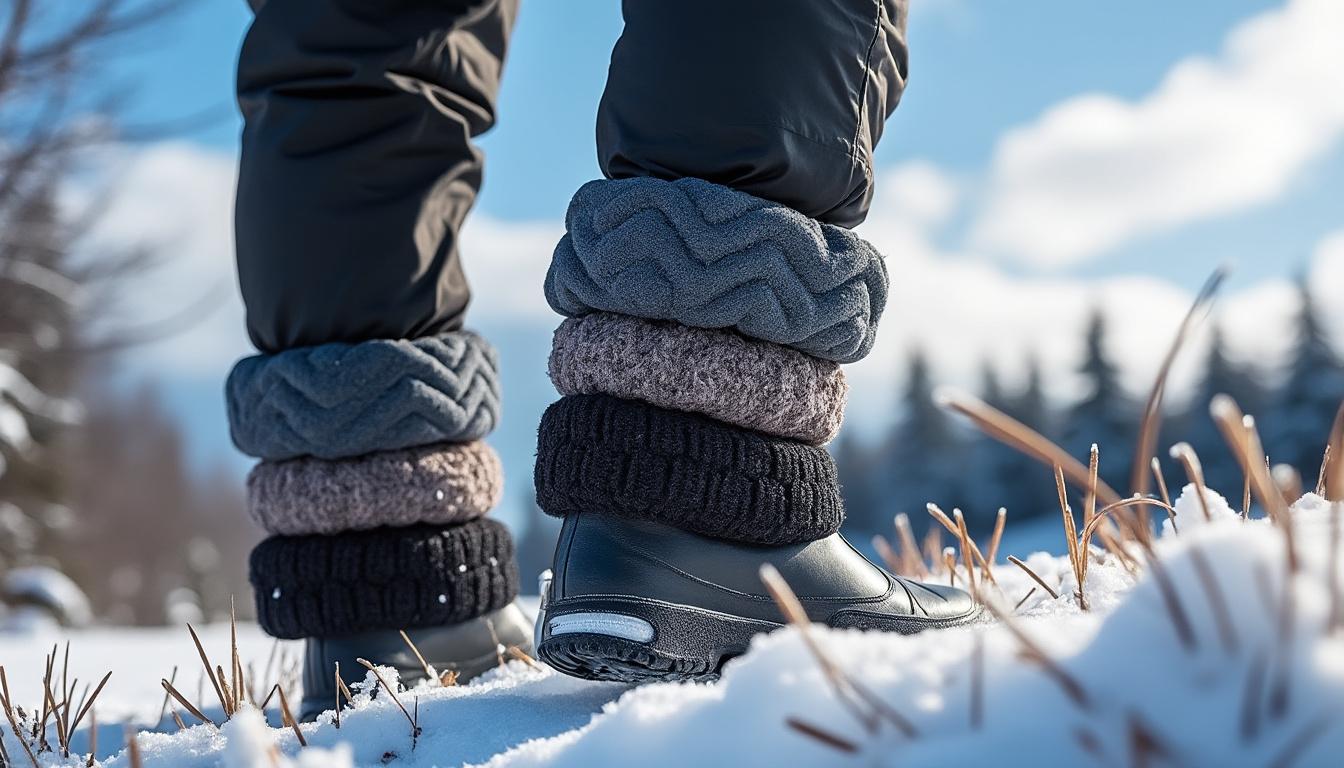
Insulated Pants Versus Shell Pants: Weighing Your Options for Outdoor Clothing
The choice between insulated pants and shell pants is key to tailoring a cold-weather wardrobe that meets your activity demands and weather conditions. Both options fit distinct use cases and require nuanced understanding for optimal winter comfort.
Advantages of Insulated Pants for Static Warmth
Insulated pants come equipped with built-in thermal protection—a significant convenience for those engaging in low-movement winter activities such as fishing, hunting, or campsite duties where maintaining consistent warmth is essential. These pants reduce the need for complex layering underneath, streamlining gear requirements for scenarios where frequent temperature adjustments are unnecessary. Their insulation maximizes heat retention and offers uniform protection against wind chill and cold ground contact.
Flexibility and Breathability with Shell Pants
Shell pants, on the other hand, serve as versatile outer layers that excel in scenarios requiring fluctuating levels of insulation. By serving as a wind- and water-resistant barrier without inherent insulation, shell pants allow users to customize their thermal protection by adjusting inner layers. This flexibility makes shells suitable for high-output winter activities like skiing, snowshoeing, or hiking where overheating and perspiration buildup are legitimate concerns. The breathability and quick drying attributes of quality shells support effective moisture management and enhance overall comfort.
Activity-Specific Recommendations and Practical Use Cases
If your winter adventures include periods of low exertion in harsh cold, insulated pants provide reliable warmth that can prevent hypothermia and frostbite. For those involved in aerobic winter sports generating significant body heat, shells combined with strategic layering reduce sweating and chills during pauses. This distinction is crucial when assembling a wardrobe suited for intensity and weather variability.
For further exploration of the pros and cons involved in this decision, an in-depth comparison can be found at insulated pants for snow expert reviews.
Mastering Layering Strategies for Optimal Warmth and Moisture Wicking in Cold Weather Gear
Mastering layering is fundamental to achieving efficient heat retention and moisture wicking when wearing insulated pants or shell systems outdoors. Layering allows dynamic adjustments aligned to activity, weather, and body temperature while preserving maximum comfort and dryness.
Base Layers: Moisture Management Foundation
The layering process begins with quality base layers constructed from synthetic fabrics or merino wool. These materials excel in drawing perspiration away from the skin, preventing wetness buildup that can sap warmth. Merino wool’s natural breathability and odor resistance make it a favored option for prolonged winter activities, while synthetic blends offer rapid drying and durability. Both variants ensure the skin remains dry—a prerequisite for effective thermal insulation above.
Mid Layers: Thermal Regulation
The mid-layer forms the thermal core and is typically a fleece or wool garment, designed to trap warm air close to the body while allowing excess moisture to escape. Selecting an appropriate weight for these layers depends on environmental conditions and exertion levels, ranging from lightweight fleece for moderate cold to heavyweight wool for extreme temperatures.
Outer Shells: Protection Against Wind and Moisture
Completing the system, outer shell pants protect against wind and precipitation to prevent convective heat loss. High-quality shells incorporate waterproof, breathable membranes alongside durable water repellent (DWR) finishes. This combination blocks snow and rain ingress while permitting sweat vapor to exit, mitigating chill risks from trapped moisture.
Dynamic Adjustment and Fit Considerations
Layering strategies require constant tailoring during extended outdoor excursions. Adding or removing layers helps balance overheating against cold exposure. Ensure insulated pants or shells provide enough room for layering without sacrificing freedom of movement. Too snug a fit compresses insulation reducing thermal efficiency, while excessive looseness can let cold air circulate and dissipate retained heat.
Explore enhanced techniques for layering winter pants on camoguys’ guide to winter pant insulation and layering for comprehensive insights.
Material Durability and Weather Resistance: Ensuring Longevity in Outdoor Clothing
In addition to warmth, durability and weather protection are paramount considerations when selecting insulated pants for outdoor conditions. Evaluating fabric types, insulation preservation, and treatments is essential for optimizing performance and lifespan.
| Material | Weather Resistance | Durability | Maintenance |
|---|---|---|---|
| Down | Poor when wet unless protected by shell | Fragile; requires careful washing | Dry clean or gentle wash recommended |
| PrimaLoft (Synthetic) | Excellent moisture resistance | High; withstands rough use | Machine washable, quick drying |
| Wool | Moderate; natural water repellency | Good; resistant to wear and tear | Hand wash or gentle wash |
| Fleece | Poor; absorbs moisture readily | Moderate; prone to pilling | Machine washable |
Outer shell fabrics for insulated pants often feature laminated constructions for abrasion resistance, reinforced seams to maintain insulation integrity, and windproof membranes paired with DWR coatings. Such elements combine to minimize heat loss, maintain loft, and preserve the pants’ protective qualities after repeated exposure to snow, slush, and rough terrain.
Manufacturers increasingly integrate quality features like YKK zippers and adjustable cuffs to enhance sealable closures that guard against crampons, ice, and snow. These advances ensure your investment withstands multiseasonal winter use without compromises in comfort or function. Detailed product reviews demonstrating material performance and durability can help you make informed choices, such as those available on Treeline Review’s insulated pants recommendations.
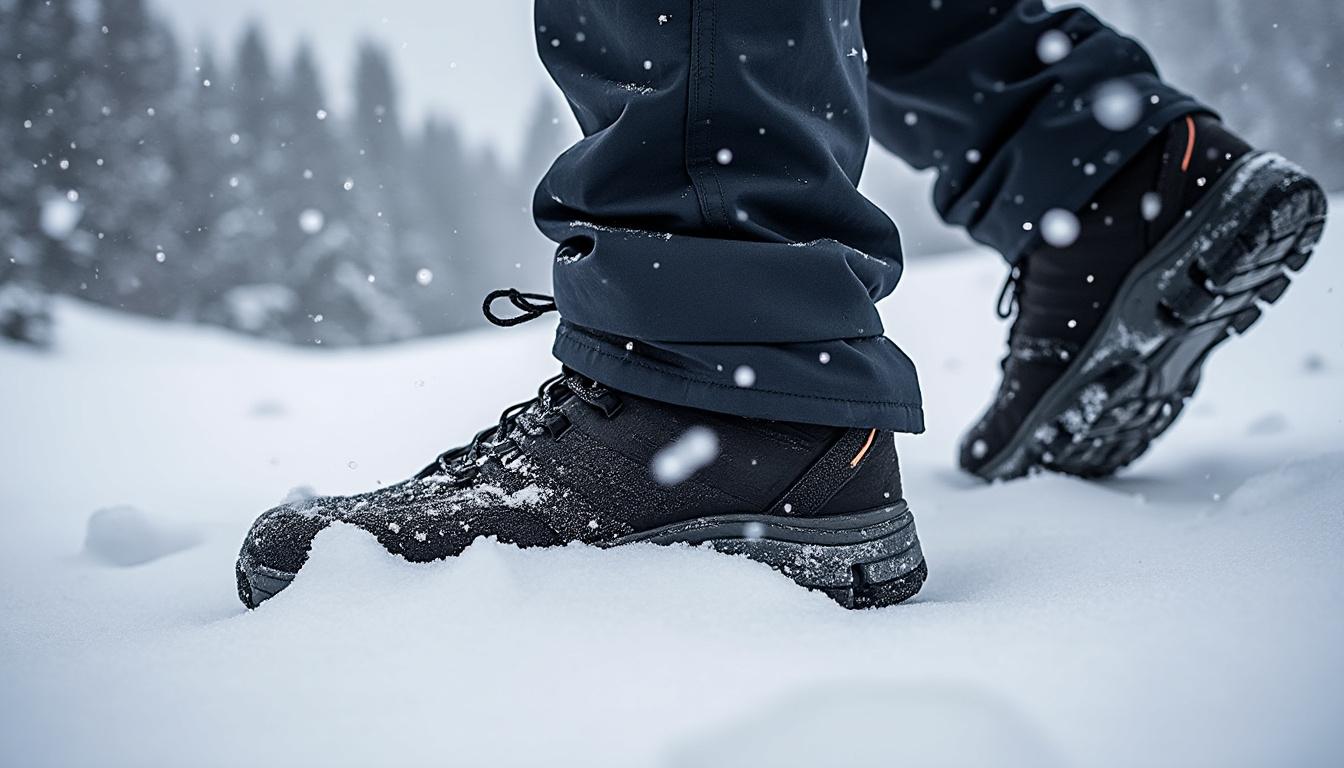
Matching Insulated Pants to Activity Level and Environmental Conditions for Effective Cold Weather Protection
Choosing the optimal insulated pants ultimately depends on understanding the relationship between your intended usage, environmental factors, and desired comfort. This balance guides insulation weight, fabric selection, and layering compatibility.
High-Intensity Activities Require Breathable, Lightweight Options
Engaging in vigorous winter sports such as downhill skiing or snowshoeing generates substantial body heat that risks overheating with heavy insulation. Lightweight shell pants with minimal insulation paired with robust base and mid-layers allow for rapid heat release and moisture management. Breathability ratings exceeding 10,000 g/m² are often recommended to prevent sweat accumulation and maintain comfort over prolonged exertion.
Low-Activity or Static Use Calls for Heavier Insulation
Conversely, activities like ice fishing, winter camping, or standing guard duty demand heavier insulation due to minimal physical heat production. Here, insulated pants with down or dense synthetic fill provide critical warmth retention, protecting extremities from frostbite and hypothermia in sustained low temperatures.
Accounting for Weather Variability
Wet or snowy conditions necessitate waterproof and breathable fabrics such as GORE-TEX or similar laminates to keep pants dry without compromising breathability. Windy environments increase heat loss through convective cooling, making windproof membranes a must-have feature. For dry, cold climates, prioritizing insulation density without waterproof layers can maximize warmth without added bulk.
Seasoned outdoorsmen often carry layering versatility as a contingency to adapt to changing conditions efficiently. Product choices such as insulated pants with integrated shells or removable liners offer multi-functionality, accommodating diverse winter scenarios. More targeted warm-pant guides adapted for various conditions are accessible at Hikematic’s insulated hiking pants guide.