
In the evolving landscape of residential construction, where sustainability and energy conservation dominate homeowners’ priorities, insulated roof panels have become a fundamental component. With escalating energy costs and increasing environmental awareness in 2026, these panels offer a practical and cost-effective insulation solution that significantly enhances home energy savings. Their advanced thermal insulation capabilities support temperature regulation year-round, allowing families to enjoy a comfortable living environment while reducing their carbon footprint. This in-depth exploration uncovers why insulated roof panels are indispensable in modern home design, highlighting their role in durable, sustainable building practices and illustrating how this technology addresses the crucial demands of energy efficiency.
Key points to keep in mind:
- Insulated roof panels serve as a superior thermal barrier, minimizing heat transfer and thus promoting heat retention in colder months and cooling in warmer seasons.
- Their rapid installation process lowers construction time and labor costs, making them a popular choice in energy-efficient roofing solutions.
- Durability and low maintenance requirements contribute to long-term cost savings and improved building longevity.
- Choosing the right panel type depends on specific climate considerations, structural needs, and energy performance goals.
- Compliance with U.S. energy codes and sustainable building guidelines ensures optimal performance and often qualifies homeowners for rebates or incentives.
- Real-world cases reveal tangible home energy savings and enhanced comfort, validating the investment in insulated roof panels.
How Insulated Roof Panels Improve Thermal Insulation and Home Energy Savings
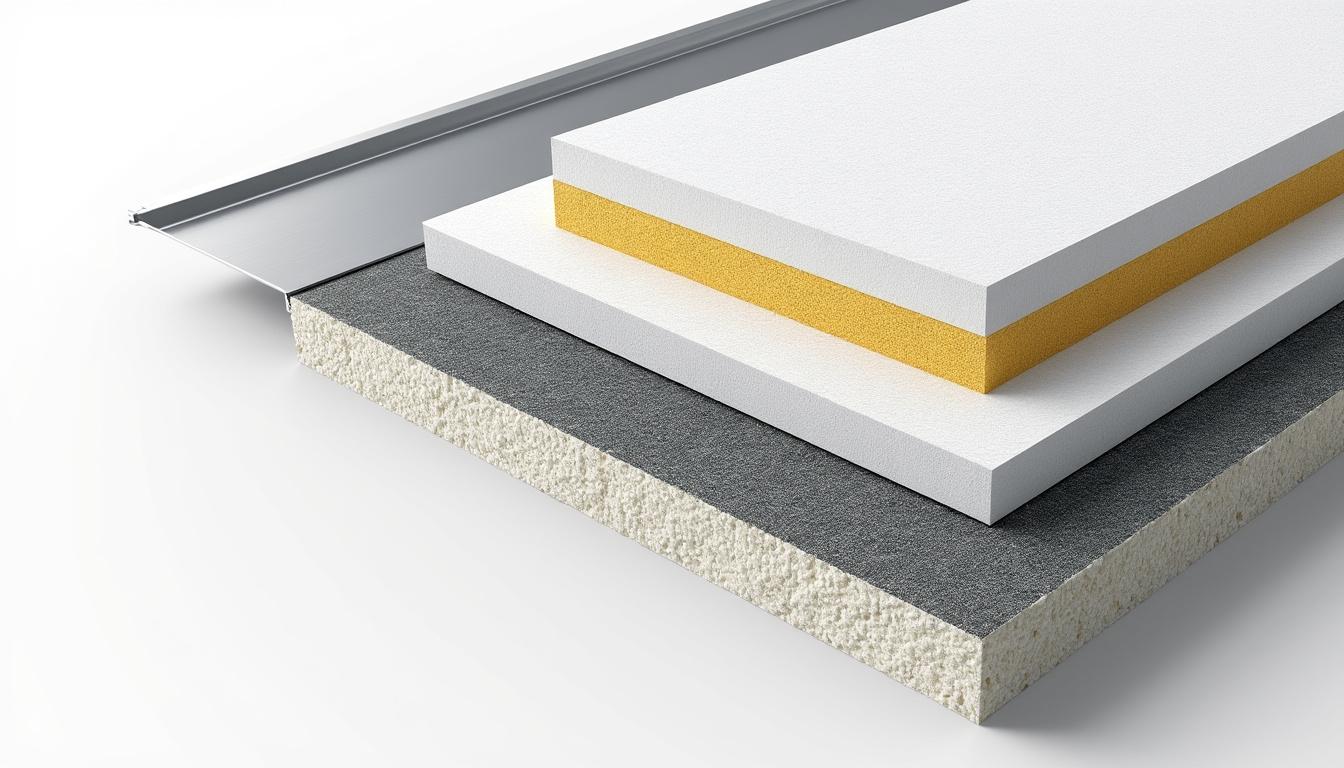
For homeowners and builders focused on reducing heating and cooling expenses, insulated roof panels deliver unparalleled thermal insulation benefits. Fundamentally, these panels feature a core of high-performance insulation materials such as polyurethane (PU), rock wool, or expanded polystyrene (EPS) sandwiched between durable steel or metal facings. This sandwich construction creates a formidable barrier against heat flow, significantly curbing energy waste.
Thermal insulation effectiveness is often represented by the R-value, measuring resistance to heat transfer. In 2026, advancements in panel technology have pushed R-values higher, sometimes exceeding 30 in premium products, greatly outperforming conventional roofing materials. With such insulation, homes can maintain heat retention during winter and reduce unwanted heat gain in summer, leading directly to meaningful energy conservation.
Take the example of a family in Minnesota upgrading their older roof with insulated roof panels incorporating Rockwool cores. Despite harsh winters, the home maintained a steady indoor temperature with the furnace running less frequently. Over one year, their heating costs dropped by nearly 25%, demonstrating the direct impact of superior insulation on home energy savings.
Additionally, insulated panels resist moisture penetration, minimizing condensation issues that could otherwise compromise insulation integrity and indoor air quality. This moisture management is vital in humid climates and contributes further to the longevity of home insulation systems.
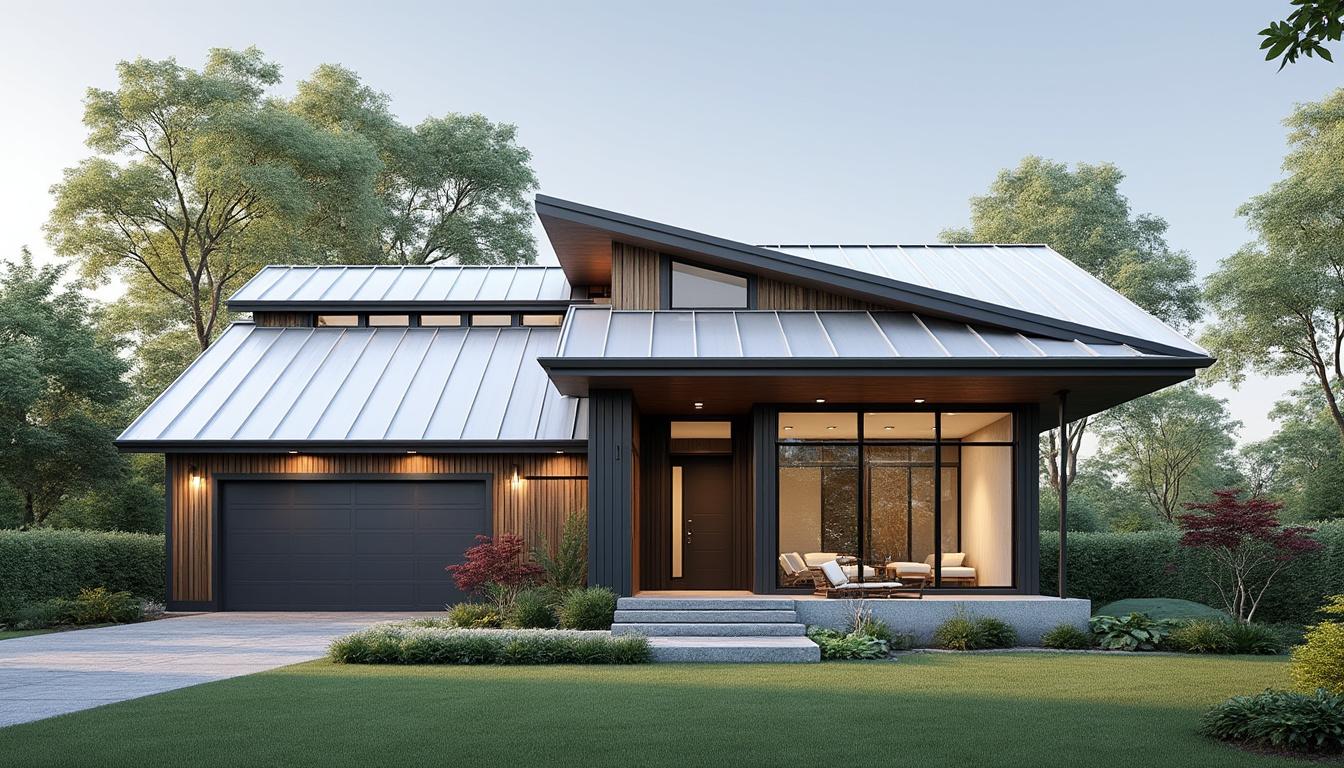
Given their versatility, insulated roof panels adapt well to various home designs—flat, pitched, or metal roofs—making them a go-to for energy-efficient upgrades. Integrating these panels within a comprehensive building envelope strategy enhances overall performance and complements other insulation efforts like wall or attic systems.
For more insights on improving home energy efficiency through roofing insulation, consult resources such as roofing insulation benefits.
Durability and Cost-Effective Insulation: Advantages of Sandwich Roof Panels
Insulated roof panels stand out not just for their thermal performance but also for their robust construction and lasting durability. The term « sandwich roof panel » refers to panels composed of a rigid insulating core between two steel sheets, combining insulation with structural strength. Products like Wiskind’s Color Spar energy-saving PU Panels or their rock wool and glass wool + PU fireproof panels illustrate the innovation originating from combining energy efficiency with resilience.
These panels boast several benefits beyond insulation, such as fire resistance and waterproof properties, critical for protecting homes against harsh weather and fire hazards. The panels’ metal facings shield the core from mechanical damage, reducing maintenance and repair costs over time.
Investment in sandwich roof panels is considered cost-effective insulation. While initial costs may exceed traditional shingles, their longevity and lower energy bills provide considerable lifecycle savings. In practice, commercial and residential clients report up to 30% savings in energy costs annually, recouping installation expenses within a few years. Moreover, the simplified and fast installation process reduces labor costs significantly.
The steel structure accessories and support systems integral to insulated panels—such as flashing sheets, drainage systems, and ventilation solutions—further enhance roofing system performance and durability. This holistic approach to roofing design aligns with sustainable building practices by reducing resources used in repairs and replacements while upgrading home comfort levels.
A practical comparison table below summarizes advantages against traditional roofing:
| Feature | Insulated Roof Panels | Traditional Roofing (Shingles/Tile) |
|---|---|---|
| Thermal Insulation (R-value) | High (20-35+) | Low to Moderate (5-8) |
| Installation Time | Fast (Prefabricated) | Longer (Multiple Layers) |
| Durability | Excellent (Resistant to Fire and Moisture) | Moderate (Prone to Weather Damage) |
| Maintenance | Low | Regular Repairs Needed |
| Cost-effectiveness over lifespan | High (Energy & Repair Savings) | Variable (Energy Loss and Repairs) |
Investors eyeing sustainable building options should consider these factors seriously, recognizing insulated panels as an upgrade that ensures longevity, safety, and excellent thermal performance. For a deeper dive into such roofing systems, see the detailed guide on insulated roof panels from industry experts.
Choosing the Right Material for Optimal Energy Conservation in Your Region
Deciding on the optimal insulation type requires balancing numerous factors, including climate, budget, and building design. Today’s market offers a broad spectrum of insulated roof panel cores—each tailored for specific performance criteria.
Polyurethane (PU) Panels
Known for its superior R-value to thickness ratio, PU foam is lightweight and delivers excellent heat retention, making it ideal for cold climates where minimizing heat loss is critical. PU panels are also valued for their moisture resistance, further enhancing durability.
Rock Wool Panels
With natural fire resistance and soundproofing capabilities, rock wool panels cater especially to areas prone to wildfires and urban noise pollution. Its non-combustible nature also appeals to builders aiming for stringent fire codes compliance.
Expanded Polystyrene (EPS) Panels
EPS offers a flexible and affordable option for moderate climates, balancing insulation needs with cost-effectiveness. It is often used in lightweight structures where ease of installation is paramount.
Local building codes in different states may influence panel choice. For example, high-value R panels are mandated in northern states to meet energy codes, while coastal regions prioritize moisture control and corrosion resistance. Consulting local code requirements helps ensure regulatory compliance and eligibility for incentives under programs like LEED or Energy Star.
Understanding these distinctions helps homeowners maximize both energy savings and comfort. An example in Florida showed that switching to insulated roof panels with a moisture barrier reduced air conditioning load by 20%, noticeably improving home energy efficiency in a hot, humid climate.
Installation Best Practices and Ensuring Long-Term Performance
Achieving the full benefits of insulated roof panels depends greatly on adherence to professional installation standards and ongoing maintenance. Precision in panel alignment and seamless joining reduces thermal bridging—points where heat can bypass insulation—and prevents water infiltration.
Hiring experienced contractors familiar with specialized insulated roof panels is critical. They employ state-of-the-art fastening systems and flashing techniques that sustain both the aesthetic and functional integrity of the roof. Proper ventilation integration is another vital consideration, as it prevents moisture buildup beneath panels, protecting insulation from degradation.
Routine inspections and cleaning, particularly of gutters and flashing, prolong the lifespan of insulated panels. These care practices safeguard against common issues such as rust or mold growth, especially in climates susceptible to heavy precipitation.
Homeowners benefit from understanding the typical lifespan of insulated roof panels, which commonly ranges from 30 to 50 years with proper upkeep. This durability represents a substantial return on investment compared to conventional roofing materials.
To explore practical installation details and maintenance tips for insulated roofs, visit authoritative construction resources like this expert guide.
Real-World Impact: Case Studies Demonstrating Energy Efficiency and Comfort Gains
Practical examples highlight the transformative power of insulated roof panels. One notable case involved a mid-century home in Oregon retrofitted with sandwich panels featuring glass wool cores. The retrofit reduced annual energy costs by 40%, cutting furnace and air conditioner runtime significantly. Homeowners reported noticeable comfort improvements, especially during seasonal transitions when temperature regulation is most challenging.
In Texas, a new semi-detached construction project chose insulated panels with PU cores, achieving energy savings that exceeded local code requirements by 15%. This efficiency not only lowered utility bills but also qualified the builder for sustainability certifications, which boosted market appeal and sale prices.
These examples underscore how insulated roof panels contribute to energy-efficient communities and support broader sustainability goals. Beyond economic returns, these panels improve quality of life by creating quieter, more stable indoor climates that are less dependent on mechanical heating and cooling.
Choosing insulated roof panels is more than an upgrade; it’s a commitment toward a sustainable home environment that benefits both occupants and the planet.