
Wrap insulation ductwork stands out as an essential upgrade for maintaining optimal HVAC functionality in both residential and commercial buildings across the United States. With energy costs consistently on the rise, improving your home’s thermal insulation is more than a comfort measure—it’s a significant cost-saving strategy. Duct insulation wrap minimizes heat loss throughout the duct network, ensuring that heated or cooled air reaches targeted spaces efficiently without wasted energy. It prevents moisture accumulation that can lead to corrosion and mold growth, common issues in humid climates or poorly ventilated attics. Moreover, proper wrap insulation enhances overall system longevity, reducing the need for frequent maintenance or premature replacements. Whether retrofitting an older system or implementing insulation in new construction, understanding the benefits and installation nuances of duct insulation wrap is critical to achieving both immediate and long-term HVAC performance gains.
Key Points at a Glance:
- Energy Efficiency: Wrap insulation controls heat transfer, reducing HVAC energy consumption and utility bills.
- Condensation Control: Vapor barriers within wraps prevent moisture buildup, combating mold and rust.
- Installation Ease: Flexible materials accommodate irregular duct shapes and retrofit projects.
- Cost Effective: Offers significant long-term savings despite upfront material and labor costs.
- Durability: Properly installed wraps can last 20+ years with consistent performance.
Duct Insulation Wrap: Understanding Thermal Insulation Benefits in HVAC Systems
In the landscape of HVAC maintenance and efficiency, duct insulation wrap plays a pivotal role. At its core, this practice involves encasing ductwork, often made from galvanized steel or flexible spirals, with insulation material that reduces undesired thermal exchange. Since heated or cooled air travels through ducts before being delivered to living spaces, any loss of temperature results in wasted energy and reduced system responsiveness, a factor particularly significant in the varied climates across the United States.
The primary advantage of wrapping ductwork is the substantial reduction in heat loss prevention. For example, uninsulated ducts running through unconditioned attics or crawlspaces can lose up to 30% of energy. By implementing wrap insulation, homeowners can preserve air temperature more effectively, ensuring that HVAC systems operate efficiently without overexertion.
Beyond energy savings, wrap insulation serves a crucial role in moisture control. A vapor barrier — frequently incorporated as a foil-faced layer — protects insulation from humid air interfaces. This feature is valuable in locations like basements or rooftops, where condensation risk is elevated. Preventing condensation not only wards off mold and mildew but also forestalls metal rust and insulation degradation, improving overall duct system longevity.
Another advantage lies in the ease of installation. Unlike rigid insulation boards, wrap insulation is flexible, accommodating irregular duct shapes, corners, and retrofit scenarios commonly found in aging buildings. This flexibility reduces labor time and the need for custom fabrication, making it a preferred choice among both DIY enthusiasts and professional contractors.
For an in-depth understanding of how wrap insulation compares with other materials and applications, readers can explore expert insights on duct insulation wrap benefits and techniques, which detail performance metrics and practical considerations relevant in 2026’s construction standards.
Choosing the Right Wrap Insulation: Comparing R-Values and Material Types
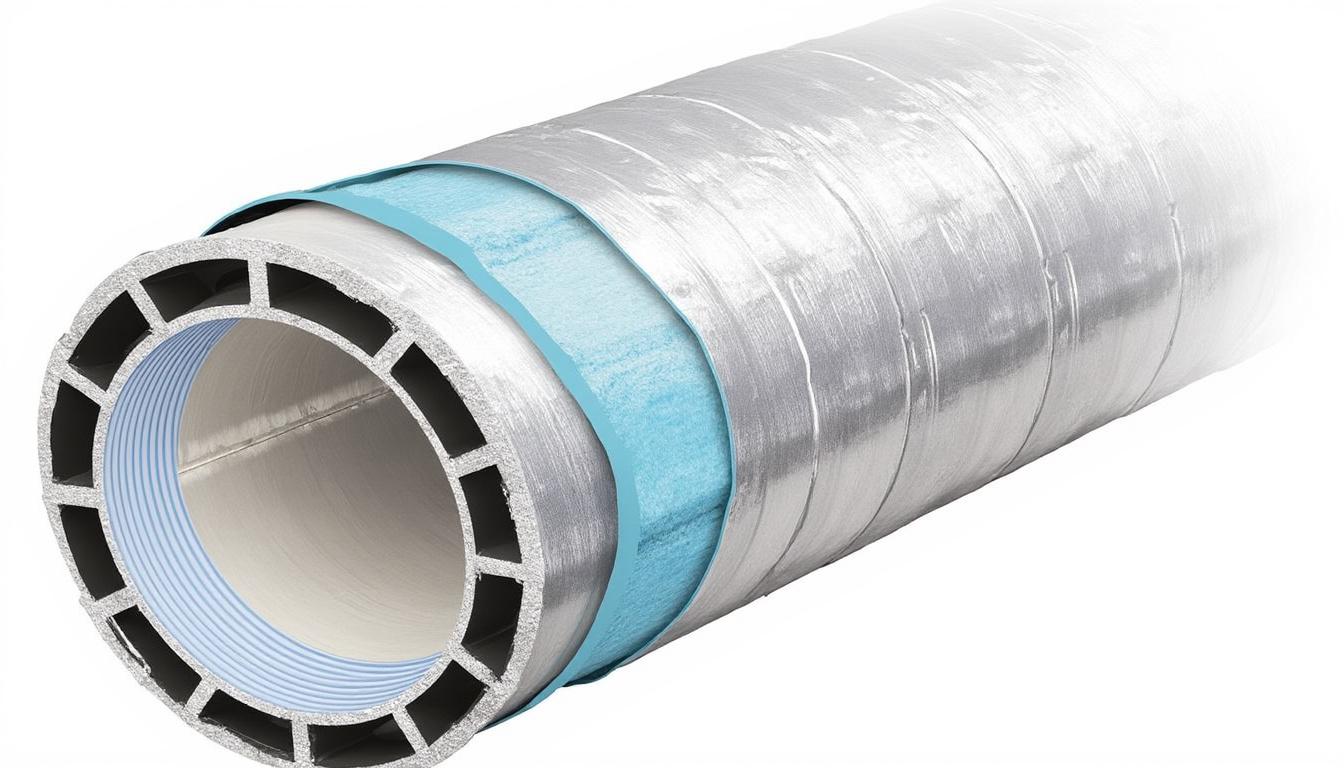
When selecting wrap insulation ductwork, one of the most critical factors is the thermal resistance or R-value. This measurement quantifies how well the insulation resists heat flow, with higher values indicating superior performance. For residential ductwork in moderate U.S. climates, an R-6 rated wrap is generally sufficient, balancing cost and energy savings.
However, colder regions or commercial settings with extended ductwork runs often benefit from R-8 insulation, which offers enhanced heat retention and energy efficiency. The difference between R-6 and R-8 can translate into significant reduction of energy waste over time, justifying the slightly higher initial investment.
Material composition is also vital. Most duct wraps consist of fiberglass insulation featuring a foil-faced vapor barrier. The foil surface serves not only as a thermal reflector but also as a moisture seal, preventing condensation within and around the duct. Alternatives like double-bubble reflective foils have emerged, providing lightweight, highly reflective barriers that can simplify installation processes while maintaining effective thermal insulation.
Each material offers unique pros and cons:
- Fiberglass Wraps: High R-value per inch, durable, but requires careful handling due to irritation potential.
- Foil-Faced Wraps: Excellent moisture barrier, suitable for exposed ducts, easier to maintain cleanliness.
- Bubble Foils: Lightweight, flexible, reflecting radiant heat; ideal for retrofit projects needing quick application.
For comprehensive analyses on material benefits and compatibility with American building codes, resources like a detailed guide on duct wrap insulation types and installation costs afford valuable reference points for contractors and homeowners alike.
Effective Installation Tips to Maximize Wrap Insulation Performance and Avoid Common Errors
Achieving optimal performance from wrap insulation ductwork hinges heavily on correct installation. Failure to properly seal seams, compress insulation, or protect vapor barriers can diminish the expected thermal benefits by up to 40%, leading to costly inefficiencies.
The standard installation workflow encompasses several important steps:
- Preparation: Clean the duct surface thoroughly to remove dust, grease, or moisture to ensure adhesion.
- Measure and Cut: Tailor the insulation lengthwise to wrap ducts with a slight overlap to guarantee coverage.
- Wrapping: Tight application around the duct, avoiding compression which lowers the R-value.
- Sealing: Use approved foil tape or vapor-barrier adhesives to completely seal seams and avoid air leaks.
- Securing: Attach mechanical fasteners or insulation pins as mandated by local codes or system application specifics.
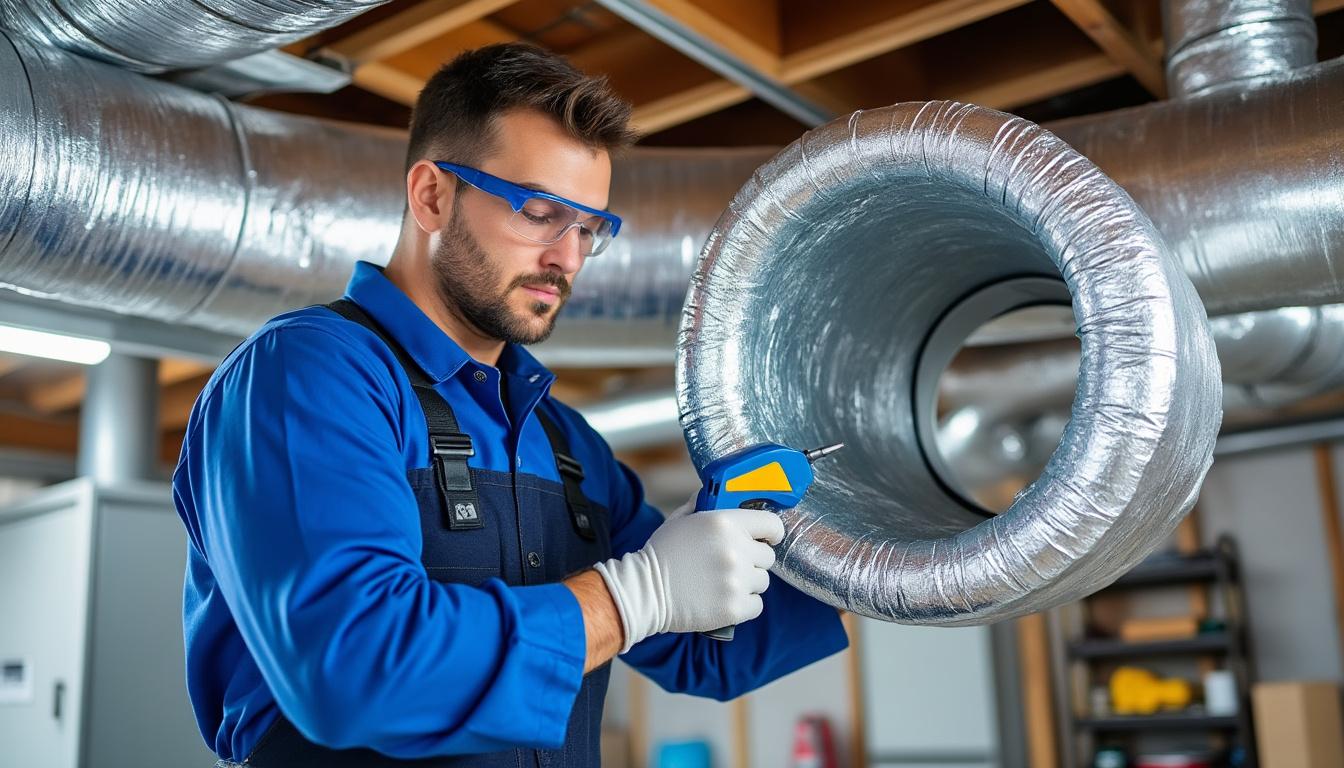
Applying these installation tips will enhance energy efficiency and extend the life of the HVAC system. Avoid common pitfalls such as leaving gaps, failing to seal vapor barriers, or using the wrong type of wrap for outdoor vs. indoor ductwork. Homeowners looking for DIY assistance might consider expert tutorials on how to install air duct insulation wrap easily, which covers these critical practices in user-friendly detail.
Cost Savings and Long-Term Benefits of Proper Duct Wrap Insulation
While the upfront expenditure on quality wrap insulation might appear significant, the long-term economic and environmental dividends are compelling. Insulating your ductwork reduces demand on heating and cooling equipment by limiting heat transfer losses and controlling condensation, resulting in lower utility bills and fewer repair interventions.
This payback becomes clear in a few years’ time as energy savings accumulate. For commercial buildings with extensive duct systems, higher R-value wraps represent an investment that translates to ongoing operational cost reductions and improved occupant comfort. Likewise, residential applications benefit from stabilized indoor temperatures, meaning HVAC systems operate more consistently and with less strain.
Cost considerations typically include material prices, labor, and any additional accessories such as vapor-sealing tapes or mechanical fasteners. Industry estimates provide an overview:
| Wrap Type | Typical R-Value | Approximate Cost per Linear Foot | Best Use Case |
|---|---|---|---|
| Fiberglass Foil-Faced Wrap | R-6 to R-8 | $1.50 – $3.00 | Residential and commercial ductwork |
| Double Bubble Foil Wrap | R-3 to R-5 (reflective value) | $0.80 – $2.00 | Retrofit projects and curved ductwork |
| Specialized Reflective Spiral Wrap | Varies | $2.50 – $4.00 | Round ducts requiring quick installation |
Besides financial benefits, proper wrap insulation promotes sustainable building practices by reducing carbon footprints associated with excess energy consumption. Homeowners and builders seeking to align with energy efficiency mandates and green building certifications find duct wrap insulation essential. Exploring the benefits of insulated ductwork reveals why this practice is highly recommended in modern construction and retrofit scenarios, as explained by specialists at leading insulation knowledge resources.
Selecting the Best Products and Maintenance Practices for Long-Term Ductwork Insulation Success
Choosing the right product for wrap insulation ductwork involves balancing material characteristics, cost, ease of installation, and durability. Brands like Frost King, Johns Manville, VIVOSUN, and Reflectix offer various options ranging from foil-backed fiberglass wraps to innovative double-bubble reflective foils. These selections meet diverse needs, including vibration dampening, moisture barriers, fire safety, and adaptability to duct geometry.
Key factors to consider before purchase include:
- Compatibility: Ensure the insulation size and flexibility suit existing duct dimensions and layout.
- Vapor Barrier Quality: A reliable vapor barrier is crucial for moisture control and mold prevention.
- Fire Ratings: Confirm products comply with local fire safety codes, especially in living spaces.
- Ease of Installation: Adhesive-backed tapes or non-adhesive rolls influence labor costs and installation speed.
- Durability: Consider environmental exposure; outdoor ducts require UV-resistant and corrosion-proof materials.
Routine inspection and maintenance of insulated ducts are vital to preserve their performance. Monitoring for damaged vapor barriers, loose seams, or compression helps prevent efficiency losses. When updates or repairs are necessary, selecting compatible insulation materials avoids performance degradation. Contractors and DIYers can further consult guidance on suitable insulation tapes to ensure lasting seals during such maintenance activities.