
Understanding the thermal dynamics of buildings has become more critical than ever for homeowners and contractors aiming to improve energy efficiency. Among various insulation materials, closed cell foam insulation stands out due to its remarkable R value, a key metric for evaluating thermal resistance and heat transfer prevention. This article delves into the properties and benefits of closed cell foam, offering a comprehensive view that addresses how its superior R value can lead to significant energy savings in U.S. residential and commercial buildings alike.
Key takeaways:
- Closed cell foam insulation provides one of the highest R values per inch, typically ranging from R-6 to R-7, optimizing energy efficiency with less material thickness.
- Its dense structure offers both thermal resistance and moisture barriers, making it ideal for areas susceptible to dampness.
- Understanding regional recommended R values can help customize insulation strategies for varying climates across the U.S.
- Proper installation is essential to maintain the anticipated performance, free of gaps or compression.
- Choosing the right insulation material depends on balancing cost, desired energy savings, and local building code requirements.
R Value Fundamentals: What Makes Closed Cell Foam Insulation Superior?
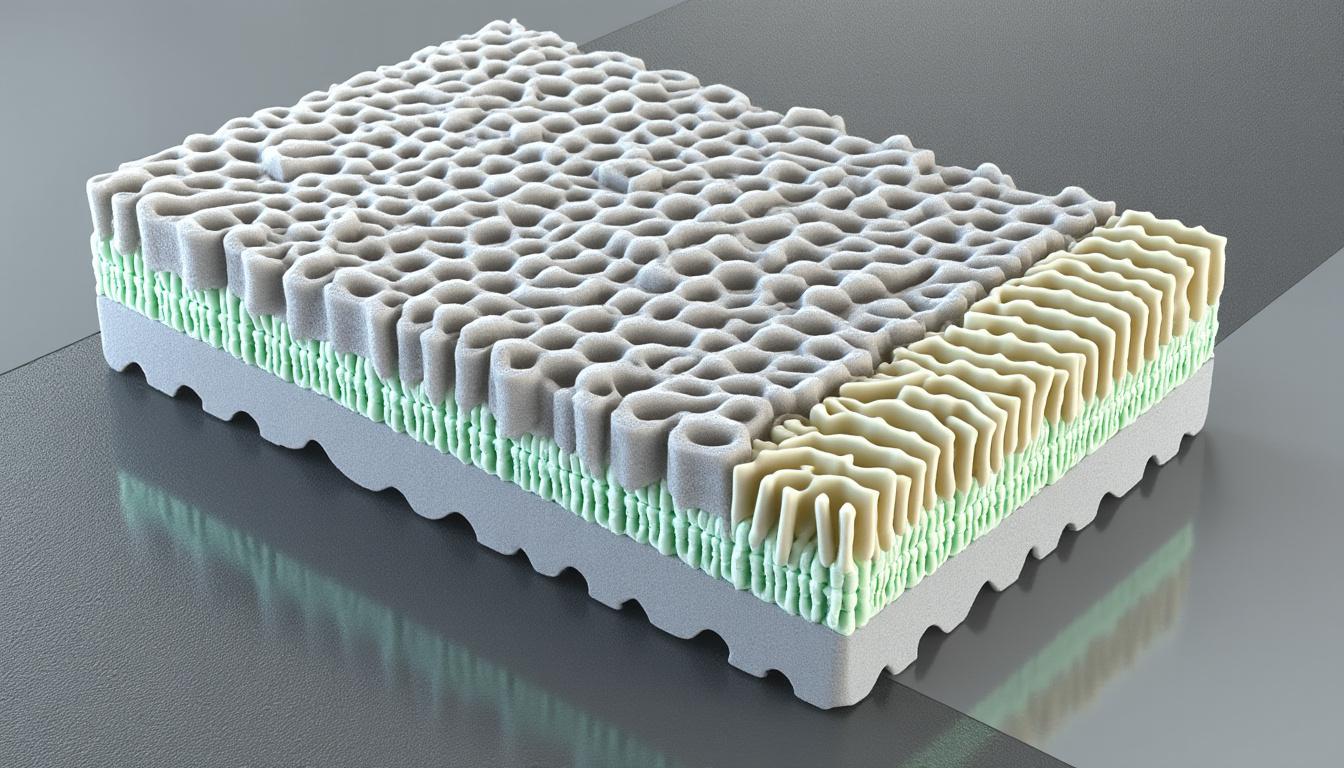
The concept of R value is foundational when assessing insulation materials. It quantifies the thermal resistance, indicating how effectively a material resists heat transfer. The higher the R value, the better the insulating performance. Closed cell foam insulation is distinguished by its dense cellular structure comprised of fully encapsulated cells filled with insulating gas, which prevents air and moisture infiltration. This structure not only enhances its thermal resistance but also strengthens its physical properties.
Closed cell foam insulation typically achieves an R value of approximately 6 to 7 per inch, making it significantly more effective per thickness than traditional fibrous materials like fiberglass that range closer to R-3 per inch. This means that a thinner layer of closed cell foam can provide the same or better resistance to heat flow compared to thicker layers of other insulation types, a valuable trait in spaces with limited cavity depth.
Besides its impressive R value, closed cell foam acts as a vapor barrier due to its impermeable closed-cell nature. By limiting moisture absorption, it helps maintain the insulation’s performance over time, since moisture can degrade thermal resistance in materials like fiberglass or cellulose. This dual function adds to its appeal in humid or moisture-prone areas such as crawl spaces and basements.
The science behind closed cell foam’s R value also reveals its ability to add structural strength to building envelopes. When applied, it bonds tightly to surfaces, reducing air leaks and enhancing overall building insulation integrity. Consequently, spray foam insulation combining thermal resistance with air sealing capabilities often outperforms traditional insulation systems that require separate vapor barriers and air sealing.
This characteristic is crucial for meeting reduced energy consumption goals in modern American construction, where tight building envelopes minimize HVAC load and prevent heat loss or gain. The enhanced thermal performance not only contributes to energy savings but also improves indoor comfort by maintaining consistent indoor temperatures.
How Thickness and Density Influence the R Value and Energy Efficiency
Thickness is a first and foremost factor when considering the insulation’s R value. Closed cell foam’s high density means that every inch contributes significantly to thermal performance. For example, an insulation layer measuring around 3 to 4 inches can typically provide the equivalent thermal resistance of 10 to 12 inches of fiberglass insulation in an attic. This presents a practical solution for retrofit projects or where space constraints demand high efficiency without sacrificing interior space.
Density complements thickness by defining how tightly packed the insulation cells are. Closed cell foam densities range between 2 to 3 pounds per cubic foot, far exceeding the density of open-cell foams or fibrous batt insulation. The denser structure traps insulating gases effectively and reduces convective heat transfer.
However, it is important to understand that installation quality directly influences the achievable R value. Improper application — such as uneven spray, gaps, or compression — can degrade thermal performance regardless of thickness or density. This explains why experienced contractors use precise spraying techniques and adequate preparation to ensure uniform coverage.
Different applications may require varying thicknesses. For example, wall assemblies in colder U.S. regions demand thicker layers for attaining R-19 to R-21, while attics in warmer southern states may focus on achieving R-30 with thinner layers of closed cell foam due to its higher efficiency per inch. In both cases, understanding local building codes and recommended insulation requirements is critical for compliance and optimal energy savings.
Below is a basic comparison of typical insulation materials and their R values per inch, which showcases why closed cell foam remains a top choice for energy-efficient building projects:
| Insulation Material | Typical R Value per Inch | Characteristics |
|---|---|---|
| Closed Cell Foam | 6.0 – 7.0 | High density, moisture barrier, structural reinforcement |
| Open Cell Foam | 3.6 – 3.8 | Lower density, allows some air permeability |
| Fiberglass Batt | 3.1 – 4.3 | Economical, easy to install, non-combustible |
| Cellulose | 3.2 – 3.8 | Eco-friendly, excellent coverage, fire retardant treated |
| Mineral Wool | 3.0 – 3.3 | Fire resistant, water repellent, soundproofing |
This table helps visualize why, despite a higher upfront cost, closed cell foam can be more cost-effective over time due to superior thermal resistance and reduced space requirements. It also offers energy savings by lowering heating and cooling demands in homes across diverse U.S. climates.
Tailoring Closed Cell Foam Insulation to Regional Climate Needs
The U.S. experiences a wide range of climatic zones, making it essential to match insulation’s thermal resistance with regional weather patterns for maximum energy efficiency. In southern states characterized by hot and humid summers, closed cell foam insulation at around R-30 is recommended for roofs to reduce cooling loads efficiently. Walls in this region typically require R-values between R-13 and R-15, where foam insulation’s air sealing alleviates humidity’s impact.
Conversely, in central states with moderate seasonal temperature swings, a thicker insulation layer is necessary. Here, roof insulation standards rise to near R-38 to counter both heat gain in summer and heat loss in winter. Walls demand R-15 to R-21, necessitating deeper foam layers or combination insulation systems. Closed cell foam’s adaptability lets contractors strategically address these needs, sometimes combining it with other materials for sound dampening or additional moisture protection.
In northern U.S. regions with harsher winters, the insulation challenge intensifies. Recommended insulation for roofs jumps to R-49, demanding thick, high R value materials like closed cell foam. Walls require R-19 to R-21 – levels where foam insulation’s superior heat retention capabilities help maintain warm interiors while avoiding condensation and associated mold risks. This regional tailoring underscores the importance of understanding local building codes and energy efficiency initiatives when selecting insulation systems.
Homeowners seeking to upgrade insulation in cooler climates often benefit from closed cell foam’s structural properties, which can reinforce wall assemblies and improve airtightness. The investment in proper insulation thickness and quality installation is directly linked to long-term energy savings and enhanced comfort, especially in climates with extreme temperature shifts.
Calculating Existing Insulation R Value and Upgrading with Closed Cell Foam
Before upgrading to closed cell foam, it is vital to assess the current insulation’s R value. This involves measuring the thickness of the existing layer and understanding the insulation material type. For example, typical fiberglass insulation provides about R-3 per inch, while cellulose ranges similarly.
Here’s a straightforward approach to estimate your existing R value:
- Locate the insulation area, such as an attic or crawl space.
- Use a tape measure to determine the thickness from the surface to the ceiling or floor base.
- Identify the material type for appropriate R value calculation.
- Multiply the measured thickness by the material’s typical R value per inch (for fiberglass, about 3.1).
For instance, a fiberglass insulation layer measuring 4 inches would roughly equate to an R value of 12 to 13. With this information, homeowners can then decide how much additional insulation they need to meet local recommended R values.
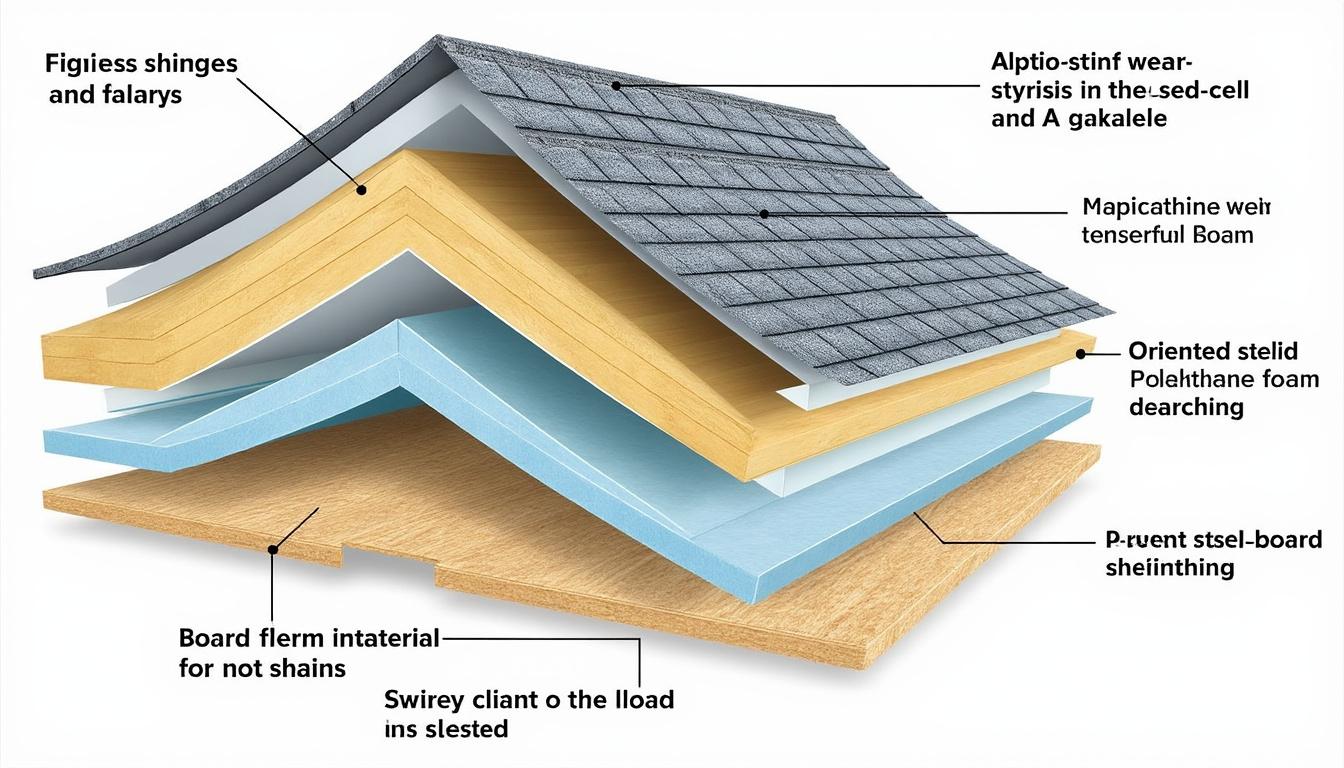
Closed cell foam is often applied as a top layer when retrofitting existing insulation. Due to its excellent thermal resistance and air sealing abilities, even a few inches can substantially boost the overall R value. Addressing gaps or compressed areas during installation ensures that thermal performance is maximized.
Professional installers recommend first repairing any air leaks or moisture issues before spraying foam, to maintain material integrity. The insulation should be applied evenly without compressing the foam, as this preserves closed cell foam’s structural properties and maximizes energy savings. For more detailed guidance on spray foam installation and measuring R-values, resources such as expert thickness guides and building insulation best practices can provide valuable insights.
Practical Benefits Beyond Thermal Performance of Closed Cell Foam
While the primary advantage of closed cell foam insulation lies in its high R value and energy efficiency, it offers other important benefits that homeowners and contractors appreciate.
One such advantage is improved soundproofing. Due to its density and structure, closed cell foam dampens noise transmission between rooms or from outside sources, contributing to a quieter indoor environment. This aligns well with building codes that increasingly prioritize multi-functional insulation materials for urban and suburban applications.
Its moisture resistance also protects building structures against potential water damage. Buildings with closed cell foam insulation in basements, crawl spaces, or exterior walls experience fewer issues related to mold or rot. For new builds or renovation projects in challenging weather conditions, this feature translates into longer-lasting structures and lower maintenance costs.
Moreover, closed cell foam enhances structural integrity by adding rigidity to wall and roof assemblies. This characteristic makes it a preferred solution for commercial buildings or homes where durability is paramount. The adhesive nature of the foam reduces air gaps, minimizing drafts and maintaining thermal comfort throughout the year.
Cost considerations often arise with closed cell foam, as it tends to be more expensive upfront compared to fiberglass or cellulose. However, many homeowners find that the long-term energy savings and reduction in HVAC operational costs justify the initial investment. Additionally, some utility companies and state programs offer rebates or incentives to encourage the adoption of high-performance insulation materials.
Incorporating closed cell foam into a comprehensive energy upgrade requires careful planning and professional installation. When done properly, this insulation type elevates thermal performance standards, reduces heat transfer, and improves overall home energy efficiency.