
Finding the perfect pair of women’s insulated pants for cold weather can feel a bit overwhelming with the wide range of options available today. Whether you’re gearing up for outdoor adventures, daily commutes, or simply staying cozy on chilly days, there are several critical factors to consider. From warmth and material quality to weather resistance and style, insulated pants must balance protection from the elements with comfort and durability. This guide explores these key components to help you make an informed choice that fits your lifestyle and keeps you comfortable throughout the coldest months.
In cold weather, the right insulated pants act as a vital barrier against low temperatures, wind, and moisture. Unlike regular trousers, these pants incorporate specialized thermal lining and design features that maximize warmth retention without sacrificing breathability and movement. Today, many brands integrate advanced fabrics and insulation technology to achieve an ideal combination of lightness, flexibility, and weatherproofing. However, selecting pants that properly fit your body shape, accommodate your activity level, and meet your aesthetic preferences is equally essential.
Among the leading considerations in 2026 is the increasing demand for pants that not only provide excellent insulation but also feature waterproof and windproof capabilities. This means you can stay warm and dry even during heavy snow or rainy conditions, critical for outdoor enthusiasts and commuters alike. Additionally, pants with breathable fabrics prevent overheating and moisture buildup inside, enhancing comfort during periods of higher activity or indoor transitions.
Moreover, the durability of women’s insulated pants has become a top priority. Reinforced seams, abrasion-resistant materials, and robust zippers contribute to a longer lifespan, ensuring your investment holds up through multiple winters. This durability also supports the practicality of having versatile pants that can transition seamlessly from ski slopes to casual wear. Understanding fabric choices such as fleece, wool blends, nylon-spandex composites, and specialized coatings plays a significant role in evaluating a pant’s overall performance.
Style remains a critical component for many women when selecting insulated pants. The good news for 2026 is that the market offers everything from sleek slim-fit designs to wide-leg and flare trousers in various colors and textures. These options allow you to stay warm without compromising on a polished or fashionable look, whether at work, on a hike, or out with friends. From corduroy flare pants that provide a vintage vibe to faux leather insulated pants that boast edge and water resistance, there’s a broad spectrum of choices to suit different tastes.
To assist readers in navigating these varied options, we’ll delve into the specifics of insulation types, essential features like fit and comfort, and the latest material innovations in women’s insulated pants for cold weather. Practical advice, product examples, and expert insights will help you select the perfect pair that meets your unique needs this winter season.
Key Takeaways:
- Effective insulation paired with waterproof and windproof features ensures optimal warmth and dryness.
- Breathability and flexibility prevent discomfort from overheating and allow for unrestricted movement.
- Durability, including reinforced seams and abrasion-resistant fabrics, extends the lifespan of winter pants.
- A wide variety of fits and styles cater to changing tastes and functional requirements, from casual comfort to outdoor performance.
- Choosing the right pants involves balancing insulation, weather resistance, fit, and personal style preferences for versatile winter wear.
Understanding the Insulation Types and Material Technologies in Women’s Cold Weather Pants
One of the first factors to consider when evaluating women’s insulated pants for cold weather is the type of insulation and material technology used. Insulation serves as the thermal barrier, trapping body heat while preventing cold air penetration. The main insulation types include synthetic fibers like polyester fleece or advanced thermal linings, and natural materials such as wool or down blends. Each has unique properties suited to different climates, activities, and comfort preferences.
Fleece-lined pants are particularly popular due to their softness, warmth, and lightweight nature. These pants contain a plush inner layer that provides excellent thermal retention without excessive weight, making them ideal for both casual use and more active pursuits like hiking or snowshoeing. The synthetic fleece also dries quickly and maintains warmth even when damp, adding to its practicality in variable winter conditions.
Another common insulation choice involves quilted or layered synthetic materials. Through layering construction, pants distribute the thermal lining evenly, enhancing warmth while preserving breathability. Many modern pants also integrate waterproof and windproof outer shells combined with insulation layers. This three-layer system guards against wind chill and moisture, critical for outdoor activities such as skiing or winter trekking.
Wool-blend fabrics provide natural insulation and breathability, with the added benefit of moisture-wicking properties. Wool is excellent for those who prioritize a more sustainable or luxury option, often offering a stylish alternative to typical outdoor gear fabrics. Certain woolwide pants, for example, also come with water-resistant treatments, blending classic fashion with modern technical performance.
Materials like nylon and spandex blends are also essential components in winter pants for their durability, stretch, and moisture management abilities. These fabrics offer a snug fit while allowing freedom of movement. Their durable nature supports reinforced seams and abrasion resistance, helping the pants withstand challenging environments without wear and tear.
Many manufacturers now utilize advanced waterproof coatings or membranes like DWR (Durable Water Repellent) to enhance weather protection. Combined with insulating fibers, these treatments ensure that pants can repel light snow and rain, preventing moisture absorption that could sap warmth. It’s worth noting that breathability should not be sacrificed for waterproofing; otherwise, moisture buildup inside the pants can lead to discomfort.
For example, the BALEAF Women’s Hiking Pant features a breathable, fleece-lined design with water-repellent technology, making it a reliable choice for outdoor activities in winter. Likewise, Postropaky’s insulated snow pants combine ripstop fabric durability with proven thermal lining and water resistance, making them suitable for skiing and cold-weather hiking. More information about insulation innovations and performance in winter apparel can be found in detailed reviews such as those on Treeline Review’s selection of insulated pants.
When selecting insulated pants, pay close attention to the weight of the fabric and insulation. Lightweight options provide versatility and reduce bulk, whereas heavier insulation provides more consistent warmth for extremely low temperatures. Balancing weight with thermal capacity is critical to finding pants that keep you warm without restricting movement, ensuring maximum comfort for all-day wear.
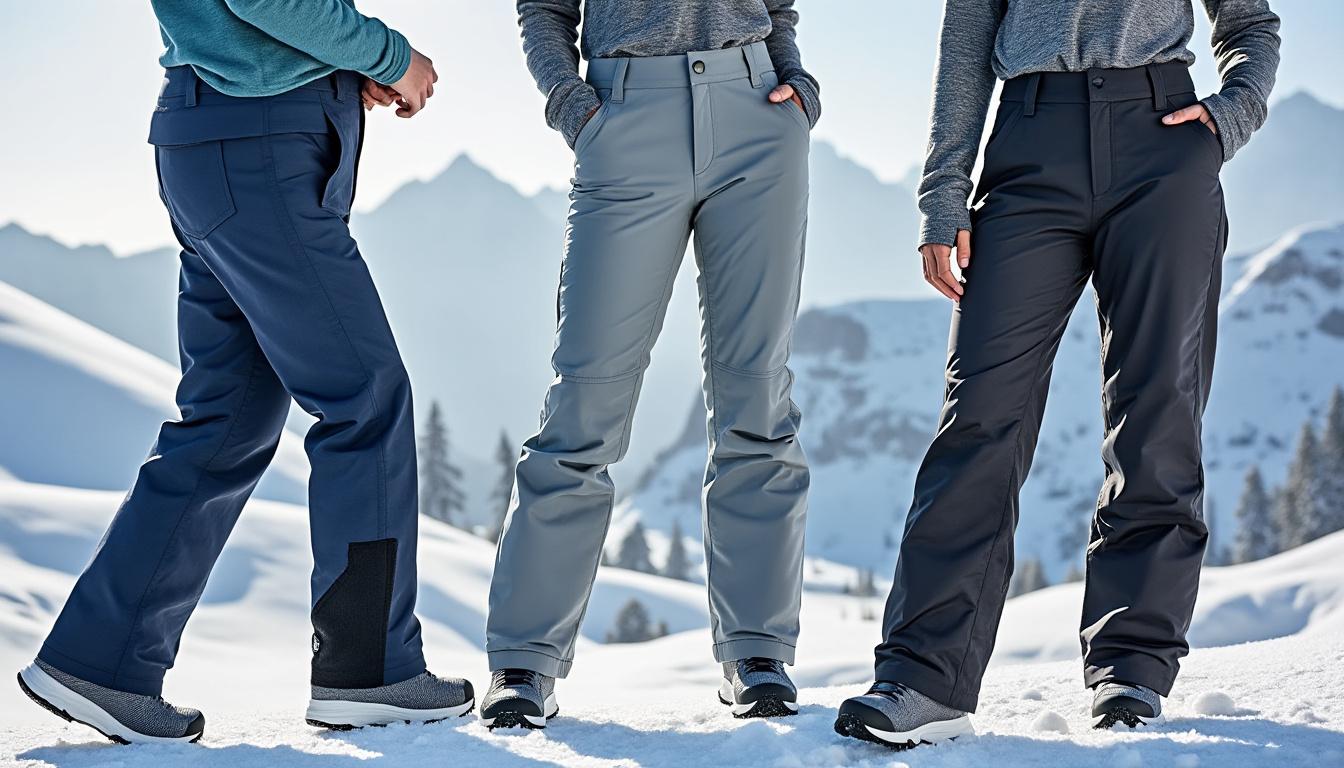
Key Features to Look for: Waterproofing, Windproofing, and Breathability in Insulated Pants
In the landscape of cold weather apparel, the interplay between waterproof, windproof, and breathability features often defines the effectiveness of insulated pants. In harsh winter conditions, moisture and wind can quickly sap body heat, so optimal pants must address these challenges without compromising comfort or performance.
Waterproofing is critical for staying dry in snow, slush, or rainy conditions. Look for pants made from treated outer shells or fabrics embedded with waterproof membranes such as Gore-Tex or proprietary coatings. These technologies prevent water penetration while allowing sweat vapor to escape, maintaining dry and comfortable wear. For instance, the Toomett insulated pants boast a breathable repellent surface coating combined with polar fleece lining, achieving a solid balance for winter travelers.
Windproofing is equally important, as even mild breezes can penetrate unprotected fabric layers and cause rapid heat loss. Pants specifically designed with windproof membranes or tightly woven fabrics create effective shields against cold airflow. This characteristic enhances the insulation by reducing convection heat loss and helping maintain steady warmth.
Yet, perhaps the most challenging aspect is combining water and wind protection with sufficient breathability. Proper breathability prevents overheating and moisture buildup from sweat, which can make you cold once activity levels diminish or if you enter heated indoor environments. Modern insulated pants achieve this by incorporating advanced fabric technology that selectively allows moisture vapor through micro pores or layered membranes, maintaining an optimal moisture balance.
In 2026, it’s easier to find pants that also include function-focused details such as adjustable cuffs to seal out drafts, zippered vents for customizable airflow, and articulated knees for enhanced flexibility. These features not only improve usability but also contribute significantly to overall comfort and mobility in cold weather environments.
When shopping for women’s insulated pants, checking user reviews and product specs on trusted sites such as ABC11’s best insulated pants guide can provide invaluable insights about waterproof and windproof performance in real-world conditions. Opt for pants that clearly state their resistance ratings or include customer testimonials describing effective protection in rain or snow.
The difference these features make becomes clear during activities like winter hiking or snowboarding. Wet or windy conditions without proper protection lead to rapid chills and discomfort. Waterproof materials combined with windproof membranes shield you continuously, while breathable layers keep moisture from accumulating inside, preserving comfort without bulk.
How Fit, Flexibility, and Comfort Influence the Effectiveness of Insulated Pants
Beyond insulation and weatherproofing, the fit and flexibility of insulated pants dramatically impact their practicality and daily wearability. The best cold weather pants accommodate the body’s movements while maintaining tight seals against cold air and snow, ensuring warmth and comfort simultaneously.
Finding pants with the right fit starts with sizing that neither restricts nor sags. Women’s cold weather pants come in diverse cuts such as slim-leg, bootcut, flare, or wide-leg to suit different body shapes and styling preferences. For example, corduroy flare trousers have returned to favor for their flattering shapes in colder seasons, offering both warmth and a chic, casual look.
Flexibility is essential, particularly for active users engaging in outdoor sports or demanding physical activity during winter months. Pants designed with articulated knees, stretchable fabrics, or gusseted crotches permit unhindered movement. This avoids the frustrating experience of tight, constrictive clothing limiting your mobility. Some brands feature nylon-spandex blends that provide a four-way stretch, delivering excellent freedom of motion.
Comfort is further enhanced through thoughtful details such as ergonomic waistbands, adjustable cuffs, and interior thermal linings that hug the skin softly. Insulated pants labeled as ‘lightweight’ frequently include moisture-wicking properties to keep you dry from internal perspiration, reducing clamminess. Jogger-style fleece-lined pants, for example, combine lightweight construction with cozy interiors, making them perfect for relaxed winter wear both indoors and outdoors.
Women prioritizing a streamlined look might choose slim-leg velvet or wool blend pants, which balance thermal performance with sleek aesthetics suitable for office or casual outings. The blend of style and function helps maintain a sense of confidence while battling the cold.
To ensure a proper fit and optimal comfort, many customers have found that purchasing from brands with clear sizing guides and options for adjustable waists or belts can make all the difference. The addition of multiple pockets and zipper closures adds practical value, safeguarding essentials safely during outdoor adventures.
For further guidance on combining style, comfort, and functional warmth, resources like Smart Outfit Ideas’ cold weather pant recommendations offer curated selections and styling tips designed specifically for women facing harsh winter climates.
Exploring the Top 11 Women’s Insulated Pants for Cold Weather: Features and Versatility
Choosing from the vast inventory of insulated pants can be daunting, so understanding the standout features and intended uses of the top options available can significantly streamline your decision-making process. Below is a summary table highlighting 11 of the best women’s insulated pants for cold weather with their key attributes in warmth, waterproofing, durability, and comfort:
| Product | Insulation Type | Waterproof / Windproof | Key Features | Best Use |
|---|---|---|---|---|
| Camii Mia Outdoor Winter Pants | Fleece Lined | Waterproof & Windproof | Soft fleece lining, 2 hand pockets, durable coated fabric | Winter hiking and casual wear |
| Toomett Insulated Waterproof Pants | Polar Fleece & Fiber Insulation | Water-resistant | Multi-layer insulation, breathable coating, zipper pockets | Travel and daily winter wear |
| Linlon Snow Pants | Soft Fleece | Abrasion & wind-resistant | Moisture-wicking, free motion design, zippered front pockets | Skiing and hiking |
| BALEAF Fleece Lined Leggings | Upgraded fleece lining | Water-resistant | Compressed fit, ankle zippers, high-waist support | Winter running, base layering |
| Singbring Ski Snow Hiking Pants | Thick fleece & quick-dry | Waterproof & Windproof | Adjustable waist, multi-zipper pockets, patchwork knees | Skiing and snow hiking |
| Postropaky Outdoor Snow Ski Pants | Fleece-lined softshell | Waterproof | Ripstop fabric, articulated knees, large pockets | Snowboard and outdoor winter sports |
| JOMLUN Fleece Lined Warm Pants | Thick fleece lining | Water & Wind resistant | Zipper closure, stretch fabric, 2 zip pockets | Outdoor hiking and casual wear |
| Willit Fleece Lined Joggers | Buttery-soft fleece | Water resistant | Elastic fabric, multiple pockets, 4 vibrant colors | Casual winter comfort |
| Gopune Outdoor Mountain Trousers | Lightweight nylon & spandex | Water resistant | Drawstring closure, moisture management | Winter travel and light outdoor activities |
| MOHEM Warm Ski Pants | Down lined | Water-repellent polyester | Adjustable elastic waist, multi-zipped pockets | Skiing and winter sports |
| Cycrold Winter Hiking Pants | Fleece lined | Water-resistant & Windproof | Steric knee-cutting, elastic waistband, 4 zipper pockets | Winter hiking and daily use |
This table offers a snapshot of effective insulation paired with practical features like waterproof outer fabrics and ergonomic fits. Whether your needs involve rigorous winter sports or urban cold-weather dressing, these pants offer reliable protection and adaptability. Standout items such as the Postropaky snow ski pants emphasize durability with ripstop fabric and articulated knees, ideal for active users requiring superior flexibility and resistance to abrasion.
Meanwhile, options like the Willit fleece-lined joggers cater to those seeking everyday warmth and ease of movement coupled with modern styling. By analyzing your specific activity and climate requirements, you can pinpoint the best pants that deliver on all essentials: comfort, insulation, fit, and durability.
Tips for Maintaining and Maximizing the Life of Your Women’s Insulated Pants
Buying insulated pants is an investment in winter comfort and style, so proper care is crucial to maintain their insulating properties, waterproofing, and overall longevity. Understanding how to clean and store these garments can help you enjoy them across many seasons without loss of performance.
Most insulated pants require gentle washing techniques to protect the thermal linings and water-repellent coatings. It is advisable to use mild detergents designed for technical fabrics and avoid fabric softeners, which can impair waterproof finishes. Always check the manufacturer’s washing guidelines, and opt for air drying or low-heat tumble drying to maintain fabric integrity.
To restore waterproofing, consider applying specialized sprays after several washes, especially if you notice water soaking into the fabric rather than beading off. Reinforced pockets, zipper quality, and elastic components also benefit from routine inspection to ensure they remain functional.
When storing insulated pants off-season, keep them in a dry, ventilated space to prevent mildew or odor build-up. Avoid compressing them tightly for extended periods, as this can damage insulation layers.
By investing a little time into maintenance, your insulated pants will continue to shield you effectively from cold, wind, and moisture while retaining comfort and breathability. Proper usage combined with regular care maximizes the lifespan of these garments, ensuring you get the best value for your purchase.
For more detailed advice on the importance of insulation in clothing and how it enhances energy efficiency and comfort, you might find valuable insights at Allyear Insulation’s guide on insulated pants.