
Ensuring our canine companions enjoy year-round comfort has become a priority for many pet owners across the United States. The demand for a high-quality large insulated dog house reflects a growing awareness of the vital role shelter plays in safeguarding pets against harsh weather, maintaining warmth during frostbitten winters, and providing a cool retreat when summer temperatures soar. Advances in dog house insulation technology and innovative design now offer more durable, weatherproof options that harmonize functionality with the comfort your pet deserves. In 2026, the market presents an array of solutions, from heated shelters featuring UL-certified pads to eco-friendly materials prioritizing sustainability, all tailored to substantial breeds like German Shepherds, Great Danes, and Golden Retrievers.
The evolution of pet housing integrates modern construction standards and thoughtful features ensuring that large dogs have enough space to move freely while staying protected. These houses often boast reinforced frameworks, chew-resistant materials, and elevated floors to prevent moisture penetration, meeting both safety and comfort requisites. The rise in extreme weather patterns further underscores the importance of choosing a weatherproof dog house that not only endures rain, snow, and wind but actively enhances your pet’s well-being through superior insulation and ventilation. Balancing these factors presents challenges and rewards for dog owners aiming to create a sanctuary tailored to their furry family members.
Choosing the right dog shelter requires insight into the interplay between insulation materials, structural durability, and the practical needs of large dog breeds. Across the United States, where winter temperatures can plunge below zero and summers sometimes approach triple digits, selecting a shelter that mitigates environmental stress is critical. This detailed exploration will help guide homeowners, contractors, and pet enthusiasts towards making educated decisions about their pet’s outdoor living quarters, blending technological innovation with tried-and-true construction wisdom.
In brief:
- Effective insulation in dog houses significantly improves pet comfort by maintaining stable interior temperatures despite harsh external conditions.
- Large dog houses must balance adequate space with insulation efficiency to avoid compromising warmth through oversized interiors.
- Materials like foam boards, treated wood, and flame-retardant linings provide durability and thermal protection against extreme weather.
- Additional features such as UL-certified heating systems and raised floors enhance safety and moisture resistance.
- Choosing the best weatherproof dog house involves evaluating ventilation, accessibility, and ease of maintenance to ensure longevity and comfort.
Understanding the Need for an Insulated Large Dog House to Enhance Pet Comfort
A well-insulated dog house is more than just a pet shelter; it is a vital component of your dog’s health and comfort strategy. Large breeds, often having denser coats but greater surface area exposed to cold, require specialized environments that maintain consistent temperatures to prevent hypothermia or overheating. Across the varying climates of the United States, ranging from frigid northern winters to humid southern summers, large dogs benefit immensely from shelters designed with integrated dog house insulation that balance thermal retention and airflow.
The American Society for the Prevention of Cruelty to Animals (ASPCA) stresses that appropriate shelter directly correlates with reduced stress and illness in dogs, especially when exposed to extreme environmental fluctuations. Insulated dog houses, equipped with materials such as styrofoam panels or reflective linings, create a microenvironment that traps warm air during cold weather, while reflective surfaces help keep interiors cool in summer. A substantial dog’s ability to regulate temperature effectively depends heavily on the quality of its shelter.
Key to this is the design approach focusing on pet comfort not just through insulation but by offering protection against moisture, drafts, and direct contact with cold ground. Raised floors, weatherproof roofing elements, and secure door flaps prevent heat loss and shield your pet from wind chill and wet conditions. A heated dog house model, like the highly praised GUTINNEEN 59″ Heated Outdoor Dog House, exemplifies how automatic temperature regulation and flame-retardant materials merge to provide a snug haven for large breeds in temperatures as low as -10°F.
Beyond warmth, insulation contributes to the overall psychological well-being of dogs by furnishing a consistent and tranquil environment. Dogs are creatures of habit and security; an insulated dog shelter fosters a sense of safety and encourages restful sleep, which is crucial for recovery, immune function, and vitality. Furthermore, well-insulated outdoor dog houses can reduce the frequency and cost of veterinary visits caused by weather-related ailments, underlining their economic and emotional value to pet owners.
By investing in a high-quality, insulated large dog house, owners align with best practices recommended by veterinary experts and animal welfare organizations. This not only improves the life quality of pets but also strengthens the human-animal bond through conscientious care. Selecting shelters that combine insulation, ventilation, and durability ensures pets are ready to brave the seasons, enhancing their resilience and comfort all year round.
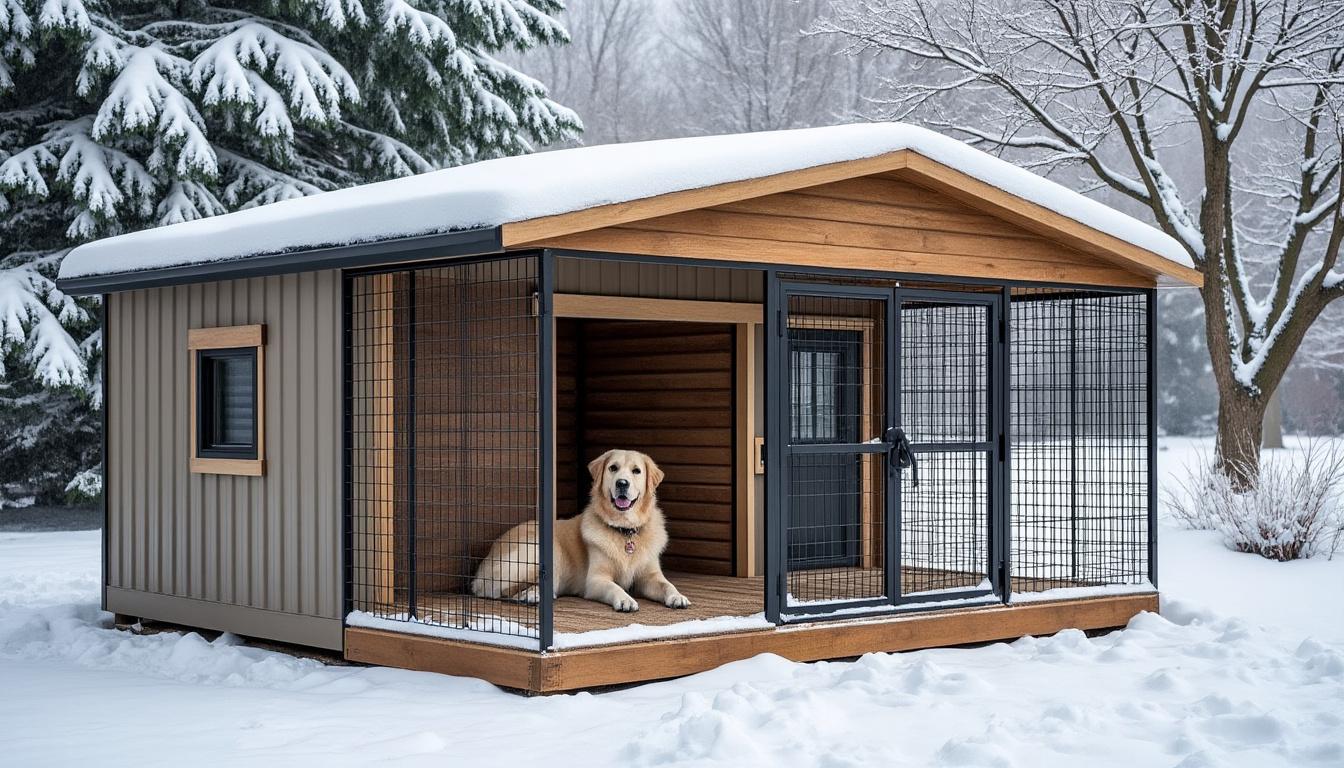
Key Features Defining the Best Large Insulated Dog Houses for Weatherproof Protection
Choosing an insulated large dog house in 2026 means navigating a market filled with options that range from basic insulated panels to advanced features like self-regulating heating pads. To ensure your dog’s shelter truly meets the demands of outdoor use, let’s delve into the essential attributes that distinguish top-performing durable dog houses and maximize their value:
1. Insulation Effectiveness and Materials
The cornerstone of an insulated dog house is its ability to retain heat during cold spells and maintain coolness in summer heat. Reliable materials such as 0.78-inch thick insulated liners, as seen in the GUTINNEEN model, significantly outperform conventional houses by blocking heat transfer. High-density styrofoam panels, fiberglass, and reflective barriers are effective in stabilizing interior climates. Notably, the use of flame-retardant and chew-resistant liners further guarantees safety and longevity.
2. Structural Durability and Construction
A large dog house must endure environmental exposure and resist physical stress from active dogs. Reinforced iron frames coupled with solid wood or treated fir panels create a resilient structure capable of supporting even the largest breeds while minimizing wear. The sloped, waterproof roofs made with asphalt or resin coatings ensure hydration resistance, essential for preserving insulation integrity.
3. Ventilation and Moisture Control
Ventilation is often overlooked but critical; it prevents dampness and mold buildup inside the dog house. Vents positioned to optimize airflow without creating drafts maintain a healthy living space. Raised floors elevate the shelter above ground moisture, decreasing risks associated with wet bedding and chilling effects, crucial in rainy and snowy climates.
4. Safety and Comfort Features
Features such as UL-certified heating pads with automatic temperature control avoid overheating risks, while chew-proof cords and fire-resistant materials enhance safety. Spacious interiors ensure your dog can stand, turn, and lie down comfortably, a significant comfort determinant that prevents stress and injuries. Door flap designs eliminate cold drafts without restricting easy access.
5. Ease of Assembly and Maintenance
Most premium insulated dog houses now come with intuitive assembly kits and detailed instructions, enabling quick setup even for less experienced users. Removable, washable liners and openable roofs simplify cleaning and maintenance, increasing the shelter’s hygiene and longevity.
Summary Table: Key Features of Top Large Insulated Dog Houses
| Feature | Description | Purpose |
|---|---|---|
| Insulated Liners | 0.5-0.78 inch thick foam or fiberglass with flame retardant | Thermal regulation and safety |
| Reinforced Frame | Iron or steel frame supporting structure | Durability and chew resistance |
| Raised Floor | Elevated platform preventing ground moisture | Keeps interior dry and clean |
| Weatherproof Roof | Slanted, waterproof coated roof with asphalt shingles or resin | Water runoff and protection from weather |
| Heating System | UL-certified heating pads with auto temperature control | Maintaining warmth without overheating |
| Ventilation Vents | Adjustable vents or grills for airflow | Reduces moisture and odor |
For readers seeking in-depth reviews and product options, resources like dogcaress.com and just4mypet.com offer extensive guides tailored to various budget and breed requirements.
Materials That Optimize Insulation and Durability in Large Dog Houses
The choice of materials directly impacts the efficiency and lifespan of an insulated dog house. Understanding the pros and cons of popular options helps buyers make informed decisions tailored to climatic demands and pet behavior.
Foam Boards and Structural Insulated Panels (SIPs)
Foam boards serve as excellent insulation due to their high R-values, offering significant thermal resistance. Lightweight and easy to install, these boards trap warm air effectively during winter months. SIPs combine foam insulation with structural layers, providing enhanced rigidity and thermal control. Their dual function caters to both insulation and structural support, suitable for DIY enthusiasts constructing custom dog shelters.
Wood with Treated Finishes
Wood remains a favorite due to its natural insulation properties and aesthetic appeal. Treated wood resistant to moisture, rot, and insect damage prolongs the dog house’s service life. A dog house featuring fir wood panels with waterproof paint, coupled with an iron frame, exemplifies the blend of tradition and performance, offering durability alongside a cozy ambiance.
Reflective Insulation Materials
Reflective materials like aluminized mylar sheets reflect radiant heat, helping to prevent overheating during summer. They complement foam insulation as a multi-layered solution, especially beneficial in regions where temperature swings widely between day and night. These reflective barriers contribute to energy-efficient shelters that protect your pet from extreme heat.
Waterproof and Weather-Resistant Coatings
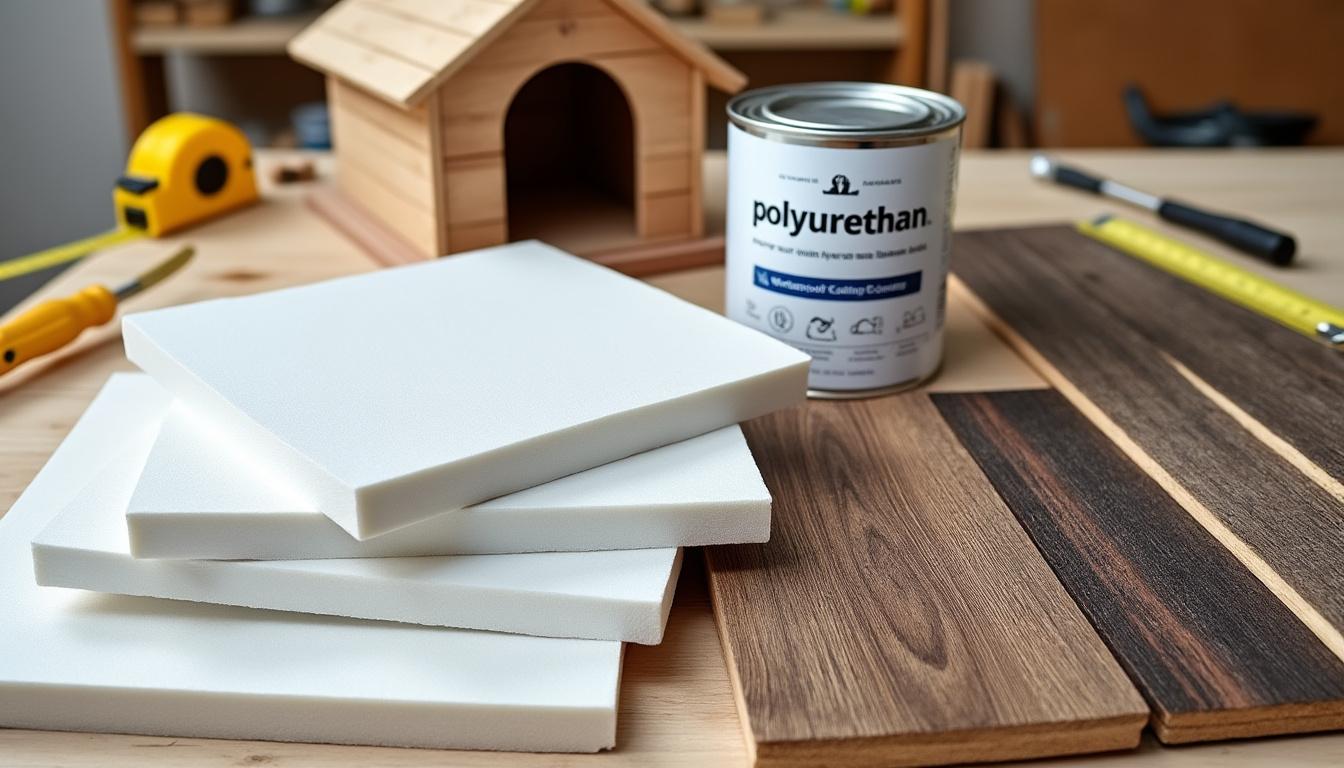
Polyurethane paints, asphalt shingle roofs, and resin coatings improve water resistance and durability with minimal maintenance. These materials prevent moisture ingress, a critical factor since water compromises insulation properties and fosters mold and mildew growth that jeopardize your pet’s health.
Incorporating combinations of these materials ensures that an outdoor dog house provides year-round comfort, balancing thermal protection and robust weather resistance to last through multiple seasons.
How to Determine the Right Size for Your Insulated Large Dog House
One of the most essential considerations when selecting a large dog house is ensuring proper dimensions that accommodate your pet’s size while optimizing insulation efficiency. A dog house too small restricts your pet’s movement and comfort, whereas an oversized shelter can hinder heat retention, causing draftiness.
To find the right size:
- Measure your dog’s height and length: Measure from the ground to the top of your dog’s head while standing and from nose to tail base. These dimensions guide the minimum interior height and length.
- Add extra inches for movement: A margin of 2-4 extra inches in both height and length ensures your dog can comfortably turn around and lie down.
- Consider breed growth: For puppies or dogs still growing, select a shelter suitable for adult size to avoid frequent replacements.
- Match entrance size: Doors should be slightly smaller than the interior to minimize heat loss while providing easy access.
- Account for bedding: Include space for mats or blankets within the dimensions to maintain pet comfort.
According to the American Kennel Club, the ideal dog house length for large breeds typically ranges between 36 and 59 inches, depending on breed and weight. Selecting a shelter around 59 inches long like the GUTINNEEN model ensures ample space even for the largest dogs up to 180 pounds.
Choosing correctly sized, insulated dog shelters helps maintain a cozy microclimate that matches your dog’s physical needs, safeguarding their health across seasons.
Maintaining Your Insulated Large Dog House for Longevity and Pet Health
Long-lasting protection and comfort depend on proper maintenance of your insulated large dog house. Regular upkeep prevents deterioration of insulation, structural damage, and hygiene issues, all of which could undermine your dog’s shelter.
Effective maintenance involves several key practices:
- Routine inspections to detect cracks, leaks, or damaged insulation panels early.
- Cleaning: Use pet-safe cleaners to remove debris, dust, and pet hair from interiors and exteriors. Removable liners should be washed regularly.
- Repair leaks and seal gaps immediately to preserve insulation effectiveness and prevent drafts.
- Check flooring and elevation: Ensure that raised floors remain stable and check for moisture build-up underneath. Elevating the dog house protects against water damage and pests.
- Seasonal adjustments like replacing liners in winter or increasing ventilation in summer maintain optimal internal conditions.
Investing in high-quality dog houses, such as the models reviewed on petylandstore.com, allows for longer intervals between repairs. These structures typically employ durable materials that resist chewing, weathering, and mold growth, saving owners time and money.
Finally, regular maintenance preserves the shelter’s appearance and structural integrity, assuring your dog’s well-being for many seasons to come.