
Efficient temperature control and energy savings are paramount considerations for homeowners and businesses when it comes to air conditioning systems. The practice of insulating AC pipes, often overlooked, plays a crucial role in improving HVAC performance and enhancing overall home comfort. By reducing heat transfer through pipe insulation, the cooling system can operate with greater efficiency, leading to lower energy consumption and a consistently cool house. This article explores the science behind pipe insulation on AC units, evaluates the best materials available, and offers practical advice tailored to the evolving demands of American homes in 2026.
Energy efficiency is now at the forefront of building standards in the U.S., making it essential to understand how pipe insulation contributes to this goal. Properly insulated pipes reduce energy waste and strain on HVAC equipment, enabling systems to deliver cool air more effectively. Exploring these benefits through real-world examples and expert insights helps clarify why a seemingly minor upgrade like pipe insulation can lead to significant improvements in cooling performance and cost savings.
How Pipe Insulation Enhances AC Efficiency and Home Cooling
The fundamental purpose of an air conditioning system is to transport cool refrigerant throughout the home to absorb and remove interior heat. However, this efficiency can be compromised if the pipes carrying the refrigerant are not properly insulated. Pipe insulation acts as a thermal barrier, reducing heat gain from the external environment and maintaining the refrigerant at optimal temperatures. This section breaks down how insulation significantly influences AC efficiency and helps cool your house more effectively.
Thermal Insulation: The Science Behind Temperature Control
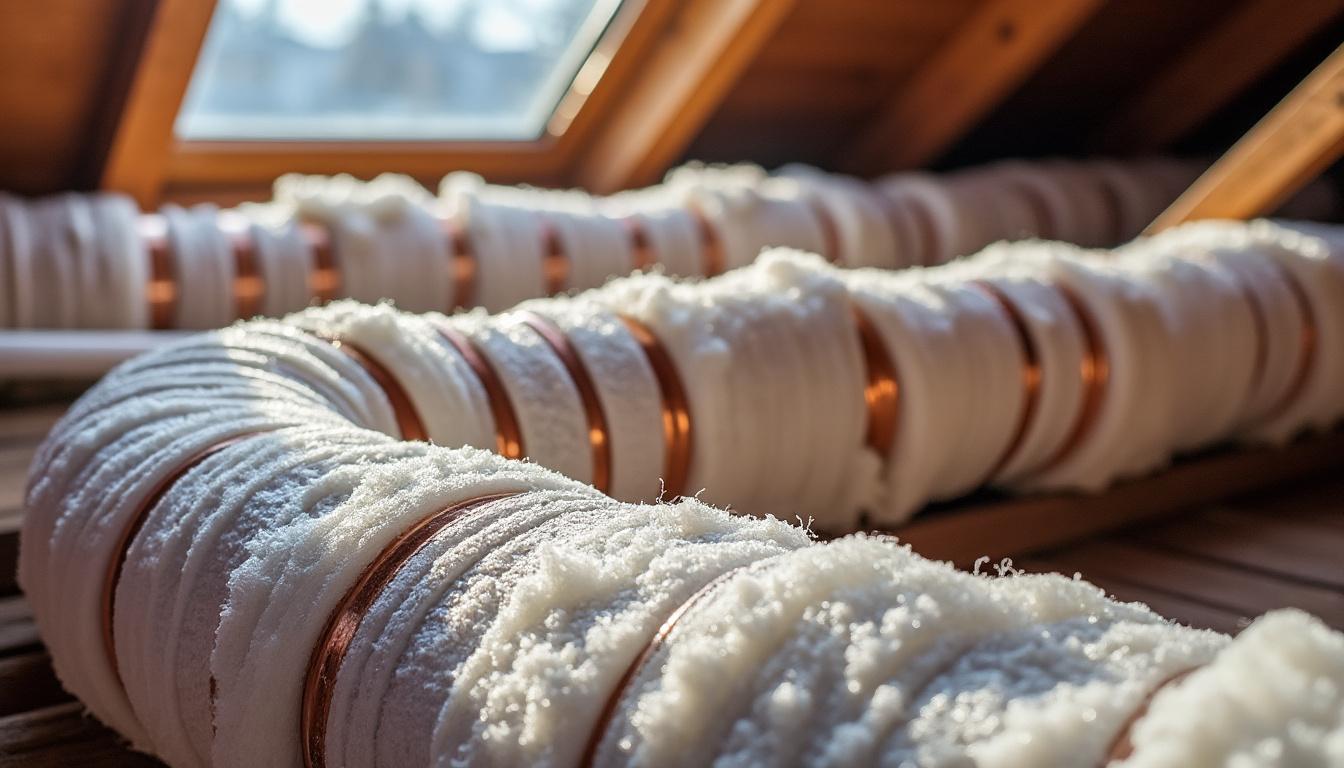
In HVAC systems, heat transfer predominantly occurs through conduction, convection, and radiation. Without adequate pipe insulation, heat can be unintentionally absorbed by refrigerant lines, reducing the system’s cooling capability. For example, when copper refrigerant pipes are left uninsulated in an attic exposed to sunlight, the temperature of the refrigerant can rise, forcing the compressor to work harder to maintain the desired indoor temperature. Pipe insulation curbs this heat gain by limiting conduction through pipe walls and preventing convective heat from the surrounding air.
Insulating AC pipes also curtails radiant heat absorption by reflecting or absorbing infrared radiation, which is particularly effective when reflective foil or elastomeric foam materials are used. As a result, the system’s refrigerant temperature remains stable, ensuring smoother operation and faster cooling. For homeowners, this means less wear and tear on the HVAC system and improved home comfort without overexerting the AC unit.
Improving HVAC Performance through Energy Savings
When AC refrigerant lines are insulated, the reduced heat transfer means the compressor cycles less frequently and runs more efficiently. This decline in unnecessary workload translates directly into energy savings and lower utility bills. Real-world studies have verified that properly insulated AC pipes can cut energy consumption by up to 15% under certain climate conditions, which is a substantial margin for energy-conscious households and enterprises.
Furthermore, by minimizing energy waste, users extend the lifespan of the HVAC equipment, decreasing maintenance costs and the need for premature replacement. This aligns with the latest trends in sustainable building practices that encourage investment in effective thermal insulation as a step toward reducing carbon footprints.
Materials Best Suited for Pipe Insulation in AC Systems
Choosing the appropriate insulation material is critical for both the performance of your AC system and the durability of the insulating solution. The market offers a variety of options, each with specific advantages suited for different climates, pipe materials, and installation conditions. This section discusses the top materials used for pipe insulation in air conditioning systems within the U.S.
Foam Insulation: Polyethylene and Elastomeric Foams
Foam is one of the most widely used materials because of its balance between cost, ease of installation, and thermal performance. Polyethylene foam offers excellent thermal insulation properties with lightweight and flexible sheets or tubes that are easy to install around copper or aluminum pipes. This material reduces thermal conductivity and maintains temperature control efficiently.
Elastomeric foam enhances these properties by adding moisture resistance and flexibility, which is especially valuable in humid climates where condensation on AC pipes is a concern. This foam prevents water buildup and potential corrosion, preserving the integrity of both the pipes and insulation over time. Contractors often prefer elastomeric foam for its durability and resistance to UV exposure, which are key factors in AC systems located in exposed environments.
Fiberglass and Rubber Insulation for Specialized Needs
Fiberglass insulation remains a strong contender for pipe insulation in commercial settings or larger residential systems due to its excellent thermal performance and fire resistance. Properly installed fiberglass requires sealing of seams and joints for maximum efficacy, but offers robust protection against energy loss.
Rubber insulation is noted for its durability and noise-dampening qualities. In installations where vibration and mechanical stress are issues, rubber’s resilience minimizes wear while maintaining thermal insulation properties. Its resistance to moisture and extreme temperatures also contributes to a longer service life, making it suitable for exposure-prone applications.
Reflective Foil: A Cost-Effective Radiant Barrier
Reflective foil insulation uses its shiny surface to bounce radiant heat away from AC pipes, making it a smart choice especially in hot, sunny regions. While not a comprehensive solution alone, it supplements other insulation types by reducing radiant heat gain. Reflective insulation is increasingly used in conjunction with foam or fiberglass layers for a multi-layered defense against heat intrusion.
For homeowners interested in energy efficiency and long-term cooling benefits, combining reflective foil with foam insulation could optimize pipe insulation’s impact on HVAC performance, supporting further energy savings.
Preventing Condensation and Mold with Proper Pipe Insulation
Beyond thermal benefits, pipe insulation plays a key role in moisture control within air conditioning systems. Condensation forming on uninsulated cold pipes can lead to water damage and mold growth, undermining indoor air quality and structural integrity. This section explores how insulation combats these issues and protects your HVAC investment.
Moisture Control and Condensation Prevention
When cold refrigerant travels through warm ambient air, moisture can condense on pipe surfaces if insulation is absent or inadequate. This phenomenon not only causes dripping but also promotes corrosion and mechanical deterioration. Insulating pipes with materials that include vapor barriers, such as elastomeric foam, stops humid air from contacting the cold surfaces, thereby reducing the risk of condensation.
Homeowners who experience musty odors or visible water damage near their AC pipes should consider inspecting and upgrading their pipe insulation. Keeping moisture in check also significantly diminishes maintenance costs and improves the longevity of HVAC components.
Mold Prevention Through Temperature Regulation
Consistent insulation maintains stable pipe surface temperatures, creating an environment unfavorable for mold spores to thrive. Mold not only damages building materials but also poses health risks such as allergies and respiratory problems. Effective pipe insulation thus serves as a proactive safeguard against these hazards, enhancing both indoor air quality and overall home comfort.
Proper Installation Practices and American Standards for Pipe Insulation
Insulating AC pipes correctly is just as important as choosing the right materials. Misapplied insulation compromises the thermal barrier and can result in inefficiency or moisture issues. Compliance with U.S. building codes and HVAC standards ensures that installations promote energy efficiency and system durability. This section highlights best practices and regulatory considerations for pipe insulation in AC systems.
Installation Techniques for Optimal Performance
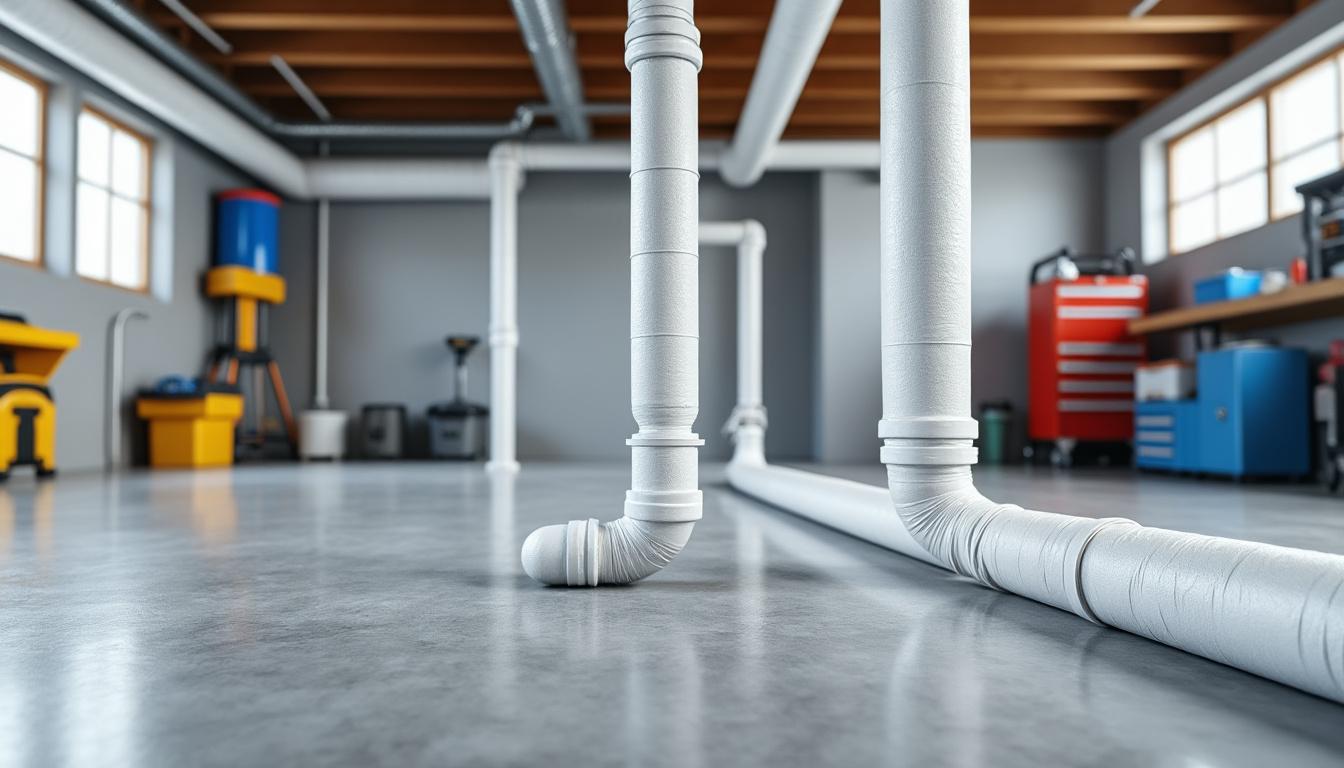
Successful pipe insulation must cover pipes completely with snug-fitting materials to avoid gaps where heat could penetrate or moisture could accumulate. Applying insulation adhesive helps secure material edges, preventing displacement during system operation. Moreover, sealing seams with specialized tapes designed for insulation enhances the continuity of the thermal barrier.
It’s essential to differentiate insulation thickness based on pipe diameter and environmental exposure. Experts recommend consulting guidelines such as those found in the Guide to HVAC Refrigerant Line Insulation to select the proper material thickness and installation method effective for the climate zone of your home or facility.
Conformance with Energy Codes and Best Materials
In 2026, most U.S. jurisdictions align with the International Energy Conservation Code (IECC), which demands minimum insulation requirements for HVAC refrigerant lines. These codes aim to strike a balance between upfront insulation costs and long-term energy savings. Homeowners and contractors alike benefit from adherence to these codes by avoiding costly upgrades and ensuring eligibility for potential energy rebates.
Considering recent innovations in insulation materials and techniques, early adopters of modern pipe insulation reap benefits in lowered heating and cooling expenses while contributing positively to environmental goals. Resources like Insulation for Air Conditioner Lines provide valuable insights into current standards and options tailored for various American climates and building types.
Financial Impact and Long-Term Benefits of Pipe Insulation on AC Systems
Installing pipe insulation on AC units not only enhances system performance and home comfort but also delivers a substantial financial return on investment. This section examines the cost implications, comparing initial expenses with long-term savings, and highlights the broader economic advantages for homeowners and businesses.
Cost-Benefit Analysis of Insulating AC Pipes
The average cost of materials and professional installation for pipe insulation varies depending on the type and extent of coverage. For example, foam insulation might cost between $0.50 and $2.00 per foot, while more specialized materials like elastomeric foam or rubber may be at the higher end. Despite this upfront cost, homeowners can expect significant reductions in monthly utility bills.
Studies have demonstrated that a well-insulated AC refrigerant line can reduce cooling expenses by 10% to 15%, which means savings typically recoup the initial investment within two to three years. Beyond energy savings, less frequent repairs and replacements add to the financial benefits.
Extended HVAC System Life and Comfort Improvements
By lessening the workload on compressors and reducing energy waste, pipe insulation helps prolong the operational life of air conditioning systems. This delay in system degradation is a key factor in maximizing property value and ensuring year-round home comfort. Insulated pipes also contribute to quieter operation and more consistent indoor temperature distribution, creating a more enjoyable living or working environment.
| Insulation Material | Key Benefits | Cost Range (per foot) | Best Applications |
|---|---|---|---|
| Polyethylene Foam | Lightweight, easy install, good thermal resistance | $0.50 – $1.20 | Residential AC pipes, indoor use |
| Elastomeric Foam | Moisture resistant, flexible, durable | $1.00 – $2.00 | Humid climates, outdoor pipes |
| Fiberglass | Fire resistant, excellent insulation | $1.50 – $2.50 | Commercial & large-scale systems |
| Rubber | Durable, noise dampening, weather resistant | $1.50 – $2.50 | HVAC systems with vibration/noise concerns |
| Reflective Foil | Radiant heat barrier, cost effective | $0.40 – $1.00 | Supplemental insulation, hot climates |
Ultimately, your choice of pipe insulation and installation quality have direct consequences for your home’s cooling efficiency, operational costs, and comfort levels. Those interested in exploring options further can find detailed insights and installation advice at What Is Air Conditioner Pipe Insulation? and practical installation strategies at Does Pipe Insulation on AC Help Cool House?.
Key Takeaways on the Role of Pipe Insulation in Cooling Your Home
- Pipe insulation significantly reduces heat gain in refrigerant lines, enhancing AC efficiency and improving home cooling.
- Choosing the right material based on climate, pipe type, and moisture concerns is essential for optimized performance.
- Proper installation ensures the thermal barrier is effective and condensation is prevented, safeguarding system integrity.
- Energy savings and reduced maintenance costs provide long-term financial benefits for homeowners and commercial properties.
- Compliance with U.S. building codes and standards helps maximize HVAC system lifespan and energy conservation.