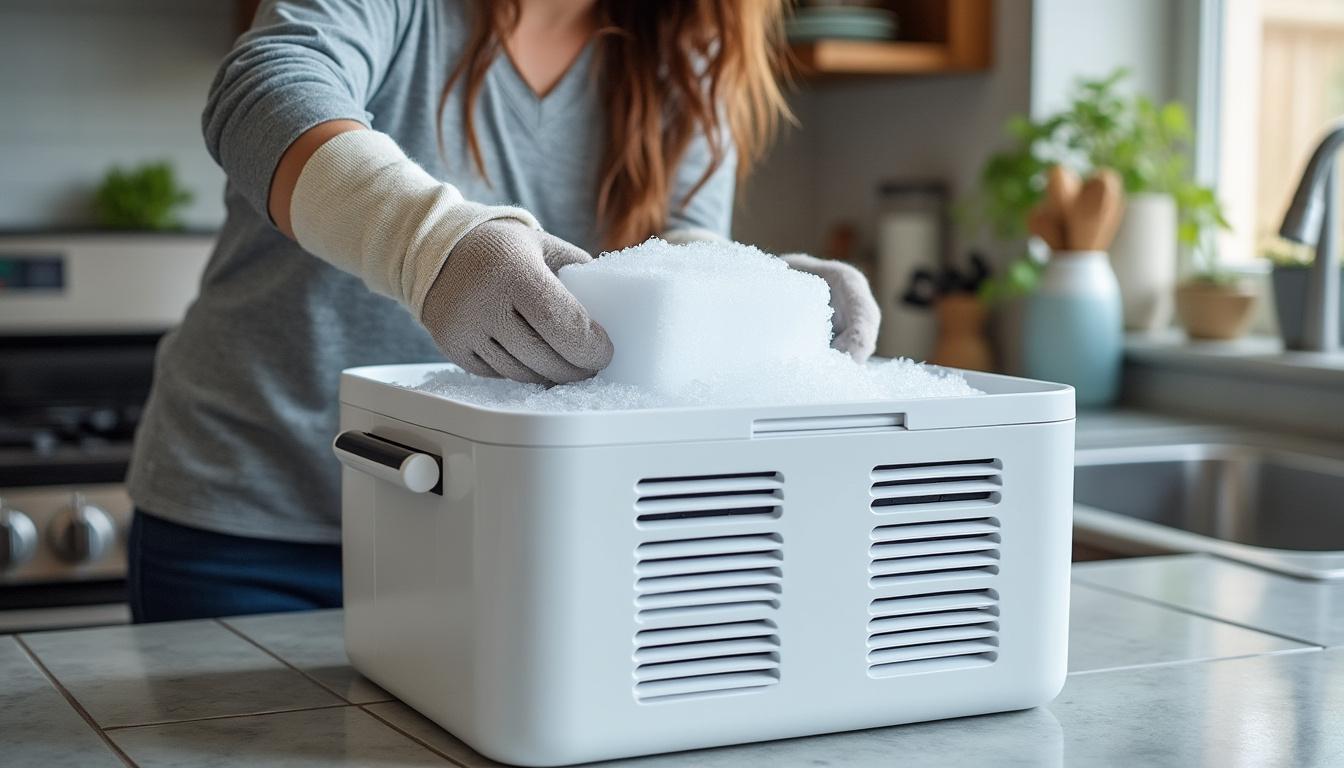
Dry ice, known for its extraordinary cooling capacity, is a staple for preserving perishables during power outages, shipping frozen goods, or enjoying outdoor adventures. However, maintaining dry ice’s temperature and preventing rapid sublimation is a challenge that often frustrates users. The key to maximizing dry ice preservation lies in the use of an insulated cooler that effectively reduces heat transfer, slowing sublimation and extending the cooling period significantly. In 2026, advances in thermal insulation and well-engineered coolers have revolutionized how consumers manage the life span of dry ice, making it easier to keep perishables fresh longer and safer.
The science behind dry ice preservation hinges on its sublimation process—it turns directly from solid carbon dioxide into gas without melting into liquid. This requires specialized insulated coolers that not only block external heat but also provide adequate ventilation to safely dissipate the carbon dioxide gas. Many users find that investing in a cooler designed for dry ice rather than a standard ice chest greatly enhances temperature retention. Whether you’re an avid camper, a commercial shipper, or a homeowner preparing for emergencies, understanding how to handle and insulate dry ice can translate into cost savings and reduced waste.
As we explore the complexities of storing dry ice in an insulated cooler, this article delves into the best materials for insulation, practical tips to keep dry ice fresh longer, and handling considerations to ensure safety. The goal remains clear: optimize cooler insulation and dry ice preservation to achieve extended cooling times with minimal fuss.
Key Points in Brief
- Choosing the right insulated cooler is essential for effective dry ice preservation.
- Materials like Styrofoam, polyurethane, and aerogel provide high-performance thermal insulation.
- Proper ventilation in the cooler prevents dangerous buildup of carbon dioxide gas.
- Managing the placement and quantity of dry ice ensures longer lasting cold storage.
- Regularly minimize cooler opening to reduce sublimation caused by external heat.
Understanding the Role of Insulated Coolers in Dry Ice Preservation
An insulated cooler is more than just a container — it’s the cornerstone of efficient dry ice storage. The key challenge with dry ice is its sublimation at -78.5°C (-109.3°F), where it converts directly from solid to gas, absorbing heat from the environment during this process. An insulated cooler reduces incoming heat, making a significant difference in the longevity of dry ice. Common refrigeration methods fall short when dealing with dry ice due to their limited insulation and lack of venting capabilities.
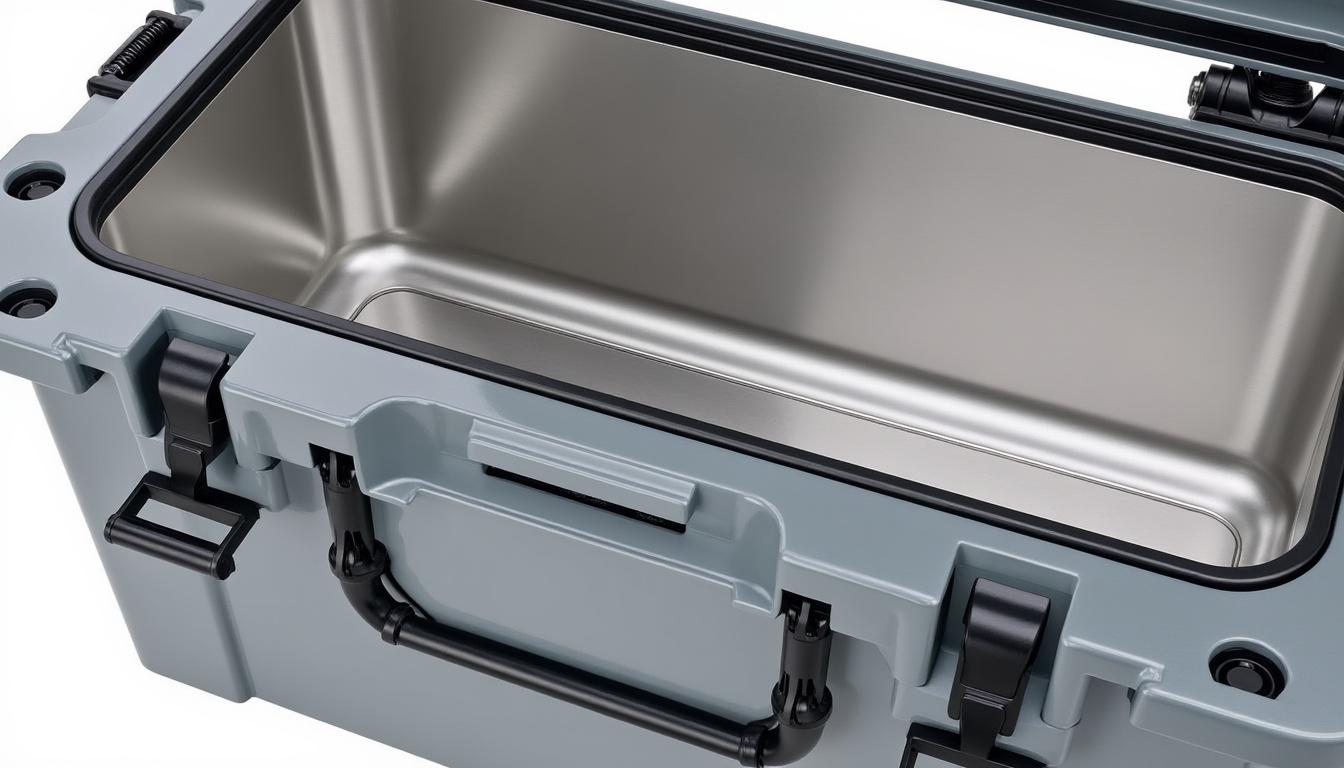
Experts often recommend coolers designed specifically for dry ice over traditional ice chests because they feature thicker walls, advanced insulation materials, and specialized vents for carbon dioxide release. These coolers retain a cold microclimate, crucial for slowing sublimation. For example, an insulated cooler optimized for dry ice may use polyurethane foam insulation, which is denser and more effective than conventional foam, reducing heat penetration substantially compared to classic polystyrene containers.
Moreover, choosing the right size is key. An oversized cooler with excess air space will cause faster sublimation due to greater air volume inside, whereas a well-packed cooler retains cold better by limiting warm air pockets. Combining this with proper insulation enhances performance. When packing, separating dry ice from food with layers like cardboard or bubble wrap prevents direct freezing or food spoilage while allowing cold air circulation.
Real-world usage in 2026 has shown that insulated coolers with multilayer insulation walls and built-in ventilation ports can extend dry ice life by up to 50% compared to non-specialized coolers. This not only benefits outdoor enthusiasts on camping trips but also food delivery services that depend on reliable temperature retention.
Best Insulation Materials for Long-Lasting Dry Ice Storage
Insulation materials directly impact how long dry ice stays cold in your cooler. Each material brings distinct thermal properties that affect sublimation rates and overall efficiency. Here are the top contenders commonly used for dry ice storage and their specific advantages:
| Material | Effectiveness | Ideal Use Case | Practical Tips |
|---|---|---|---|
| Expanded Polystyrene (Styrofoam) | High | Short to medium-term storage | Best for 1-2 day uses; inexpensive and widely available |
| Polyurethane Foam | Very High | Long-term insulation in thick-walled coolers | Look for coolers with dense, closed-cell foam for superior thermal resistance |
| Aerogel | Exceptional | Specialized, high-performance applications | More costly but lightweight and ultra-insulating, ideal for scientific or high-end use |
| Vacuum-Insulated Panels | Very High | Extended shipping or storage needs | Offers superior insulation in commercial-grade containers, not commonly practical for casual users |
For home and small commercial use, Styrofoam combined with layered wraps such as bubble wrap or blankets provides decent insulation but cannot compete with polyurethane foam technology found in many top-tier coolers marketed specifically for dry ice. For shipment and storage over multiple days, vacuum-insulated panels or aerogel also demonstrate powerful insulation with minimal space requirements.
Another critical aspect is multi-layer insulation: applying multiple insulating envelopes around the dry ice inside the cooler has proven to slow sublimation substantially. Wrapping dry ice in bubble wrap or newspaper before placing it in the cooler creates an insulating microlayer that traps cold air and delays heat transfer.
To optimize your insulated cooler’s performance, use materials that balance insulation with ventilation. That delicate balance prevents pressure build-up while maintaining temperature retention.
Practical Tips to Keep Dry Ice Fresh Longer in an Insulated Cooler
The lifespan of dry ice in an insulated cooler depends not just on the container materials but also on how the dry ice is handled, stored, and placed. Follow these expert recommendations to keep your dry ice fresh and your perishables safe:
- Keep the Cooler in a Cool, Shaded Environment: Direct sunlight or hot ambient temperatures accelerate sublimation. Position your cooler indoors or shaded outdoors.
- Minimize Cooler Opening: Each time you open the cooler, warm air enters and speeds up sublimation. Plan your access and keep openings brief.
- Pack Cooler Efficiently: Avoid excess air space by filling gaps with towels or insulation packs to reduce warm air pockets.
- Separate Dry Ice from Food: Use a barrier to prevent freezing or damage to food texture from direct dry ice contact.
- Use the Right Amount of Dry Ice: Typically, 5-10 pounds per standard cooler size keeps items cold for 1-2 days, but this varies with ambient conditions and cooler insulation quality.
- Ventilate Properly: Ensure your cooler design or setup allows CO₂ gas to escape safely to prevent pressure build-up.
For those seeking portable solutions, consulting reviews of the best coolers for dry ice available in 2026 can be a smart move to balance budget, insulation quality, and size needs. Innovative brands integrate high-performance foam insulation and user-friendly ventilation features tailored to dry ice handling.
In practical terms, a well-designed cooler combined with thoughtful handling can double the usable lifespan of dry ice compared to basic containers. Users equipped with insulated gloves and protective tools can safely manipulate dry ice while maximizing preservation. With outdoor ventures or emergency preparedness in mind, mastering these tips ensures your perishables remain fresher, longer.
Safe Handling and Ventilation: Ensuring Protection While Maximizing Cooler Insulation
While the goal is to maximize the duration of dry ice’s cold, safety remains paramount. Dry ice sublimates carbon dioxide gas, which is colorless and odorless, posing suffocation risks in confined or poorly ventilated spaces. Using an insulated cooler that features adequate ventilation is essential to prevent dangerous gas buildup indoors or in vehicles.
Important safety practices for dry ice handling include:
- Wearing Insulated Gloves: Direct skin contact with dry ice can cause frostbite. Gloves specialized for cryogenic materials or thick, insulated work gloves are recommended.
- Using Ventilated Containers: Never store dry ice in airtight containers. Ensure small air vents or openings to allow CO₂ gas to escape safely.
- Keeping Dry Ice Away from Children and Pets: The extreme cold and gas release pose hazards.
- Storing Dry Ice in Well-Ventilated Areas: Whether inside or outside, ensure sufficient airflow to prevent CO₂ accumulation.
Those transporting dry ice over long distances should confirm that their insulated cooler design complies with safety standards. The balance between airtight thermal insulation and necessary gas venting can be challenging, but most commercial coolers, such as those recommended at Sub Zero Dry Ice, have solved this through intelligent engineering.
Consider the story of a delivery service that transports frozen goods daily using dry ice. By adopting insulated coolers with proper ventilation and training their personnel in dry ice handling, they minimized incidents and preserved their product quality effectively. Such real-world examples underscore the significance of safety protocols alongside maximizing cooler insulation performance.