
Metal roofs have become a favored choice in the United States for both residential and commercial constructions due to their robust durability, energy efficiency, and low maintenance needs. Yet, the true potential of metal roofing systems is unlocked only when combined with proper insulation. The synergy of metal roof and insulation helps regulate indoor temperatures, curb energy expenses, and prevent moisture-related problems. In addition to thermal benefits, insulating a metal roof can also significantly dampen noise from rain or hail, enhancing the comfort of indoor spaces. These advantages have turned metal roof insulation into a vital component for building owners aiming to maximize performance, minimize costs, and extend roof lifespan. This detailed exploration will dig into the tangible benefits of insulating metal roofs and review optimal installation techniques that ensure long-lasting effectiveness.
Key takeaways:
- Metal roof insulation maintains consistent indoor temperature and boosts energy efficiency.
- Proper insulation reduces heating and cooling costs significantly.
- Condensation and moisture control under metal roofs prevent mold and structural damage.
- Insulation acts as an effective soundproofing layer against external noise from weather events.
- Durability and lifespan of metal roofs are extended with proper insulation and ventilation.
Thermal Resistance and Energy Efficiency Provided by Metal Roof Insulation
In climates across the United States, managing energy costs is a priority for homeowners and commercial property managers alike. Metal roofing, while highly durable, naturally reflects and transfers heat quickly — a property that can work both for and against energy efficiency depending on the season and insulation quality beneath. Proper insulation serves as a thermal resistance barrier, often referred to as the R-value, which measures a material’s resistance to conductive heat flow.
To illustrate, in northern states where winter temperatures drop significantly, layering effective insulation under a metal roof helps retain heat inside the building. This minimizes the need for constant heating, which can inflate utility bills. Conversely, in southern regions, insulation serves to reflect radiant heat upward and minimize heat gain, reducing the demand for air conditioning. By stabilizing indoor temperature fluctuations, insulation under metal roofs plays a huge role in energy savings, helping to keep energy bills in check year-round.
For instance, spray foam insulation is widely regarded for its superior thermal resistance and air-sealing properties. It creates a continuous barrier that blocks unwanted heat flow, limiting thermal bridging often seen in metal panel seams or fasteners. Rigid foam boards also provide excellent R-values per inch and are popular for retrofits and new builds alike. Their compact thickness and high thermal resistance make them especially valuable when space is limited without compromising insulation performance.
Moreover, radiant barriers — typically thin reflective foils installed beneath metal sheeting — reduce solar heat gain by reflecting a significant portion of radiant energy before it reaches insulation layers or interior spaces. They are particularly useful in warmer climates for residential and commercial metal buildings.
Understanding local climate conditions and building code requirements is essential when selecting insulation for metal roofs. For example, the Department of Energy recommends different R-values based on geographic zones. As we progress through 2026, evolving codes continue to emphasize higher thermal efficiency standards, making insulation an indispensable aspect of any metal roofing project.
For those interested in deeper details about selecting insulation for metal roof projects, a reliable guide to maximize energy efficiency is available at Roofing Contractor Parrottsville.
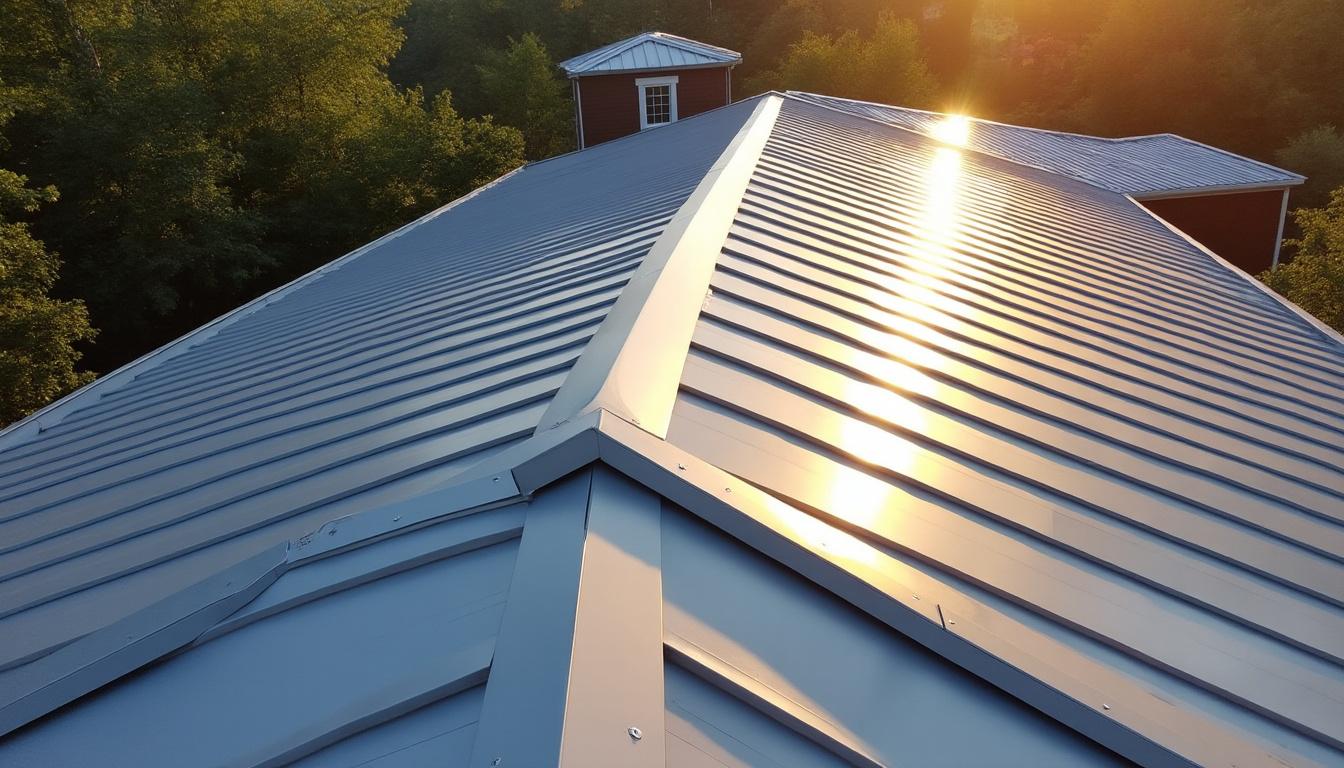
Moisture Barrier and Condensation Control in Metal Roofs
Condensation is a pervasive challenge in metal roofing systems because metal surfaces rapidly cool and can cause warm, moist air from inside a building to condense on the cooler metal panels. Without suitable measures, this condensation accumulation may trigger corrosion of metal components, encourage mold growth, and degrade insulation effectiveness. Ultimately, this impacts the building’s structural integrity and indoor air quality.
One of the most effective strategies to mitigate condensation involves the installation of a dedicated moisture barrier or vapor retarders. Vapor barriers prevent moisture-laden air from penetrating the insulation layer and condensing on the cooler metal surface. These barriers are often installed on the warm side of the insulation and can be made of polyethylene sheets or specialized coatings designed to withstand humidity.
Spray foam insulation also contributes significantly to condensation control because its seamless application seals gaps and cracks, preventing air infiltration that carries moisture. This dual function of insulation and vapor barrier ensures that moisture does not accumulate, protecting both roofing components and the building interior.
In addition, ventilation plays a crucial role in moisture management under metal roofs. Adequate ventilation systems enable airflow beneath the roof deck, which helps carry away any moisture that might have bypassed vapor barriers. Proper ridge vents, soffit vents, and sometimes mechanical ventilation work together to maintain balanced humidity levels and prevent the formation of condensation.
Failing to address moisture and condensation adequately can result in premature corrosion of metal panels and fasteners, threatening the long-term durability that metal roofs are known for. This is why moisture management must be an integral part of insulation installation planning, supported by both appropriate materials and carefully designed ventilation systems.
Those planning insulation upgrades or new metal roof installations should review comprehensive moisture control strategies highlighted by experts at Secured Roofing and Restoration, which emphasize how to combine vapor barriers and ventilation in metal roofing projects.
Installation Techniques for Metal Roof Insulation to Optimize Performance
Successful installation significantly affects the effectiveness and durability of metal roof insulation. Depending on the type of insulation selected, installation techniques differ, but the overall goal remains the same: create continuous thermal resistance, control moisture, and maintain ventilation.
Before installation begins, careful planning is necessary. For new construction, insulation is often integrated directly during the roof decking phase. Existing metal roofs undergoing retrofits will require different approaches such as spray foam application to the underside of the roofing panels or the addition of rigid foam boards attached inside the building envelope.
A key installation practice involves placing thermal spacers or furring strips between the roof panels and the insulation layer. This creates a thermal break that minimizes heat conduction between the metal and insulation, reducing the risk of condensation and increasing energy efficiency. For example, securing rigid foam board insulation with mechanical fasteners ensures tight seams that prevent thermal bridging that can severely reduce insulation effectiveness.
Applying spray foam insulation requires specialized equipment and professional installation but offers unmatched air sealing and moisture resistance. Spray foam adheres to the metal surface, sealing cracks and voids where air leaks may occur, creating an airtight envelope essential for long-term efficiency.
For open-framing metal roofs, fiberglass batts or mineral wool insulation are often fitted between roof purlins. While cost-effective, they necessitate installing a vapor barrier on the warm side of the insulation to shield against moisture infiltration.
In all cases, following local building codes is crucial. Codes often dictate minimum R-values, fire resistance requirements, and the need for ventilation. Proper adherence not only ensures compliance but also supports optimal performance and occupant safety.
DIY approaches are often tempting but can lead to incomplete sealing, moisture issues, and reduced insulation lifespan. Hiring skilled contractors familiar with metal roof systems and insulation installation is highly recommended. Their knowledge can help avoid costly errors while speeding up the process and ensuring warranty compliance.
To explore step-by-step installation procedures and practical tips, homeowners and professionals can visit Fox Haven Roof’s comprehensive metal roof insulation guide for more insights.
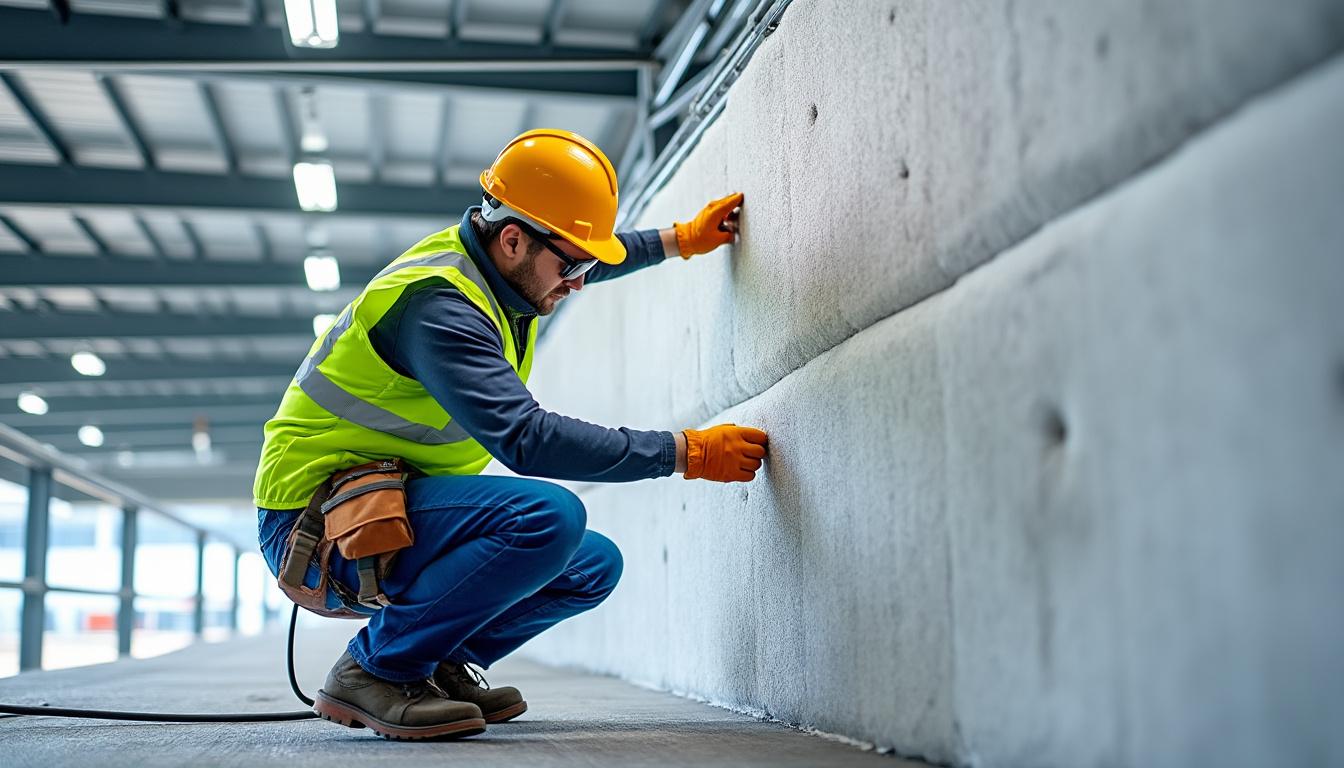
Soundproofing and Durable Benefits of Metal Roof Insulation
Noise reduction is often an overlooked advantage when insulating metal roofs. Metal panels can amplify sounds from rain, hail, and other environmental impacts, creating an uncomfortable indoor atmosphere. Proper insulation adds an important layer of soundproofing that softens these noises, making indoor spaces quieter and more enjoyable.
Material choice influences soundproofing performance. Mineral wool stands out as a dense insulation material with excellent sound absorption properties, making it a superior choice in noise-sensitive commercial or residential environments. Fiberglass batts, while less dense, also provide effective noise attenuation when installed correctly with vapor barriers.
Besides soundproofing, insulation safeguards the metal roof itself from thermal stress caused by daily and seasonal temperature swings. These temperature fluctuations cause metal to expand and contract, which over time can loosen fasteners and damage paint coatings, leading to costly repairs.
Insulation cushions the metal panels, reducing stress and increasing longevity. In extreme weather conditions like hailstorms or heavy rainfall, insulation offers additional protection, preserving the structural integrity of the roof system.
Below is a table comparing metal roof insulation types based on soundproofing and durability benefits:
| Insulation Type | Soundproofing Effectiveness | Durability | Additional Benefits |
|---|---|---|---|
| Mineral Wool | High – absorbs rain and hail noise well | High – fire resistant and dense | Fire resistance, moisture tolerance |
| Spray Foam | Moderate – provides air sealing and noise reduction | High – moisture resistant with strong adhesion | Condensation control, airtight seal |
| Fiberglass Batts | Moderate – effective with vapor barrier | Medium – prone to compression over time | Cost-effective, easy to install |
| Rigid Foam Boards | Moderate – sound dampening limited | High – resistant to moisture and decay | Lightweight, high R-value |
For those interested in maximizing roof comfort alongside durability, consulting detailed assessments such as the review hosted by McElroy Metal’s expert blog provides valuable insights into the soundproofing and lifespan benefits of insulated metal roofs.
Balancing Cost Savings, Building Codes, and Long-Term Value in Insulated Metal Roof Projects
Budget considerations often guide decisions around metal roof insulation, but it’s critical to evaluate cost in the context of long-term savings and building code compliance. While some insulation materials such as spray foam and mineral wool come at premium prices, they yield substantial energy savings, durability, and reduced maintenance expenses.
Conversely, more economical options like fiberglass batts can still meet code requirements if installed correctly with vapor barriers and supplemented ventilation. However, inadequate insulation or improper installation poses risks like higher utility bills and premature roof system failure, leading to costly repairs down the road.
Local building codes increasingly demand higher thermal resistance and fire performance standards, particularly in areas prone to wildfires or extreme weather. Ensuring your insulation choice meets or exceeds these codes protects your investment and can enhance resale value.
To help visualize how various factors impact overall investment, here is a breakdown of key considerations when selecting metal roof insulation:
- Initial Material and Installation Cost: Includes purchase price and labor fees.
- Energy Efficiency Gains: Expected reduction in heating and cooling costs.
- Durability and Maintenance: Expected lifespan and upkeep requirements.
- Code Compliance: Meeting local regulations to avoid permits or inspection issues.
- Environmental Impact: Consideration of recycled content or sustainability certification.
An insightful resource for those balancing these complex factors is the comprehensive overview provided by Rescreening Masters, walking through costs, codes, and material efficiency to optimize long-term value.