
Hunters venturing into the bitter cold understand that choosing the right gear is as critical as mastering their skills. In harsh winter conditions, insulated hunting bibs have transcended beyond mere clothing, becoming essential protective layers that offer unmatched warmth, durability, and comfort. These bibs shield vital areas from temperature drops and hostile elements, allowing hunters to maintain focus, mobility, and safety during extended outdoor expeditions. As outdoor enthusiasts face fluctuating weather patterns and tougher terrains in 2026, the design and technology behind insulated hunting bibs have evolved significantly, offering specialized features tailored to diverse hunting scenarios and environmental challenges.
The combination of insulation materials, weatherproofing techniques, and ergonomic fit in hunting bibs provides strategic thermal protection. Unlike separate pants and jackets, insulated bibs overlap the waistline, sealing off cold drafts that commonly penetrate traditional layers. This overlap is particularly vital when remaining stationary for hours or moving cautiously through snow-laden forests. The importance of bibs extends beyond warmth; their camouflage patterns and silent fabric contribute to concealment and stealth, maximizing hunting success without compromising comfort or protection.
With an expanding market in 2025-2026, hunters now access a broad spectrum of insulated bib options, from budget-conscious durable models to high-end specialized designs featuring advanced technologies like heat-retention fabrics and windproof, waterproof membranes. These options accommodate all hunting styles, climates, and budgets, letting outdoorsmen tailor their gear for optimal performance. Understanding the intricacies of materials, insulation types, and functional design is key to leveraging the full benefits of insulated hunting bibs for cold weather hunting.
Brief:
- Insulated hunting bibs are crucial for maintaining core warmth and comfort in extreme cold conditions.
- Overlap design eliminates gaps that allow cold air into the midsection, a common weakness in traditional gear.
- Advanced insulation materials like Thinsulate and proprietary heat-retention fabrics optimize warmth-to-weight ratios.
- Camouflage and quiet fabrics contribute significantly to stealth and hunting success.
- Diverse options fit a range of budgets and application needs, from casual hunters to professional guides.
- Understanding waterproofing and breathability features is essential to ensure comfort during active and static periods.
- Proper sizing and layering around bibs enhance mobility and overall thermal protection.
The Science Behind Insulated Hunting Bibs: Materials and Thermal Protection for Cold Weather Hunting
Insulated hunting bibs are engineered garments designed to offer comprehensive thermal protection by integrating innovative materials and construction techniques. Their primary function is to preserve body heat by trapping warm air close to the skin while blocking cold and moisture from the environment. A key advantage in 2026 is the use of multifunctional insulation technologies combined with breathable, waterproof fabrics, which enhance comfort and performance in unpredictable cold weather.
Synthetic insulation, particularly products such as 3M Thinsulate, remains a cornerstone in cold weather bibs due to its ability to maintain insulating properties even when wet. This is vital for hunters who may encounter snow, sleet, or moisture in marshy terrains. Unlike natural down, synthetic fibers repel water absorption, dry quickly, and retain loft, ensuring continuous warmth during extended hunts. Thinsulate’s microfibers trap more air in less space, providing a high warmth-to-weight ratio that keeps bibs lightweight and nonrestrictive.
Alongside synthetic insulation, some manufacturers employ proprietary heat-retention technologies. For instance, ArcticShield’s Retain technology uses reflective layers that bounce up to 90% of body heat back toward the wearer. This thermal reflection significantly boosts warmth without adding bulk, an advantage for hunters who demand stealth and dexterity. Such innovations also reduce the need for multiple bulky layers, allowing freer movement and less fatigue during long periods outdoors.
Outer shells of insulated bibs commonly feature durable water-repellent (DWR) coatings combined with waterproof membranes like Gore-Tex or similar breathable laminates. These fabrics repel rain and snow while allowing sweat vapor to escape, preventing moisture buildup that would otherwise chill the wearer. Additionally, taped seams and storm flaps at zipper closures reinforce waterproof integrity, prohibiting water ingress at critical points.
The thermal efficiency of insulated bibs owes much to their design, which covers the torso and legs comprehensively. The bib’s suspender system distributes the garment’s weight more evenly across the shoulders, bypassing constriction at the waist and reducing cold spots. Articulated knees and strategically placed stretch panels enable natural movement in rough terrains or tree stands. These features highlight how the scientific application of materials and ergonomic tailoring come together to maximize protection and comfort.
Understanding these features equips hunters with knowledge to select bibs optimized for their climate zones, hunting style, and expected activity level. Whether requiring ultra-insulation for subzero conditions or lightweight, breathable bibs for more active pursuits, modern insulated hunting bibs offer unparalleled thermal security rooted in material science and innovative fabric technology.
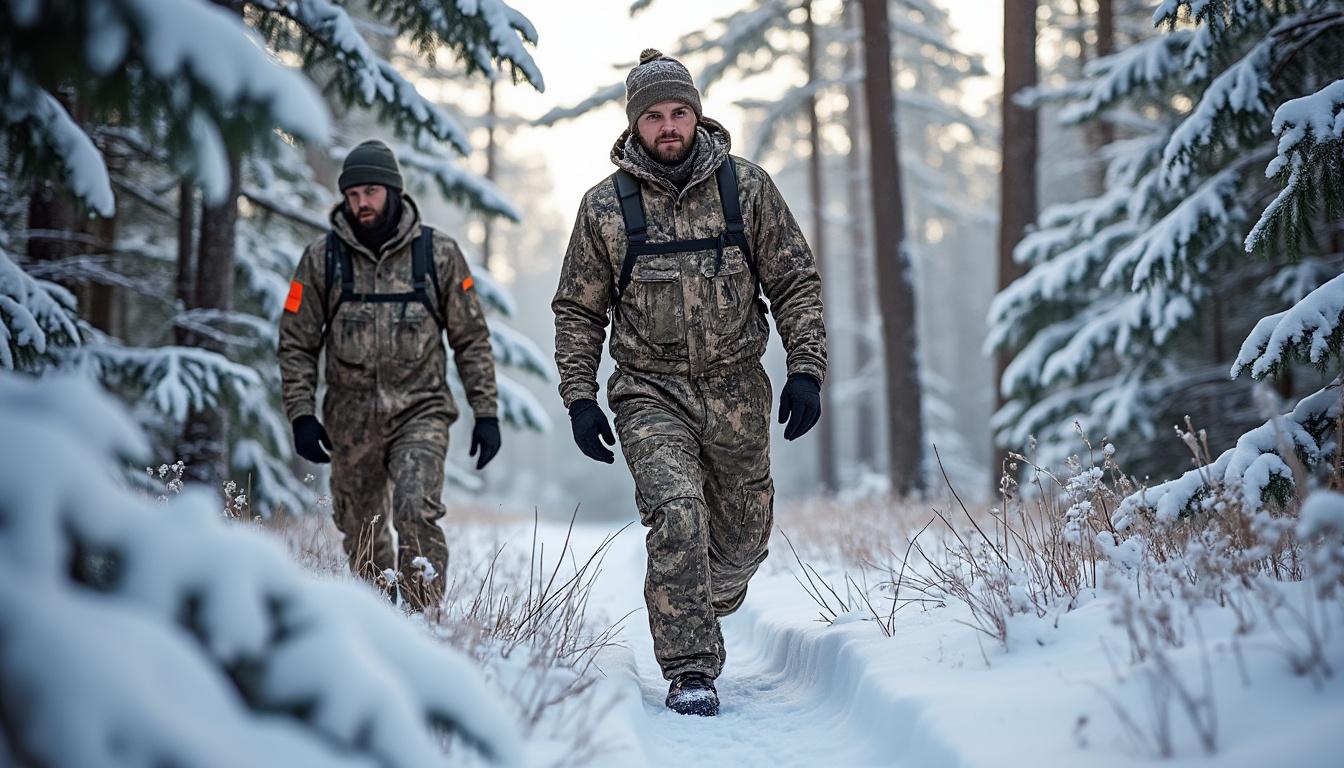
Choosing the Right Insulated Hunting Bib: Key Features, Fit, and Comfort for Effective Cold Weather Protection
Selecting an insulated hunting bib demands more than simply picking the warmest option. It involves evaluating features that align with specific hunting conditions, activity levels, and body mechanics to ensure warmth, protection, and mobility. Proper fit and functional design directly impact a hunter’s ability to remain comfortable and focused throughout potentially hours-long outdoor excursions.
Key features to consider start with insulation weight and type. Light insulation (around 40-60g) suits moderate cold and active hunting requiring agility and breathability, while heavy insulation (150g or more) addresses extreme cold, typically during stationary hunting in tree stands. Opting for versatile bibs with removable liners or adjustable ventilation, such as leg zippers, enables hunters to adapt warmth levels dynamically.
Fit is crucial; insulated bibs should accommodate base and mid-layers without compressing insulation, which diminishes heat retention. Adequate room, especially around the chest and thighs, prevents restricted circulation, maintaining consistent warmth. Suspender adjustments ensure the bib sits properly at chest height for optimal thermal overlap with jackets. Articulated knees, stretch panels, and gussets further enhance freedom of movement essential when stalking or navigating challenging terrains.
Pockets and storage options add to practical comfort. Secure handwarmer pockets lined with fleece provide quick relief from cold fingers, while cargo pockets must be strategically placed for easy access to calls, ammunition, and other gear without hindering mobility. Side-entry pockets improve comfort when sitting, a common hunting posture.
Additionally, camouflage patterns are not just aesthetic but vital to blending into various environments. Modern insulated hunting bibs utilize realistic, multi-terrain camo designed to break up the hunter’s outline in snow, woodland, or marsh settings. Quiet fabric constructions minimize noise from fabric rubbing, which can alarm skittish game. This stealth aspect is often a decisive factor when choosing a bib specifically for bowhunting or close-range stalking.
Durability underlies all these features. Reinforced knees, heavy-duty stitching, and abrasion-resistant fabrics protect against branches, rocks, and other natural hazards, ensuring the bib endures season after season. Waterproof and windproof exteriors guard against the elements without adding unnecessary weight.
The balance of these elements culminates in hunting bibs that offer unparalleled comfort and practical protection in cold weather. Hunters looking for expert comparisons and detailed reviews can explore resources like this guide on insulated hunting bibs, which breaks down market leaders for 2026, helping users find gear fitting their specific needs.
Essential Checklist for Selecting the Right Hunting Bib
- Assess insulation level based on typical hunting temperatures and activity intensity.
- Prioritize a fit that accommodates layering without compressing insulation.
- Check for waterproofing and breathability technologies suited to expected weather conditions.
- Evaluate durability features like reinforced knees and heavy-duty fabrics.
- Ensure camouflage patterns match your hunting environment for optimal concealment.
- Look for functional pockets strategically placed for easy gear access.
- Confirm adjustable components such as suspenders and leg zippers for customization.
Top Insulated Hunting Bib Brands and Models: Comparing Durability, Warmth, and Value in 2026
The market for insulated hunting bibs has expanded rapidly in recent years, driven by advances in fabric technology and increased demand for specialized outdoor gear. Different brands cater to varying user needs, from the budget-conscious to professional hunters seeking peak performance. Understanding these options helps hunters invest wisely in bibs that combine warmth, protection, durability, and comfort.
| Brand & Model | Insulation Type & Weight | Waterproofing | Key Features | Price Range (USD) |
|---|---|---|---|---|
| ArcticShield Tundra Camo | Retain heat-retention tech, synthetic insulation | Waterproof ripstop shell, DWR finish | Articulated knees, YKK Aquaguard zippers, lightweight | $150-$180 |
| Carhartt Super Dux Insulated | 80g 3M Thinsulate | Rain Defender nylon, water-repellent | Level 4 warmth, leg-to-ankle zippers, utility pockets | $140-$170 |
| Sitka Gear Fanatic | Gore-Tex Windstopper, mapped textile insulation | Fully waterproof, windproof | Silent micro-fleece shell, harness port system | $400+ |
| Dickies Duck Insulated | Mid-weight cotton duck with DWR finish | Water resistant only | Double knees, zip-to-waist, elastic straps | $60-$100 |
| Truewerk T4 WerkBib | 80 GSM synthetic, ballistic nylon reinforcements | DWR appliqué, water resistance | Four-way stretch, multiple pockets, full-length zippers | $250-$300 |
This range from economical to premium offers hunters choices aligned with durability needs, climate challenges, and budget. For detailed reviews and buyer recommendations honing in on cold weather hunting bibs, there are reliable resources to explore, such as this comprehensive Cold Weather Bibs review.
Durability and Longevity Tips
Always inspect bibs for reinforced stitching at stress points and abrasion resistance, especially if frequently hunting rough terrains. Maintaining your insulated bib by cleaning according to manufacturer instructions preserves waterproof treatments and insulation effectiveness, extending the lifespan of the investment.
Practical Layering and Maintenance Tips to Maximize Warmth and Longevity of Insulated Hunting Bibs
Maximizing the utility of insulated hunting bibs requires understanding how to combine them with other layers and maintain them properly. Optimal layering dramatically increases insulation efficiency, moisture management, and overall comfort in freezing weather.
The base layer should wick moisture away from skin, made of materials like merino wool or synthetic fibers such as polyester or polypropylene. This foundation keeps hunters dry, a critical factor since wet fabric loses insulating properties and can lead to dangerous chilling. Avoid cotton at all costs.
Mid-layers, often constructed from fleece or lightweight down alternatives, trap warm air and provide robust insulation between the base layer and the insulated bib. Flexibility and breathability in mid-layers prevent the buildup of sweat, which can accumulate and reduce warmth.
Layering strategy involves ensuring all components overlap to avoid exposing skin or gaps where cold air can penetrate. Insulated bibs should overlap properly with jackets, creating a continuous thermal barrier around the torso and legs. Adjustable bib suspender straps and side zippers facilitate fitting over layers without compressing insulation.
Maintenance is equally important. Most insulated bibs incorporate specialized coatings and synthetic fibers sensitive to harsh treatments. Machine washing on gentle cycles with mild detergents preserves insulation loft and water-resistant properties. Avoiding fabric softeners, bleach, and high-heat drying extends the effective life of bibs.
Reapplication of durable water repellent (DWR) treatments should occur seasonally to maintain waterproof performance. Small repairs such as patching tears or reinforcing stressed seams can be undertaken DIY or professionally, significantly prolonging the bib’s service.
Effective Care Checklist
- Machine wash bibs on gentle setting with mild detergent.
- Avoid fabric softeners and bleach to preserve materials.
- Hang dry or use low heat tumble dry to maintain insulation loft.
- Apply DWR treatment annually or as needed.
- Repair tears or seam issues promptly to prevent water ingress.
- Store bibs in cool, dry places away from direct sunlight and heat sources.
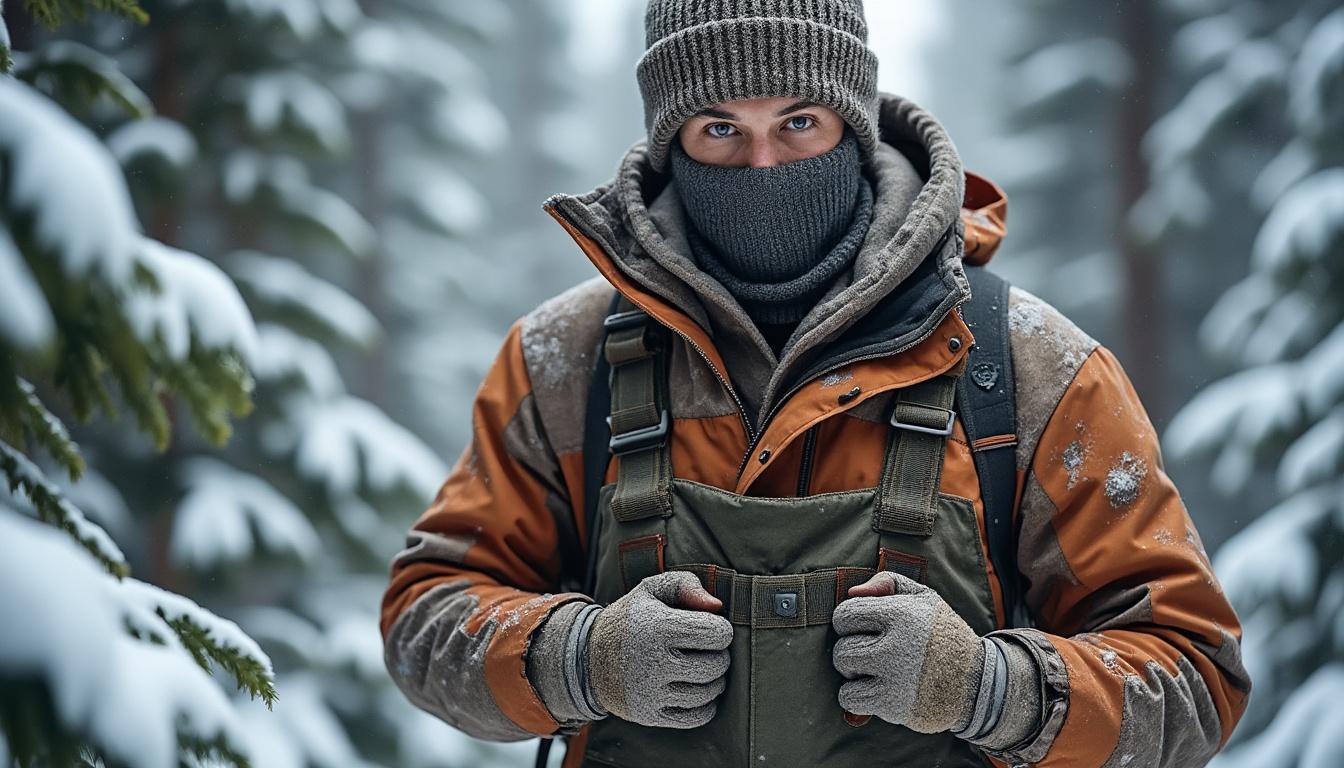
Cold Weather Hunting Safety: How Insulated Bibs Protect Against Hypothermia and Frostbite
Exposure to cold weather hunting environments poses significant health risks without proper protection. Hypothermia and frostbite remain leading concerns for hunters spending prolonged periods in subfreezing temperatures, often combined with wind, moisture, and inactivity.
Hypothermia occurs when the body’s core temperature drops below 95°F due to excessive heat loss. The U.S. Centers for Disease Control and Prevention (CDC) warns that hypothermia can develop even at temperatures above 40°F when wind chill and wetness accelerate heat loss. Insulated hunting bibs mitigate this risk by preserving warmth around the thighs and torso, critical areas for maintaining core temperature.
Frostbite damage, affecting extremities such as toes or fingers, can be partly prevented by ensuring lower body warmth with insulated bibs that protect legs against chilling winds and snow. Features like windproof membranes, waterproof shells, and snug yet comfortable fit reduce exposure to cutting cold air that accelerates tissue freezing.
Proper insulated bibs, combined with adequate layering and accessories like gloves and insulated boots, allow hunters to remain outdoors safely longer, reducing the risk of cold-related injuries or early termination of hunting activities due to discomfort or danger.
Understanding the role of insulated bibs in cold weather safety supports informed gear choices and encourages hunters to invest in well-designed, tested garments. For excellent outdoors safety insights tied to gear choices, this article about why insulated camo bibs are critical for winter outdoor activities offers valuable perspectives.